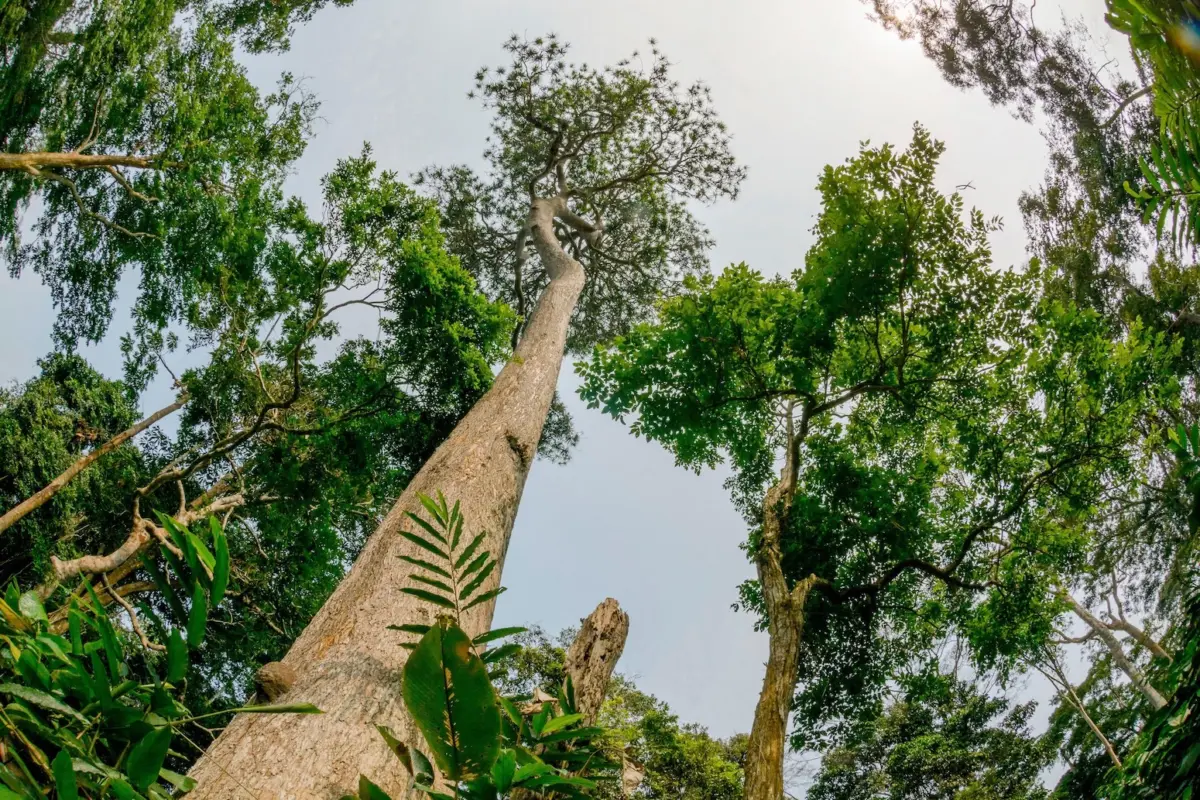
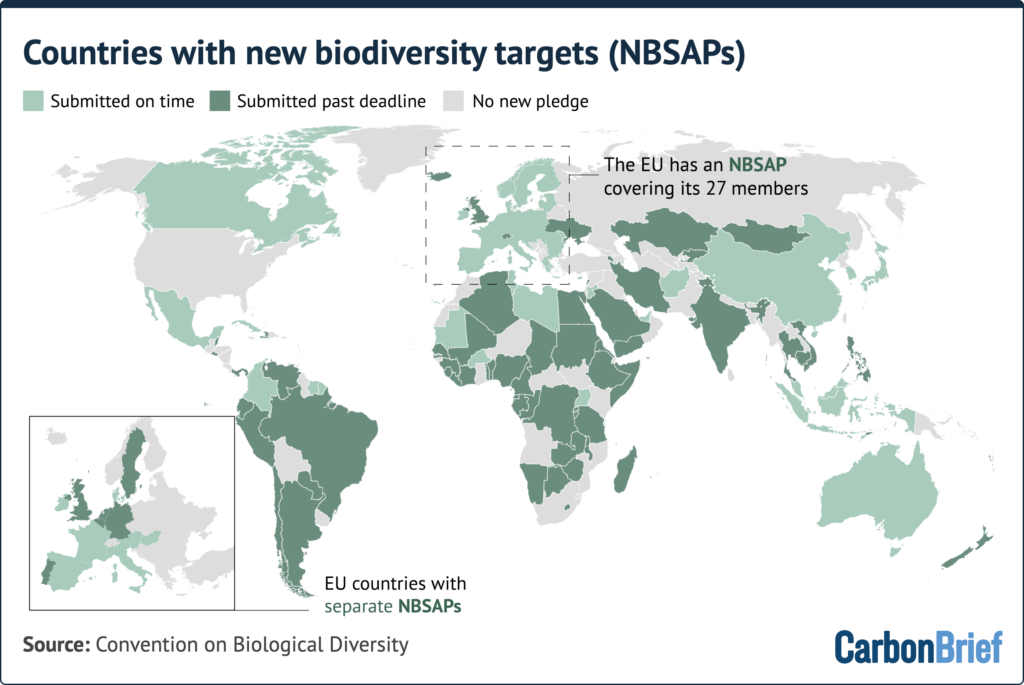
Nearly three years after the international community struck a landmark pact to halt the destruction of the natural world, a majority of countries have finally complied with a crucial UN requirement to outline their national strategies for addressing biodiversity loss. According to a comprehensive new analysis by Carbon Brief, some 58% of the world’s nations have now submitted their updated pledges, marking a significant, albeit delayed, step forward in global conservation efforts.
The updated commitments—formally known as national biodiversity strategies and action plans, or NBSAPs—were originally mandated by the United Nations to be submitted by the start of the COP16 biodiversity summit, which took place in Cali, Colombia, in October 2024. However, that initial deadline saw a dismal turnout, with only 15% of nations managing to release their plans on time. Faced with widespread delays and administrative bottlenecks, delegates at the Cali summit negotiated a revised text that urgently pushed countries to publish their comprehensive roadmaps as soon as possible.
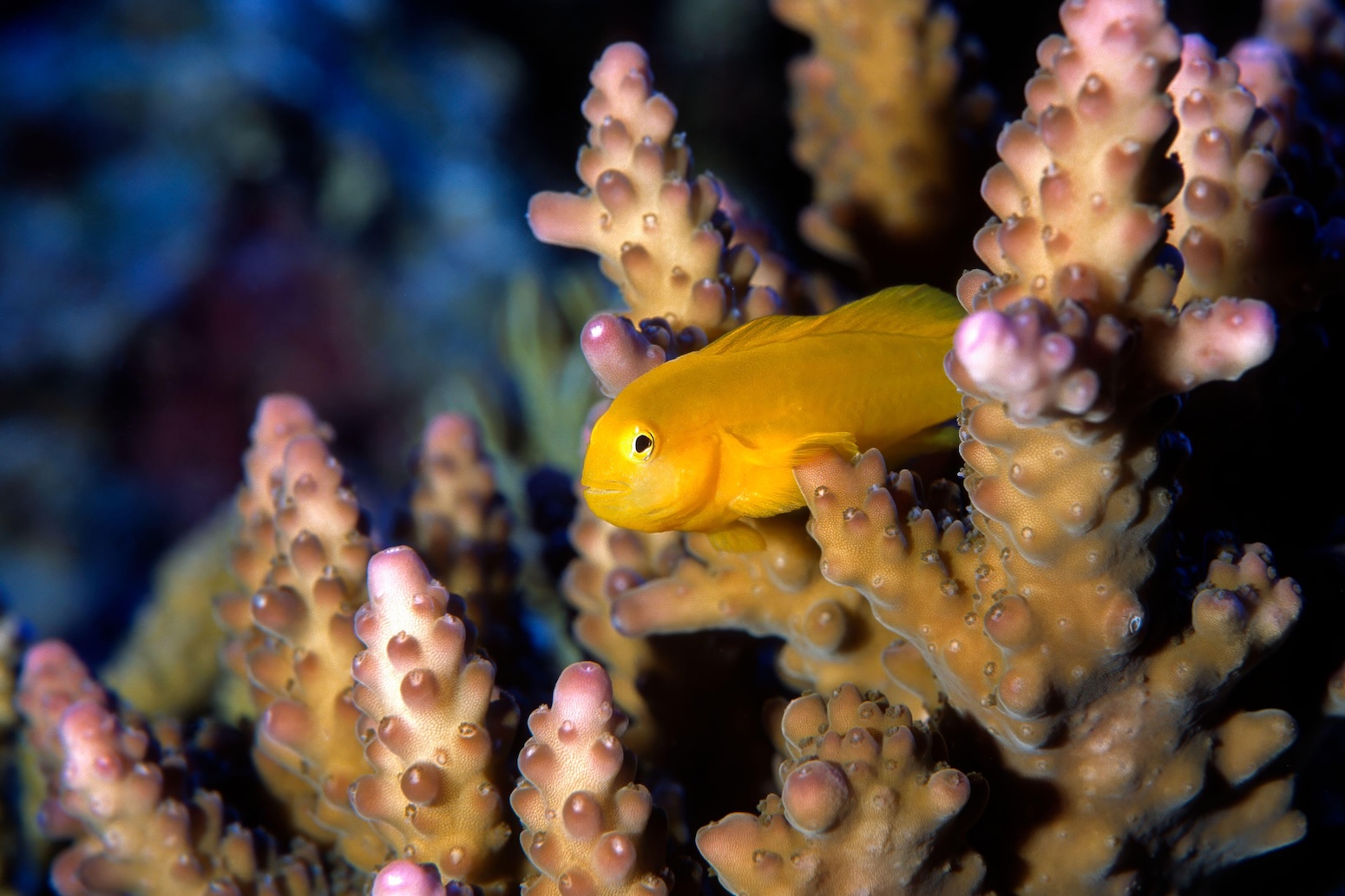
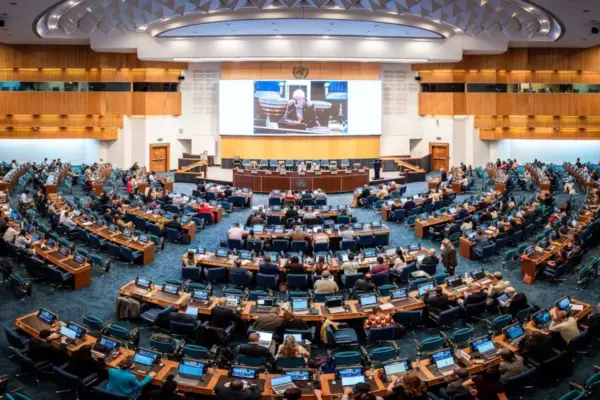
Carbon Brief’s updated figures reveal that 113 countries have now officially come forward with their new NBSAPs. This represents a substantial leap from just a year ago, when only 55 nations had published their updated plans. The accelerated pace of submissions comes at a critical juncture, as government representatives, policymakers, and environmental experts prepare to gather in Yerevan, Armenia, next week for the upcoming COP17 biodiversity summit.
The upcoming summit in Yerevan holds immense political and ecological significance, as it marks the exact halfway point of the Kunming-Montreal Global Biodiversity Framework (GBF). Adopted in Montreal, Canada, in December 2022, the GBF is widely regarded as a historic blueprint designed to arrest and reverse the alarming decline of the Earth’s ecosystems by the end of the decade. As nations assemble in Armenia, the conference will provide the stage for the very first global review evaluating collective progress toward meeting the ambitious targets laid out in the 2022 agreement.
Global Review and the Road to 2030
The overarching mission of the Kunming-Montreal Global Biodiversity Framework is clear and uncompromising: to halt and reverse biodiversity loss by 2030. To achieve this monumental goal, the framework establishes a detailed set of 23 distinct targets for 2030. These targets span a vast spectrum of environmental priorities, encompassing the large-scale restoration of degraded ecosystems, active integration of climate change mitigation strategies, and the mobilization of adequate financial resources to assist developing nations in covering the immense costs associated with protecting nature.
As part of the structural design of the GBF, participating governments agreed to a rigorous schedule for monitoring and reviewing their domestic progress. This accountability mechanism relies heavily on the preparation of a comprehensive global progress report coordinated directly by the United Nations. This UN report synthesizes data submitted by member states, pulling information from their newly minted NBSAPs, newly established national targets, and their seventh national reports, which were required to be submitted to the UN earlier this year.
Carbon Brief’s latest tracking data indicates that out of 196 parties to the UN Convention on Biological Diversity, 113 have now successfully fulfilled the requirement to produce a new NBSAP. This brings the total compliance rate among signatory nations to 58%, a notable improvement that demonstrates a growing political will to institutionalize domestic nature protection frameworks.
Geographically, the past year has seen a marked acceleration in submissions from across the African continent. A wide array of African nations have finalized and published their updated strategies, including Algeria, Benin, Botswana, Cameroon, Comoros, Congo, Côte d’Ivoire, the Democratic Republic of Congo, Egypt, Equatorial Guinea, Eritrea, Ethiopia, Gabon, Gambia, Guinea, Lesotho, Liberia, Madagascar, Malawi, Mali, Namibia, Rwanda, Senegal, Sierra Leone, Somalia, Sudan, Zambia, and Zimbabwe.
Similarly, several key South American nations have bolstered their domestic policy frameworks by releasing new NBSAPs. This group includes Brazil—widely recognized as the most biodiverse nation on Earth—alongside Belize and Chile. Furthermore, Armenia, the host nation for the upcoming COP17 summit, completed and published its own updated national biodiversity strategy in April.
Despite this positive momentum, gaps remain in global coverage. Under the rules of the GBF and its associated documents, nations that found themselves unable to meet the primary deadline for full NBSAPs ahead of COP16 were permitted to submit interim national targets instead. Unlike comprehensive NBSAPs, which include detailed operational plans and policy mechanisms for achieving their goals, national targets function simply as high-level statements of intent, outlining the specific biodiversity objectives a country aims to pursue without necessarily detailing how they will be implemented on the ground.
Data shows that while comprehensive NBSAP adoption has risen steadily, provisional national targets have seen an even higher rate of adoption. By the conclusion of COP16, roughly 119 parties had produced at least one national target. Two years later, that figure has surged to 175, representing approximately 89% of countries globally. Additionally, while roughly half of all nations met the initial February deadline to produce their seventh national reports, that reporting rate has since climbed to 73%.

However, notable absences persist among the international community. Four of the world’s officially designated megadiverse nations—countries that collectively harbor the vast majority of the planet’s plant and animal species—have yet to publish their new NBSAPs. These holdouts include Papua New Guinea, Peru, South Africa, and the United States. The United States occupies a unique position in global environmental diplomacy as the sole UN member state that is not a signatory to the UN Convention on Biological Diversity. Meanwhile, Russia, which encompasses the largest land area of any nation on Earth, has also failed to produce a new NBSAP.
Financing and Resource Challenges
Throughout the two-year period following the COP16 summit, many developing nations repeatedly voiced concerns that severe financial constraints and a lack of institutional capacity were the primary barriers preventing them from finalizing and publishing their NBSAPs. Protecting ecosystems, surveying native species, and designing enforceable legal frameworks require substantial monetary investments that many lower-income countries struggle to mobilize independently.
To address these systemic hurdles, multilateral funding mechanisms have worked to disburse necessary grants. A spokesperson for the Global Environment Facility (GEF), the primary multilateral fund tasked with assisting governments in the preparation of their NBSAPs, reported that out of 139 developing countries that requested financial support following COP16, 120 successfully accessed the required funds.
The spokesperson added that the UN Environment Programme has continued to work closely with international stakeholders to untangle and resolve remaining administrative and technical issues, aiming to clear the path for the final group of 19 countries to secure their financial assistance.
As delegates prepare to board flights for Yerevan next week, the discussions at COP17 will likely focus heavily not only on evaluating the technical metrics of the 113 newly submitted NBSAPs, but also on addressing the glaring financial disparities that continue to hinder broader global participation in the race to save the natural world by 2030.