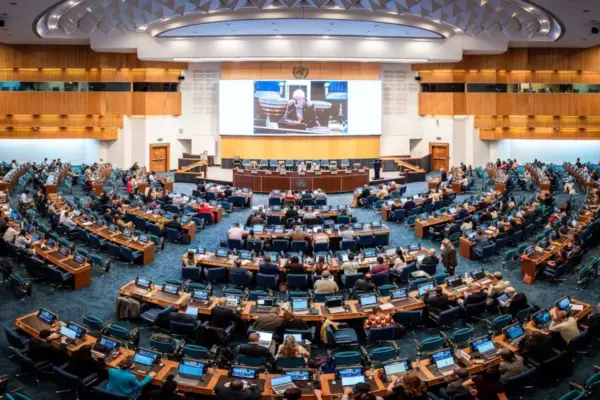
Next week, diplomats and environmental delegates from around the world will descend on Yerevan, Armenia, for a high-stakes gathering under the United Nations Convention on Biological Diversity (CBD). Scheduled to run from October 19 to 30, the summit will draw representatives from 196 parties who face the monumental task of hammering out the precise legal wording for dozens of critical decisions under the Conference of the Parties (COP).
This year’s summit carries exceptional weight, serving as a crucial milestone in global conservation efforts. It marks the exact halfway point between the historic agreement of the Kunming-Montreal Global Biodiversity Framework (GBF) and the fast-approaching 2030 deadline for achieving its ambitious targets. Yet, as delegates prepare to take their seats in Yerevan, a sobering reality hangs over the negotiations: a recent draft UN report by the CBD reveals that countries are currently falling short on 22 out of the framework’s 23 targets. The stark lack of progress across nearly the entire spectrum of global nature goals underscores the urgent need for decisive action and intensified commitments during the two-week conference.
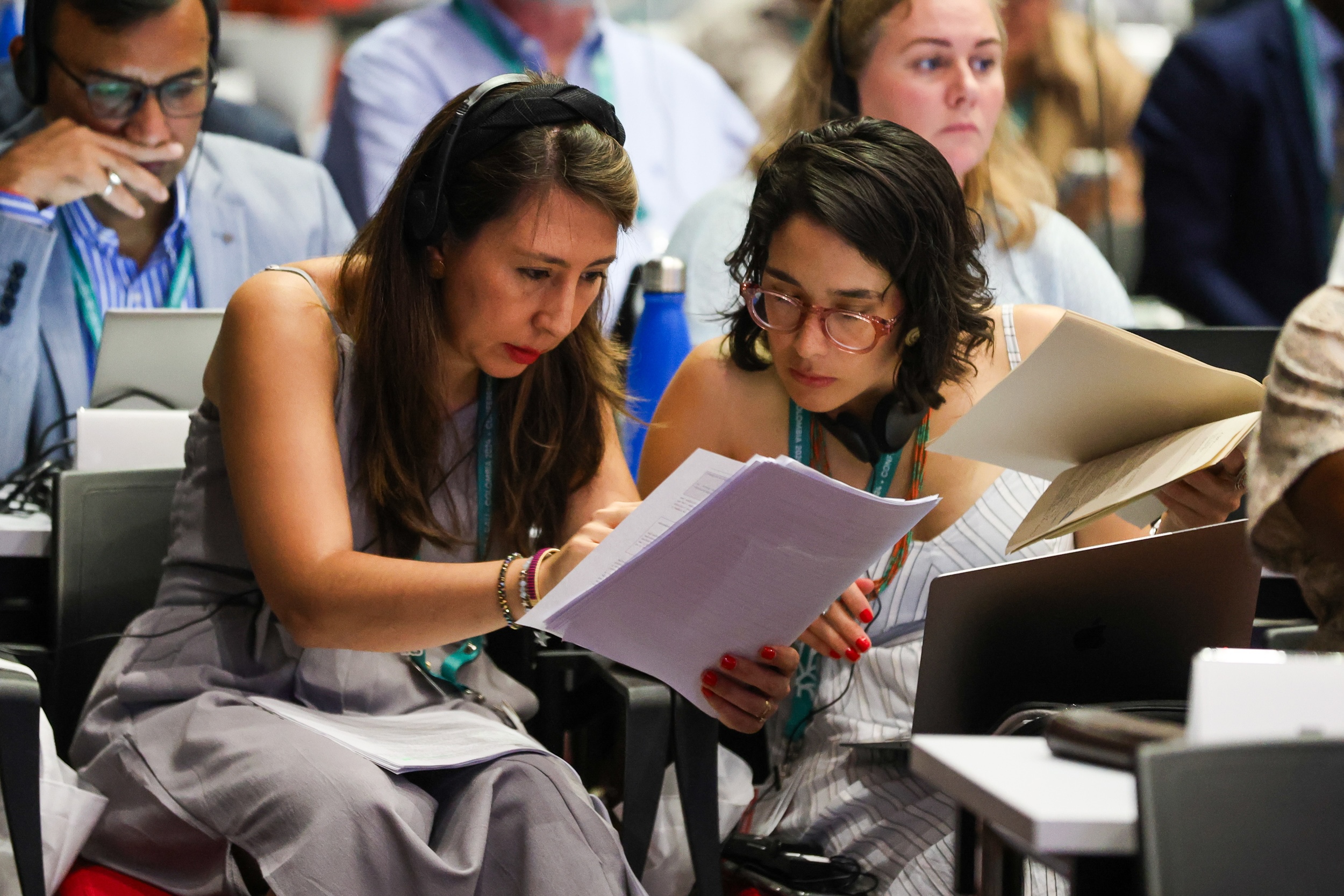
Beyond the overarching framework of the CBD itself, the upcoming fortnight will see intensive negotiations surrounding the convention’s two vital supplemental protocols. These include the Cartagena Protocol, which governs biosafety and the safe handling of living modified organisms, and the Nagoya Protocol, which establishes rules for access and benefit-sharing arising from the utilization of genetic resources. While these protocols are integral to the broader biodiversity architecture, they operate with distinct memberships governed by their own respective meetings of the parties, known as MOPs. Currently, the Cartagena Protocol has 173 participating parties, while the Nagoya Protocol counts 141.
To help observers and policymakers navigate the complex web of legal texts under discussion, organizations such as Carbon Brief are closely tracking the progress of nations toward consensus using detailed tracking tools. These resources analyze texts from the main COP as well as the MOPs for the Cartagena and Nagoya protocols, alongside draft decisions stemming from the most recent subsidiary body meetings that form the bedrock of the Yerevan negotiations.
The CBD relies on three specialized subsidiary bodies to prepare the technical and implementation groundwork for its high-level political decisions. These include the Subsidiary Body on Scientific, Technical and Technological Advice (SBSTTA), the Subsidiary Body on Implementation (SBI), and the Subsidiary Body on Article 8(j) and Other Provisions (SB8J). Notably, SB8J focuses specifically on issues concerning Indigenous peoples and local communities, a vital constituency in global conservation efforts. This specialized body was formally established at COP16, which took place in Cali, Colombia, in 2024.
Tracking the minutiae of UN environmental negotiations often comes down to deciphering the diplomatic shorthand embedded within draft documents. Areas of ongoing disagreement between member states are traditionally denoted by square brackets, meaning that counting the brackets in any given iteration of a text provides an immediate indicator of how far apart parties remain from reaching a consensus. Negotiations are further complicated by the presence of competing options and alternative formulations—often marked as "alt"—which present delegates with multiple pathways for resolving contentious policy points.
The core of the discussions in Yerevan is expected to crystallize around two principal agenda items that have dominated recent biodiversity politics: the comprehensive global review and the perennial challenge of international finance.
The global review agenda item will involve a thorough assessment of collective progress toward the implementation of the Kunming-Montreal Global Biodiversity Framework. Based on this evaluation, delegates are expected to formulate recommendations designed to accelerate urgent conservation action worldwide, bridging the vast gap between current national efforts and the demands of the 2030 targets.
Finance, however, remains the most politically volatile flashpoint, divided broadly into resource mobilisation and the structure of the financial mechanism itself. Biodiverse countries of the global south are widely anticipated to push aggressively for a substantial increase in international public finance for conservation, arguing that protecting ecosystems of global importance requires significantly enhanced support from wealthy nations.
Deep divisions over the architecture of the financial mechanism previously paralyzed the process, culminating in the unprecedented suspension of COP16 in Cali, October 2024, after exhausted delegates failed to reach a consensus on resource mobilisation before the scheduled end of the summit. Developing nations have consistently advocated for the establishment of a separate, dedicated financial mechanism operating directly under the authority and control of the CBD. In contrast, developed nations from the global north have largely favored maintaining the existing funding framework, which is housed within the Global Environment Facility.
The diplomatic deadlock was temporarily eased during a resumed session of COP16 held in Rome in early 2025, where countries managed to agree upon a tentative roadmap designed to guide the eventual establishment of a permanent financial mechanism. As delegates gather in the Armenian capital, the momentum—or lack thereof—from the Rome agreement will be severely tested, setting the stage for what promises to be a contentious and pivotal fortnight for the future of the planet’s biodiversity.