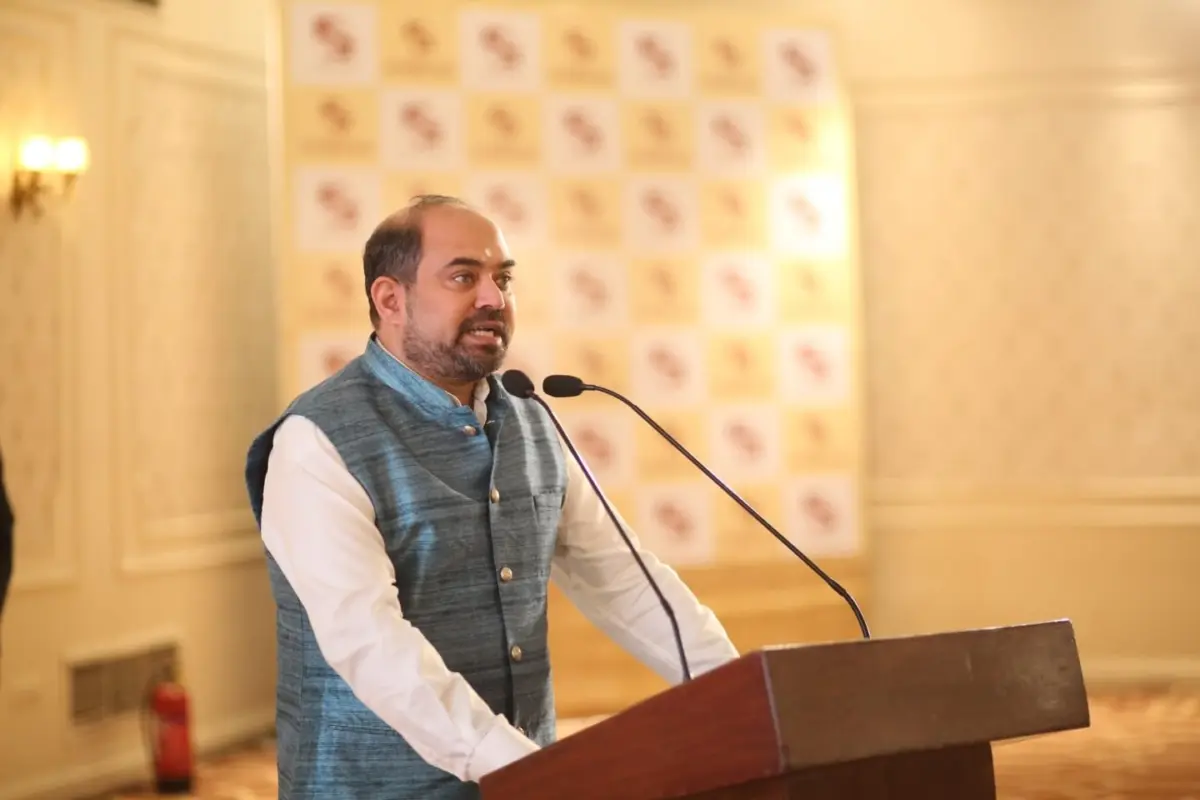
NEW DELHI — In an era defined by rapid technological disruption and shifting global dynamics, the role of higher education institutions has never been more critical. Addressing a distinguished gathering of diplomats, academics, industry leaders, and international delegates at the Symbiosis International Annual Dinner in New Delhi, Dr Ramakrishnan Raman, Vice Chancellor of Symbiosis International (Deemed University), delivered a compelling address on the urgent need to reshape modern education. He highlighted the pivotal responsibility universities bear in shaping graduates who are not only technologically proficient and globally minded, but also deeply responsible and adaptable to an unpredictable future.
The high-profile annual dinner served as a vibrant platform for discussing the intersection of higher education, international diplomacy, and emerging technologies. Against the backdrop of a fast-evolving global economy, Dr Raman’s remarks captured the overarching theme of the evening: that traditional educational models are facing unprecedented pressure to evolve, and that academic institutions must proactively lead the charge in preparing the next generation of global leaders.
Opening his address by welcoming the international gathering, Dr Raman emphasized the enduring importance of diplomacy, mutual understanding, and cross-border cooperation. In a world experiencing profound technological and economic transformation, he noted that foundational diplomatic principles and collaborative frameworks remain essential for maintaining global stability and fostering shared prosperity. He described the current wave of global transformation not as a threat, but as a unique opportunity for universities to strengthen international connections, encourage bold innovation, and prepare young people for an increasingly interconnected and interdependent future.
Central to Dr Raman’s message was the profound impact of artificial intelligence on economies, workplaces, and the fundamental ways in which human knowledge is created, validated, and shared. As artificial intelligence automates routine tasks and reshapes traditional industries, the challenge for universities is no longer simply to prepare students for existing career paths. Instead, academic institutions face the much more complex task of equipping students for a professional world in which many jobs and specialized roles are yet to emerge.
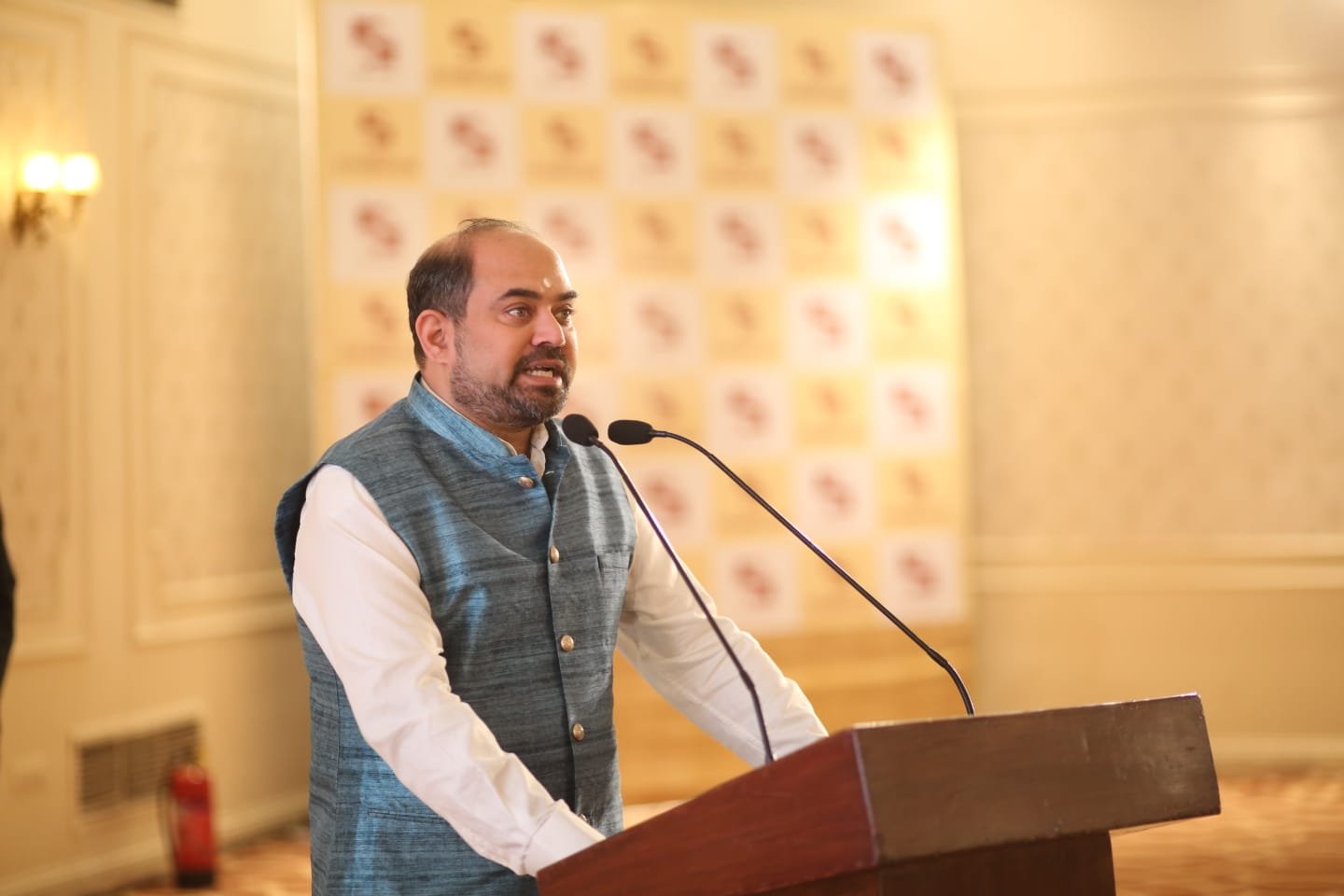
"Education today is not merely about preparing students for jobs that exist; it is about preparing them for careers that may not yet exist," Dr Raman observed during his address, drawing sustained attention from the audience and highlighting the critical necessity for cultivating adaptable skills, resilience, and a lifelong commitment to learning.
At Symbiosis International, this forward-looking vision is being translated into institutional practice by intentionally integrating artificial intelligence and emerging technologies across teaching methodologies, research initiatives, and strategic industry engagements. However, Dr Raman was careful to stress that true technological adoption must extend far beyond the superficial introduction of new digital tools, software, or hardware into traditional classrooms. He asserted that acquiring digital proficiency is only part of the equation; students must simultaneously learn how to think critically, solve complex and ambiguous problems, interpret vast amounts of data accurately, and deeply understand the ethical implications of the technologies they utilize and build.
This holistic approach to technological integration, according to Dr Raman, must not be siloed within specialized engineering or computer science departments. He emphasized that it is equally important to ensure that digital capabilities and technological literacy are developed across a diverse range of academic disciplines, including management, law, healthcare, and the humanities. As artificial intelligence and data-driven systems increasingly influence professional practice across all sectors, technological literacy must become a shared educational priority rather than the exclusive preserve of technical training programs. By embedding digital awareness across diverse faculties, universities can ensure that future lawyers, managers, medical professionals, and artists are fully equipped to navigate and ethically govern technology-driven environments.
Expanding on the theme of interconnectedness, Dr Raman underscored the vital importance of deepening international collaboration in higher education and research. He noted that universities, governments, and private industry sectors do not operate in vacuums and can achieve far greater outcomes by working together through structured partnerships. Such cooperation can take many forms, including joint international research initiatives, faculty exchange programs, student mobility schemes, and collaborative skills development projects. By pooling resources and drawing upon each country’s distinct strengths, cultural insights, and technological expertise, the global academic community can better address complex transnational challenges.
Dr Raman’s address ultimately served as a call to action for educators, policymakers, and industry stakeholders alike. He urged the international community to envision and work toward a future where rapid technological progress contributes not only to narrow economic productivity and corporate growth, but also to the creation of more inclusive, resilient, and prosperous societies worldwide. By combining rigorous ethical grounding, cross-disciplinary digital literacy, and robust international partnerships, universities can fulfill their highest calling: preparing empathetic, capable leaders ready to navigate and shape the uncharted horizons of tomorrow.