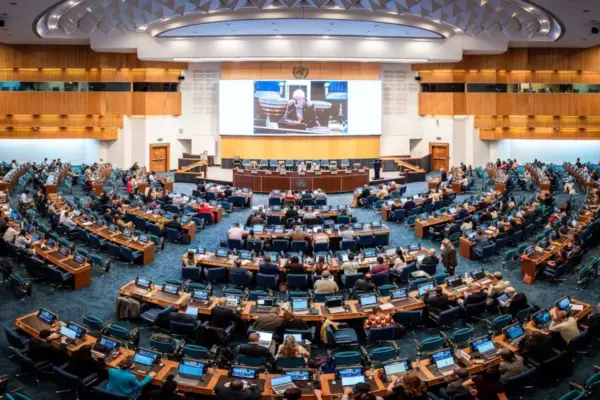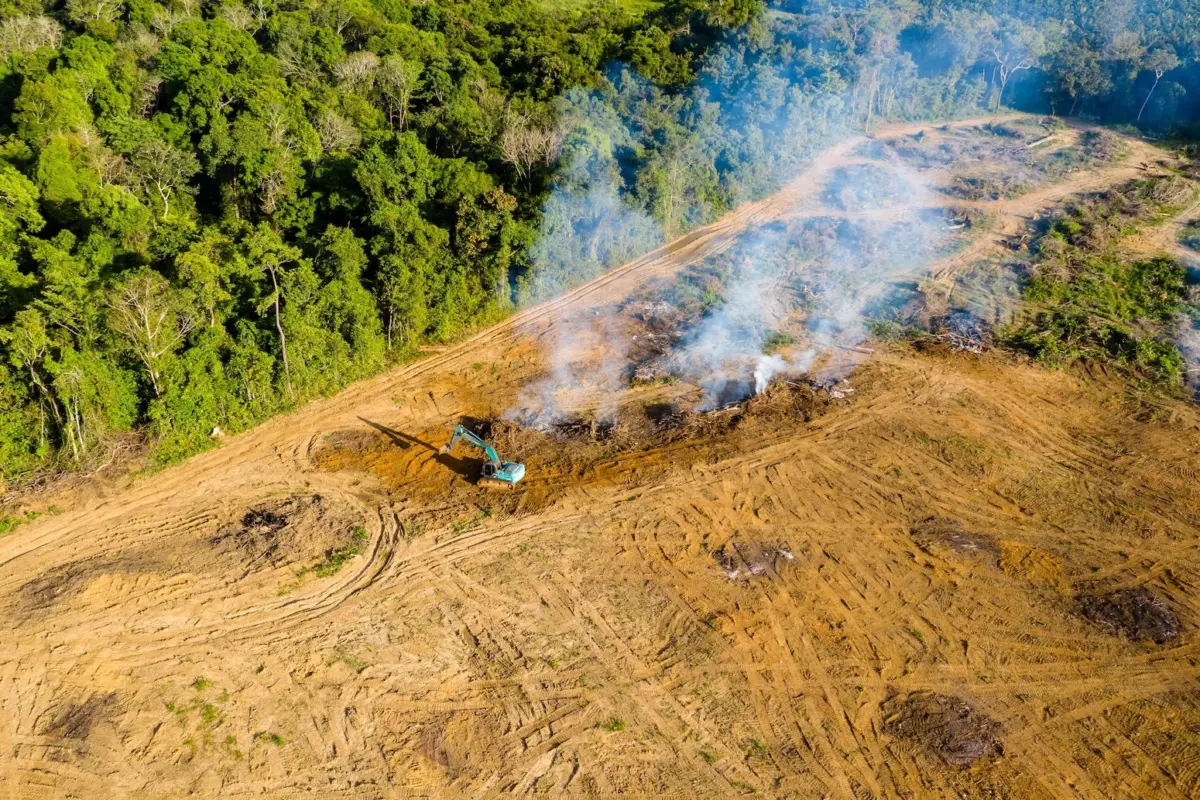
This year’s Conference of the Parties (COP) carries profound significance. It marks the exact halfway point between the landmark agreement of the Kunming-Montreal Global Biodiversity Framework and the ultimate 2030 deadline for achieving its ambitious targets. Yet, the summit opens under a heavy cloud of reality: a recent draft UN report by the CBD reveals that countries are currently falling short on an alarming 22 out of the framework’s 23 nature targets.
The fortnight of negotiations in Yerevan will not focus solely on the overarching convention. Delegates are also set to tackle crucial decisions related to the two supplemental protocols to the CBD. These include the Cartagena Protocol, which governs biosafety standards regarding living modified organisms, and the Nagoya Protocol, which addresses fair and equitable access and benefit-sharing for the use of genetic resources. While these supplemental protocols are governed by their own respective meetings of the parties—known as MOPs—they involve slightly fewer participants than the main convention, with 173 parties for the Cartagena Protocol and 141 for the Nagoya Protocol.
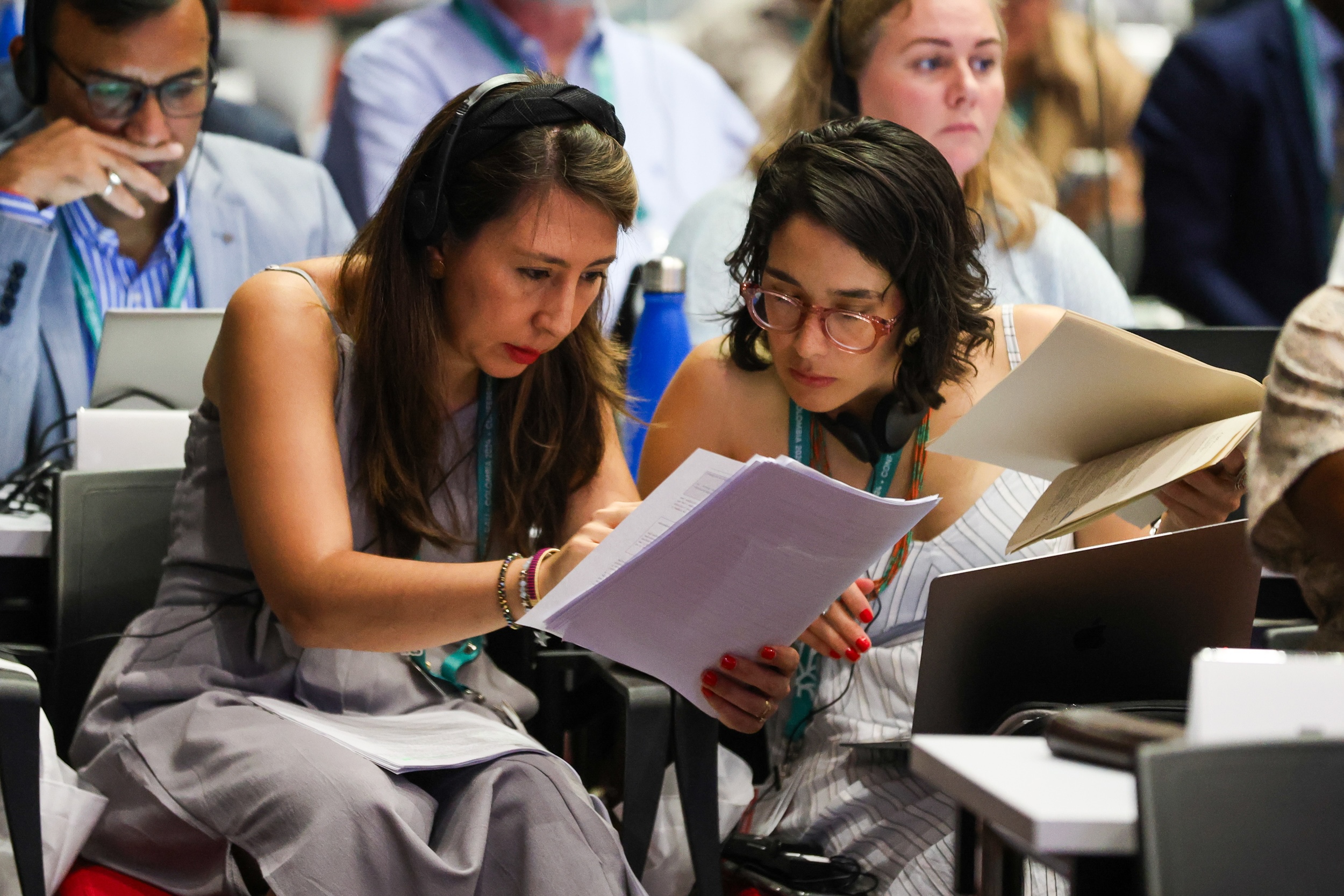
Navigating the sheer volume of legal text and tracking where nations stand on consensus is a massive undertaking. Observers and analysts are meticulously reviewing the texts, which incorporate not only the core COP and MOP documents but also draft decisions originating from the most recent subsidiary body meetings. These subsidiary sessions provide the fundamental baseline and starting point for the complex wrangling that will take place in the negotiating rooms of Yerevan.
The CBD relies heavily on three specialized subsidiary bodies to prepare the technical, scientific, and structural groundwork for its summits. These include the Subsidiary Body on Scientific, Technical and Technological Advice (SBSTTA), the Subsidiary Body on Implementation (SBI), and the Subsidiary Body on Article 8(j) and other provisions (SB8J). The latter of these three, SB8J, has a distinct mandate focusing specifically on issues related to Indigenous peoples and local communities, having been officially established at COP16 in Cali, Colombia, in 2024.
Inside the negotiating halls, measuring progress is a meticulous exercise in tracking diplomatic punctuation. Areas of disagreement within UN draft texts are traditionally enclosed in square brackets. By counting these brackets in any given iteration of a document, delegates and analysts can immediately gauge how far apart parties remain from reaching a consensus. Texts that are heavily contested feature dense thickets of brackets, while those nearing agreement show far fewer. Furthermore, negotiating documents frequently present delegations with alternative pathways, known as "options" or "alt," offering competing wording choices that must be debated, merged, or discarded before a final text can be adopted.
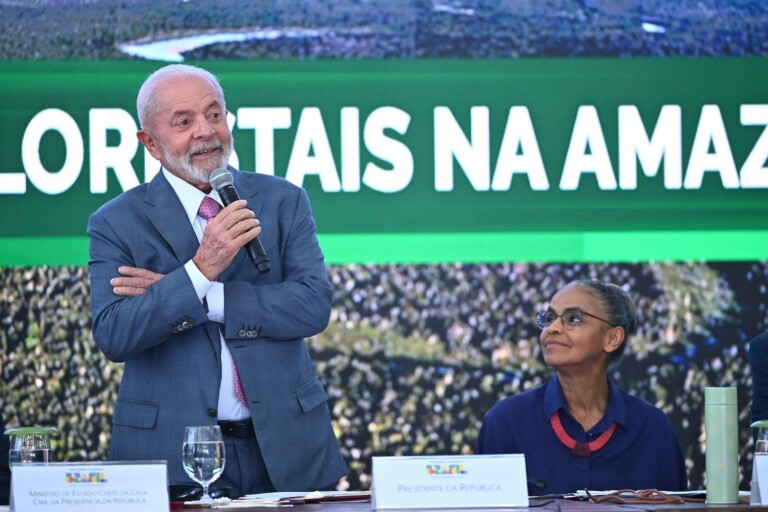
As delegates settle in for two weeks of intensive diplomacy in the Armenian capital, the core discussions are expected to crystallize around two major agenda items that have dominated recent international environmental politics. The first major focus is the global review, a comprehensive assessment process designed to evaluate collective progress toward the implementation of the Kunming-Montreal Global Biodiversity Framework and formulate concrete recommendations for accelerating global action before the decade runs out.
The second major flashpoint is finance, a perennial battleground in international environmental negotiations that can be broadly split into two distinct categories: resource mobilisation and the financial mechanism. Under resource mobilisation, nations from the biodiverse Global South are widely expected to push aggressively for a substantial increase in international public finance and support for domestic conservation efforts.
Deep divisions over the architecture of the financial mechanism itself nearly derailed the CBD process last year. Disagreements over how funding should be structured and governed directly led to the extraordinary suspension of COP16 in Cali, Colombia, in October 2024, after exhausted delegates failed to reach a consensus on international finance before the summit’s official closing gavel.
The crux of the financial divide rests on a structural disagreement between regions. Countries of the Global South have long advocated for the creation of a brand-new, separate financial mechanism operating directly under the authority and control of the CBD, arguing that existing structures are inadequate or overly bureaucratic. Conversely, industrialized countries of the Global North have largely favored maintaining the status quo, preferring to route conservation funding through the existing financial mechanism, which sits under the administration of the Global Environment Facility.
The deadlock was temporarily eased earlier this year. At the resumed session of COP16, which took place in Rome in early 2025, countries managed to forge a compromise by agreeing on a roadmap intended to lead toward the eventual establishment of a permanent financial mechanism. However, translating that high-level roadmap into concrete operational reality in Yerevan will test the diplomatic stamina of every delegation present. As the clock ticks down toward 2030, the delegates gathering in Armenia face the immense pressure of bridging deep political and financial divides to rescue a global nature framework that is currently in danger of missing its historic marks.