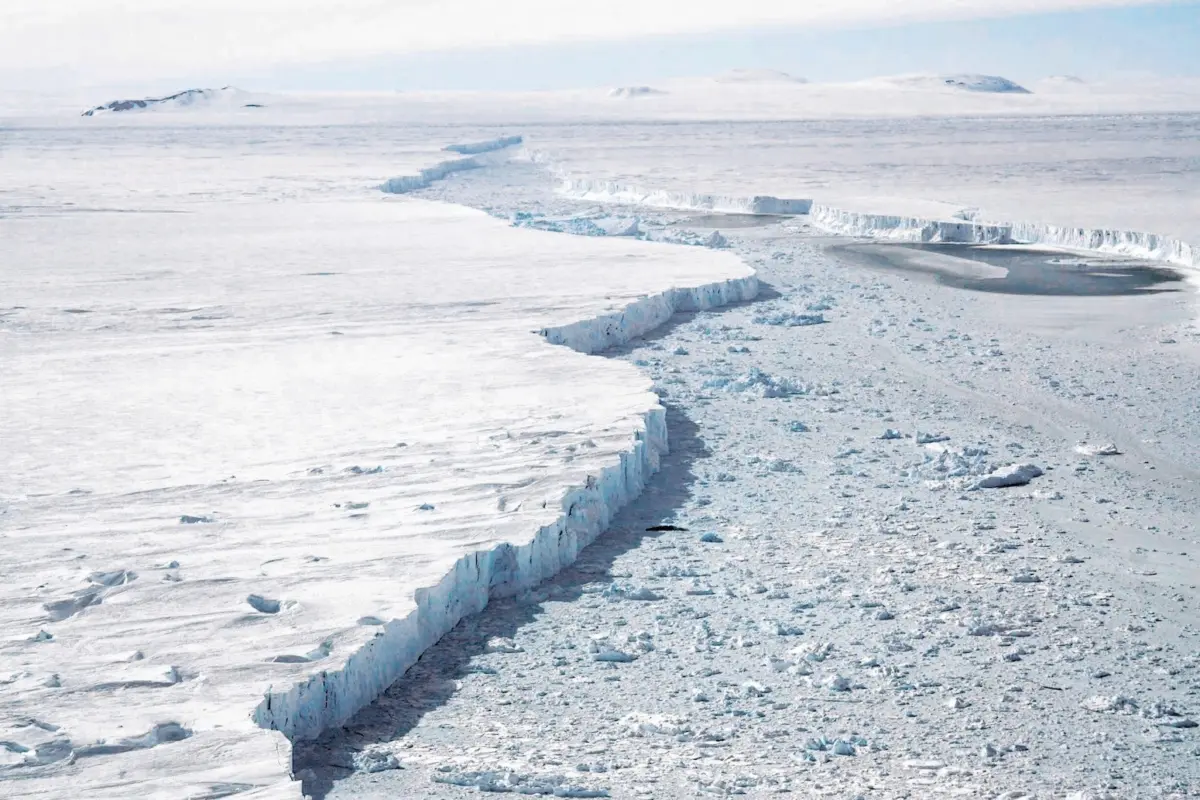
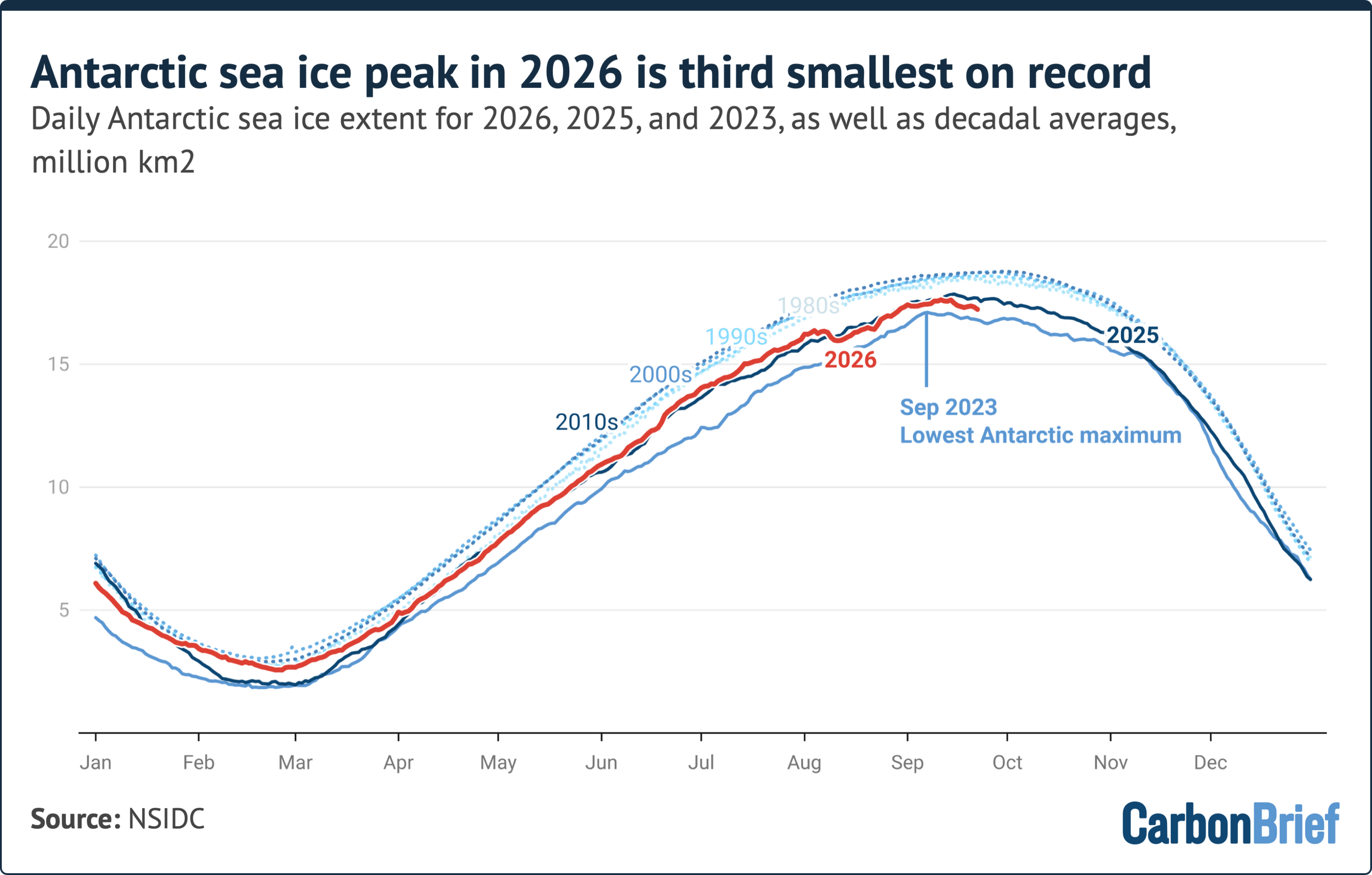
Antarctic sea ice has recorded its third-smallest winter peak extent since satellite observations began 48 years ago, according to new data that underscores ongoing scientific concern over changing conditions at both of Earth’s polar regions.
Provisional data released by the US National Snow and Ice Data Center (NSIDC) indicates that Antarctic sea ice reached its annual winter maximum on 14 September, covering an area of 17.59 million square kilometres. While the organisation noted that these figures remain preliminary, it emphasised that large fluctuations in extent are typical for Antarctic sea ice near its seasonal maximum. Nevertheless, polar researchers have expressed apprehension over the persistent lows, noting that continuous monitoring is required to determine whether these measurements signal a fundamental structural shift in the Southern Ocean’s ice cover.
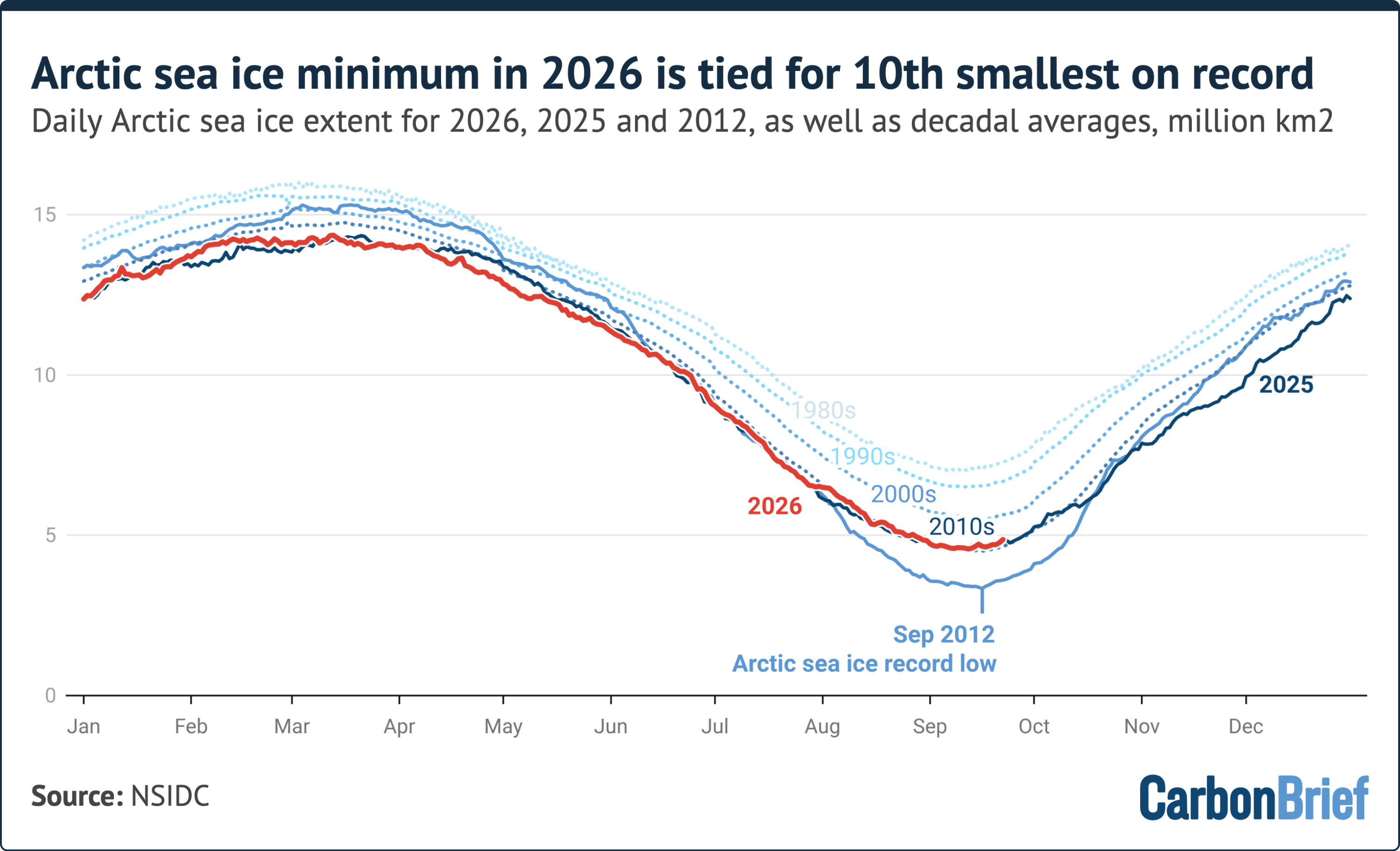
Meanwhile, at the opposite end of the planet, Arctic sea ice reached its annual summer minimum on 12 September. Ranking as the joint-tenth lowest in the 48-year satellite record, the Arctic minimum tied with observations from 2025, 2010, and 2008. The NSIDC highlights a stark long-term trend in the northern polar region, noting that the past 20 years have witnessed the twenty lowest Arctic sea ice extents ever recorded by satellites.
Southern Ocean Trends and Regional Variability
Dr Lettie Roach, a polar climate scientist at the Alfred Wegener Institute in Germany, pointed out that this year’s Antarctic sea ice maximum remained well below the seasonal average. Following several decades of relatively stable or even slightly increasing winter sea ice conditions in the Antarctic, she noted that it is deeply concerning to observe these low values persisting over consecutive years.
Unlike the Arctic, where long-term ice loss aligns more clearly with human-caused global warming, Dr Roach explained that teasing apart the contributions of anthropogenic climate change versus natural climate variability in the Antarctic remains complex. She stressed that scientists require several more years of continuous observation to understand whether the recent downturn represents a permanent structural shift in the region.
Dr Clare Eayrs, a postdoctoral researcher at the Korea Polar Research Institute (KOPRI), observed that after recording a near-average minimum in February, Antarctic sea ice quickly reverted to unusually low winter coverage. According to Eayrs, monthly extents for July and August ranked as the fifth and fourth lowest on record, respectively. She highlighted a striking clustering of extreme lows, noting that all five of the lowest July extents in the satellite record have occurred since 2022, while all four of the lowest August extents have been recorded since 2023.
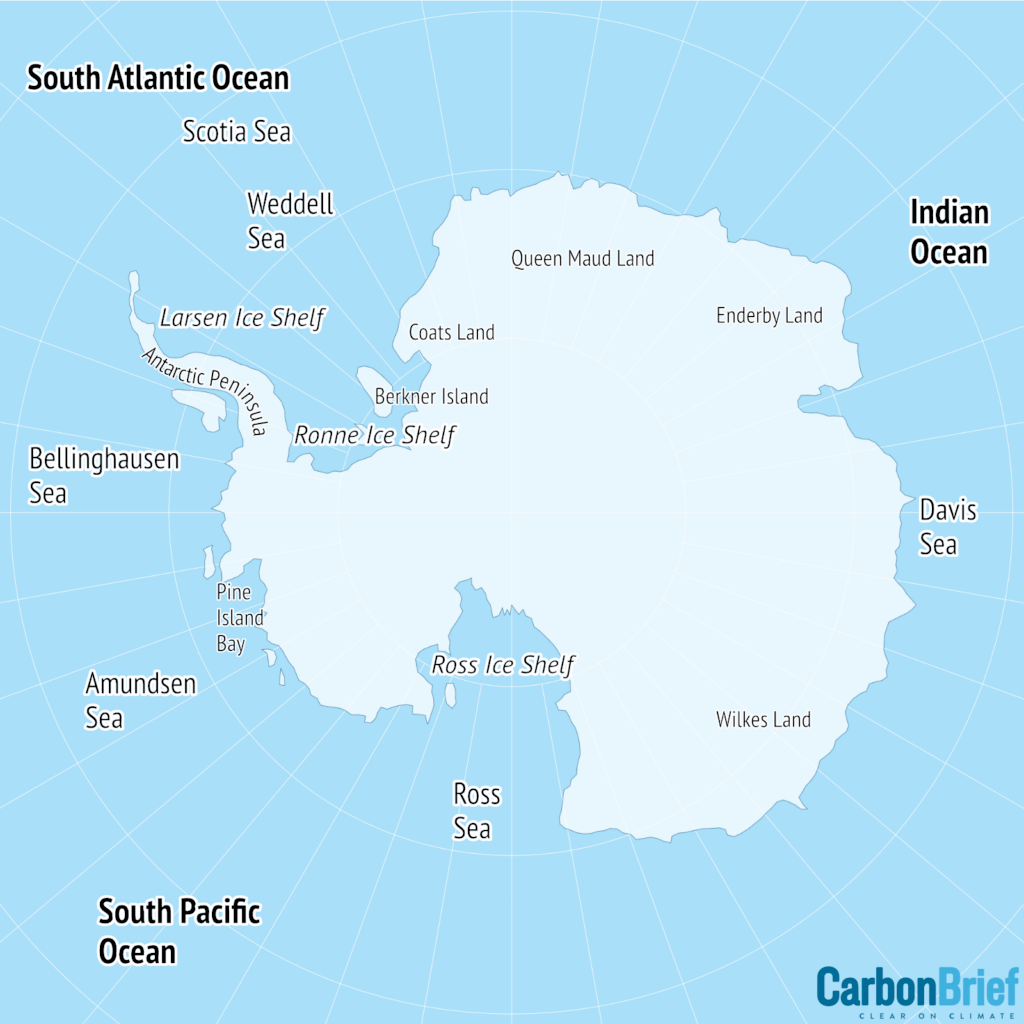
Beyond overall area measurements, researchers tracking the Southern Ocean noted significant regional shifts in ice distribution during the growth season. Eayrs explained that atmospheric pressure patterns and wind dynamics caused dramatic geographic disparities. In April, for example, the Bellingshausen Sea remained almost entirely ice-free, whereas the neighbouring Amundsen Sea accumulated more ice than usual. By late August, however, shifting weather patterns reversed those anomalies. The Bellingshausen deficit largely recovered, while ice became unusually scarce in the Amundsen Sea and across vast stretches of East Antarctica.
Arctic Minimum and Changing Northern Landscapes
In the Arctic, the summer melt season culminated on 12 September with an ice extent of 4.60 million square kilometres. While this year’s minimum did not break historical records, Dr Roach noted that it remains lower than any sea ice minimum observed prior to 2007. Decades of cumulative greenhouse gas emissions have systematically reduced Arctic sea ice cover and thickness, leaving the northern polar ecosystem fundamentally altered compared to a few decades ago.
The broader climatic context of the summer played a critical role in shaping the Arctic ice pack. Global temperatures reached record-breaking highs across much of the world in August, with elevated warmth stretching deep into Arctic coastal regions. These warm air masses converged closely with areas experiencing substantial sea ice loss, particularly the Barents-Kara and East Siberian seas.
Dr Zack Labe, a scientist at Climate Central, explained that the absence of a new record-low minimum this year should not be interpreted as an indication that the Arctic sea ice pack is becoming more resilient. Year-to-year variations in sea ice extent are heavily influenced by regional weather patterns, even as the multi-decadal trend points firmly downward.
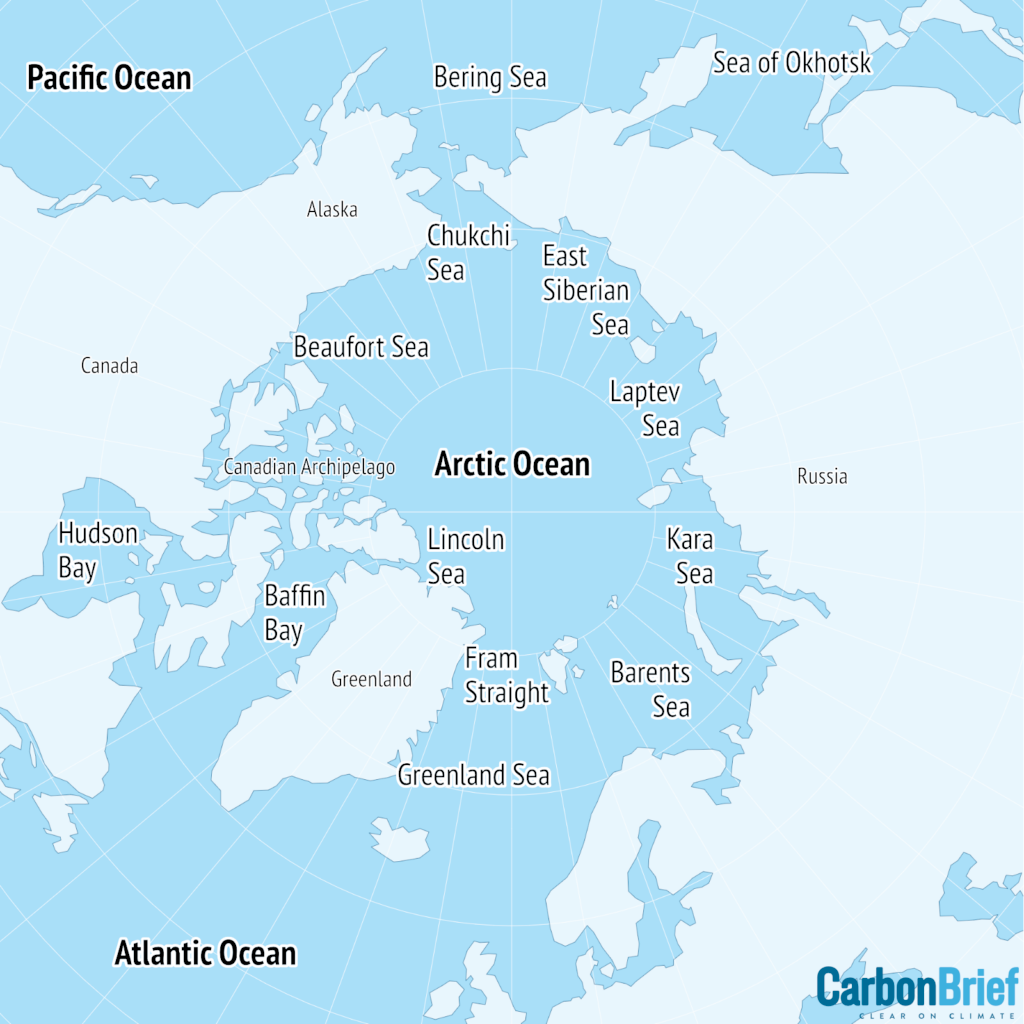
Labe noted that weather across the Arctic this summer was largely dictated by lower atmospheric pressure centred over the high north. This configuration generated cloudier and cooler conditions that suppressed surface melting and delayed the onset of the melt season. This meteorological influence was particularly pronounced across the Beaufort and Chukchi seas, where the melt season failed to begin in earnest until after early July—more than two weeks later than normal.
In contrast, the Atlantic sector of the Arctic endured a significantly more extreme summer. The Barents Sea experienced its earliest complete melt-out on record, driven by unusually persistent warm air and ocean temperatures. Western Siberia, for instance, recorded continuous temperatures more than 5 degrees Celsius above the 1981–2010 climatological average for much of the summer, a wave of heat that extended over the Kara Sea and accelerated local ice loss.

Compounding these observational challenges, researchers monitoring Arctic conditions face new institutional hurdles. In March, the National Oceanic and Atmospheric Administration (NOAA) terminated a critical global air pressure dataset that scientists relied upon to generate the Pan-Arctic Ice Ocean Modeling and Assimilation System (PIOMAS), a vital reanalysis tool used to track sea ice volume and thickness since 1979.
Operators of the PIOMAS project have stated that finding alternative data sources for their reanalysis models will require considerable time and financial resources, leaving the future timeline for resuming the timeseries uncertain. In light of such disruptions and the increasingly fragmented nature of the ice pack, scientists like Labe emphasise the growing necessity of collecting comprehensive metrics on ice thickness and volume to accurately gauge the health of Earth’s polar ice.