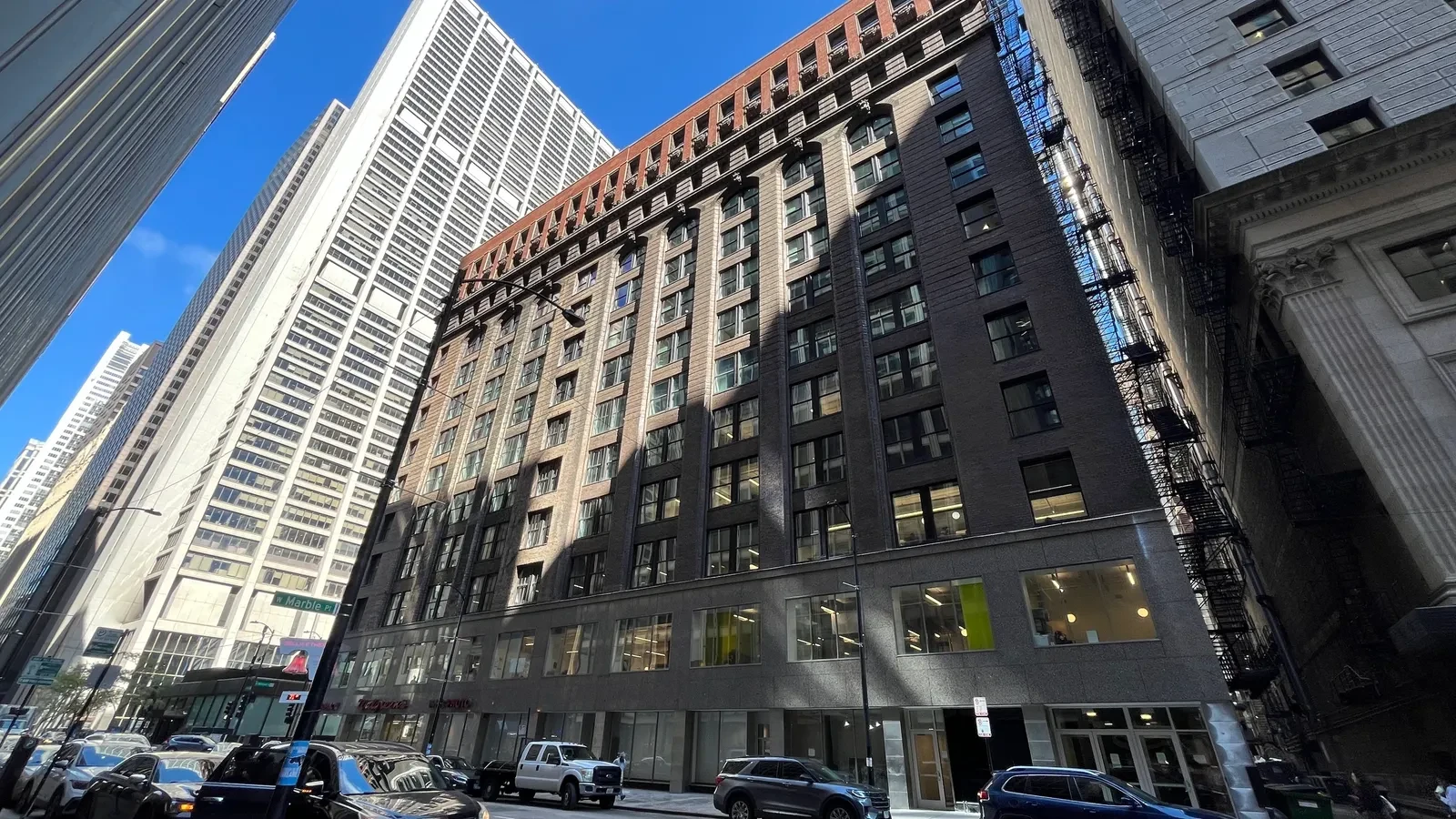
The project, which represents a crucial turning point for the city’s commercial core, breathes new life into the historic 14-story Rector building. Originally constructed over a century ago, the 121-year-old architectural landmark has been meticulously transformed from an underutilized corporate workspace into a vibrant residential community. Now officially christened as The Bellwether, the adaptive reuse development features 117 mixed-income residential units spanning 11 floors of what was once traditional office space.
The successful completion of The Bellwether is not merely an isolated real estate transaction; it serves as the vanguard for a broader municipal strategy aimed at redefining the character of downtown Chicago. City officials are heavily invested in changing the traditional paradigm of the central business district as a strictly 9-to-5 corporate zone, striving instead to foster a dynamic neighborhood where residents can seamlessly live, work, and play around the clock.
Financing for the ambitious transformation of the Rector building relied on a combination of public and private investment tools. The project secured $28 million in tax increment financing from the city of Chicago. Additionally, developers leveraged a historic landmark designation for the property, which unlocked approximately $7.8 million in federal tax credits. These financial mechanisms were essential in making the complex engineering and architectural feats of an office-to-residential conversion economically viable.

Crucially, the development addresses deep-seated housing needs within the community. Of the 117 total apartments created within the building, 41 units are formally earmarked as affordable housing. These residences are designated for households earning an average of 60% of the area median income, ensuring that downtown revitalization includes housing opportunities for working-class Chicagoans rather than exclusively catering to luxury renters.
The Bellwether stands as the pioneer project for the city’s Department of Planning and Development under the banner of the LaSalle Street Reimagined initiative. Municipal planners are actively eyeing several other office conversion projects under this same umbrella, with a collective goal of introducing 1,765 mixed-income housing units to the LaSalle Street corridor and its immediate surroundings.

Ciere Boatright, commissioner of the Department of Planning and Development, emphasized the significance of the project during the ribbon-cutting ceremony. She noted that The Bellwether acts as the vanguard for downtown office conversions that are actively reimagining what it means to live, work, and play in the heart of Chicago.
This municipal push arrives at a critical juncture for the city, intersecting with severe affordable housing shortages and record-high office vacancy rates across downtown. According to municipal data and urban policy reports, Chicago faces a staggering deficit in affordable housing inventory, with more than half of the city’s residents considered cost-burdened—meaning they spend upwards of 30% of their total household income strictly on rent and utility costs. Simultaneously, the commercial real estate market has grappled with historically high vacancy rates as corporate tenants downsize or adopt permanent hybrid and remote work models in the wake of the global COVID-19 pandemic.
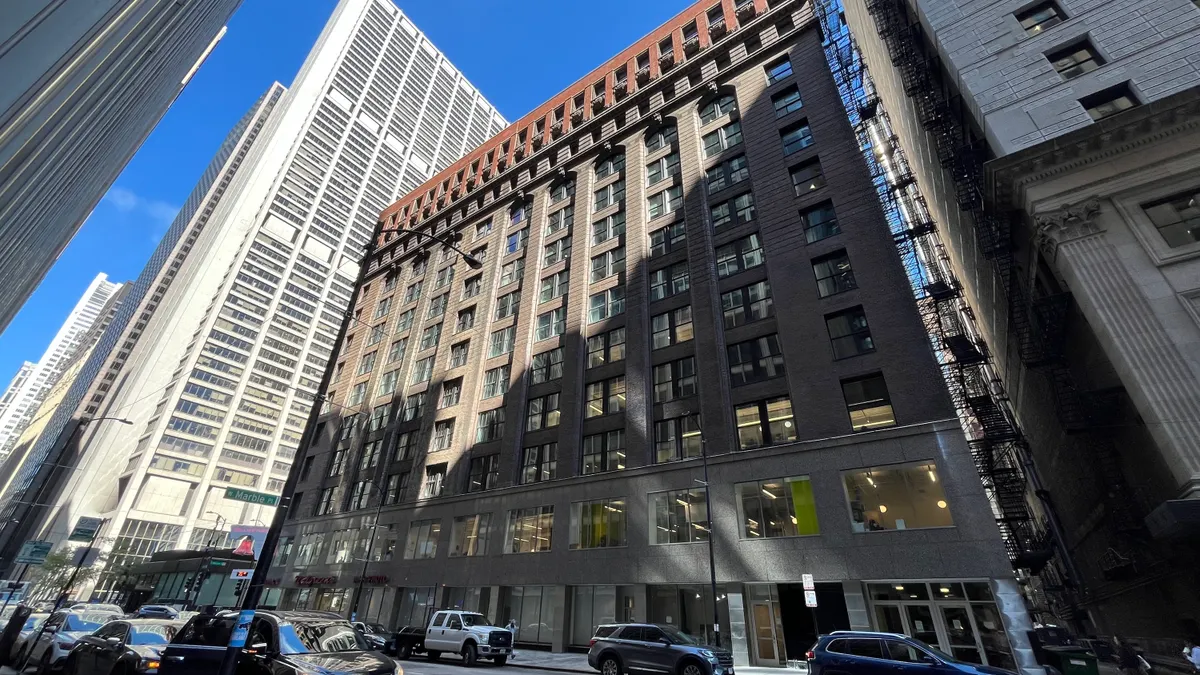
As working habits and corporate footprints continue to evolve in the post-pandemic era, adaptive reuse projects targeting obsolete office buildings are experiencing a massive surge in popularity across major metropolitan areas throughout the United States. Municipalities from coast to coast are recognizing that converting vacant commercial towers into residential spaces can simultaneously solve downtown economic decline and alleviate housing crunches. According to tracking data from RentCafe, New York City and Washington, D.C., are currently leading the nation in the volume of office-to-apartment conversions, while Chicago’s aggressive policy initiatives and private market responses rank it firmly in third place nationwide.
Beyond the city-backed initiatives spearheaded by the LaSalle Street Reimagined program, Chicago’s private sector is moving independently to capitalize on the adaptive reuse trend. Independent developers have nearly two dozen private office-to-residential conversion projects currently in the pipeline across the downtown area. When completed, these private ventures are expected to generate nearly 4,000 additional new residential units, fundamentally altering the demographic and economic makeup of the city center.
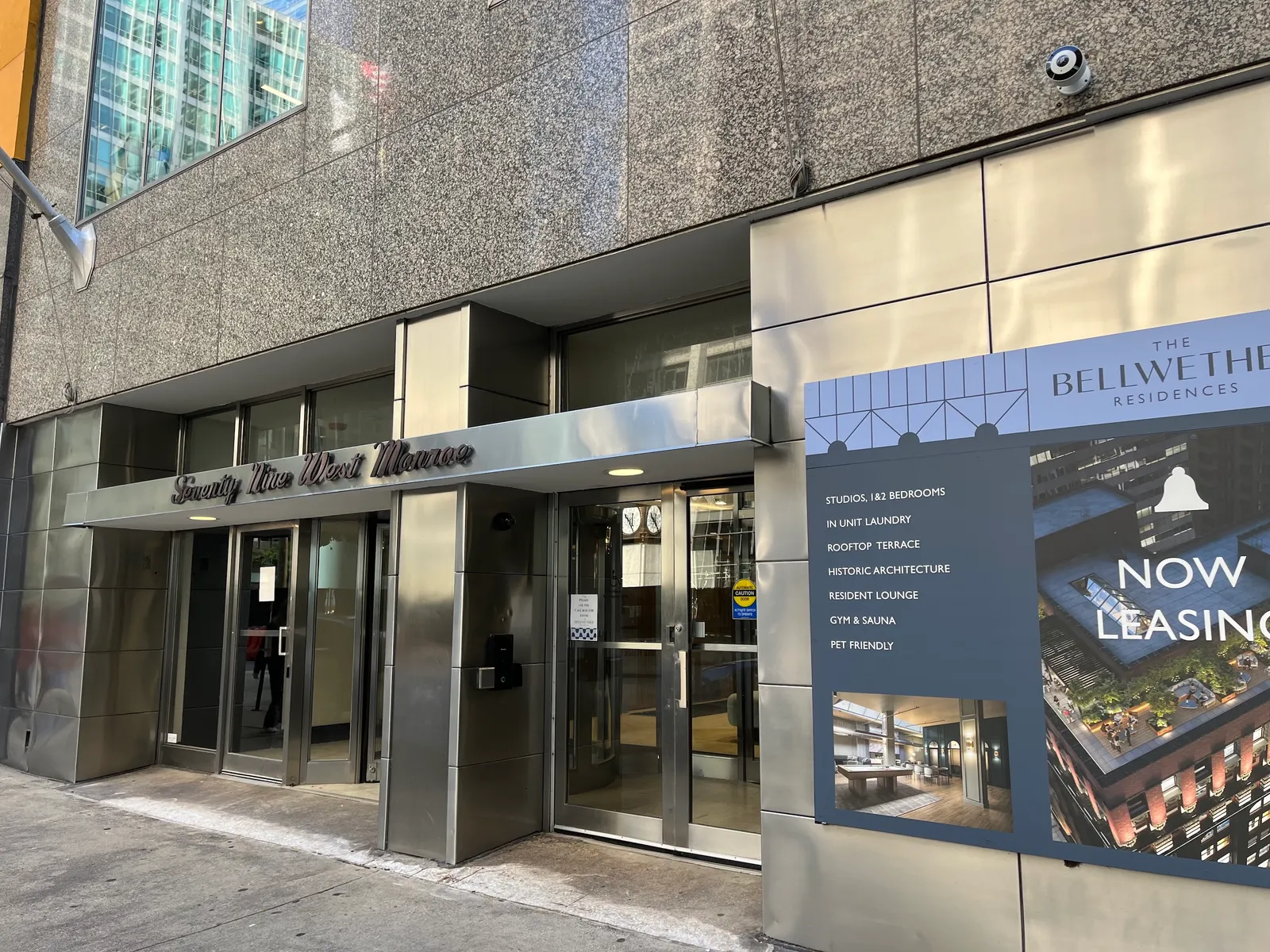
The physical transformation of the Rector building preserves architectural elements of the past while outfitting the interior for modern urban living. Among its most distinct historic features is the iconic weather bell sign hanging from the exterior facade at 79 West Monroe Street, a nostalgic nod to the building’s storied past that inspired its new moniker. Inside, the conversion required sophisticated mechanical, electrical, and plumbing overhauls to transition floor plates designed for cubicles and private executive suites into functional apartments equipped with modern kitchens, natural lighting, and residential amenities.
Gary Stoltz, a partner with R2, the development firm behind The Bellwether, reflected on the broader implications of completing the project. He stated that the successful opening demonstrates precisely what becomes possible when civic and private stakeholders examine Chicago’s historic downtown assets with fresh eyes and commit financial resources toward their next chapters. Stoltz added that the project strongly reflects the development team’s underlying belief that the long-term future of the Loop will be defined by a vibrant, dynamic mix of people who actively choose to live, work, and spend their time in the heart of the city.