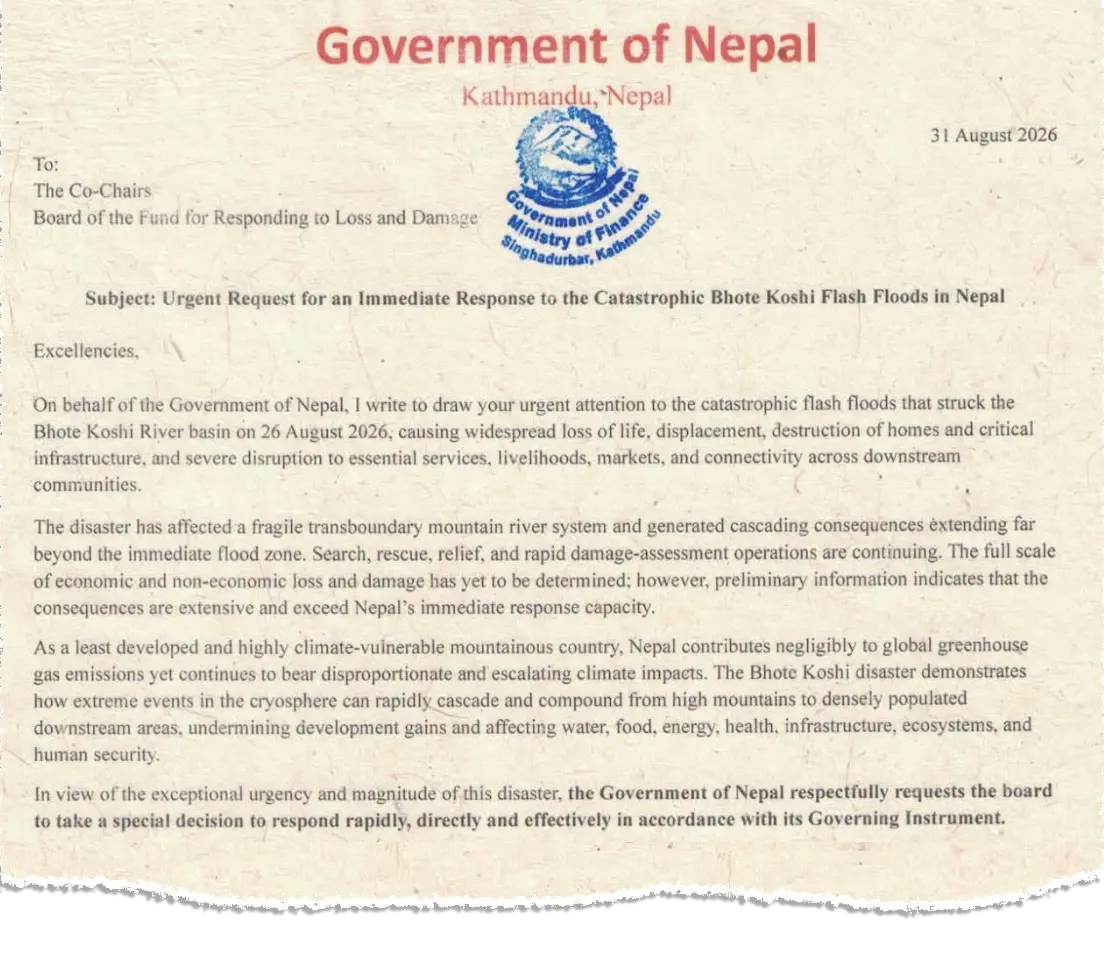
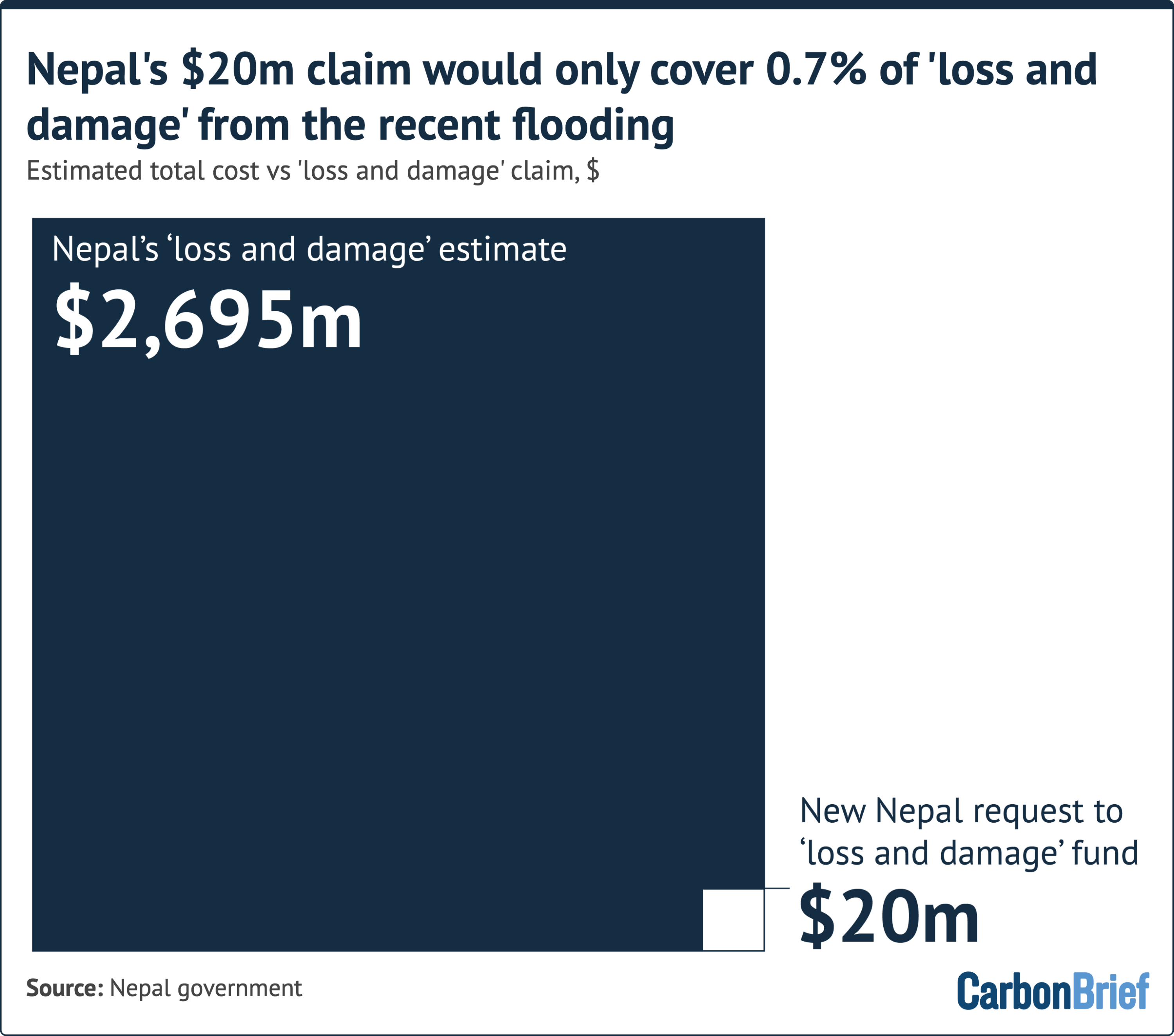
The Nepali government has formally requested $20m from the United Nations loss and damage fund in the wake of the catastrophic floods that ravaged the Himalayan nation in late August. According to Carbon Brief analysis, this requested sum amounts to a mere 0.7 percent of the $2.7bn that authorities have estimated in direct physical damage to local infrastructure and wider economic losses resulting from the disaster.
Despite representing a fraction of the total economic toll, the $20m request would make Nepal the fourth-largest claimant to the UN-backed fund, which was established specifically to help vulnerable developing nations deal with climate-related disasters. Across the globe, developing countries have already submitted 176 applications to the UN loss-and-damage fund, requesting a combined total of $2.8bn to help communities recover from damaging environmental events such as prolonged droughts, severe storms, and catastrophic floods.
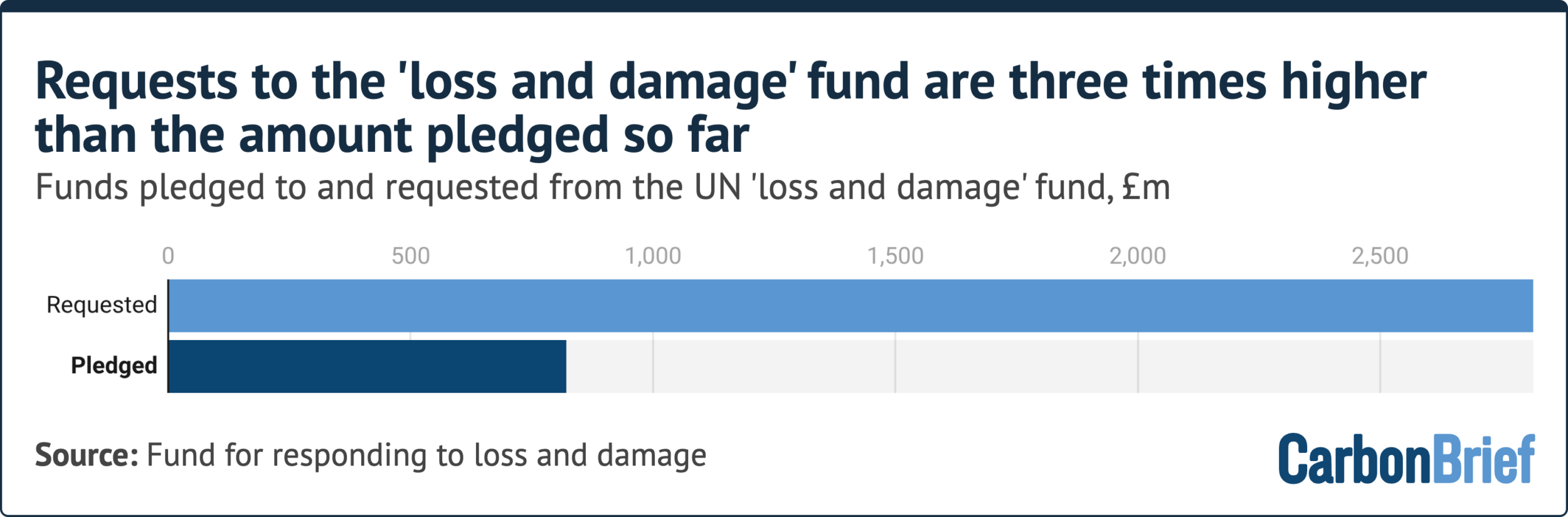
However, predominantly developed nations have collectively pledged only $800m to support the fund so far. This stark disparity means that total funding requests are already three times larger than the money pledged by donor countries, raising serious questions among experts and diplomats regarding the financial mechanism’s long-term viability and its potential to effectively respond to major humanitarian emergencies. Compounding the issue, no money has actually been paid out of the fund to developing nations grappling with intensifying and more frequent climate change-induced disasters since the mechanism was created at the COP28 climate summit in Dubai in 2023.
Nepal’s Needs and the Scale of Destruction
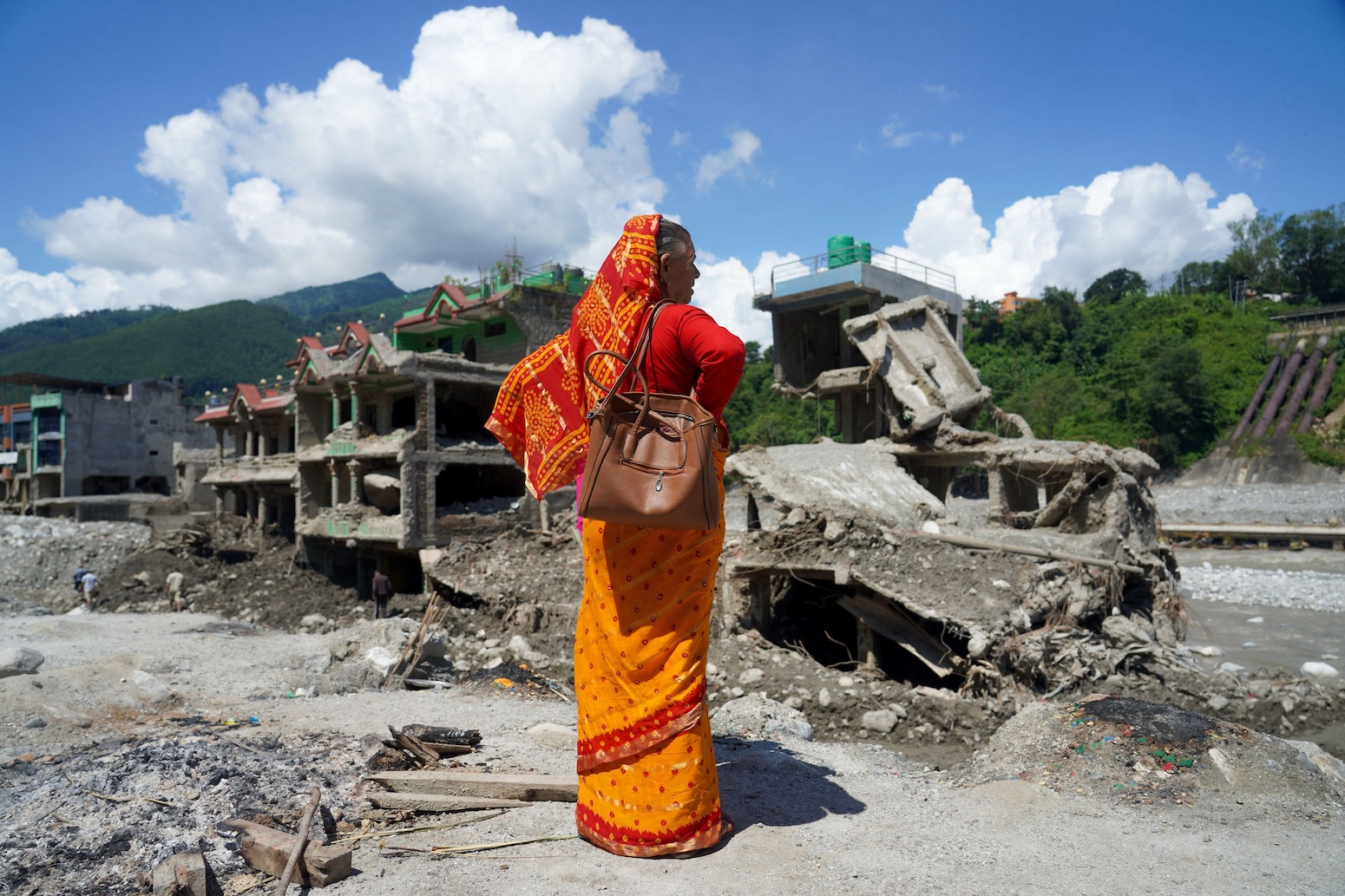
On August 26, Nepal was struck by sudden and violent flash floods triggered by a catastrophic rock-ice avalanche in the fragile Himalayan border region. The ensuing disaster has claimed the lives of more than 1,400 people, while thousands remain missing weeks after the floodwaters tore through communities, sweeping away homes, bridges, and agricultural land.
In the immediate aftermath of the tragedy, the Nepali government sought an urgent response from the board of the UN fund for climate-driven loss and damage. It subsequently submitted an official request for $20m in financial compensation, which represents the maximum amount that can currently be requested for a single project under the fund’s operational rules.
"Loss and damage" is a formal diplomatic term used within international climate negotiations to describe how global heating is causing severe and, in many cases, irreversible impacts around vulnerable regions of the world. Developing nations fought for decades to establish the specialized fund, finally securing a breakthrough agreement in 2023.
Following the August disaster, Nepal’s national disaster management authority released an extensive rapid preliminary assessment detailing the staggering scope of damage and community needs. The data reveals that Nepal’s $20m loss-and-damage claim will cover only 0.7 percent of what local authorities describe as $2.7bn in total damage and direct losses from the floods. When factoring in an additional $4.8bn required for long-term recovery and reconstruction costs—which forms part of how loss and damage is internationally defined under frameworks like the Sendai Framework for Disaster Risk Reduction—Nepal’s $20m claim shrinks to just 0.3 percent of its overall estimated needs.
Reacting to these figures, Nepal’s climate negotiator Raju Pandit Chhetri noted that the country’s $20m request was strictly meant for rapid response, emphasizing that the sum would be entirely inadequate if invested into the massive rebuilding effort required across the country.
Growing Gap Between Requests and Pledges
Vulnerable developing countries have long argued that wealthy developed nations bear historical responsibility for greenhouse gas emissions and should therefore be held financially liable for climate-related loss and damage. In contrast, major historical emitters like the United States have consistently blocked moves that could establish formal legal liability or compensation mandates.
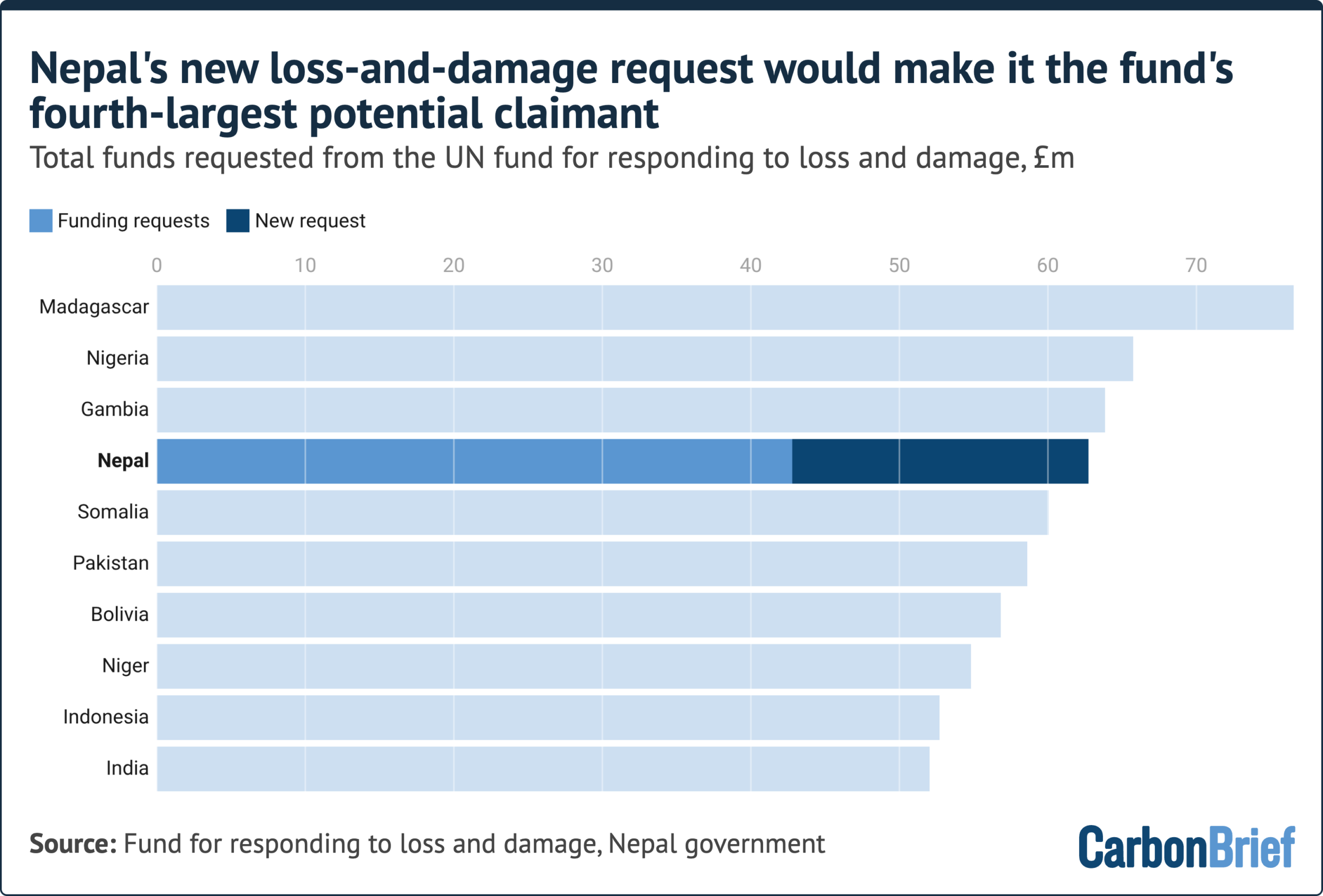
Between December 2025 and July 2026, developing countries rushed to submit 176 formal applications to the loss-and-damage fund, requesting well over $2.8bn in financial assistance. Meanwhile, predominantly wealthy nations have pledged a combined total of $822m. While a handful of countries not formally categorized as developed under UN definitions, such as the United Arab Emirates and South Korea, have also contributed, the overall funding gap remains immense. Funding requests from developing countries are currently more than triple what donor nations have promised.
Furthermore, administrative data shows that only around half of the money pledged by donor nations has actually been paid into the trust administered by the World Bank. Significant financial commitments made by countries such as France, Italy, and the UAE remain outstanding.
The fund made $342m available during its initial funding round in July 2026. Yet, as September progressed, not a single penny from the fund had been distributed to any country facing active climate-related emergencies. According to Carbon Brief’s analysis of the 176 requests received from 118 countries, more than 60 percent originate from least developed countries like Nepal and vulnerable small-island developing states. Because individual funding requests are currently capped at $20m, nations suffering billions of dollars in losses are forced to target only a tiny fraction of their overall recovery needs.
Nepal’s catastrophic flooding represents its fourth formal appeal to the fund, placing the nation among the most frequent applicants alongside countries like Madagascar, which has submitted six separate requests after being battered by back-to-back cyclones following prolonged droughts. Other nations, including Suriname, Ecuador, Brazil, and Barbados, have similarly marked their funding applications as urgent emergency responses to severe environmental shocks.
The Test for Rapid Response
Nepal’s high-profile $20m claim has ignited a broader global debate concerning climate justice and the operational capacity of the loss-and-damage fund to deliver timely relief during fast-moving extreme weather events.
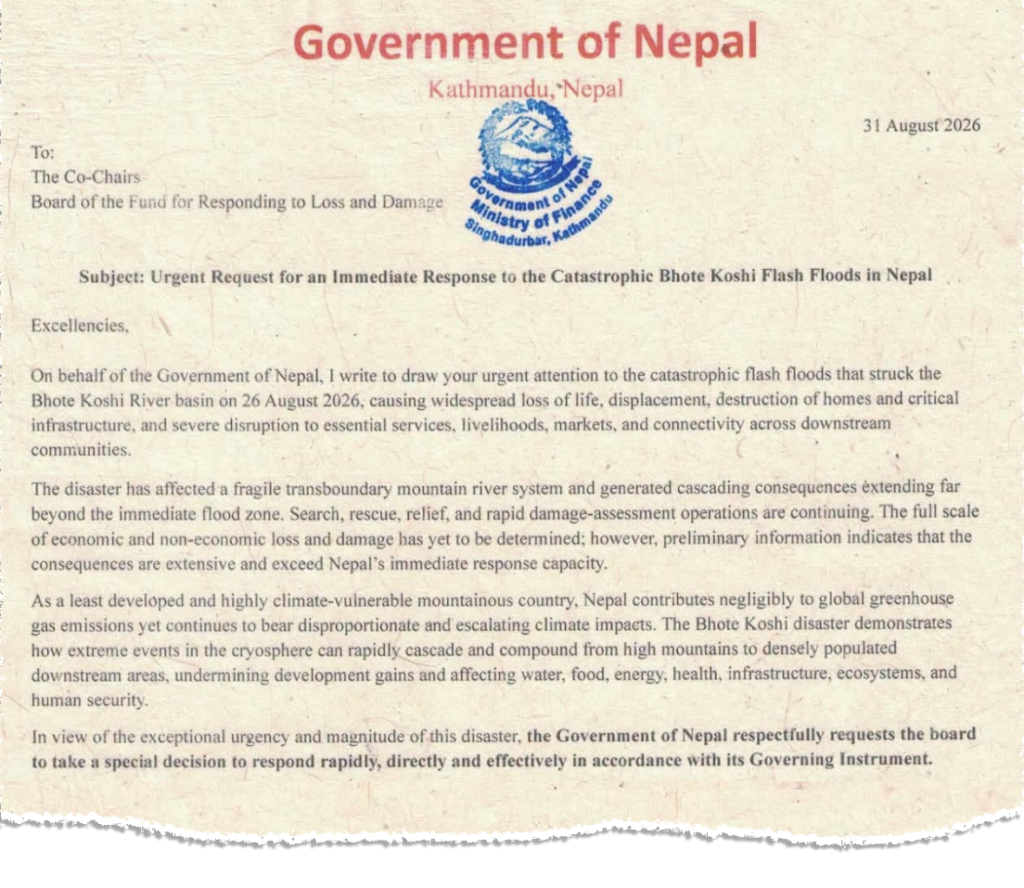
In a formal letter sent five days after the catastrophe, Nepal’s Finance Minister Dr. Swarnim Wagle appealed directly to the fund’s board, urging them to mobilize an urgent response that would demonstrate the mechanism’s capability to act with humanity, speed, flexibility, and solidarity when climate-vulnerable nations face overwhelming crises. Board members representing developing countries across the Asia-Pacific region and Africa quickly rallied behind Nepal, writing their own letter urging the board to convene and establish a provisional set-aside allocation for rapid response funding. They argued that how the board handles Nepal’s case could provide vital procedural lessons for managing sudden-onset disasters—a core part of the fund’s official mandate.
However, developed-country members of the board responded with caution. While expressing support for holding consultations on Nepal’s situation during mid-September discussions, they made no firm commitments regarding actual emergency disbursements.
Harjeet Singh, a prominent loss-and-damage expert and global convenor of the Fill the Fund campaign, criticized the response from wealthy donor nations. He noted that the fund’s board routinely treats applications as standard, long-term development projects rather than genuine humanitarian emergencies. Developed countries have given a cold response to Nepal, Singh warned, because they fear setting a precedent that will place them under constant financial pressure from future climate disasters.
As diplomatic efforts continue, Nepal is looking to bolster its case through scientific attribution. A rapid attribution study conducted by World Weather Attribution and independent climate experts has linked factors such as rapid glacial retreat and permafrost thawing in the Himalayas directly to human-driven climate change, with a more comprehensive scientific study currently pending.
Nepali Prime Minister Balendra Shah is scheduled to address the United Nations General Assembly, where he is widely expected to center his remarks on climate justice, loss and damage, and the acute vulnerabilities facing high-mountain nations.
The next official board meeting of the loss and damage fund is scheduled for December 15, arriving just two weeks after the conclusion of the COP31 climate summit in Turkey. For Nepali climate negotiators like Raju Pandit Chhetri, the weeks of waiting without financial assurance have underscored the precarious nature of the global financial architecture. Calling it a profound shame that the fund has yet to disburse a single penny to developing nations, Chhetri emphasized that if the mechanism cannot respond rapidly to a catastrophic crisis in a poor, highly vulnerable country like Nepal, its ultimate utility to the international community will be called into serious question.