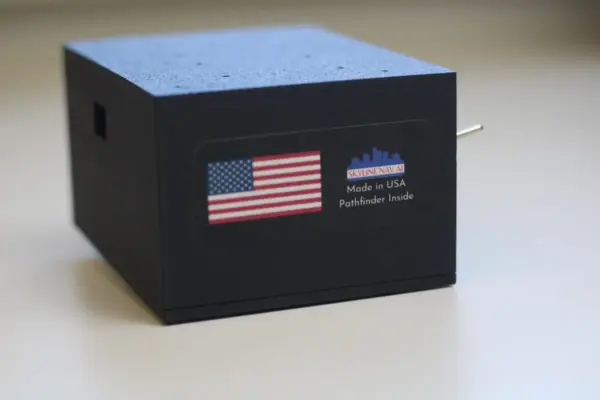
The landscape of uncrewed aerial systems is undergoing a fundamental transformation, moving away from isolated hardware deployments toward fully integrated operational ecosystems. In a significant step toward realizing this vision for the United States market, a new international collaboration has officially taken shape, bringing together infrastructure, software, and commercial integration expertise from both sides of the Atlantic.
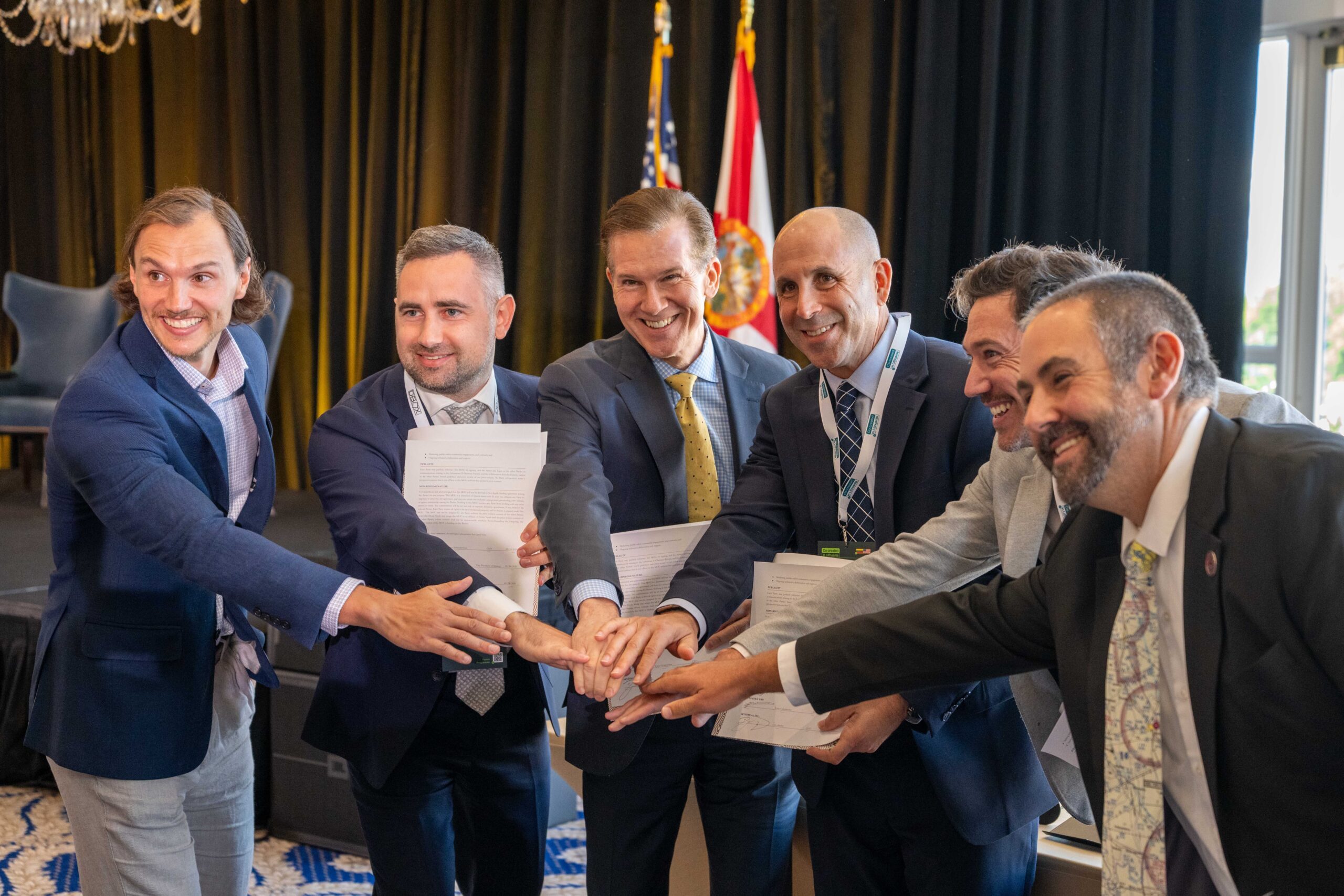
During the Lithuania-U.S. Business Forum held in Miami, prominent industry players SkyfireAI and Lithuania-based DBOX signed a formal Memorandum of Understanding (MOU). The high-profile signing ceremony took place in the presence of Lithuanian President Gitanas Nausėda, underscoring the international significance of the partnership. The cooperative effort was catalyzed by XTI Aerospace and its subsidiary, Drone Nerds, which helped bring the participating companies together to forge a unified path forward for scalable autonomous operations.
The newly formed coalition aims to combine autonomous drone infrastructure, advanced mission-control software, specialized aircraft, and deep operational expertise into a single, cohesive deployment model. The allied companies have announced plans to demonstrate their fully integrated solution during the fourth quarter of 2026, marking a critical milestone in their collaborative timeline.
Dr. Linas Gelažanskas, CEO of UAB IT logika, highlighted the strategic imperative behind the alliance. Reflecting on the evolving market, he noted that the industry recognized an immediate opportunity to unite companies possessing complementary technologies and expertise to address the future trajectory of autonomous drone operations. According to Gelažanskas, the collaboration successfully brings these vital capabilities together with an uncompromising focus on integration, commercialization, and practical, real-world deployment specifically tailored for the U.S. market.
Building an Integrated Autonomous Drone System
The formation of this partnership mirrors a broader, industry-wide shift in how organizations conceptualize and utilize autonomous drone operations. For years, the deployment of uncrewed aerial vehicles was often treated as a localized exercise centered primarily on procuring an individual aircraft and a corresponding docking station. However, as the sector matures and operational demands intensify, organizations are finding that remote and autonomous missions require a complex array of diverse technologies to function seamlessly in unison.
True scalability in the modern airspace relies heavily on an intricate web of components working in concert. These essential elements include the aircraft themselves, robust docking infrastructure, sophisticated mission-control software, redundant safety systems, and comprehensive airspace management tools. Furthermore, navigating complex regulatory approvals and ensuring thorough operator training remain critical pillars for any successful, long-term deployment strategy.
Each participant in the newly formed coalition brings a distinct, highly specialized set of capabilities to the table. SkyfireAI contributes advanced mission-control, autonomy, and multi-aircraft orchestration technology to the collective project. The U.S.-based company has established a proven track record supporting demanding use cases such as Drone as First Responder (DFR) initiatives, Beyond Visual Line of Sight (BVLOS) missions, and complex remote drone operations where precision and reliability are paramount.
On the infrastructure side, DBOX provides state-of-the-art autonomous docking stations designed to withstand rigorous operational environments. The underlying platform utilized for these remote and autonomous operations was developed by Lithuanian technology company IT Logika. The platform’s versatile applications span critical sectors, including public safety, national and corporate security, smart city management, and the protection of vital critical infrastructure.
Meanwhile, XTI Aerospace and Drone Nerds will assume responsibility for steering the initiative within the United States. Together, they will provide essential program leadership, seamless technological integration, and comprehensive commercial support to ensure the initiative translates effectively into domestic market opportunities.
Don Mathis, CEO of SkyfireAI, emphasized the philosophy driving the coalition. He asserted that the next generation of autonomous response will not be defined by a single drone or an isolated docking station, but rather by how intelligently the entire system works together as a unified whole. Mathis noted that XTI Aerospace and Drone Nerds recognized a unique opportunity to unite companies with diverse strengths around that shared vision, successfully combining the aircraft, infrastructure, intelligence, and operational expertise necessary to turn theoretical autonomy into a practical reality that organizations can reliably deploy and scale.

From Integration to Deployment
With the MOU now officially signed, the coalition’s immediate focus will center on rigorous integration, technical testing, the refinement of safety systems, and navigating the necessary regulatory pathways. Additionally, structured operator training programs and commercialization strategies will form core pillars of the joint effort.
The stated overarching goal of the partnership is to streamline autonomous drone operations, making them significantly easier for end-users to deploy and manage at a much greater scale than previously possible. While the MOU currently represents an agreement to continue intensive technical and commercial discussions rather than a completed, turn-key deployment, that foundational work is now transitioning directly into active integration and testing phases ahead of the anticipated fourth-quarter demonstration in 2026.
For public safety agencies, emergency services, and other mission-critical operators, this collaborative venture underscores a rapidly growing industry consensus. As remote and BVLOS operations continue to expand across the commercial and governmental sectors, successful deployment is increasingly dependent on the ability to bridge the gaps between aircraft, automated docks, software platforms, and human operational workflows into a single, reliable working system.