As organizations worldwide race to capitalize on the transformative potential of artificial intelligence, many find themselves hindered by a surprisingly fundamental hurdle long before they ever select a machine learning model. The primary obstacle is rarely the technology itself; rather, it is the complex, time-consuming challenge of connecting advanced AI systems to clean, reliable, and context-rich data. To address this persistent enterprise bottleneck, data integrity specialist Precisely has announced the launch of Precisely AI Studio, a new environment designed to streamline how organizations transition from AI curiosity to tangible, production-ready results.

Unveiled as a builder-first entry point that works alongside the upcoming Precisely Platform, AI Studio offers a curated collection of ready-made applications, intelligent agents, and specialized skills. The platform is engineered to allow data professionals to explore real-world use cases without extensive upfront setup, complex technical integrations, or lengthy implementation cycles. According to early validations by the company’s internal product quality engineering teams, new users can sign up, navigate the interface, and connect via the Model Context Protocol in less than five minutes, achieving immediate results on live datasets.
Bridging the Gap for Data Professionals
AI Studio is tailored specifically for the individuals who design and build data infrastructure and artificial intelligence solutions, including data analysts, data scientists, engineers, machine learning specialists, and software developers. Rather than requiring prolonged sales consultations or heavy infrastructure deployments, the platform utilizes a frictionless sign-up model. Users can immediately launch sample applications and autonomous agents to test how live data management capabilities operate in practice.
Every asset available within AI Studio operates on live Precisely data capabilities and is pre-connected through the Model Context Protocol, ensuring that experimental workflows directly mirror production environments. Once developers and analysts validate an agent or skill within the studio interface, they can download the assets for deployment within their existing integrated development environments, preferred models, or internal software applications. The onboarding process is designed to be streamlined, prompting users for basic details and role-specific information to tailor the asset catalog to their specific industry and data challenges.
Tackling Hidden Costs Through Data Quality
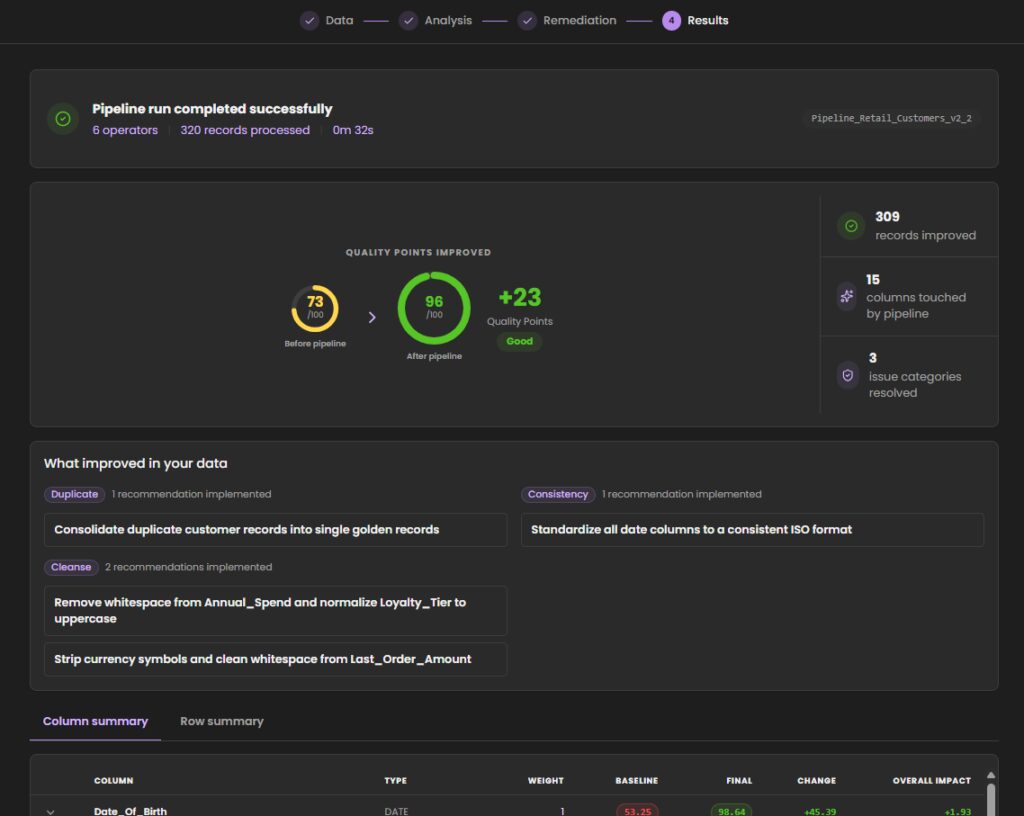
Among the foundational offerings within the initial release is an application titled Data Quality Boost, designed to combat persistent data discrepancies that quietly drain corporate revenue and distort analytics. Real-world enterprise datasets frequently suffer from duplicate records and inconsistent formatting across critical fields such as dates, currencies, and electronic mail addresses.
Such inconsistencies can have severe operational consequences. For instance, a multinational retailer utilizing standard United States date formats on a consumer-facing storefront while an overseas third-party logistics warehouse relies on international formatting standards risks severe misinterpretations of transit orders. These discrepancies can trigger costly fulfillment delays, inventory discrepancies, and ultimately lost revenue. Furthermore, unaddressed formatting flaws heavily compromise business intelligence reporting and degrade the performance of downstream artificial intelligence initiatives.
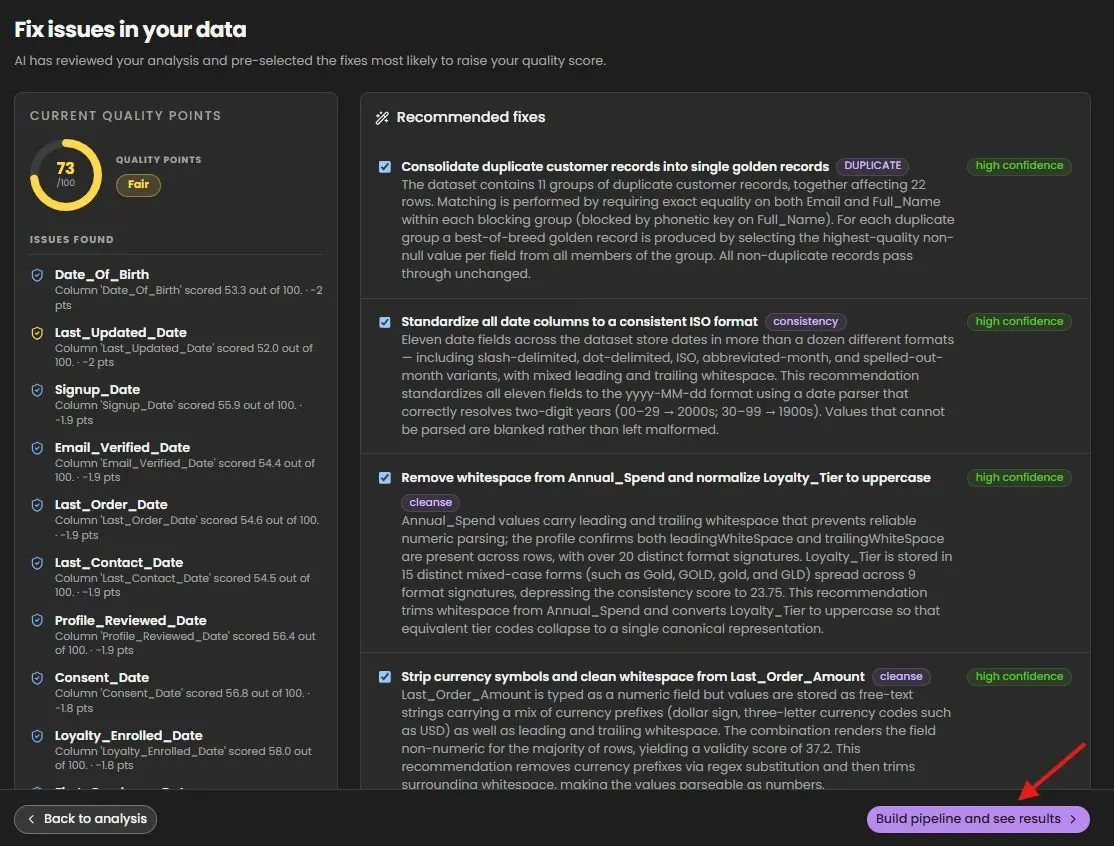
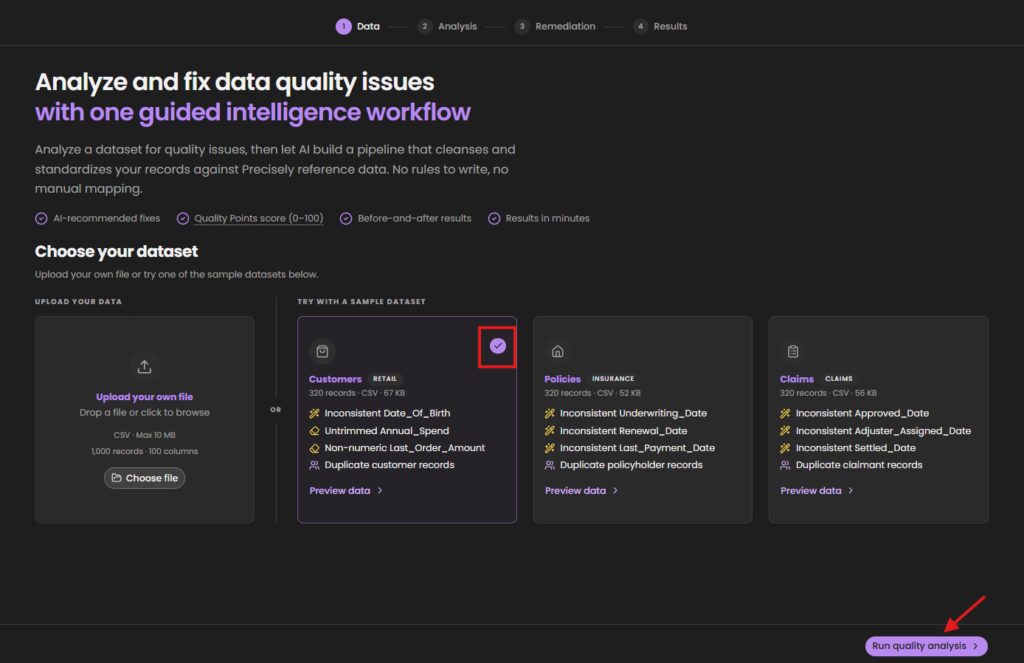
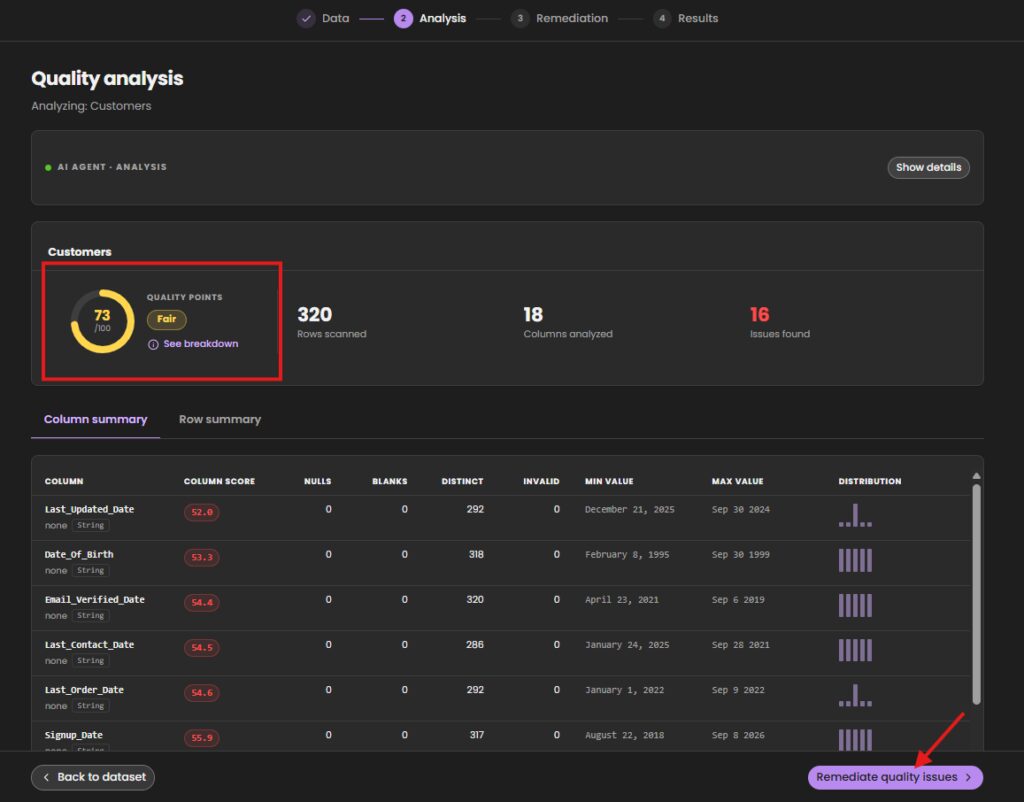
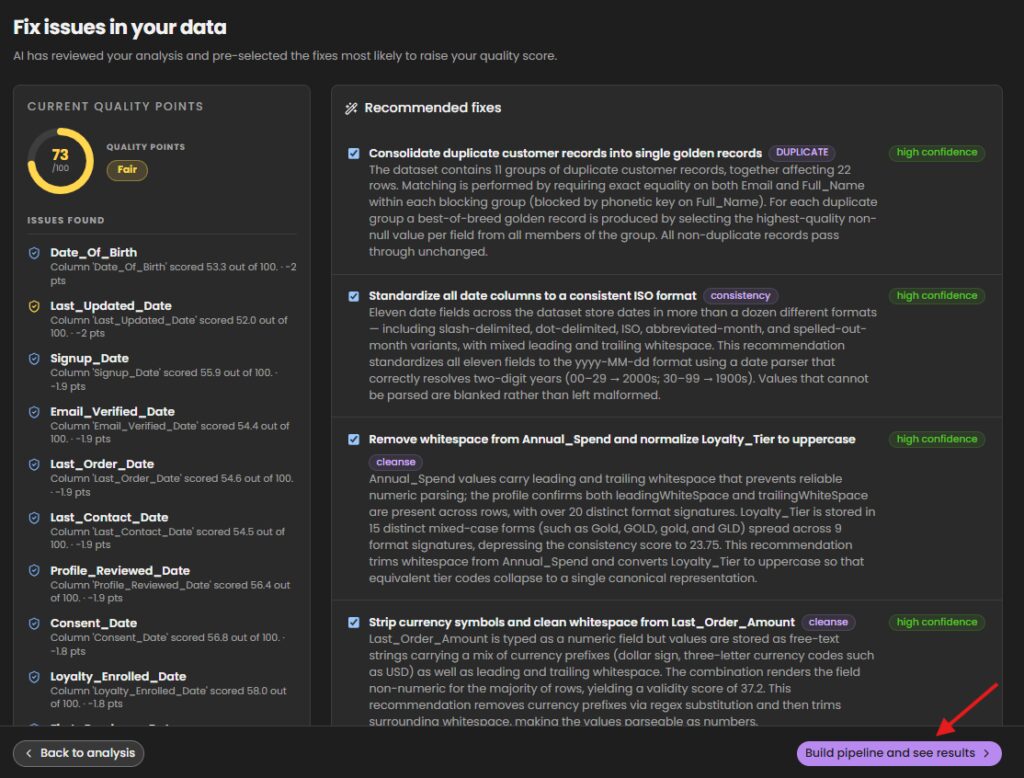
Data Quality Boost allows organizations to address these vulnerabilities by uploading proprietary comma-separated values files or leveraging pre-loaded sample datasets. The application profiles information across multiple metrics within minutes, generating an AI-narrated data quality score alongside targeted remediation recommendations. In internal testing benchmarks, sample datasets frequently saw significant improvements in their overall quality metrics in under five minutes. These enhancements are achieved by standardizing structural elements like temporal and monetary formats while systematically consolidating duplicate entries to establish a single, trusted source of truth for every record.
Unlocking Location Intelligence and Property Context
Beyond cleaning foundational metrics, enterprise applications frequently require rich contextual data to drive automated decision-making. A standard database entry containing merely a physical street address provides basic geographic coordinates, but fails to supply the surrounding context necessary for rigorous risk assessment or commercial evaluation.
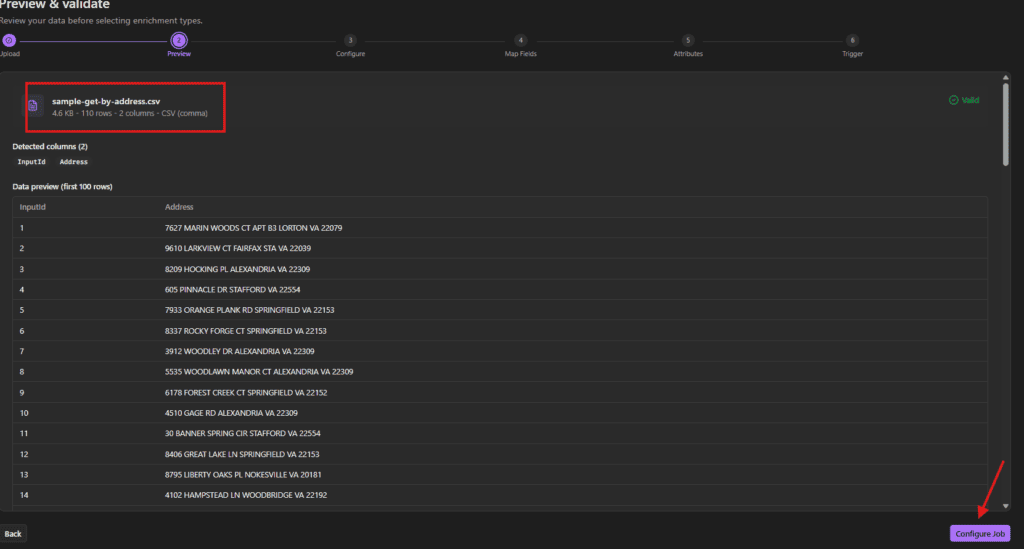
To solve this, AI Studio includes specialized solutions like the Property Analyzer application, which transforms raw American addresses into comprehensive property assessments. By synthesizing address verification, spatial geocoding, risk scoring, and detailed property intelligence behind the scenes, the application generates a business-ready evaluation for professionals operating in the insurance, lending, and real estate investment sectors. Rather than manually navigating disparate geospatial services, users receive an integrated assessment designed to inform immediate risk management and financial decisions.
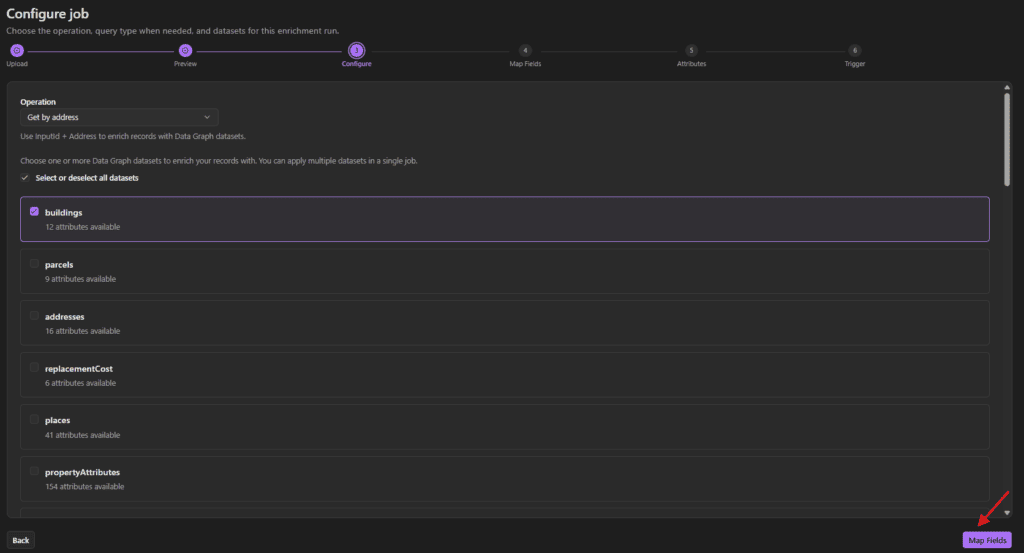
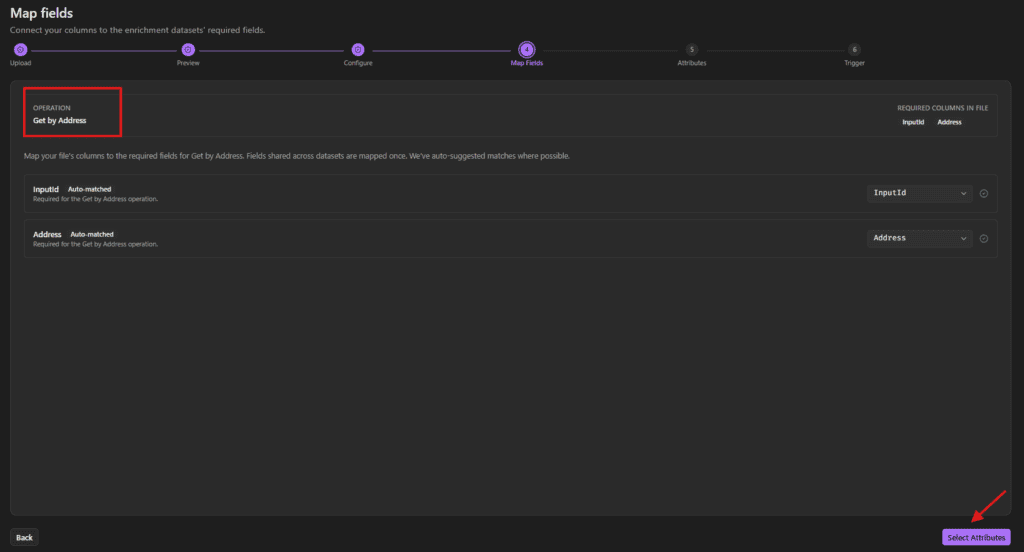
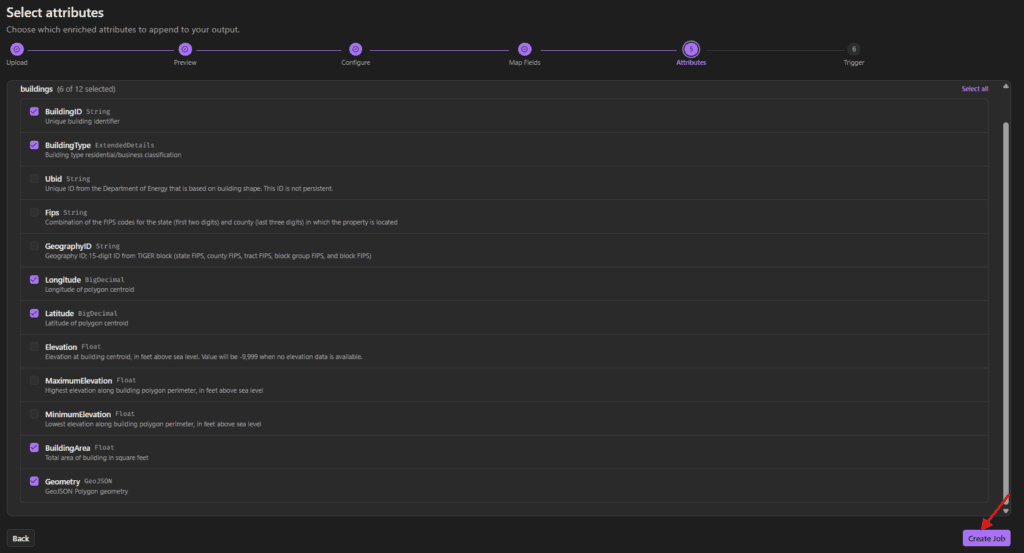
Complementing this location-focused approach is the Data Graph Enrich application, which addresses the challenge of sparse customer or geographic records. By leveraging the comprehensive relationships mapped within the Precisely Data Graph, the tool enriches uploaded datasets with building identifiers, precise polygon geometries, structural dimensions, and spatial coordinates. This immediate enrichment provides organizations with a clear preview of how deep contextual data can complete their internal records before committing to full-scale engineering projects.
Integrating Seamlessly with Existing Developer Tools
A critical barrier in modern software engineering is the fragmentation of enterprise tooling, which often forces developers to navigate complex, unfamiliar user interfaces to access specialized data services. AI Studio addresses this friction through native support for the Model Context Protocol, an open standard that allows artificial intelligence assistants and development environments to interact with trusted services through a consistent interface.
Through a Precisely-hosted Model Context Protocol server, developers can connect popular engineering environments—including Claude Desktop, GitHub Copilot CLI, Visual Studio Code Copilot, and Databricks—directly to Precisely services. Setup requires downloading a configuration bundle and authenticating via secure API credentials.
This architectural integration shifts how technical teams interact with data management infrastructure. Instead of manually searching through administrative interfaces to locate specific features, users can execute complex tasks using natural language prompts directly within their preferred coding environments. Routine operational workflows—such as generating governance assets, reviewing metadata structures, analyzing dataset hygiene, and exploring enterprise catalogs—can thus be initiated conversationally.
As enterprises increasingly adopt agentic artificial intelligence architectures, the demand for verified, high-integrity data continues to accelerate. By lowering traditional barriers to experimentation, Precisely AI Studio provides organizations with a streamlined pathway to evaluate, validate, and deploy the foundational data assets required for reliable artificial intelligence initiatives.