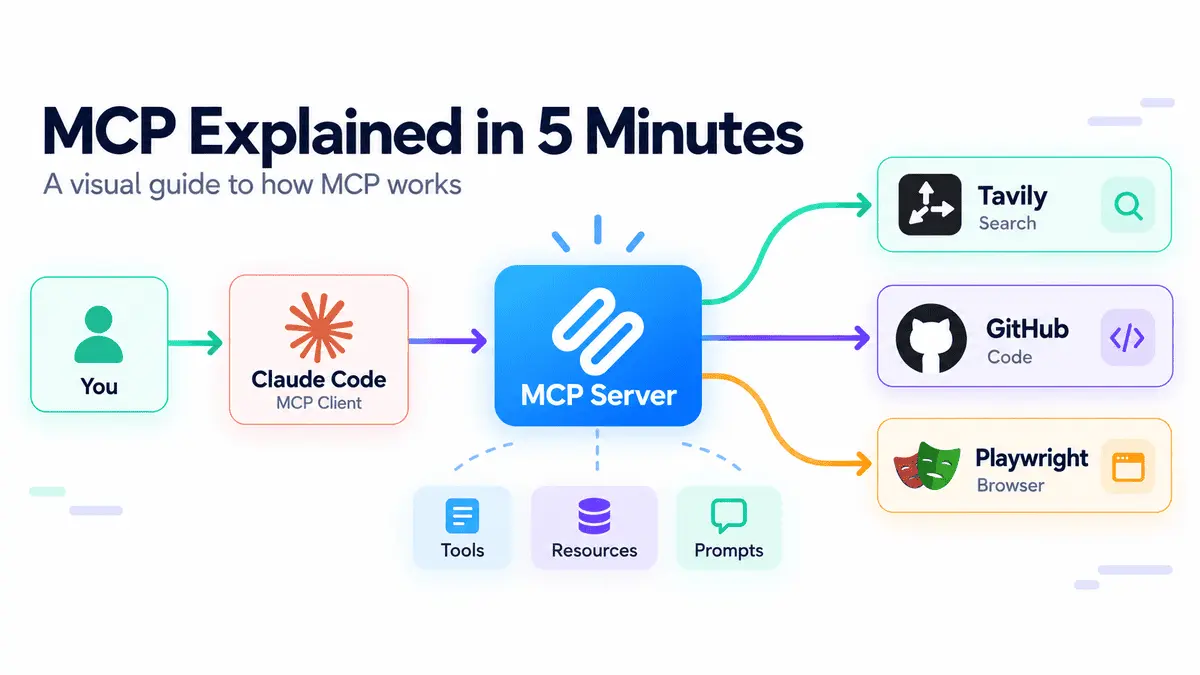
The artificial intelligence landscape has been fundamentally reshaped by discussions surrounding the Model Context Protocol, commonly known as MCP. While the protocol is frequently mentioned in tandem with autonomous AI agents, advanced coding assistants, and sophisticated tool-use frameworks, a distinct gap has often remained between knowing what MCP is designed to achieve and understanding how it functions under the hood. As developers and enterprise architects grapple with the complexities of integrating modern language models into existing technical ecosystems, MCP has emerged as a vital standard designed to streamline how applications interface with external tools and data sources.
At its core, the protocol offers a standardized methodology for AI applications to establish connections with external utilities without the need for bespoke engineering. Historically, building an AI application capable of interacting with various application programming interfaces, databases, code repositories, or web browsers required developers to construct and maintain custom integrations for every single service. This fragmented approach introduced significant friction, creating maintenance bottlenecks and increasing the complexity of software development lifecycles. MCP addresses this challenge by allowing an AI application to connect directly to a standardized server environment, thereby discovering and utilizing exposed capabilities dynamically.
Despite its conceptual simplicity, the underlying vocabulary of MCP—encompassing hosts, clients, servers, tools, resources, and various transport mechanisms—can occasionally give an initial impression of heightened complexity. However, once observers grasp the fundamental operational flow, the architecture reveals itself as a streamlined framework designed to facilitate seamless communication between artificial intelligence models and external software systems.
Understanding the Architecture of the Model Context Protocol
To fully appreciate the utility of MCP, it is helpful to view the protocol as a common language established between an AI application and the external utilities it seeks to employ. Rather than acting as a replacement for traditional application programming interfaces, an MCP server typically acts as an intermediary, communicating with the underlying service or API on behalf of the AI model. What the protocol successfully standardizes is not the underlying service itself, but rather the manner in which those capabilities are presented, discovered, and invoked by the intelligent model.
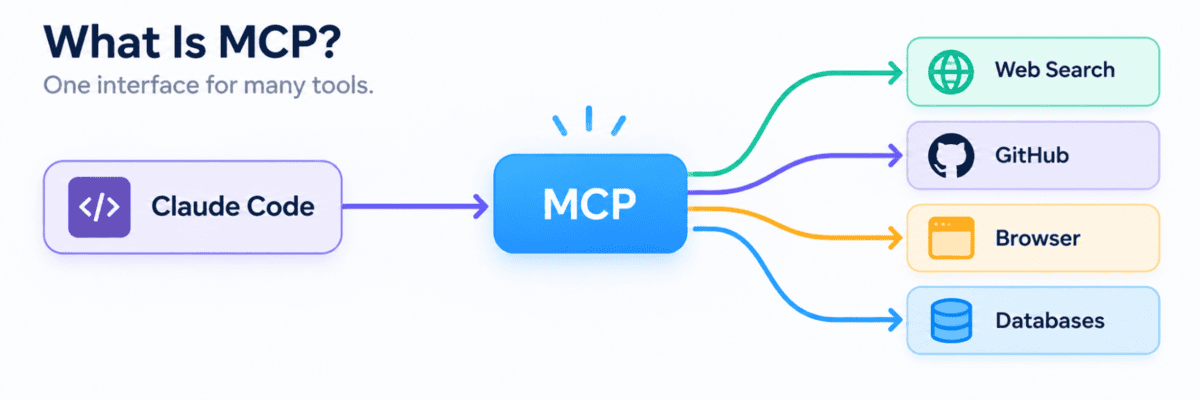
Within this ecosystem, MCP servers are capable of exposing multiple distinct capabilities, though tools remain particularly critical for modern agent workflows. By leveraging these tools, language models are liberated from the constraints of pure text generation, gaining the capacity to actively interact with external software systems, execute commands, and retrieve real-time data.
The architecture itself adheres to a traditional client-server paradigm, though its operational flow becomes intuitive when examined as a unified system. The host environment, such as an advanced AI development tool, contains an internal client component that establishes a connection with one or more designated servers. These servers subsequently expose the tools, resources, and prompts linked to external services. When a user issues a complex command requiring external data or actions, the underlying model evaluates the task, determines that external utilities are necessary, inspects the available server capabilities, and dispatches the request through the standardized interface before processing the returned results.
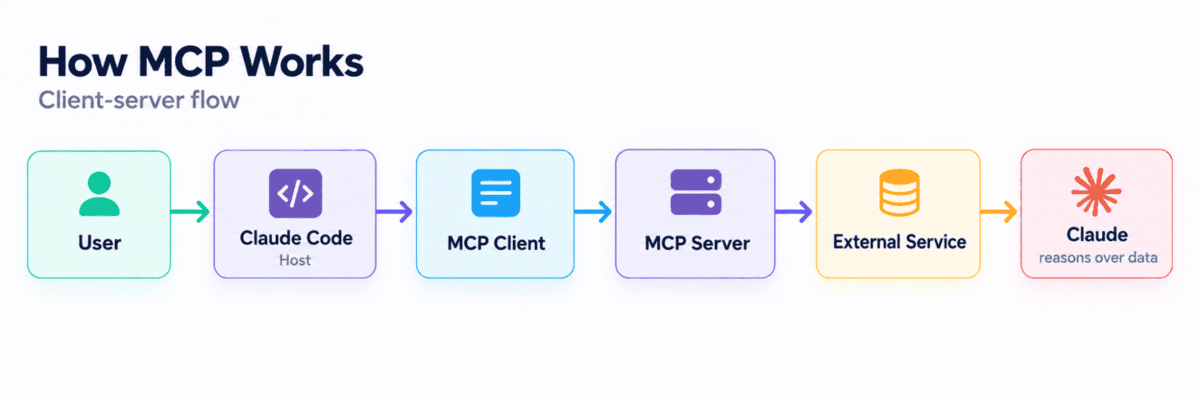
Crucially, the protocol itself does not perform the cognitive reasoning required for the task. The intelligence model retains sole responsibility for determining when a tool is required and how to interpret the resulting data, while MCP provides the reliable, standardized conduit that makes the tool accessible in the first place.
Practical Implementation in Modern Development Environments
Recent developments in developer tools, such as the integration found within platforms like Claude Code, have incorporated native support for managing these server connections, allowing engineers to inspect, list, and configure their external integrations directly within their working environments. By bridging models with specialized servers, developers can dramatically expand the operational scope of their AI assistants.
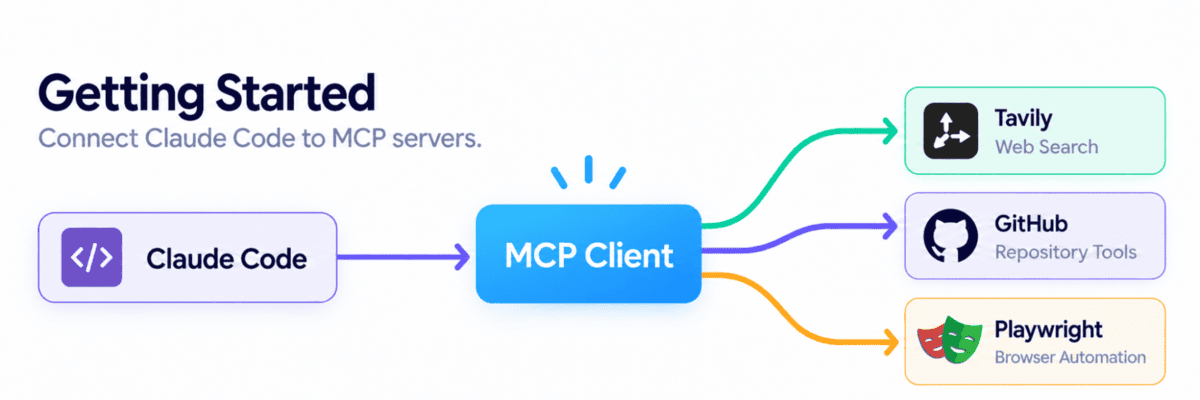
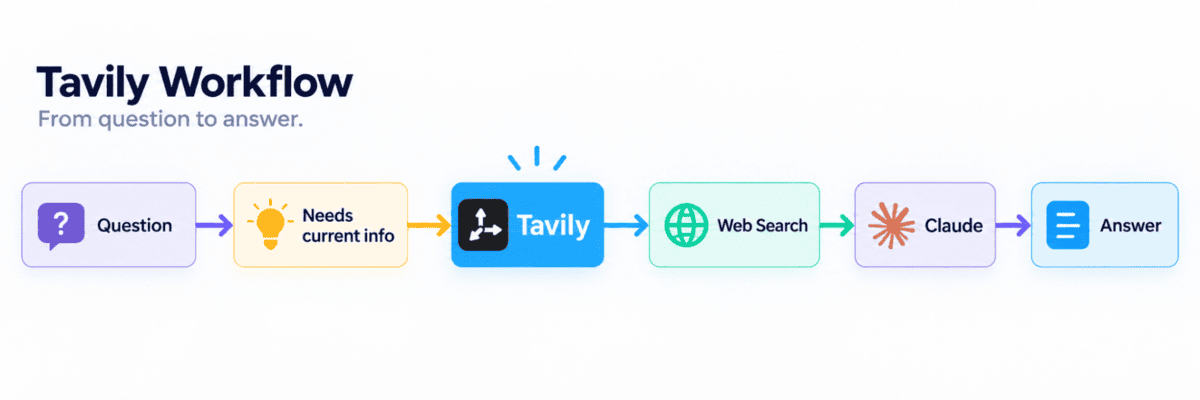
Among the prominent use cases driving the adoption of the protocol are live web search integrations, repository workflow management, and browser automation utilities. For instance, because language models are typically constrained by their training cutoffs, integrating live search capabilities via specialized servers enables assistants to fetch up-to-date documentation, track recent software releases, and synthesize current information on demand. The model simply discovers the search tools exposed by the server and utilizes them without requiring any specialized knowledge of the underlying search provider’s proprietary endpoints.
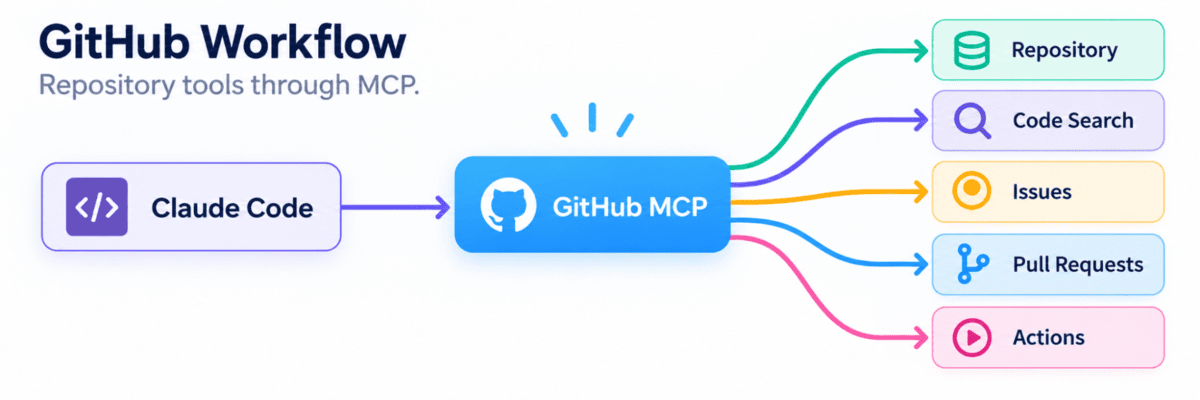
Similarly, repository management servers transform code hosting platforms into interactive tools accessible directly to the assistant. Depending on user-defined permissions and security constraints, an AI model can read repositories, search source code, inspect commit histories, analyze issues and pull requests, and review workflow configurations. Instead of forcing developers to manually copy and paste code snippets, error logs, or pull request descriptions into a chat interface, the assistant retrieves the necessary context dynamically through the protocol and acts upon it securely.
Furthermore, advanced workflows frequently demand capabilities that extend far beyond traditional application programming interfaces, requiring agents to interact directly with graphical interfaces, navigate web pages, fill out form fields, and execute end-to-end application testing. Browser automation servers fulfill this requirement by feeding structured accessibility snapshots of web pages to the model, providing a reliable digital representation that the assistant can interpret and manipulate to verify user interfaces and test software deployments.
Recent Specifications and Production Scalability
The evolution of the protocol has progressed rapidly since its initial introduction, marked by architectural refinements aimed at improving performance, scalability, and security in enterprise environments. Recent updates to the specification have introduced a fundamental shift by rendering the protocol core stateless. Rather than forcing systems to maintain an active, persistent session with a specific server, modern implementations ensure that each individual request contains the precise context and information required for processing.
This architectural shift addresses longstanding challenges regarding distributed infrastructure, making it significantly easier to scale remote servers across standard cloud environments without worrying about session persistence bottlenecks. Additionally, these ongoing enhancements contribute to a more secure operational model, ensuring that enterprise organizations can deploy intelligent agents with strict permission controls and robust authentication mechanisms.
As the technology continues to mature, the underlying philosophy of the Model Context Protocol remains straightforward: providing artificial intelligence applications with a unified, predictable method for connecting with the broader software ecosystem. By standardizing the interaction layer between models, servers, tools, and results, developers can construct sophisticated, highly capable AI agents without the burden of maintaining custom integrations for every individual service they encounter.