Navigating the world in a wheelchair has historically presented immense challenges, turning even a simple trip outside one’s hometown into a logistical puzzle. For travelers living with disabilities, the desire to explore new cultures and holiday destinations often comes tempered with the reality of inaccessible infrastructure, missing ramps, and unreliable public transit. However, over the past decade, a concerted global shift has begun to reshape the landscape of international travel. Governments, city planners, and the hospitality sector increasingly recognize the importance of barrier-free policies, transforming hotels, restaurants, public parks, and museums to accommodate mobility-impaired visitors. As these improvements make globetrotting significantly more manageable than it was ten years ago, a look at ten prominent international destinations highlights how urban accessibility is opening the world to wheelchair users.
Venice, Italy
At first glance, the historic canals, bridges, and cobblestones of Venice might appear deeply intimidating for anyone with mobility impairments. Yet, beneath its medieval exterior, Venice has adapted to become a surprisingly wheelchair-friendly destination. Beyond its architecturally striking bridges, a multitude of historic sites have been retrofitted for accessibility. The Doge’s Palace stands out as a prime example, offering step-free access or ramps across almost all of its rooms, complemented by elevators that transport visitors to the upper levels. While the ticket office itself presents a barrier due to a lack of wheelchair accessibility—requiring travelers to secure tickets with the assistance of a companion—once inside, visitors find a remarkably accommodating environment that preserves centuries of Venetian history without shutting out disabled tourists.
Singapore
While numerous global cities are only beginning to draft barrier-free frameworks, Singapore established its commitment to universal access two decades ago, earning its reputation as the most wheelchair-accessible nation in Asia. The city-state’s Mass Rapid Transit system sets a global standard for inclusive public transportation, featuring fully equipped stations complete with lifts, accessible restrooms, and ramps. To assist travelers with diverse needs, stations provide real-time arrival and departure information through both visual screens and audio announcements. More than one hundred stations currently feature these inclusive amenities, with additional infrastructure under continuous development. Major cultural hubs such as Gardens by the Bay, the ArtScience Museum, and the National Museum of Singapore boast completely barrier-free pathways and facilities, often providing complimentary wheelchairs at entrances on a first-come, first-served basis, reinforcing Singapore’s status as a leader in accessible urban design.
Berlin, Germany
For travelers whose primary passion lies in urban exploration rather than traditional sightseeing, Berlin offers an exemplary model of inclusive tourism. Spurred by comprehensive disability policies, the German capital has heavily restructured its environment to welcome both locals and international visitors. Berlin features a modern, highly integrated public transit network where nearly one hundred subway stations are equipped with elevator access, ranking it among the most accessible transit systems in Europe. Sidewalks and pedestrian pathways are meticulously maintained to accommodate wheelchair users, ensuring they can seamlessly navigate the city’s culturally diverse neighborhoods and historical landmarks. Furthermore, the vast majority of Berlin’s museums and theaters are fully accessible, while the geographic concentration of major tourist attractions minimizes transit times and physical fatigue.
Loutraki, Greece
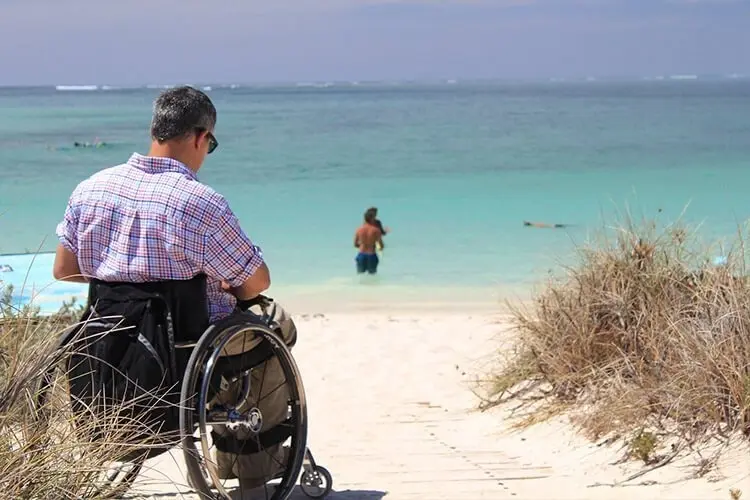
As the cradle of one of the world’s oldest civilizations, Greece remains an enduringly popular holiday destination, and the coastal town of Loutraki provides an inviting retreat with its year-round warm climate. Highlighting this coastal appeal is the Sirens Resort, an accommodation facility designed specifically for travelers with limited mobility. The resort features specialized amenities including roll-in showers, accessible kitchens, dedicated laundry services, and on-site equipment rentals. Crucially, the property features a fully accessible ramp extending directly from the hotel grounds across the sand down to the edge of the ocean, allowing wheelchair users to experience the beach and sea firsthand. To complete the travel experience, the resort operates accessible tours and on-site wheelchair taxis to help guests explore nearby historical landmarks.
Vancouver, Canada
Renowned for its cultural diversity and welcoming populace, Vancouver applies its inclusive ethos directly to travelers with mobility challenges. Supported by stringent barrier-free policies, the Canadian Pacific metropolis ranks among the most accessible cities globally, ensuring that its celebrated natural and urban attractions remain open to everyone. Prominent destinations such as Stanley Park, the Vancouver Art Gallery, the Vancouver Aquarium, and the historic streets of Chinatown are entirely navigable for wheelchair users. Furthermore, during the winter months, the Whistler Adaptive Sports Program extends this inclusivity to the slopes, providing specialized adaptive equipment that allows individuals with physical disabilities to experience skiing and snowboarding.
Paris, France
While the historic architecture of Paris presents inherent logistical hurdles, the French capital remains a major European destination actively improving its visitor experience. The iconic Eiffel Tower accommodates wheelchair users up to its first two levels, while other historic landmarks have undergone significant modernization. The Palace of Versailles, widely regarded as one of Europe’s grandest historical sites, features complete wheelchair accessibility across its three main buildings. Elevators provide access to upper floors, ramps connect ground-level structures, and discounted golf carts are available for rent to help visitors navigate the expansive grounds. Additionally, options like the wheelchair-friendly "Another Paris Tourist Train," panoramic views from the Montparnasse Tower, masterpieces such as the Mona Lisa at the Louvre, and numerous public parks ensure a rich cultural experience.
Sydney, Australia
Australia and its most populous metropolis, Sydney, offer exceptional standards of accessibility, allowing visitors to enjoy world-famous views and landmarks without architectural barriers. The Sydney Tower Eye provides a breathtaking bird’s-eye view of the urban landscape from a fully accessible observation deck. Similarly, the Sea Life Aquarium and Wild Life Sydney Zoo offer immersive encounters with the continent’s unique fauna through accessible pathways and viewing areas. Cultural landmarks such as the Royal Botanical Gardens and the architectural masterpiece of the Sydney Opera House are fully equipped to welcome wheelchair users, ensuring inclusive access to the city’s cultural heart.
Washington, DC, USA
In the capital of the United States, visitors encounter a wealth of historically significant monuments and museums designed with modern accessibility in mind. Landmarks such as the Washington Monument, the Lincoln Memorial, the White House, and the National Air and Space Museum feature dedicated infrastructure for travelers with mobility impairments. The city supports these sites with a network of accessible accommodations, dining establishments, public transit, and well-maintained sidewalks. Inside the White House, visitors of all abilities experience the same standard tour, supported by elevators, ramps, and available loaner wheelchairs. Similarly, the Lincoln Memorial provides step-free interior access, utilizing ground-floor elevators in the lobbies and ramps leading to the lower level.
Los Angeles, CA, USA
Los Angeles combines its signature Southern California sunshine and entertainment glamour with widespread urban accommodations for travelers with disabilities. Universal Studios Hollywood incorporates extensive wheelchair accessibility across its rides alongside language interpretation services, while the Aquarium of the Pacific offers a completely navigable marine tour. Cultural and retail hubs such as The Getty Center and The Grove maintain high standards of barrier-free design. Furthermore, numerous beaches throughout the Los Angeles area offer free beach wheelchair rentals, ensuring that mobility-impaired visitors can experience the sand and surf alongside all other beachgoers.
Philadelphia, PA, USA
As one of the most historically rich urban centers in the United States, Philadelphia ensures that its revolutionary past remains accessible to all visitors. Iconic landmarks including the Liberty Bell Center, Independence Hall, the National Constitution Center, the Betsy Ross House, and The Franklin Institute feature comprehensive wheelchair accommodations. Additionally, the historic Reading Terminal Market offers an enclosed, single-level environment where visitors can easily navigate the bustling stalls on their wheelchairs to enjoy local culinary traditions and shopping.