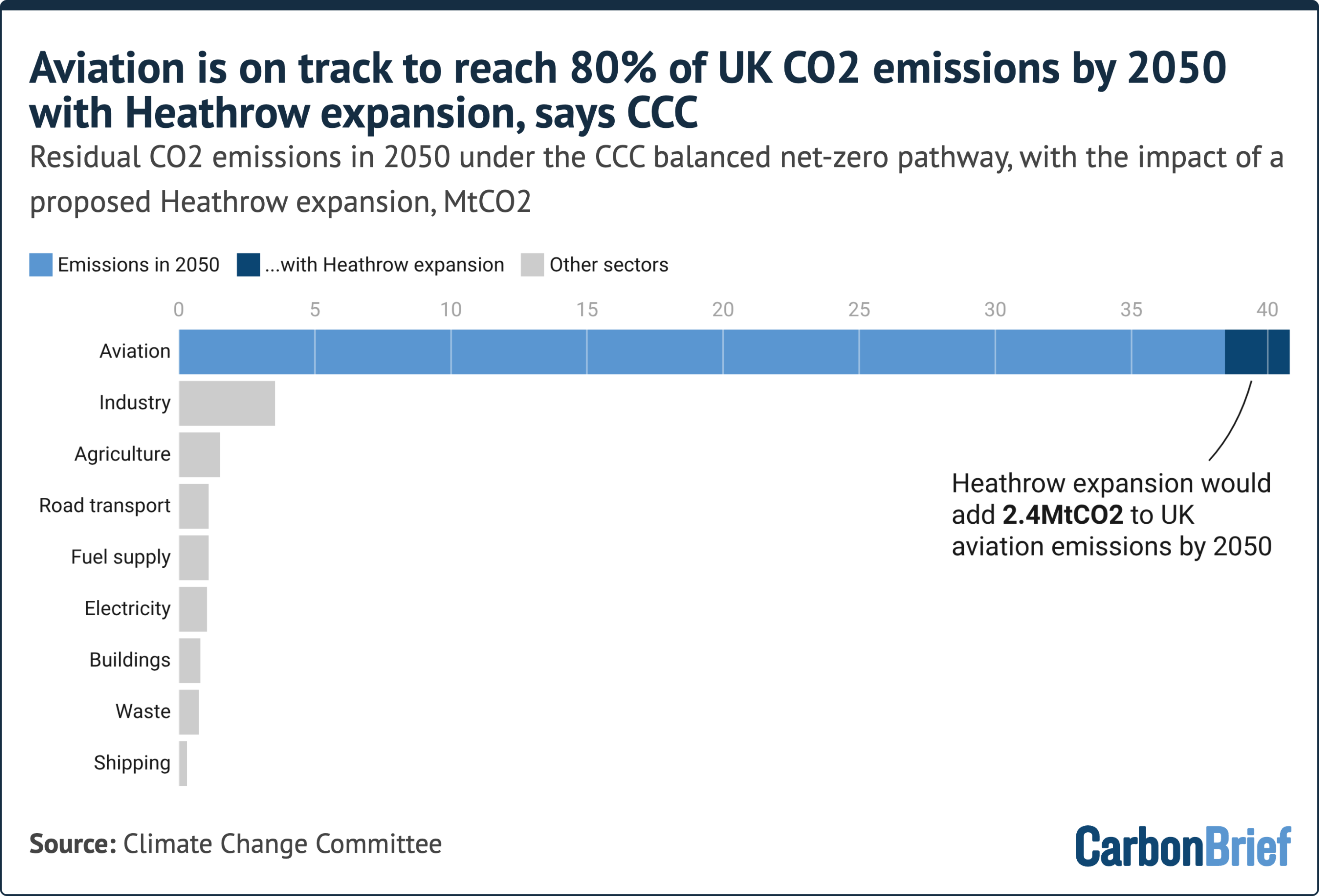
Aviation is on track to be responsible for a staggering 80% of the United Kingdom’s entire carbon dioxide emissions by the year 2050, according to stark new warnings from the Climate Change Committee (CCC).
While nearly every other sector of the British economy has successfully reduced its environmental impact over recent decades, greenhouse gas emissions stemming from commercial flight have more than doubled since 1990. This upward trajectory has been propelled primarily by a continuous surge in passenger numbers. In its latest advisory report delivered to the government regarding future aviation policy, the CCC warns that the UK currently lacks "credible" policies capable of reversing this accelerating trend.
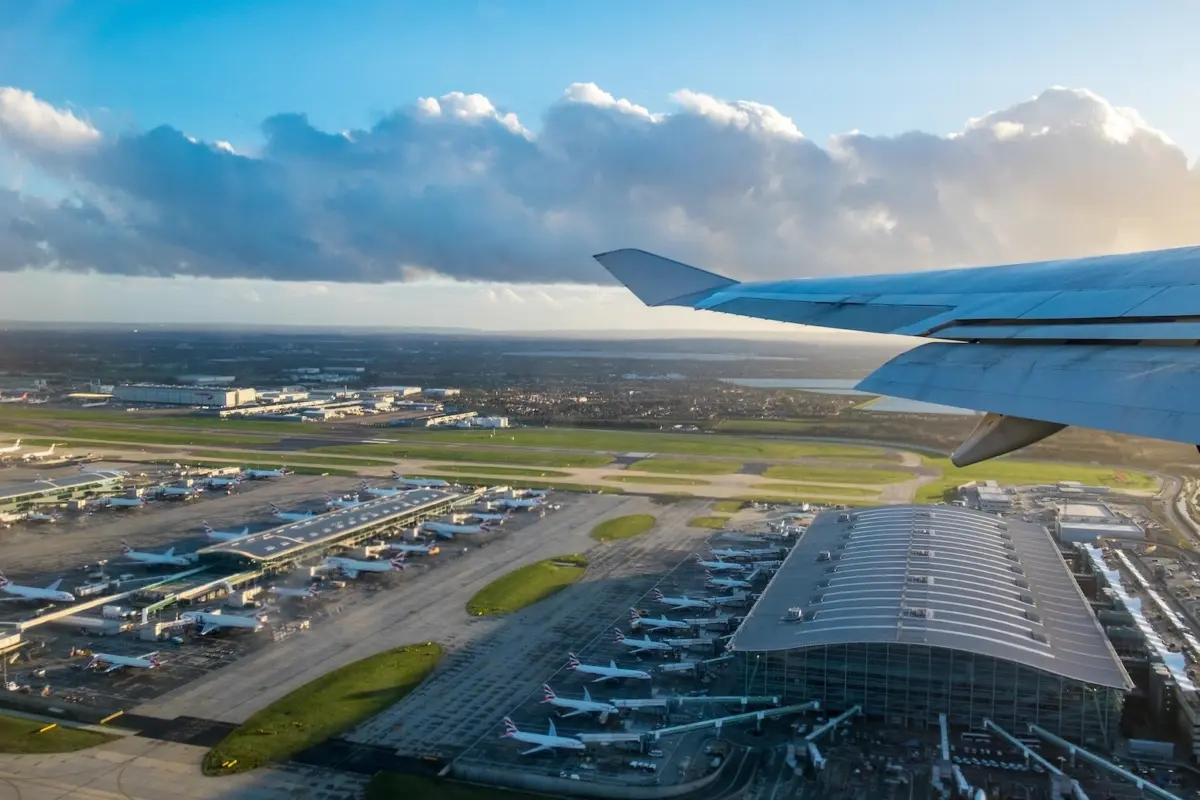
Despite this widening gap between national climate goals and aviation reality, the government has signalled its active support for expanding Heathrow Airport, the nation’s largest aviation hub. To reconcile this expansion with legal decarbonization mandates, policymakers have heavily relied on unproven "techno-fixes"—most notably "sustainable aviation fuels" (SAFs)—to drive future emissions reductions.
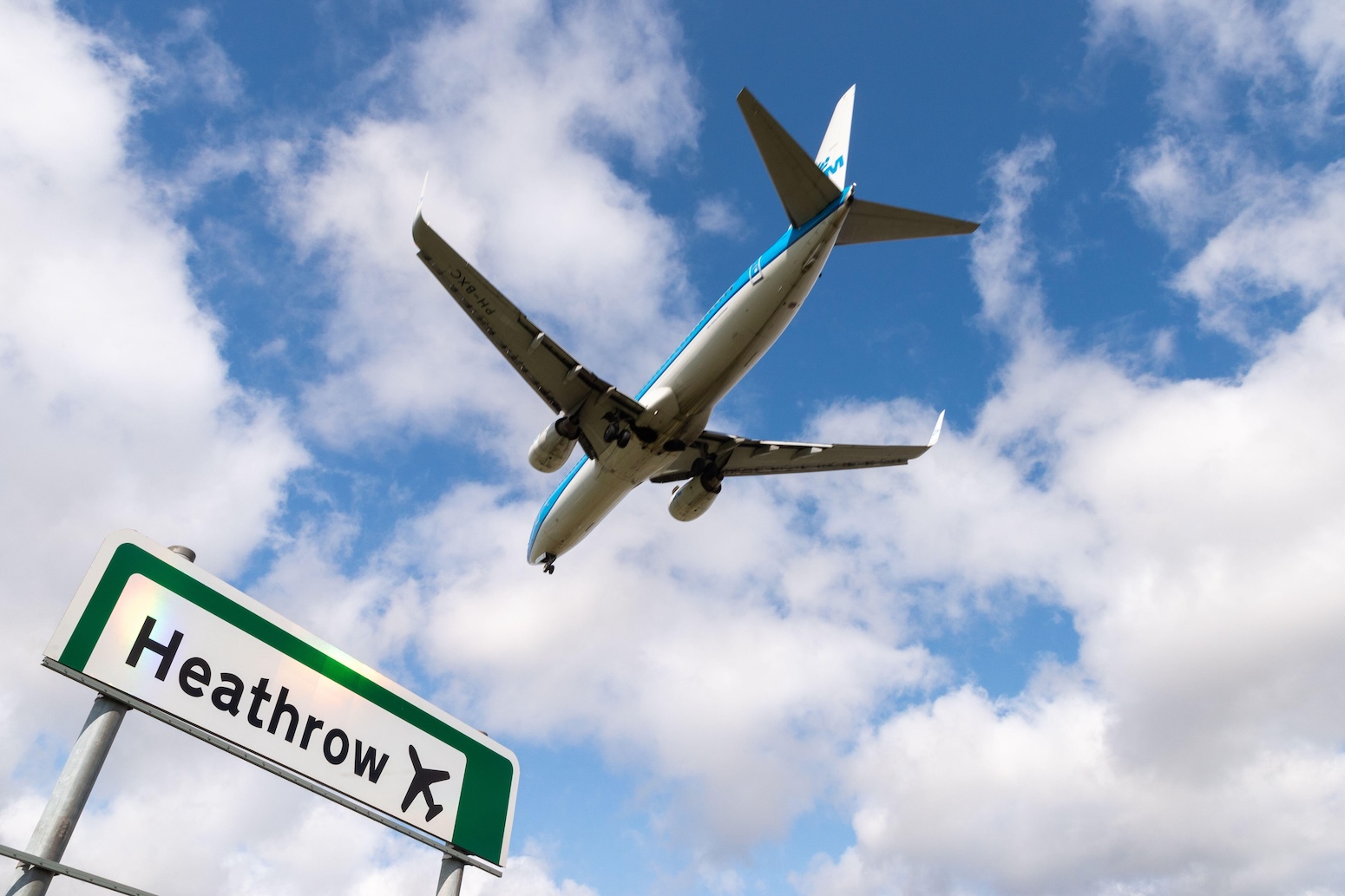
However, the CCC cautions that even if Heathrow expansion were completely off the table, domestic aviation emissions are still projected to rise significantly higher than today’s levels, reaching 38 million tonnes of CO2 (MtCO2) annually by 2050. Under the UK’s legal framework, all residual carbon dioxide remaining in the economy by 2050 must be actively removed from the atmosphere to achieve the legally binding target of net-zero emissions. Consequently, unmitigated aviation emissions would consume the vast majority of this national carbon budget.
Furthermore, moving forward with the Heathrow expansion project would add an estimated 2.4 million tonnes of CO2 to the total in 2050, accounting for roughly 5% of all UK emissions. That figure would climb further to 4.5 MtCO2 once the development is fully completed and operational by 2054.
With an official, final decision regarding the Heathrow expansion scheduled to be reached by 2029, the government formally asked the CCC to evaluate whether the proposed infrastructure project is genuinely compatible with the nation’s broader climate commitments.
The committee’s conclusion is unequivocal: the UK currently possesses entirely insufficient policy levers to curb rising aviation emissions, and "expanding Heathrow would compound the problem." During a media briefing discussing the findings, CCC chair Nigel Topping underscored the severity of the institutional shortfall.
"The UK does not currently have a credible plan to reduce aviation emissions in line with net-zero, so that creates a serious challenge for meeting our climate commitments," Topping told journalists.
The overarching framework governing the sector—the "jet-zero strategy"—was originally launched by the previous Conservative administration in 2022 with the ambitious objective of driving down flight-related emissions. However, the current Labour government has since acknowledged that the strategy’s core assumptions regarding the rapid scaling of SAFs, the emergence of commercial electric aircraft, and sweeping fuel-efficiency improvements were fundamentally unrealistic.
According to the CCC, a "credible and robust net-zero policy framework for aviation" must be formally established within a heavily revised strategy currently planned for publication in 2027. Only after such a rigorous framework is successfully implemented, the committee argues, could any future Heathrow expansion be responsibly aligned with the UK’s long-term net-zero goals.
As a central pillar of this new strategic approach, the CCC asserts that the aviation industry must finally take direct responsibility for its environmental footprint. The committee recommends that all future policies be formulated strictly around the established "polluter pays" principle. Under this model, airlines would be legally and financially required to fund their own sustainable fuel supplies and actively pay for engineered carbon dioxide removal initiatives.
Specifically, the committee highlights that substantial long-term funding will be required to support "engineered removal" technologies, such as direct air carbon capture and storage (DACCS). These highly specialized technological systems are currently not available at the massive commercial scale required to neutralize large volumes of international and domestic flight emissions. Nevertheless, the CCC stresses they remain vital for achieving the permanent, industrial-scale carbon storage necessary to mop up lingering aviation pollution.
While "natural solutions" such as large-scale tree planting represent the other primary mechanism for removing carbon dioxide from the atmosphere, the CCC envisions those natural offsets being utilized primarily to neutralize remaining methane emissions originating from UK livestock agriculture. Consequently, engineered industrial removals would have to be dedicated specifically to capturing and permanently storing carbon dioxide generated by commercial aviation.
The committee openly acknowledges that shifting the financial burden of decarbonization directly onto airlines and the broader aviation sector would inevitably lead to significantly higher ticket prices for consumers. Based on current economic projections, the CCC estimates that implementing these comprehensive environmental safeguards could increase the cost of a standard return trip to Alicante, Spain, by roughly £150, while a return journey to New York could see price spikes of around £400 by 2050.
Despite the likelihood of consumer pushback and increased travel costs, the committee argues that this market-based approach is vastly preferable to relying on public spending. Funding carbon removal through general taxation would mean that the roughly 50% of the UK population who do not fly would end up subsidizing the carbon costs generated exclusively by frequent flyers.

In addition to ensuring economic fairness, the committee notes that introducing higher ticket prices reflecting the true environmental cost of flying would naturally help manage surging passenger demand—demand that otherwise threatens to swell exponentially over the coming decades without effective policy intervention.