
After a hiatus spanning 19 years, travel writer Matt Kepnes returned to Ko Lipe, a remote Thai island where he once spent close to a month living the quintessential backpacker dream. Back in 2006, the destination was a deeply hidden gem known only to the most adventurous travelers. Electricity was a scarce commodity, running for only a few hours a day, basic beachfront bungalows cost roughly two dollars, and catching the literal last boat of the season was a genuine logistical hurdle.
The appeal of the island in those days was defined by its simplicity. Days were spent reading books on the sand, swimming, snorkeling, and sharing cheap beers at the single beach bar on the island. Meals rotated through a meager selection of five local eateries before visitors retired early for the night. It was an environment where days effortlessly stretched into weeks, trapping visitors in the best possible way.
Reflecting on his extensive global travels, Kepnes has long maintained that his time on Ko Lipe stood out as the ultimate highlight. It was a place where he forged lasting friendships, immersed himself in local culture, picked up rudimentary Thai, and experienced the idyllic lifestyle sought by travelers worldwide.
For years, however, he actively avoided returning. The memory of his initial stay was so vivid and profound that he feared any revisit would shatter the illusion. He worried he would be chasing ghosts of a bygone era, attempting to recreate a magic anchored entirely in people and circumstances that no longer existed. Furthermore, knowing that his once sleepy paradise had undergone significant development over the decades, he dreaded witnessing the physical transformation firsthand.
Thailand’s tourism industry has long leaned heavily toward unsustainable growth. Few islands in the region develop in an environmentally or culturally conscious manner; instead, the standard trajectory is rapid, relentless construction. Kepnes had desperately hoped Ko Lipe would somehow be spared this fate.
However, while planning a recent journey through Southeast Asia, revisiting the island aligned logically with his route. Traveling down the Indian Ocean coast of Thailand toward Malaysia, his path naturally intersected with the remote archipelago. Additionally, needing a lively destination to ring in the New Year, Ko Lipe seemed like a practical choice. He assumed fellow travelers would be gathered there, and with no other geographically convenient islands fitting the criteria—particularly given that Ko Lipe offers direct ferry service to his subsequent stop in Langkawi—he decided to make the trip.
The reality of his return proved disheartening. Kepnes reports that Ko Lipe has fully embraced the overdevelopment model previously seen on Ko Phi Phi, resulting in an environment that is now unsustainably commercialized.
The physical landscape of the island has been radically altered. Most of the terrain is now paved over, with the historic dirt footpaths converted into concrete roads designed to accommodate cars and heavy construction trucks. Expansive groves of palm trees have been cleared to make way for high-end luxury resorts complete with swimming pools—a staggering architectural choice on an island that lacks a natural water supply. Meanwhile, construction projects continue at a relentless pace.
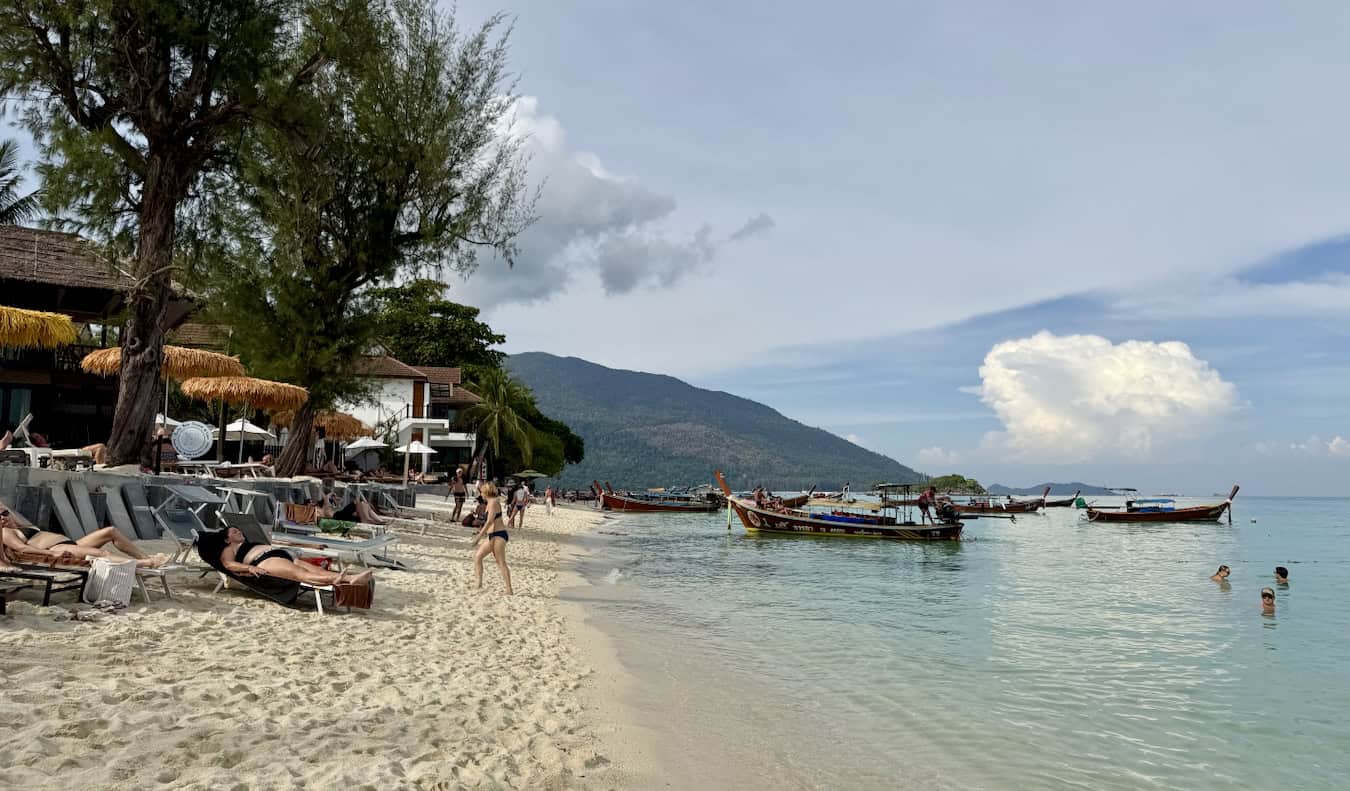
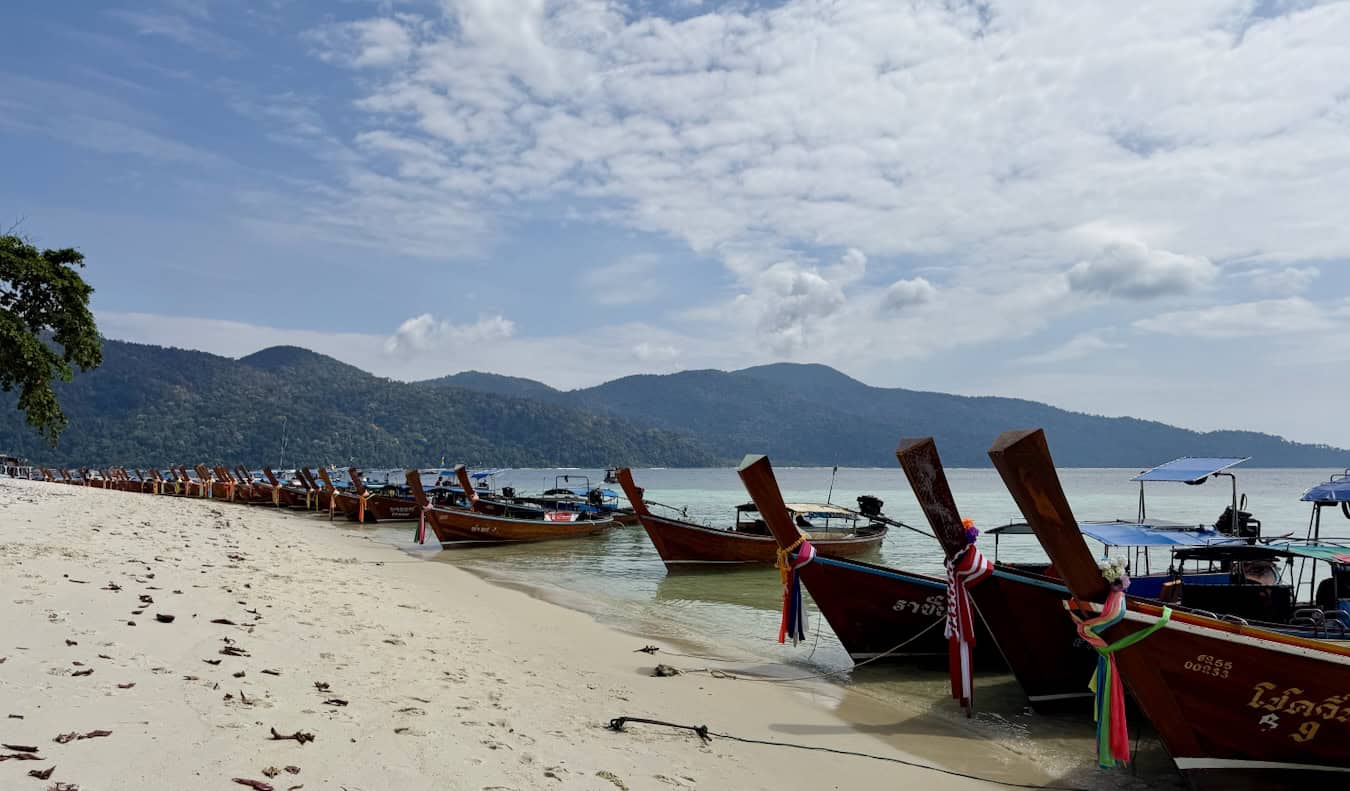
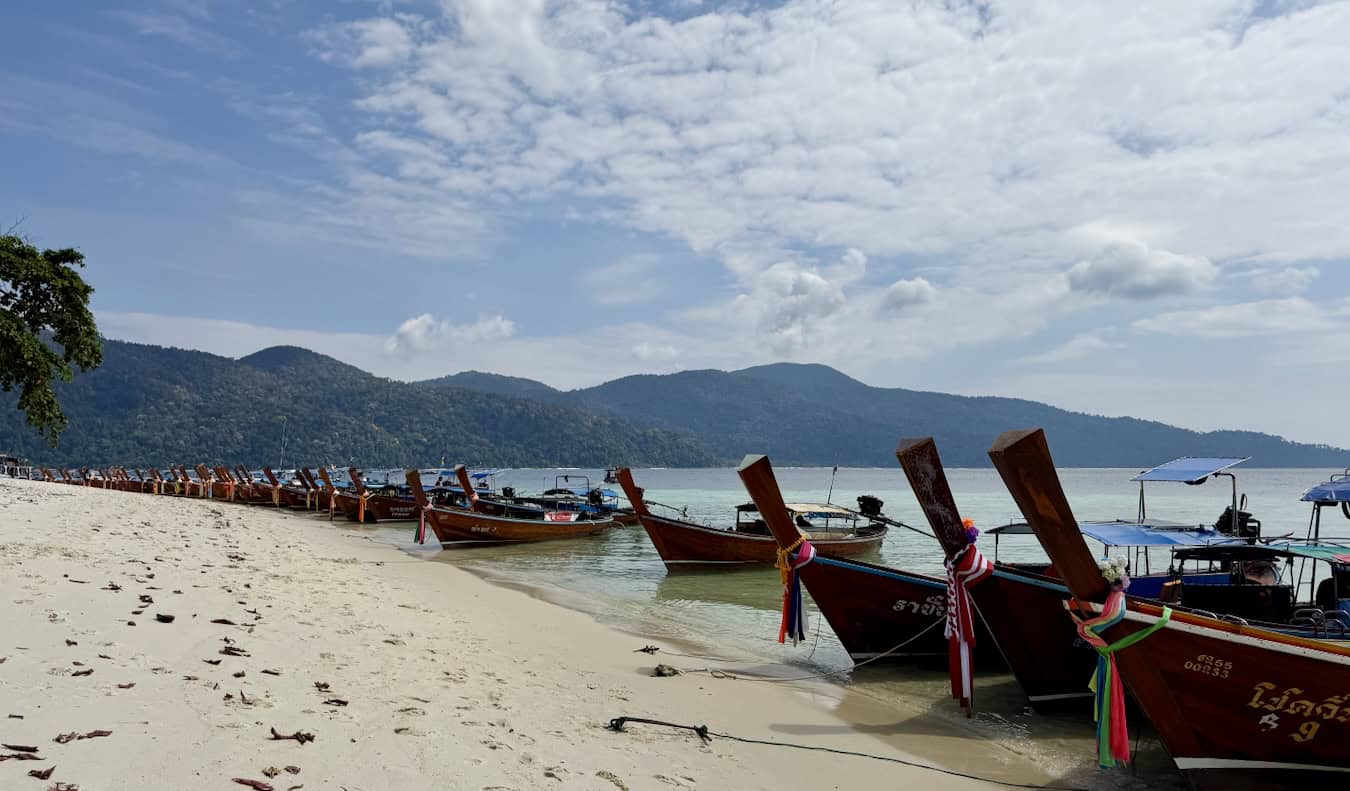
The marine ecosystem has paid a heavy price for this rapid expansion. The surrounding coral reefs are steadily dying, overwhelmed by the constant traffic of boats, heavy anchors, water pollution, and overfishing. The shoreline is crowded wall-to-wall with longtail boats, their engines venting exhaust directly into the coastal waters and leaving a noticeable shimmering film across the swimming areas. On land, the dining scene has shifted away from authentic local cuisine to cater predominantly to tourists demanding subpar Western food.
This economic boom has also brought significant social costs. Many original local residents have been displaced, forced to sell their land to mainland developers. Consequently, a large portion of the island’s modern workforce comes from the mainland, seeing very little direct benefit from the tourism windfall. Ko Lipe has effectively joined the ranks of Thailand’s overexploited destinations, victimized by unchecked growth and the rapid depletion of finite natural resources.
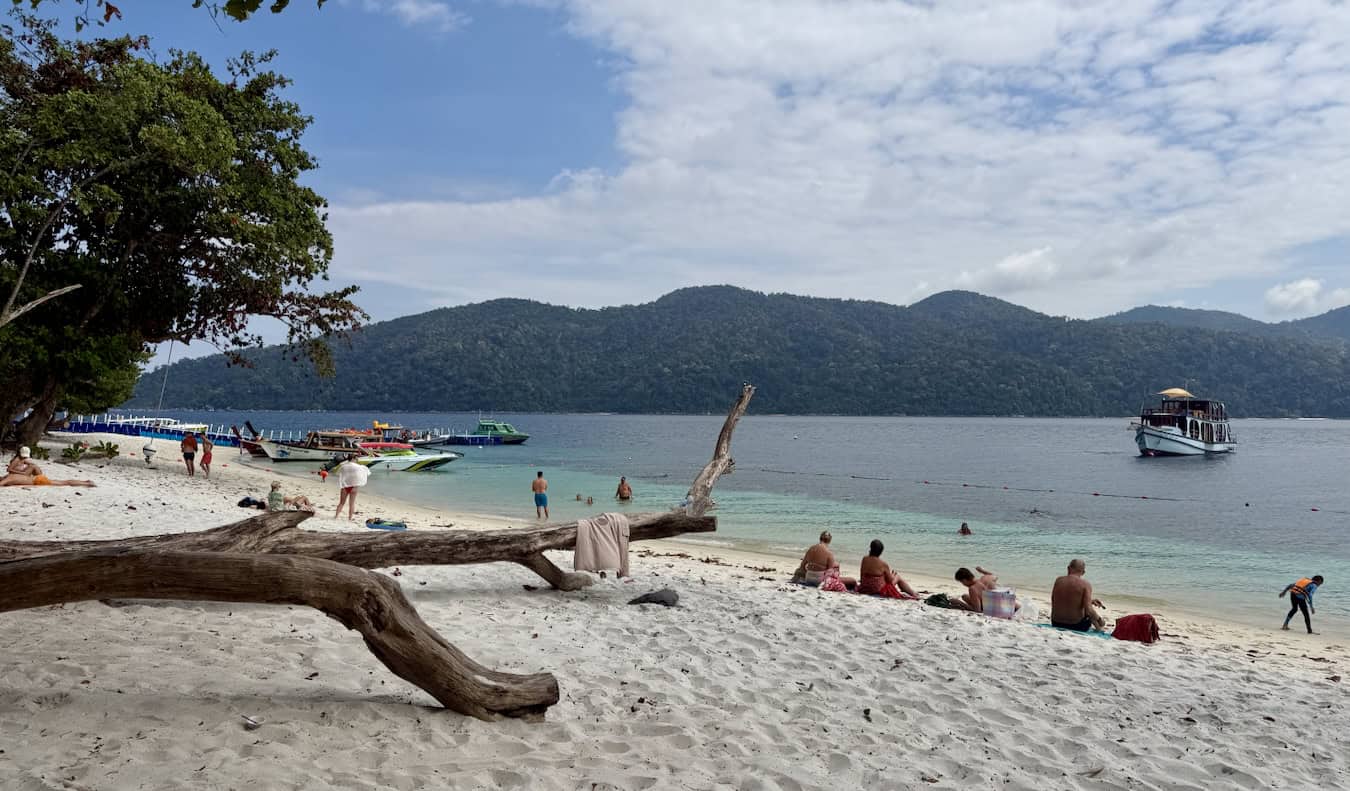
Despite these grim observations, Kepnes acknowledges why first-time visitors continue to fall in love with the destination. The surrounding geography remains postcard-perfect, featuring brilliant azure waters, powdery white sand, and immediate proximity to a protected national park that offers regular excursions to secluded neighboring islands. Compared to heavily saturated hubs like Ko Phi Phi, Krabi, or Phuket, Ko Lipe can still feel relatively restrained to someone encountering it for the first time.
Even so, reflecting on the scale of overdevelopment, Kepnes has arrived at a stark conclusion: travelers should no longer visit.
While he is not opposed to economic development in principle, he draws a sharp line against growth that is mismanaged and environmentally destructive. Continuing to funnel tourists into Ko Lipe will only place an unbearable strain on the island’s limited infrastructure and resources. The damage cannot easily be undone, and local residents cannot realistically be expected to remain economically stagnant simply to preserve an outsider’s idealized vision of paradise. Yet, the current trajectory remains fundamentally unsustainable.
For travelers seeking authentic experiences in the region, numerous alternative islands remain well-managed and far less battered by mass tourism. Destinations such as Ko Lanta, Ko Jum, and Ko Mook offer viable options for those looking to experience the region responsibly.
Choosing to bypass Ko Lipe is framed not as a rejection of tourism entirely, but as a necessary act of conscious stewardship. Kepnes notes that consumer choices have historically driven meaningful shifts in travel behavior elsewhere, pointing to the decline of elephant riding and the explosive growth of eco-lodges as proof that travelers vote with their itineraries. Overtourism is now a prominent part of the global conversation, debated just as fiercely by local residents as it is by visitors.
While skipping Ko Lipe may not single-handedly reverse decades of poor planning, it ensures that conscientious travelers stop feeding a broken system. For a destination that holds such deep personal significance, stepping away is difficult, but for those committed to responsible travel, it has simply become a line that must be drawn.