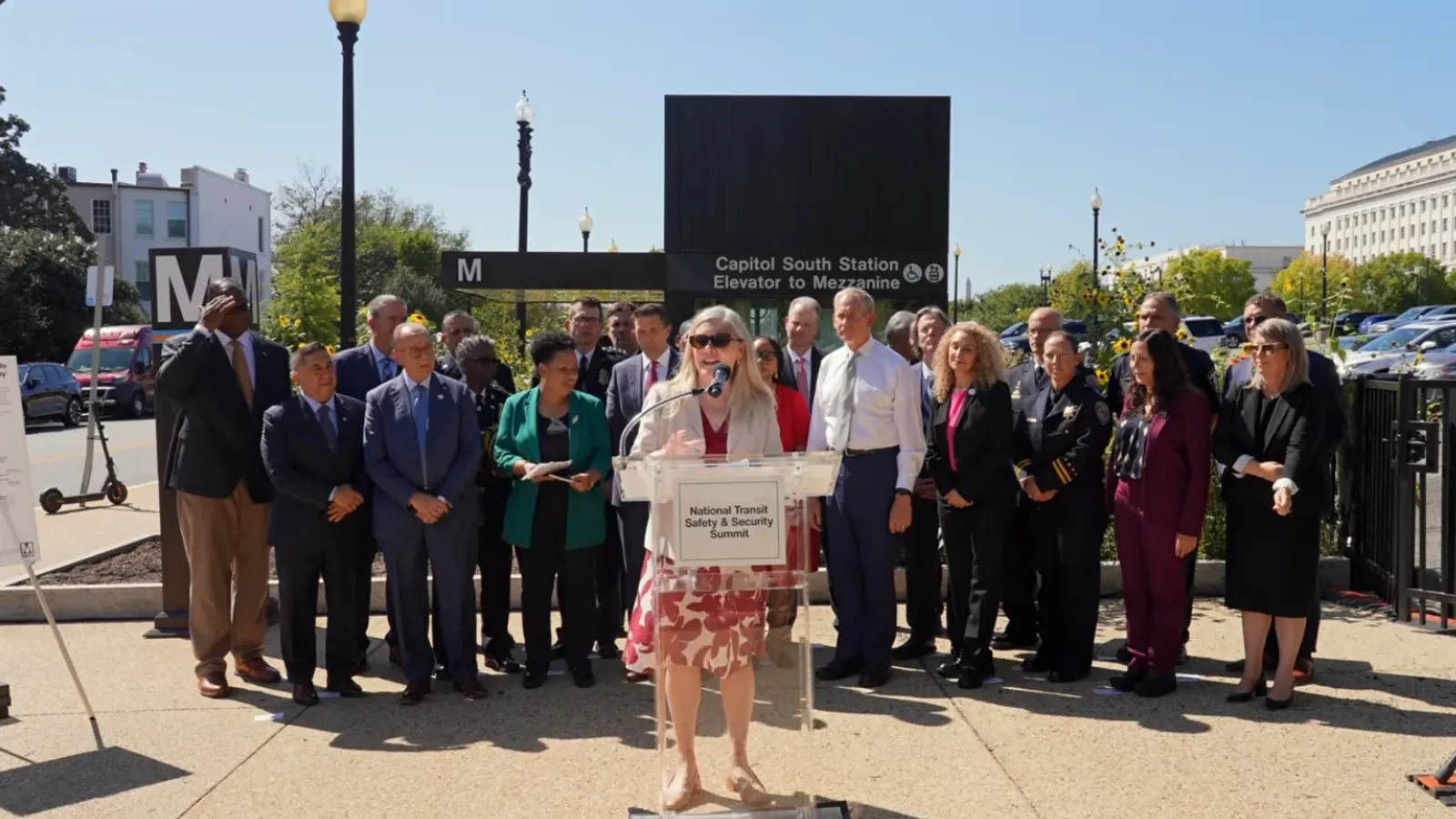
Transit agency officials from across the United States gathered in Washington, D.C., to address a complex web of emerging challenges facing public transportation networks, highlighting fare evasion, disruptive riders, cybersecurity vulnerabilities, and terrorism as pressing threats to everyday operations and passenger well-being.
The high-level discussions brought together key figures from major metropolitan transit authorities and federal leadership, including a pivotal meeting with Transportation Secretary Sean Duffy. Against the backdrop of evolving security threats and looming federal funding cliffs, transit leaders emphasized that modernizing public safety requires a dual focus: deterring criminal behavior while simultaneously reassuring the riding public that systems are secure, reliable, and clean.
Addressing the Post-Pandemic Transit Safety Landscape
Crime on public transportation systems across several large American cities rose noticeably during the COVID-19 pandemic, prompting widespread concern from both riders and municipal leaders. The ripple effects of those disruptions forced transit agencies to rethink traditional security models and deploy more visible, aggressive interventions to restore order and public confidence.
In response to rising safety concerns, New York Gov. Kathy Hochul took decisive action in 2024 by ordering 750 members of the National Guard alongside 250 state and transit police officers to conduct random bag inspections at subway stations throughout New York City. That high-profile intervention marked a turning point for the nation’s largest transit system. In the time since those enhanced patrols were implemented, crime rates have decreased significantly not only on New York City subways, but also across major transit networks in Philadelphia, Washington, D.C., and Los Angeles.
However, transit executives stress that statistical drops in crime are only half the battle; psychological safety remains just as critical for ridership recovery.
“When people feel safe, they are more likely to ride, and when employees feel supported, they are better able to serve the public,” American Public Transportation Association Chair Leanne Redden said during a press conference following the meetings. Redden noted that APTA’s Safe, Effective, and Clean Transit Task Force plays a vital role in this ongoing effort by sharing successful programs and innovative security approaches that agencies can learn from and adapt to implement in their own local communities.
Echoing this sentiment, Los Angeles County Metropolitan Transportation Authority CEO Stephanie Wiggins pointed out that transit success depends heavily on maintaining an unwavering commitment to public safety, measuring success both through statistical metrics and through the subjective experience of how safe riders feel. Wiggins highlighted that her agency is actively working to establish an in-house public safety department to better manage security challenges, a particularly urgent priority as Los Angeles handles major international events, having hosted World Cup matches this summer and preparing to host the global spotlight of the 2028 Olympic Games.
Evolving Threats: Cybersecurity, Terrorism, and International Actors
While traditional crimes like fare evasion and disruptive passenger behavior remain daily operational hurdles, transit leaders warn that the modern threat landscape has expanded to include sophisticated national and international security risks. As critical infrastructure, mass transit systems face complex vulnerabilities that demand heightened vigilance and robust federal backing.

New York Metropolitan Transportation Authority CEO Janno Lieber underscored the gravity of these broader geopolitical risks during discussions with federal officials.
“We are dealing with international and national actors who are posing security threats, so it’s time to revisit the shrinkage of federal support for security and mass transit,” Lieber said, pointing to the necessity of sustained federal investment to safeguard high-density urban transit networks against coordinated attacks or state-sponsored disruptions.
Adding to these warnings, Washington Metropolitan Area Transit Authority General Manager and CEO Randy Clarke emphasized that the specter of terrorism remains a very real and persistent concern for transit administrators across the country. Furthermore, Clarke pointed out that cybersecurity represents an ongoing, highly complex challenge for the critical infrastructure underpinning American transportation networks, requiring continuous technological upgrades and coordination with federal intelligence and safety agencies.
Clarke took the opportunity to thank Transportation Secretary Sean Duffy, the Federal Transit Administration, and White House officials for maintaining a collaborative partnership with the transit industry on critical safety and security initiatives. Yet, despite this collaborative spirit, he warned that severe financial headwinds threaten to undermine the very progress agencies have fought hard to achieve.

The Looming Threat of Federal Funding Cuts
The primary immediate anxiety for transit agencies centers on the expiration of vital federal legislation and the potential fallout from stopgap funding measures currently moving through Congress. The 2021 Infrastructure Investment and Jobs Act is set to expire, and a proposed stopgap funding measure extending through Dec. 11 threatens to disrupt long-term financial planning across the sector.
According to projections from the American Public Transportation Association, this short-term extension framework could result in steep funding reductions, cutting public transit investment by 20% and passenger rail funding by over 80% from current baseline levels. For transit executives tasked with maintaining aging infrastructure while simultaneously upgrading safety and security protocols, such sharp reductions would have immediate, tangible consequences on the ground.
“That extension would actually cause hundreds of millions of dollars of loss in maintenance funding for all of these agencies, and that would take away from all the safe, secure, and reliable service that these individuals and agencies are delivering across the country,” Clarke said.
As transit authorities navigate the delicate balance between preventing fare evasion, managing unruly riders, hardening networks against cyberattacks, and guarding against potential terrorist threats, agency leaders made it clear that sustained federal partnership and robust financial support remain indispensable. Without predictable, long-term funding, the hard-won gains in passenger safety and ridership recovery achieved over recent years could face renewed jeopardy.