
New federal filings have brought fresh attention to the ongoing regulatory battle surrounding foreign-manufactured drone technology, as lawmakers and federal agencies double down on national security justifications for restricting major industry players.
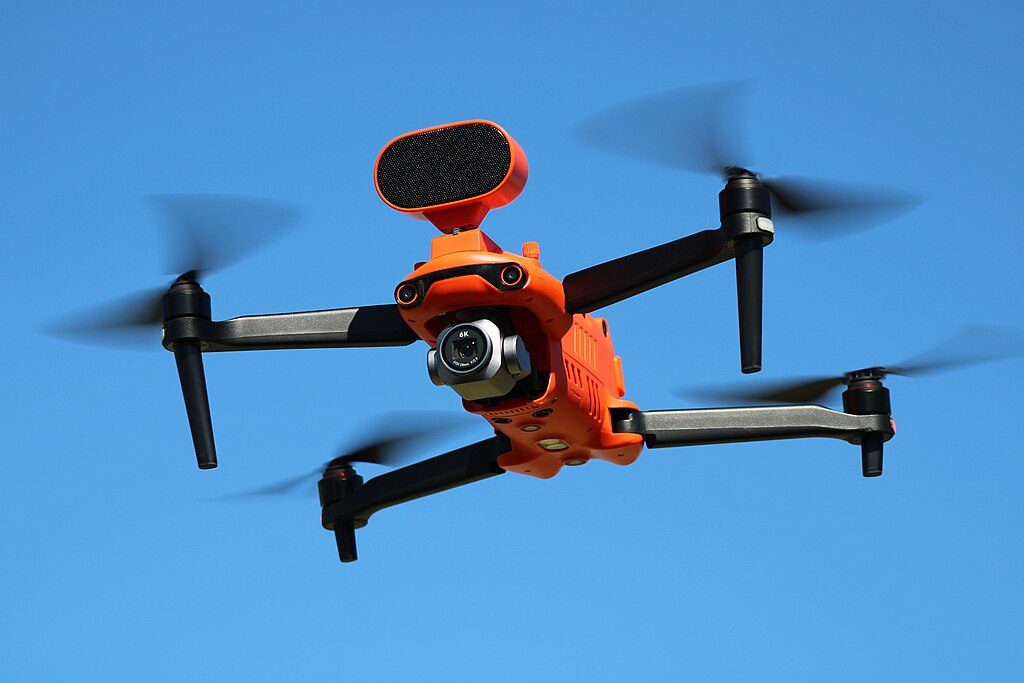
Senator Rick Scott has formally challenged arguments put forward by prominent Chinese drone manufacturers DJI and Autel Robotics regarding their controversial inclusion on the Federal Communications Commission’s (FCC) Covered List. In an October 14 letter addressed to FCC Chairman Brendan Carr, Senator Scott pointed to years of rigorous congressional investigations alongside a classified Pentagon report to substantiate the necessity of the restrictions.
The high-stakes letter arrives as both companies aggressively seek to overturn the federal actions that threaten their operations in the United States. DJI has formally filed a petition for reconsideration with the agency, while Autel has submitted an application for review in an effort to reverse the designations.
Senator Scott, who sponsored pivotal legislation that helped shape Section 1709 of the Fiscal Year 2025 National Defense Authorization Act (NDAA), firmly dismissed claims from the manufacturers that the federal government failed to conduct an adequate and thorough security review of their products before enacting the bans.
"I have read and agree with the analysis detailed in the classified report concluding that DJI and Autel present an unacceptable risk to U.S. national security and that their technology should be on the FCC’s Covered List," Senator Scott wrote in his communication to the commission. Recognizing the gravity of the filing, the FCC officially added the senator’s letter to both administrative proceedings on October 15.
Supply Chain Security and the Original FCC Decision
The newly introduced filings provide vital context to the FCC’s December 2025 decision to severely restrict equipment authorizations for foreign-produced unmanned aircraft systems (UAS) and critical system components. That landmark decision was the direct result of a coordinated interagency national security determination that identified sweeping, systemic risks associated with imported drone technology.
The original federal determination heavily emphasized two distinct priorities: safeguarding sensitive operations from potential surveillance threats and fostering a reliable, resilient domestic manufacturing base. Regulators identified alarming potential risks encompassing unauthorized data collection, vulnerabilities in data security, and potential disruptions to critical national infrastructure. Beyond immediate cyber and operational threats, the assessment raised a broader systemic concern regarding America’s heavy dependence on foreign manufacturers. Policymakers warned that relying entirely on overseas supply chains could leave the United States dangerously vulnerable to geopolitical supply chain disruptions. Consequently, bolstering domestic drone production was framed as an essential component of overarching national security and industrial readiness.
As a result, the regulatory restrictions were crafted to address far more than the specific security features or software behaviors of individual drone models. They also reflected deep-seated anxieties regarding the nation’s long-term ability to maintain uninterrupted access to cutting-edge drone technology and essential hardware components without foreign interference.
Senator Scott Points to Classified Investigations
In his strongly worded letter, Senator Scott emphasized that Congress had scrutinized the business practices and technological footprints of DJI and Autel for years prior to the FCC taking formal restrictive action. He pointed to a comprehensive body of work, including classified intelligence briefings, public congressional hearings, meetings with key industry stakeholders, and a series of previous government-imposed restrictions.
Furthermore, Scott highlighted prior enforcement actions taken by several federal departments, including Commerce, Treasury, and Defense, against the two manufacturers. His letter reiterates mounting concerns regarding potential covert data harvesting, direct and indirect ties to China’s military apparatus, and the distorting economic effects of substantial Chinese government subsidies on the competitive landscape for U.S. drone manufacturing.
While these arguments form the foundation of Scott’s public support for the restrictions, his letter does not publicly disclose the sensitive, classified evidence that underpins the Pentagon’s underlying findings. By submitting these insights, the senator directly rebutted assertions made by the drone companies that the government acted arbitrarily or failed to thoroughly evaluate their products prior to determining they posed a clear and present national security risk.
Pentagon Documents Added to FCC Proceedings
The regulatory landscape shifted further when the FCC announced that it had formally incorporated Department of War correspondence into the ongoing DJI and Autel administrative proceedings.
This correspondence notably includes sensitive letters submitted directly to relevant congressional committees pursuant to Section 1709 of the FY2025 NDAA. To balance transparency with national security protocols, the FCC placed redacted, unclassified cover pages into the public record while filing the substantive classified materials safely under seal.
In managing these sensitive additions, the commission took care to issue an important procedural clarification regarding the timing of its evidentiary reliance. "However, we note that we did not rely upon these materials at the time of making any related additions to the Covered List," the FCC stated, effectively distinguishing the newly entered Pentagon documentation from the specific datasets utilized during earlier phases of the decision-making process.
While the newly available public materials confirm unequivocally that the Pentagon submitted formal, classified national security findings to lawmakers, they do not provide independent researchers or the public with the underlying evidentiary material needed for independent verification.
What the New Filings Mean for the Industry
The flurry of filings in October does not instantly introduce brand-new restrictions, nor does it provide an immediate resolution to the pending challenges brought forward by DJI and Autel. However, the developments undeniably intensify the spotlight on two deeply interconnected national security imperatives: the inherent vulnerabilities of relying on foreign drone supply chains and the specific, unresolved allegations leveled against individual foreign manufacturers.
While the FCC’s foundational regulatory actions were designed to mitigate broad, systemic risks tied to foreign-produced drones, Senator Scott’s intervention sharply refocuses the debate on the government’s extensive, multi-year investigations into DJI and Autel specifically.
As the legal and administrative battles continue, the underlying classified findings that justify the government’s position remain shielded from public view. Meanwhile, the FCC faces the ongoing responsibility of formally reviewing and addressing the rigorous challenges and petitions filed by the affected companies, ensuring that regulatory decisions balance national security imperatives with administrative due process.