A growing wave of technology users and professionals are shifting away from centralized cloud AI services toward local setups, utilizing open-source interfaces that replicate or even exceed the capabilities of commercial platforms like ChatGPT. This movement is driven by a demand for enhanced data privacy, greater operational control, and significant cost savings for individuals and organizations possessing capable graphics hardware.
The modern generative artificial intelligence landscape has largely been dominated by proprietary cloud-hosted models. However, running large language models directly on local hardware has become increasingly viable. With sufficient graphics processing units, users can execute surprisingly powerful models locally, eliminating the need for recurring subscription fees across multiple AI services.
Crucially, adopting a local infrastructure no longer requires sacrificing the user experience associated with commercial platforms. A diverse ecosystem of open-source interfaces has emerged, offering polished chat environments, document support, integrated tools, multi-agent workflows, and model switching. These tools cater to a wide spectrum of requirements, ranging from lightweight local chat and document-based processing to complete team deployments and self-hosted AI workspaces.
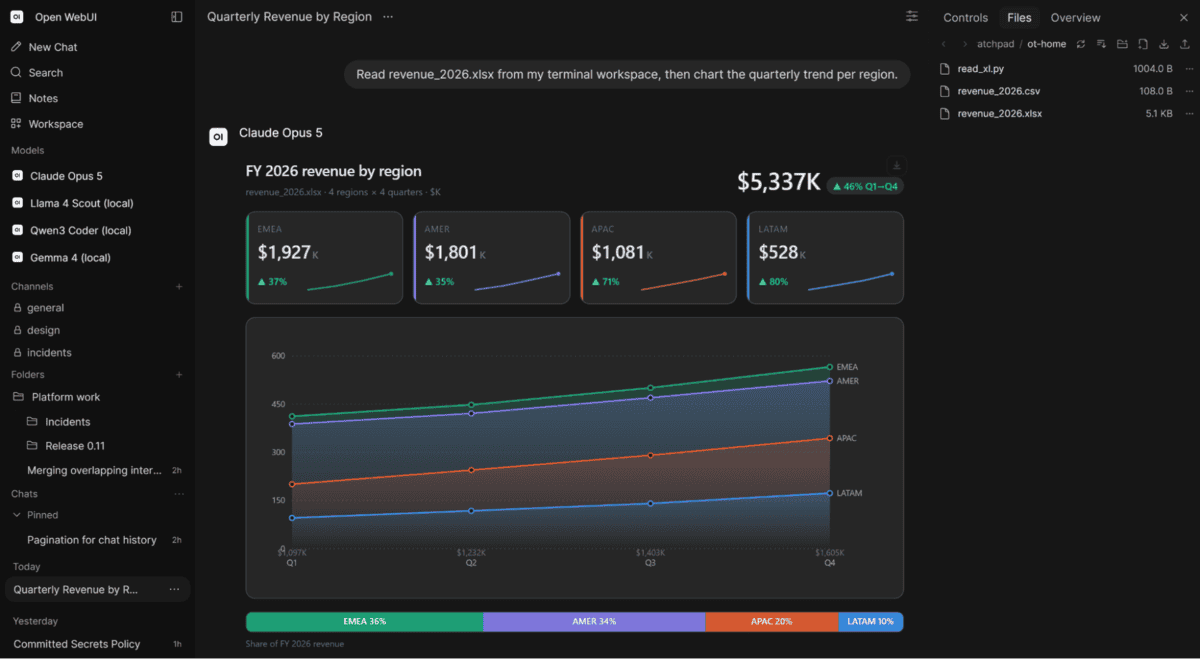
Among the frontrunners in this space is Open WebUI, an interface that gained widespread adoption via Docker deployments. Designed to mirror the look and feel of commercial alternatives, it enables users to chat with models, upload files, switch between various engines, and connect to local or remote endpoints. Its capacity to automatically detect local Ollama instances makes it a comprehensive workspace rather than a mere chat frontend.
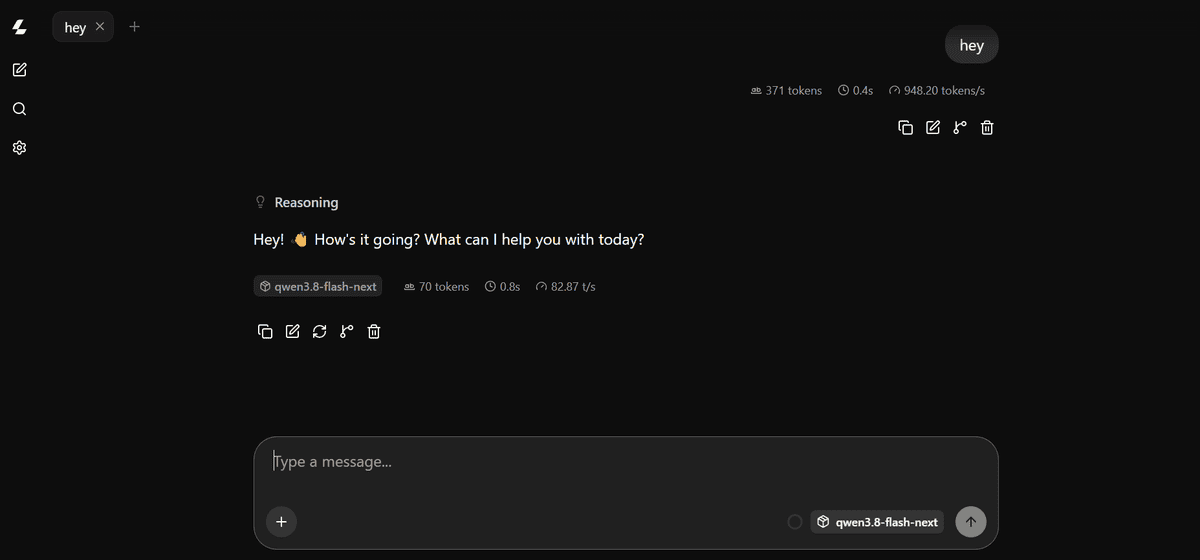
For users seeking extreme efficiency, the built-in WebUI of llama.cpp offers a remarkably lightweight option. By running the llama-server component, users simultaneously obtain an OpenAI-compatible API and a browser-based interface without needing to install an auxiliary application. It supports essential conversational features, including multi-threaded chat histories, streaming responses, and reasoning outputs, allowing operators to interact with GGUF models directly through their web browsers.
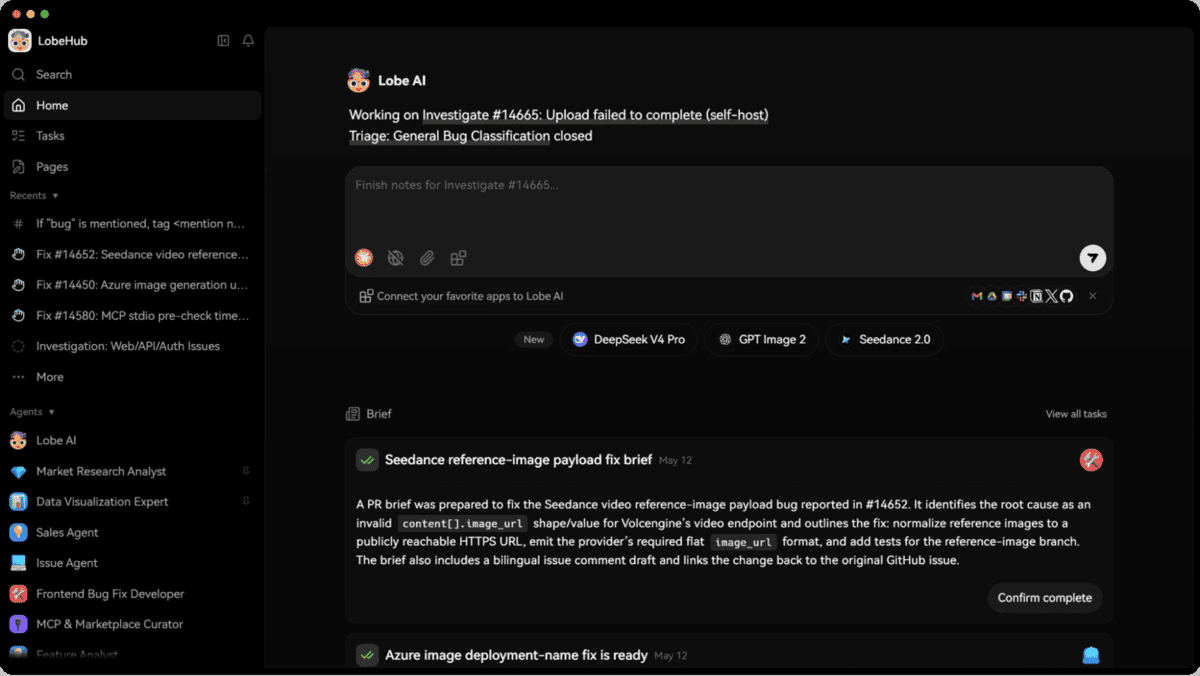
Expanding beyond basic text interaction, LobeHub delivers a polished interface tailored for specialized agent workflows. Users can connect local models via Ollama to establish customized assistants designated for coding, research, or writing, each configured with specific instructions and toolsets. This approach transforms a standard local chat environment into an adaptable, task-oriented workspace.
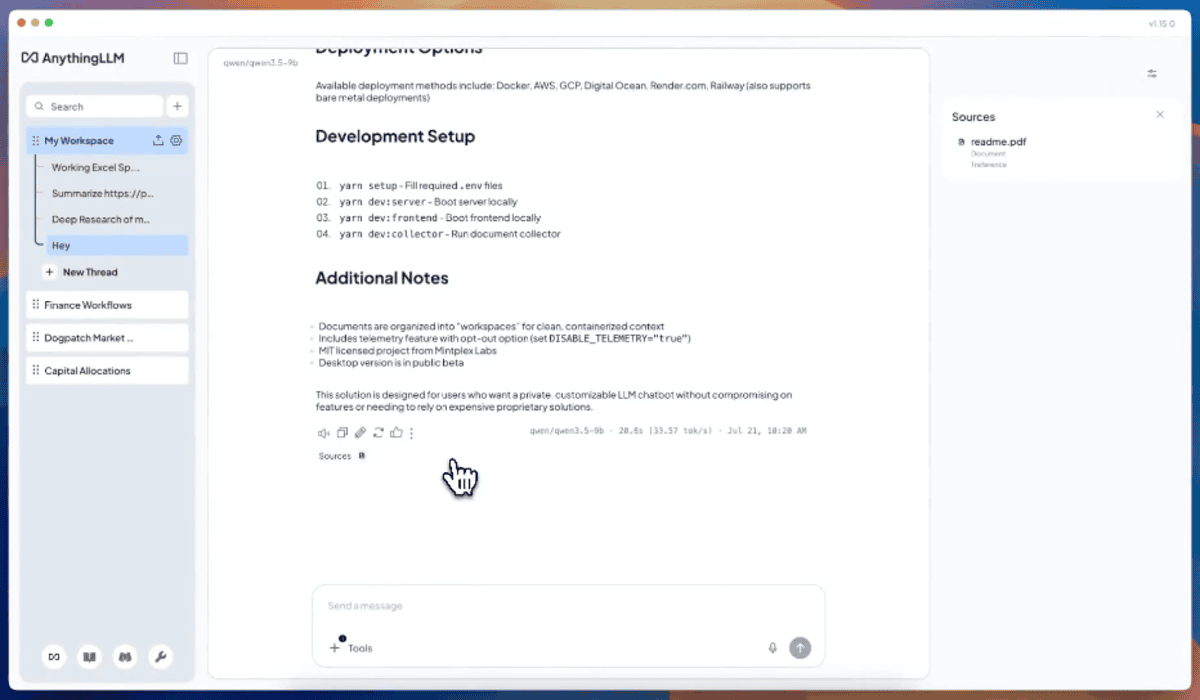
Document-centric workflows have similarly found a dedicated home in AnythingLLM. The platform addresses the need for localized retrieval-augmented generation by enabling users to ingest documents, manage vector databases, and organize information into distinct workspaces. This architecture allows professionals to partition research papers, technical documentation, and corporate files into separate knowledge bases, effectively turning local hardware into a private intelligence asset.
To minimize technical friction, desktop applications like Jan have simplified the deployment process for those hesitant to configure complex server environments. By packaging the runtime and interface into a single downloadable application, Jan allows users to establish an offline conversational environment without interacting with Docker or managing underlying infrastructure, while still retaining access to advanced configuration options for experienced operators.
Enterprise and power users looking for extensive customization frequently turn to LibreChat. The platform incorporates advanced features such as multi-provider model support, custom actions, code execution, conversation search, and authentication protocols. By integrating with locally hosted models, LibreChat functions as a centralized private AI platform capable of managing diverse user bases and complex multi-agent architectures.
Meanwhile, the Hugging Face Chat UI provides a streamlined, developer-focused frontend for existing inference servers. Compatible with any OpenAI-compliant API endpoint—including llama.cpp and Ollama—it delivers essential features like multimodal input and streaming responses without imposing a rigid runtime structure.
This maturation of open-source interfaces highlights a fundamental shift in how artificial intelligence infrastructure is conceptualized. By decoupling the interface from the underlying model provider, users retain total sovereignty over their data, infrastructure, and computational workflows, effectively reshaping the future of private AI deployment.