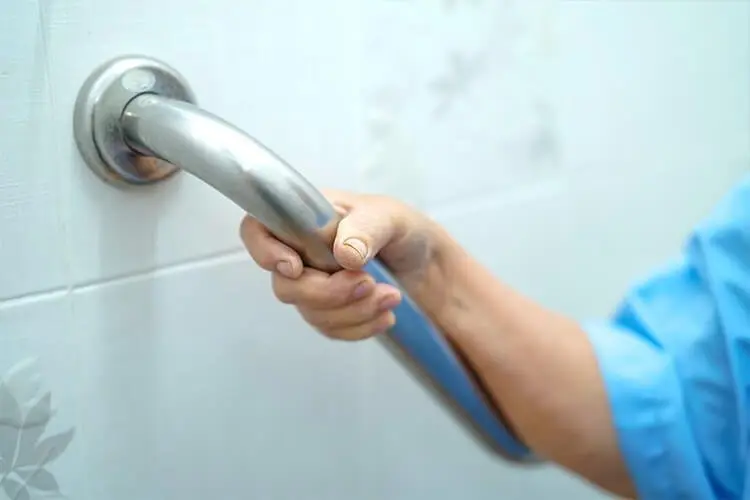
As aging populations look toward aging-in-place strategies to ensure long-term independence, bathroom safety has emerged as a paramount concern for homeowners and caregivers alike. Among the most effective, affordable, and essential accessibility modifications available today is the strategic installation of grab bars. Bathrooms present some of the highest-risk environments within any residential setting due to the combination of hard surfaces, moisture, and slippery floors. Properly installed grab bars significantly increase stability and reduce the likelihood of devastating falls when individuals navigate slippery showers, bathtubs, and toilets. However, a critical question frequently arises among homeowners embarking on these safety upgrades: At what height should grab bars actually be installed?
According to accessibility experts and industry standards, the ideal placement depends heavily on the specific needs of the primary user. Nevertheless, established regulatory guidelines offer a reliable foundation for installation projects.
ADA Grab Bar Requirements
When planning a bathroom modification project, looking to established codes provides a safe baseline. The Americans with Disabilities Act (ADA) standards recommend that rear and side grab bars be installed between 33 and 36 inches above the finished floor of the tub, shower, or bathroom. This specific measurement range serves as an optimal starting point for most standard residential and public applications.
Despite these established benchmarks, professionals emphasize that the most effective height for a grab bar is ultimately determined by what feels most secure, natural, and comfortable for the individual who will use it regularly. A petite homeowner, for instance, will require grab bars positioned lower than a taller family member. Furthermore, modifications such as a raised toilet seat alter the ergonomic geometry of the space, necessitating adjustments to the installation height. Placing a grab bar even a few inches off from a user’s natural reach can render it entirely useless during a moment of instability.
Vertical and Angled Grab Bars Height
While horizontal installations are traditional, homeowners are not strictly limited to horizontal configurations. Grab bars can also be installed at vertical or angled orientations depending on the layout of the bathroom and the physical requirements of the user.
Adopting vertical or angled placements often grants greater flexibility in installation heights. This approach can make the support infrastructure significantly more accessible for a wider range of users with varying mobility levels, offering continuous support as a person transitions from a sitting to a standing position or vice versa.
Entrance Grab Bars Height
Statistics consistently show that a significant proportion of bathroom slips and falls occur at the threshold of the shower or bathtub. Consequently, the entrance area requires meticulous planning and precise hardware placement.
The typical installation height for entrance bars ranges from 16 to 18 inches. For individuals who utilize a shower chair and require lower, more immediate support to stand up or safely transition into a seated position, installers may opt for a 24-inch grab bar placed lower down. Securing this entry point is vital, as it represents one of the most hazardous zones in the entire bathroom environment.
Back Wall Grab Bar Height
When outfitting the back wall of a shower or bathtub enclosure, standard practices recommend utilizing a horizontal bar measuring between 24 and 36 inches in length. This bar should be positioned securely at a height of 33 to 36 inches from the finished floor to the top of the bar.
Installers must also consider spatial dynamics relative to the home’s plumbing. When fixing a grab bar that spans less than 32 inches, best practices dictate shifting the bar away from the exact center and toward the plumbing wall of the bathroom. This offset placement offers crucial stability for individuals standing directly beneath the showerhead where water slickness increases fall risks.
Toilet Grab Bar Height
Navigating the toilet area safely can present substantial challenges for individuals experiencing lower-body weakness, joint pain, or balance impairments. Having reliable support when sitting down or rising from the toilet seat is critical for maintaining household independence.
Experts recommend installing two bars on either side of the toilet seat to maximize stability during transitions. A horizontal bar measuring between 16 and 32 inches, positioned at a height of 33 to 36 inches from the bathroom floor to the upper edge of the bar, delivers optimal accessibility and leverage for the user.
ADA Compliant Grab Bars
Selecting the right hardware is just as important as determining proper placement. Many commercial grab bars are engineered to comply with or exceed ADA standards, which represent the benchmark guidelines for accessibility in public spaces. These compliant products are invaluable for people with diverse abilities, including individuals who rely on wheelchairs for mobility.
Homeowners are generally advised to seek out ADA-compliant grab bars to ensure maximum structural integrity and weight capacity. Exploring offerings from popular manufacturers can also introduce homeowners to modern grab bar styles and designer finishes that blend safety features seamlessly with contemporary bathroom aesthetics.
Considerations Before Installation
Before drilling into bathroom tiles or drywall, careful observation of the intended user’s daily bathroom routine can prevent costly placement errors. Caregivers and family members should watch where the user naturally seeks support, identifying the exact zones where stability is compromised.
These critical areas invariably center around transfer points—such as rising from the toilet seat, sitting down, or stepping over a bathtub threshold. Even if a person can currently complete their routine independently, noting moments of sudden dizziness, fatigue, or muscle weakness helps determine where strategic support will prevent future accidents.
For households uncertain about optimal placement options, consulting a competent occupational therapist can provide immense value. A professional evaluation ensures that grab bar heights and configurations are tailored precisely to the physical capabilities of the resident, resulting in a personalized home remodeling plan that prioritizes safety, stability, and long-term functionality.
Homeowners should also evaluate existing fixtures during the planning phase. If a bathroom currently features a standard towel bar in a high-risk transfer zone, replacing it with a sturdy grab bar is often a practical upgrade. A heavy-duty grab bar can easily double as a towel rack while providing the structural support necessary to prevent slips when entering and exiting the bathing area.
While bathrooms remain the primary focus of accessibility modifications, safety experts note that expanding these efforts to other areas of the home can yield profound benefits. Installing matching grab bars alongside indoor staircases, hallways, or steps can substantially enhance overall mobility, safety, and domestic independence for older adults aging in place.