As the nationwide boom in artificial intelligence and cloud computing pushes digital infrastructure into communities at an unprecedented pace, local leaders are increasingly finding themselves unequipped to handle the immense pressures of modern data center development. In response to a wave of grassroots opposition, proliferating municipal moratoriums, and complex regulatory challenges, Climate Mayors has released a comprehensive new framework designed to give cities the clear guidelines, legal tools, and strategic foresight they desperately need.
The newly introduced model local law, developed in collaboration with the Model Climate Laws Initiative, the Sabin Center for Climate Change Law at Columbia Law School, and Climate XChange, provides local governments with actionable benchmarks for managing data center siting, permitting, transparency, and community benefits. This initiative follows a collaborative roundtable discussion held between mayors and policy experts late last year, which culminated in a joint report published in January by Climate Mayors and Bloomberg Associates examining how municipal entities can actively shape the outcomes of data center projects within their borders.
According to Climate Mayors Executive Director Kate Wright, the explosive growth of data centers has drastically outpaced existing municipal zoning codes and regulatory frameworks. "Data centers are moving faster and at a larger scale than most local codes were built to handle," Wright explained in an interview. "We realized we really need to equip our mayors to understand what regulatory authority they have and how they should be thinking about this decision-making."
A Growing Disconnect Between Developers and Local Communities
At the heart of the municipal struggle is a profound imbalance of power and information. Wright noted that the rapid rollout of massive server farms has exposed deep institutional discrepancies across the sector. "What we found is there’s an asymmetry in information between utilities, technology providers, data center developers, local governments, mayors, and community members," Wright said. She emphasized that most municipal regulatory environments simply were not designed to contend with the immense physical footprints, staggering energy demands, and rapid development timelines characteristic of contemporary data facilities.
This regulatory mismatch has triggered widespread pushback from residents across the United States. According to the US Data Center Moratorium Tracker maintained by Interconnected Capital, more than 500 local governments spread across 46 states have already enacted temporary bans or formal moratoriums on data center development. These pauses reflect mounting anxieties regarding local power grid capacity, water consumption for cooling systems, noise pollution, and the broader environmental footprint of tech infrastructure.
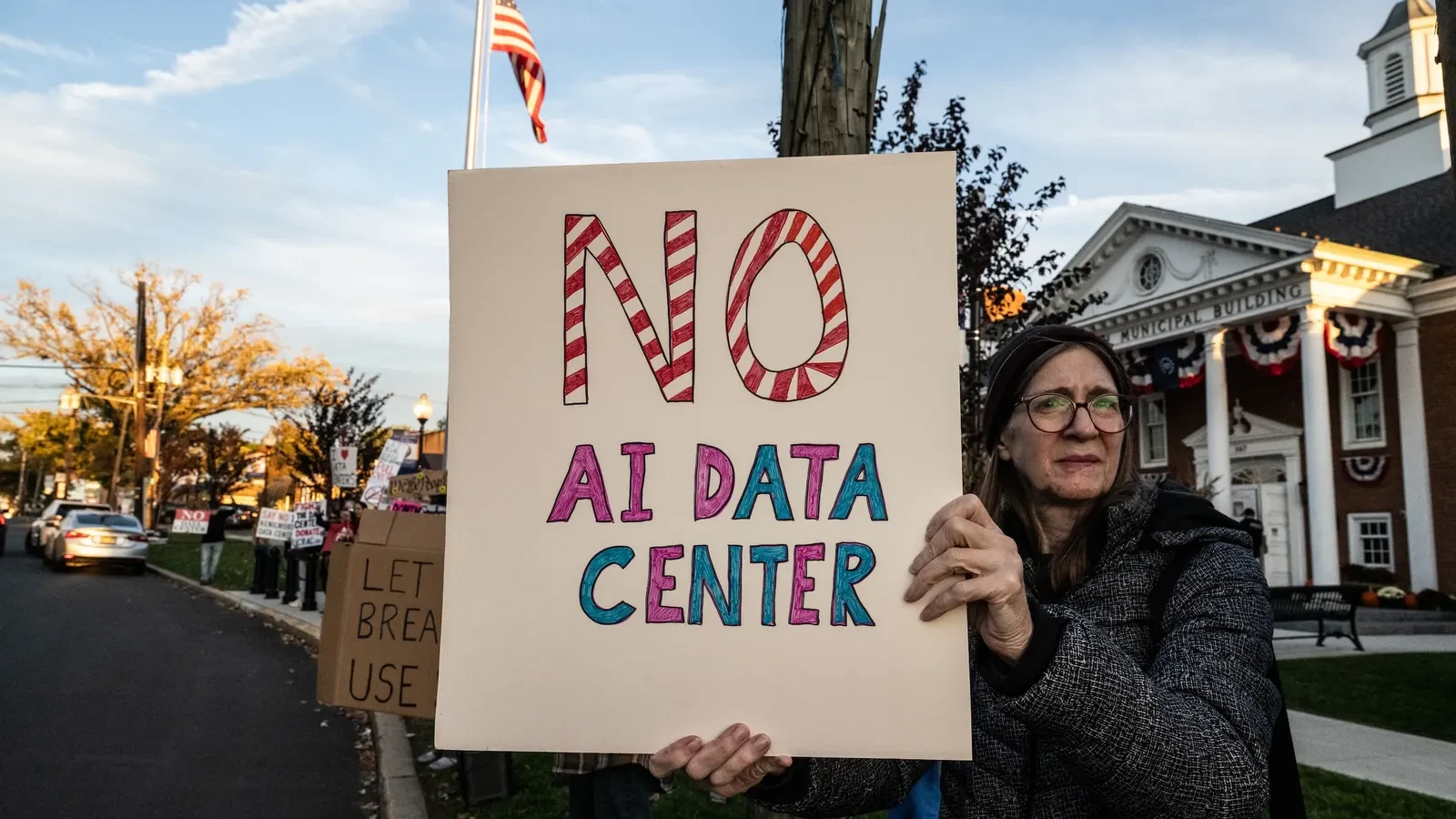
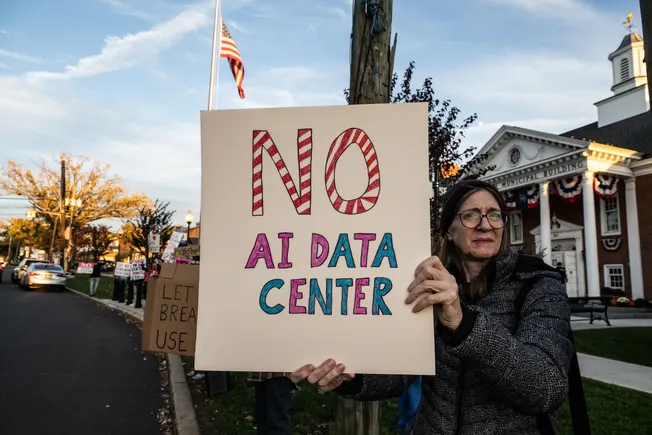
Recent protests, such as demonstrations against the CoreWeave AI data center outside the municipal building in Kenilworth, New Jersey, highlight the urgency felt by local constituents. Municipal leaders are caught between the economic promises dangled by tech developers and the vehement objections of residents who fear diminished quality of life and strained local resources.
"We wanted to make sure that as our mayors are pressing pause, they’re hearing the growing opposition from community members," Wright said. "Mayors are hearing from their residents and wanting to be responsive to their community members and wanting to ensure that there’s a good community engagement process."

Four Pillars of the New Municipal Framework
To bridge the gap between municipal leaders and tech developers while restoring public confidence, the Climate Mayors model local law centers on four major issues that have historically sparked contention during the planning and approval phases of data center projects.
The first major issue targeted by the framework is transparency. In many past developments, local officials and tech companies have relied on confidential discussions, closed-door negotiations, and non-disclosure agreements (NDAs) to fast-track multi-million-dollar projects. Wright pointed out that these opaque arrangements have created a severe deficit in public trust. "Secret deals and NDAs between cities and data center developers have become really problematic, and it’s really eroding public trust around these projects," she said. The model law urges cities to mandate open proceedings, public notices, and accessible documentation regarding energy usage and tax incentives, ensuring that taxpayers are fully informed about infrastructure projects taking shape in their neighborhoods.
The second focus area addresses siting and permitting, which Wright described as a core component for ensuring that massive server facilities do not cause irreversible harm to local ecosystems or community well-being. Under the proposed framework, local governments are encouraged to direct data center development toward underutilized land, brownfields, and established industrial zones. Conversely, the guidelines recommend actively discouraging these developments in areas prioritized for green space, affordable housing, and transit-oriented development. By steering facilities away from densely populated residential neighborhoods and environmentally sensitive zones, cities can minimize land-use conflicts.
Community benefit agreements (CBAs) form the third pillar of the newly released guidelines. As data centers promise immense capital investments while offering relatively few permanent local jobs compared to traditional manufacturing plants, the economic equation has faced intense scrutiny. Wright emphasized that robust CBAs must encompass rigorous job and wage considerations, strict environmental mitigation measures, and clear enforcement mechanisms regarding eventual decommissioning. "A big issue that has come up in cities is what makes sense in terms of the scale of investment compared to the scale of revenue being created," she noted. Ensuring that developers contribute tangibly to local infrastructure, educational programs, or public amenities helps balance the ledger for host communities.

Finally, the framework establishes operational standards to govern the daily functioning of these facilities once they are operational. Wright noted that cities must closely evaluate how data centers are powered, the environmental impact of backup generation sources, strict municipal noise standards, and the sustainable sourcing of materials used in construction. Because these facilities run continuously and draw massive amounts of electricity, setting clear baseline requirements for energy efficiency, grid integration, and emissions reduction is critical for meeting municipal climate targets.
As local officials continue to grapple with the pressures of the digital gold rush, the Climate Mayors framework aims to transform reactionary pauses into proactive, structured governance. By providing mayors with clear legal mechanisms to demand transparency, protect vulnerable land, and secure meaningful community benefits, the initiative offers a path forward for cities navigating the complex intersection of local democracy and technological expansion.