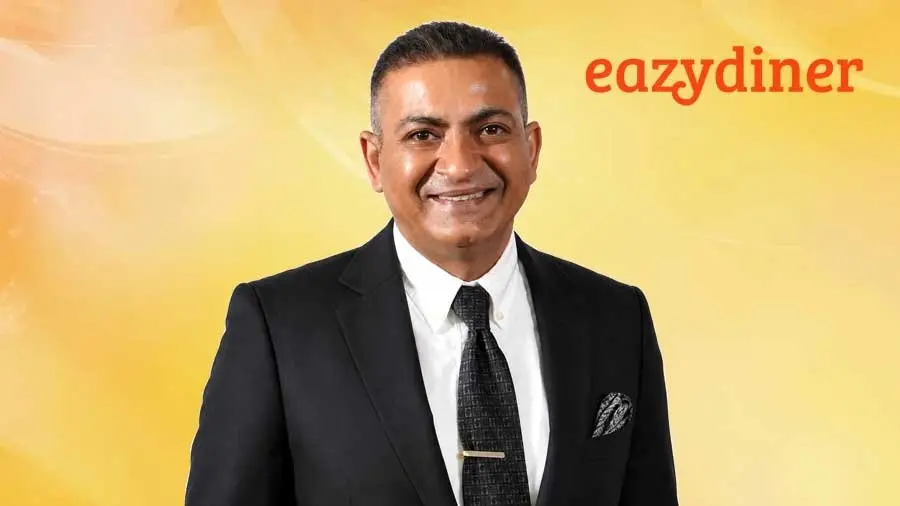
In an era where technology continually transforms how people interact with the physical world, the global hospitality and dining sectors are undergoing a profound evolution. At the forefront of this digital shift in India is Sachin Pabreja, the Co-Founder and Chief Executive Officer of EazyDiner. Transitioning from a distinguished career in luxury hospitality to the fast-paced world of consumer technology entrepreneurship, Pabreja has spent years observing and shaping the ways diners discover restaurants and how culinary establishments manage their operations and guest relations.
In a wide-ranging conversation, Pabreja reflects on his entrepreneurial journey, the integration of artificial intelligence and data analytics in dining, the rising global prominence of Indian cuisine, the growing importance of sustainability, and his core leadership philosophy.
From Luxury Hospitality to Tech Entrepreneurship
The leap from managing traditional luxury hospitality properties to launching a technology-driven startup is a significant transition. Reflecting on what inspired this move, Pabreja notes that his years spent working within the upper echelons of luxury hospitality exposed a persistent structural inefficiency in the market—a distinct disconnect between high-end restaurants and discerning diners.
EazyDiner was conceived and built specifically to bridge that gap. The core objective from day one was to make the dining-out process utterly seamless for consumers while simultaneously equipping restaurants with the tools they need to connect with the right target audience, optimize their capacity, and achieve sustainable long-term growth. Rather than viewing technology as a separate entity from traditional service, the platform was designed to complement the human elements of hospitality, ensuring that digital convenience enhances the overall guest experience rather than detracting from it.
The Digital Transformation of Dining
As technology redefines industries across the board, the food and beverage sector is no exception. Artificial intelligence, advanced data analytics, and digital innovations are rapidly altering the future of restaurants and hospitality at every level. According to Pabreja, the future of dining will be characterized by unprecedented levels of personalization, operational efficiency, and seamless execution.
From smarter, hyper-personalized restaurant recommendations and instant table reservations to deeply optimized kitchen and front-of-house operations, digital tools are changing the landscape. However, Pabreja emphasizes a crucial boundary: the ultimate future of hospitality lies in leveraging technology strictly to enhance and elevate human hospitality, never to replace the irreplaceable warmth of the human touch. Technology should serve as an invisible enabler, allowing hosts and chefs to focus more intensely on what they do best—delivering exceptional service and memorable culinary moments.
Indian Cuisine on the Global Stage
India’s food culture is exceptionally diverse, reflecting centuries of history, regional variations, and cultural exchanges. In recent years, this rich culinary heritage has gained remarkable global recognition. Pabreja highlights the profound role that Indian cuisine and indigenous hospitality play in enhancing the nation’s international image.
Indian food is far more than just a collection of flavors; it is a powerful, living expression of the country’s culture, immense diversity, and deep-rooted heritage. Through its vibrant flavors, intricate cooking traditions, and legendary ethos of treating guests with utmost reverence, Indian cuisine tells a compelling story to the world. It significantly strengthens India’s global identity as a destination defined by unmatched warmth, cultural richness, and culinary excellence.
The Rise of Sustainability and Conscious Dining
Consumer expectations are shifting rapidly, with sustainability and conscious dining moving from niche preferences to mainstream demands. Restaurants across the country are actively adapting to these changing expectations by embracing sustainable sourcing methods, minimizing food and material waste, and adopting socially responsible operational practices.
Looking ahead, Pabreja believes that the future of the industry will be decisively shaped by conscious consumers who actively seek authentic culinary experiences, complete supply-chain transparency, and a much stronger, more meaningful connection between the food on their plates, the people who grow and prepare it, and the health of the planet. Restaurants that fail to recognize and adapt to this paradigm shift risk losing relevance in an increasingly mindful marketplace.
Balancing Innovation and Sustainable Growth
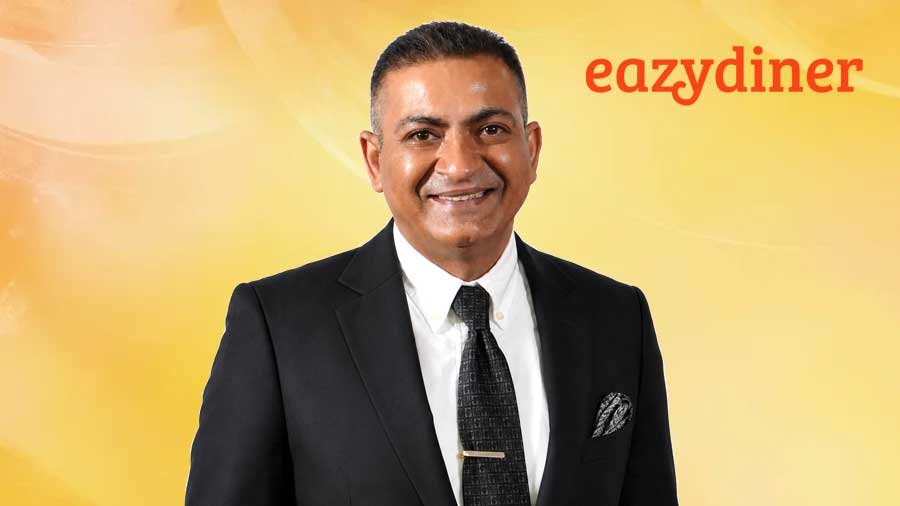
For any founder navigating a fast-changing market, balancing the constant pressure to innovate with the disciplined requirements of sustainable growth is a delicate tightrope walk. Pabreja explains that true innovation does not happen in a vacuum; it comes from staying intimately close to customers, eagerly embracing technological advancements, and continuously evolving in response to real-world feedback.
At the same time, achieving sustainable growth requires rock-solid business fundamentals, a crystal-clear long-term vision, and an unwavering commitment to building genuine, long-term value for both diners and restaurant partners. Short-term gimmicks may generate temporary attention, but enduring businesses are built on a foundation of operational discipline and customer trust.
Advice for the Next Generation of Founders
India’s startup ecosystem has evolved at a breathtaking pace over the past decade, giving rise to thousands of new ventures. For entrepreneurs currently building businesses in the consumer technology and hospitality sectors, Pabreja offers grounded, pragmatic advice.
Founders must focus relentlessly on solving genuine, everyday consumer problems, remain utterly obsessed with perfecting the customer experience, and approach business building with deep patience. In the combined realms of consumer technology and hospitality, long-term success is never an accident; it is the direct result of combining continuous innovation with strong fundamental business practices and sustainable growth. Above all, Pabreja stresses that entrepreneurs must stay deeply passionate about what they do, as passion is the fuel that sustains founders through inevitable challenges.
Looking Ahead: The Five-Year Vision for EazyDiner
Outlining his vision for the future, Pabreja shares that the goal for EazyDiner over the next five years is to cement its position as the most trusted dining ecosystem in the market—seamlessly connecting consumers and restaurants through advanced technology, intuitive discovery, and flawless experiences.
He notes that what excites him most about the broader future of India’s hospitality industry is its immense growth trajectory and its proven potential to showcase world-class dining experiences on the global stage. For young students and aspiring entrepreneurs who dream of building successful businesses in these sectors, his counsel is simple yet profound: combine the raw power of technology with the timeless warmth of hospitality. The greatest entrepreneurial opportunities will always emerge from creating practical solutions that make people’s daily lives simpler, easier, and more enjoyable. Entrepreneurship, he reminds aspirants, is a marathon rather than a sprint, requiring patience, the ability to embrace failures as vital learning lessons, and a commitment to innovating with clear purpose and unwavering passion.
Rapid Fire Insights
To better understand the mindset driving EazyDiner’s leadership, the conversation concluded with a rapid-fire round exploring personal preferences and principles:
When asked to name one city every food lover should visit, Pabreja instantly points to Hyderabad, a city celebrated for its rich royal culinary history and iconic flavors.
As for a cuisine he never gets tired of, his preference remains rooted in the comfort and complexity of South Indian fare.
On the professional front, the single leadership principle he lives by is rooted in three pillars: ownership, integrity, and people empowerment.
Looking at emerging trends in the broader market, he identifies the ongoing artificial intelligence revolution as the single most important hospitality trend that everyone should watch closely in the coming years.
Finally, reflecting on the literary works that have influenced his entrepreneurial path, he highlights The Law of Attraction by Esther and Jerry Hicks. The book teaches that the energy and focus individuals invest in their thoughts directly shape their mindset and actions. By actively cultivating positivity, clarity, and an unshakeable belief in their goals, leaders become far more open to recognizing hidden opportunities and successfully creating the future they aspire to build.