As the United States continues to grapple with a persistent and widespread affordable housing shortage, local leaders are increasingly looking toward innovative regulatory reforms to jump-start residential development. In response to this pressing urban challenge, Bloomberg Philanthropies has announced a major new initiative designed to help cities replicate proven housing strategies that have already yielded tangible results in places like Austin, Texas, Atlanta, and San Diego.
Under the new program, Bloomberg Philanthropies is distributing targeted investments ranging from $450,000 to $750,000 to 14 cities across the country. The initiative aims to empower municipal governments to overcome bureaucratic hurdles, streamline approval processes, and accelerate the construction and preservation of much-needed housing units.
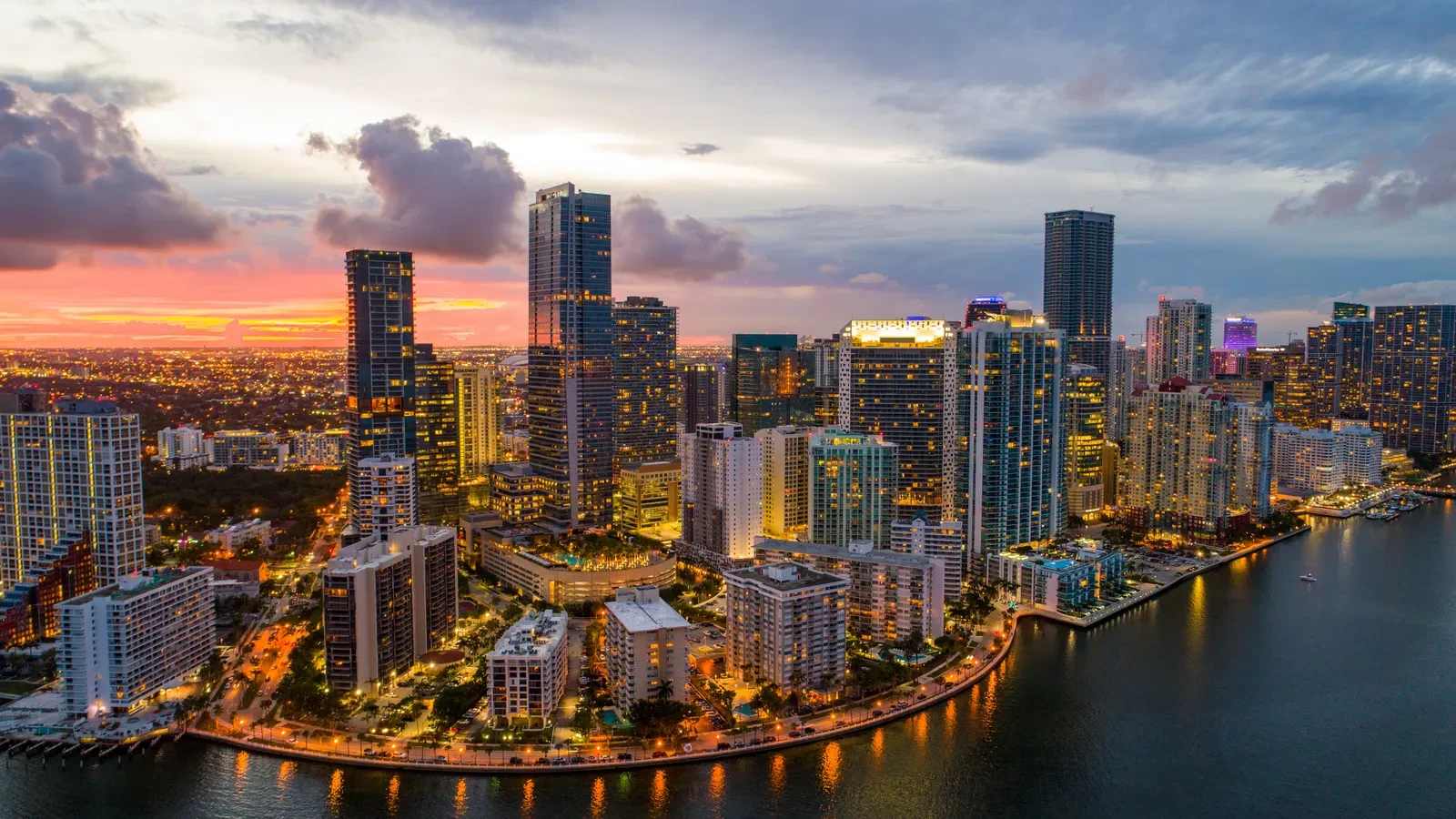
The first cohort of cities chosen to receive funding includes Albuquerque, New Mexico; Alexandria, Virginia; Charleston, South Carolina; Chattanooga, Tennessee; Cleveland; Columbia, South Carolina; Durham, North Carolina; Louisville, Kentucky; Miami; Nashville, Tennessee; Omaha, Nebraska; Pittsburgh; Providence, Rhode Island; and San Jose, California.
According to information shared by Bloomberg Philanthropies, these specific jurisdictions were selected through a rigorous evaluation process. Local governments were assessed based on their alignment with innovative housing policy ideas, their institutional readiness to adapt and implement regulatory changes, and demonstrated mayoral leadership dedicated to addressing housing affordability. In addition, municipal planners weighed local housing pressures and the overall population size of each candidate city to ensure the grants would be directed where they are most urgently needed.
The funding model is rooted in the success of pioneering initiatives launched in Austin, San Diego, and Atlanta, cities that have faced severe housing cost burdens but have managed to implement structural reforms that are currently producing measurable results.
In Austin, city leaders enacted significant changes to their land development code starting in 2015, notably legalizing accessory dwelling units—often referred to as ADUs or "granny flats"—on a broader scale across single-family residential lots. This policy change successfully unlocked new pathways for infill housing, leading to nearly 3,000 new ADU permits being issued by 2024. Research and housing advocacy organizations, such as the Pew Charitable Trusts, have pointed to Austin’s surge in new housing construction as a key driver in stabilizing and eventually driving down rental costs in the local market.
Similarly, San Diego took decisive executive action in 2023 by issuing an executive order aimed at slashing administrative processing times for affordable housing projects down to a maximum of 30 business days. The impact of this bureaucratic streamlining was immediate and dramatic, with housing construction permits jumping by 82% in the year following the order’s implementation compared to previous baselines.

Meanwhile, in Atlanta, city officials confronted the housing crisis by establishing a dedicated housing strike force in 2022. The primary objective of the strike force was to unify multiple municipal agencies and departments under a single, cohesive mission: to build or preserve 20,000 affordable housing units in under a decade.
Reflecting on the success of that model, Atlanta Mayor Andre Dickens noted in a news release that bringing disparate departments together proved vital. "We learned that the most effective way to get homes built is to bring every agency and organization with a hand in housing together under that one clear mission," Dickens said.
The financial support provided by Bloomberg Philanthropies is designed to help the newly selected 14 cities implement the infrastructure, staffing, and technological upgrades necessary to replicate these multi-faceted success stories. Specifically, the grant money will be used to pilot advanced technology platforms for faster housing and zoning approvals, hire dedicated staff members for municipal housing strike teams, and retain specialized architects to draft streamlined permit plans for developers.
In addition to direct financial grants, the initiative provides vital operational support and expertise from nonpartisan organizations, including the nonprofit Accelerator for America and other urban planning specialists. This collaborative network will help municipal leaders navigate the complex legal, financial, and logistical frameworks required to overhaul local land-use policies.

For mayors and local officials receiving the grants, the funding represents a timely infusion of resources to combat what has become the preeminent issue facing urban centers nationwide.
"Housing is issue number one for America’s mayors, and working with Bloomberg Philanthropies to adapt what is working elsewhere gives Miami more resources to lead as boldly as the challenge demands," said Miami Mayor Eileen Higgins in a news release announcing the awards. "We expect fast results, measured in more homes cleared for construction, and we are proud to do this work alongside leading local governments nationwide."
The initiative highlights a growing consensus among urban policy experts that solving the nation’s housing affordability crisis requires more than just capital investment; it demands systemic regulatory reform, cross-agency collaboration, and the modernization of antiquated municipal zoning codes. By bridging the gap between innovative policy models and local implementation, Bloomberg Philanthropies hopes to foster a nationwide wave of urban housing growth.
Local governments and municipal leaders interested in learning more about the program or exploring similar support initiatives are encouraged to register and review resources through the Bloomberg Cities Idea Exchange.