As municipal leaders across the United States grapple with an unrelenting affordable housing shortage, a major new philanthropic push is seeking to bridge the gap between innovative policy and local implementation. Bloomberg Philanthropies has announced substantial financial investments ranging from $450,000 to $750,000 across 14 cities nationwide, with the explicit goal of replicating highly successful housing production programs originally pioneered in Austin, Texas, Atlanta, and San Diego.
The initiative comes at a critical juncture for American urban centers. With housing affordability consistently ranking as the foremost concern for mayors and local administrators, municipal governments are increasingly embracing regulatory and zoning reforms designed to streamline local processes and encourage a surge in residential development. By providing targeted funding and operational expertise, Bloomberg Philanthropies aims to fast-track these much-needed reforms in diverse markets from the East Coast to the Pacific.
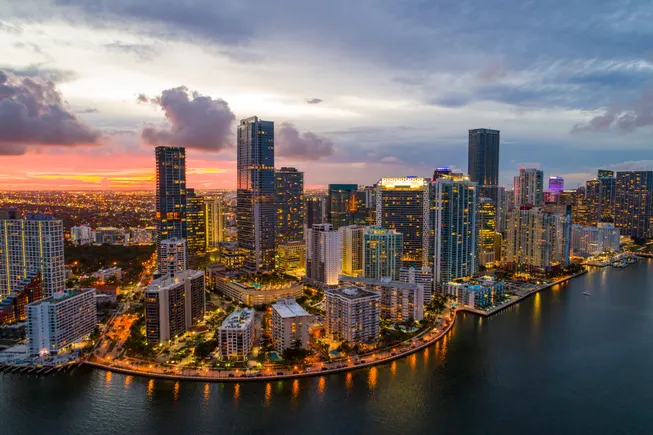
The first wave of 14 cities selected to receive the housing initiative funding includes Albuquerque, New Mexico; Alexandria, Virginia; Charleston, South Carolina; Chattanooga, Tennessee; Cleveland; Columbia, South Carolina; Durham, North Carolina; Louisville, Kentucky; Miami; Nashville, Tennessee; Omaha, Nebraska; Pittsburgh; Providence, Rhode Island; and San Jose, California.
According to communications from Bloomberg Philanthropies, the selected jurisdictions were evaluated based on a rigorous set of criteria. These included their local government’s philosophical alignment with proven housing strategies, their institutional readiness to adapt existing regulatory frameworks, and demonstrated mayoral leadership dedicated to resolving local housing pressures. Furthermore, municipal data regarding local housing market pressures and overall population size were factored into the final selection process.
The overarching strategy of the program relies on the adaptation of housing models that have already weathered the test of real-world implementation. While cities like Austin, Atlanta, and San Diego continue to experience unique local housing challenges, their specific, targeted interventions have yielded measurable results that have caught the attention of urban planners nationwide.
In Austin, a pivotal policy shift occurred in 2015 when the city amended its land development code to significantly ease regulations surrounding accessory dwelling units, commonly known as ADUs or "granny flats." By allowing these smaller residential units to be constructed on a greater number of single-family lots, the city unlocked a massive wave of grassroots development. This regulatory modernization directly catalyzed the permitting of nearly 3,000 new housing units by 2024, proving that incremental density changes can substantially bolster local housing supply.
Meanwhile, on the West Coast, San Diego took a radically direct approach to administrative bottlenecks. Following a mayoral executive order in 2023 designed to drastically cut bureaucratic processing times, the city mandated that affordable housing project permits be processed in no more than 30 business days. The impact was immediate and dramatic: housing construction permits issued in San Diego jumped by an astonishing 82% in the year following the order’s enactment.

On the municipal organizational front, the city of Atlanta demonstrated the power of cross-agency collaboration when it established a dedicated housing strike force team in 2022. The initiative was forged with an ambitious overarching goal: to advance the construction or preservation of 20,000 affordable housing units in under a decade by systematically breaking down traditional bureaucratic silos and bringing together leaders from multiple city agencies under a single banner.
"We learned that the most effective way to get homes built is to bring every agency and organization with a hand in housing together under that one clear mission," Atlanta Mayor Andre Dickens noted in a news release discussing the city’s ongoing housing efforts.
The substantial grants provided by Bloomberg Philanthropies will be deployed directly into the operational trenches of the newly selected municipal governments. Funding will be earmarked for a variety of high-impact uses, including piloting advanced technology systems designed to streamline housing approval workflows, hiring dedicated professional staff for local housing strike teams, and retaining specialized architects to draft efficient permit plans. Additionally, a portion of the support will secure vital operational assistance from the nonpartisan nonprofit Accelerator for America, alongside other industry specialists.
Local leaders have greeted the infusion of resources and expertise with enthusiasm, recognizing the urgency of the moment.

"Housing is issue number one for America’s mayors, and working with Bloomberg Philanthropies to adapt what is working elsewhere gives Miami more resources to lead as boldly as the challenge demands," said Miami Mayor Eileen Higgins in a statement released following the announcement. "We expect fast results, measured in more homes cleared for construction, and we are proud to do this work alongside leading local governments nationwide."
The collaborative initiative underscores a broader philosophical shift in American urban planning, moving away from localized experimentation in isolation and toward a networked approach where successful municipal interventions can be systematically exported, scaled, and tailored to fit the unique legal and geographic landscapes of cities across the country.
Local governments and municipal stakeholders interested in exploring similar avenues of support and learning more about the underlying strategies are being encouraged by program organizers to register with the Bloomberg Cities Idea Exchange, where a repository of housing supply ideas and implementation frameworks continues to be curated for civic leaders.