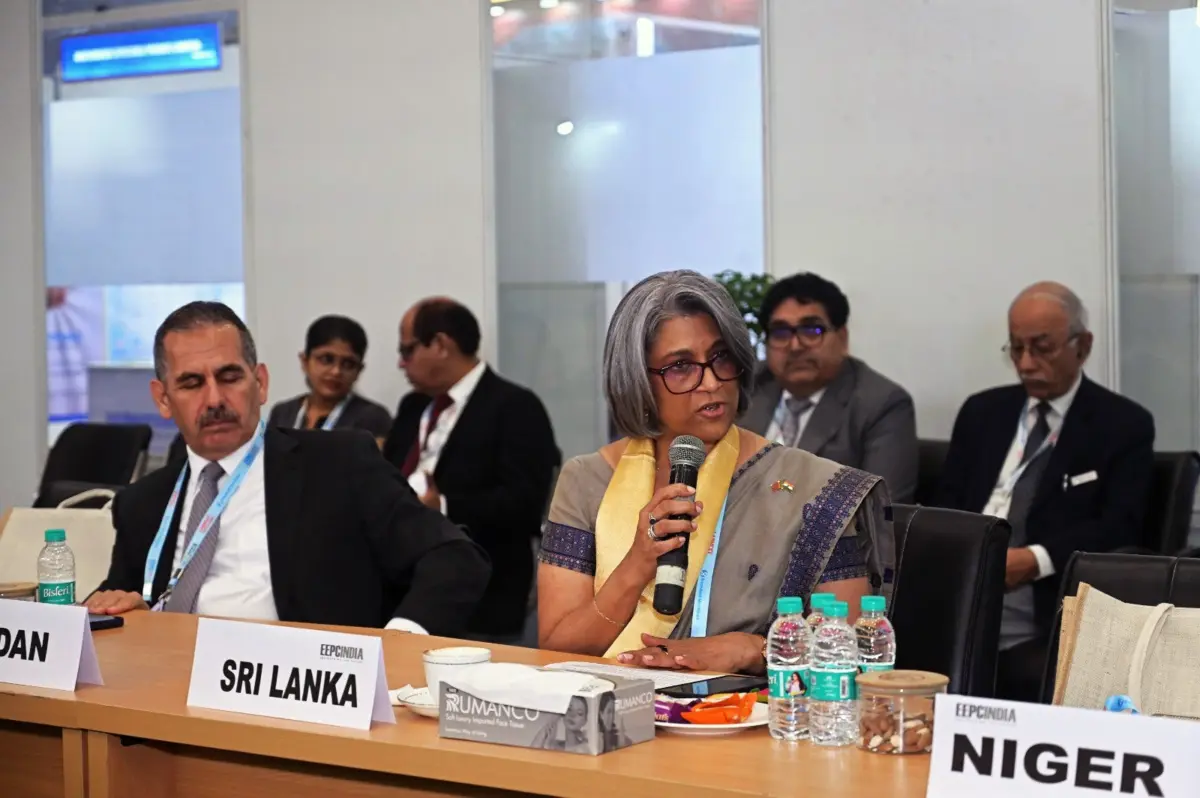
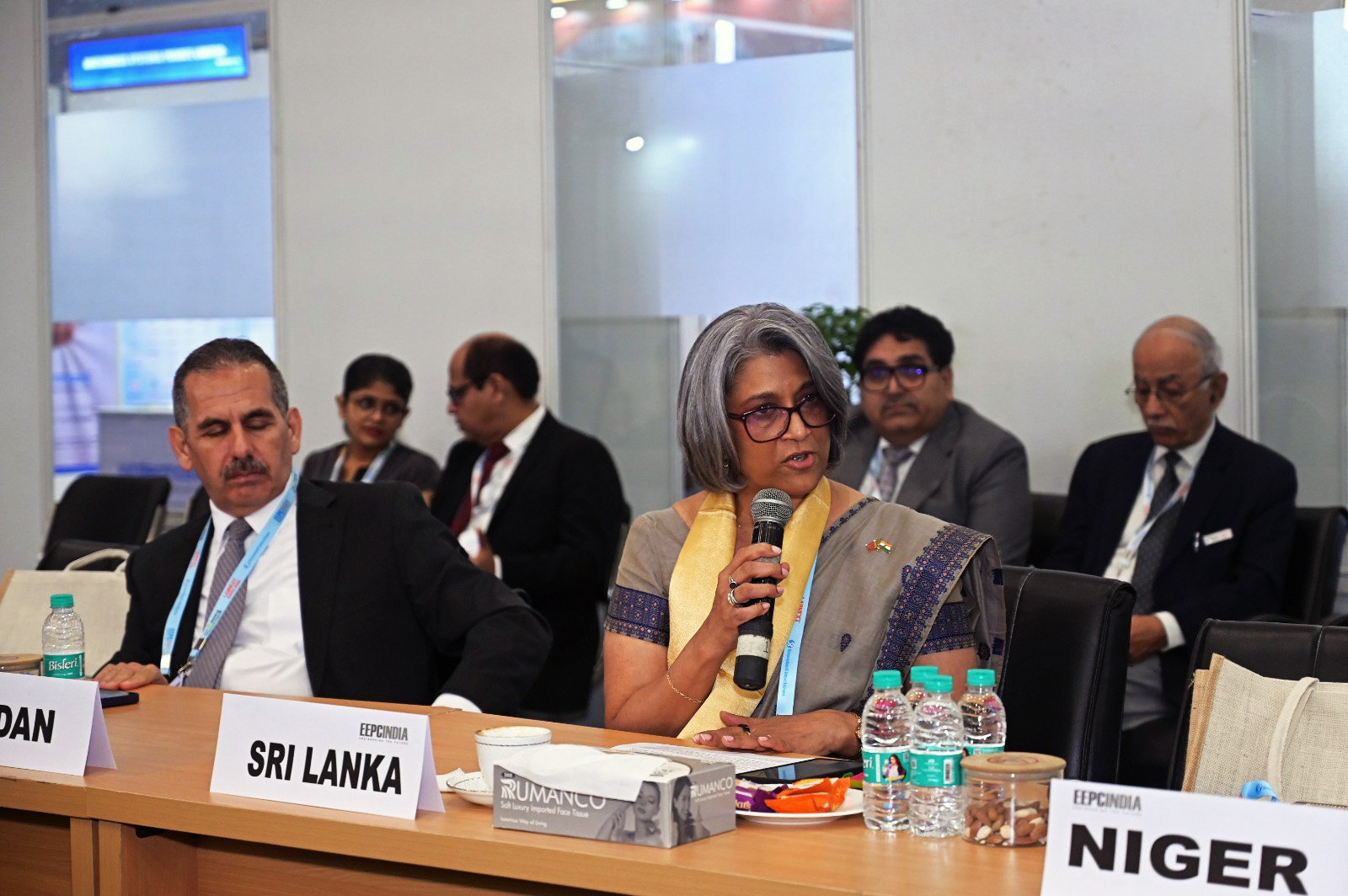
Sri Lanka’s High Commissioner to India, Mahishini Colonne, has used a major international platform in New Delhi to champion deeper bilateral cooperation between India and Sri Lanka across pharmaceutical manufacturing, healthcare technologies, investment, and resilient supply chains. Addressing the Ambassadors’ Conference on Healthcare Technologies and Pharmaceutical Manufacturing, held on September 8, 2026, the High Commissioner outlined a comprehensive vision for aligning the two neighboring nations’ medical and industrial ecosystems.
The high-level conference was organized as a core segment of the Pharma MachTech Expo and LabNext Expo 2026, which took place in the Indian capital from September 7 to 9. The gathering served as a dynamic forum for diplomatic representatives from 15 countries, senior Indian government policymakers, and leading industry stakeholders to exchange perspectives on international trade, emerging innovations in drug manufacturing, and potential avenues for cross-border partnerships.
Opening her address, High Commissioner Colonne acknowledged that India and Sri Lanka already share a robust and enduring pharmaceutical trading relationship. However, she strongly emphasized that there is significant untapped potential to build upon this solid foundation. Moving beyond traditional trade models, she called for proactive initiatives focused on localized manufacturing, foreign investment, and advanced technology partnerships that can mutually benefit both economies and reinforce regional health security.
Detailing the landscape of the sector, the High Commissioner pointed out opportunities spanning the entire pharmaceutical value chain. These areas include the production of active pharmaceutical ingredients (APIs), the manufacturing of specialized medical devices, laboratory and diagnostic technologies, and the implementation of advanced quality-control systems. Currently, Sri Lanka imports the vast majority of its pharmaceutical requirements to meet domestic healthcare demands, with local manufacturers supplying only a modest share. This reliance on imports creates substantial commercial space and long-term opportunities for foreign investors and industrial manufacturers looking to establish production footprints in the region.
To attract these vital investments, High Commissioner Colonne highlighted Sri Lanka’s evolving policy landscape, which increasingly prioritizes pharmaceutical manufacturing as a cornerstone of national economic development. The sector has been officially designated as a priority investment area by the Sri Lankan government. Under this framework, qualifying manufacturing projects are granted extended tax incentives designed to lower operational costs and improve profitability. Furthermore, investors benefit from fast-tracked regulatory approval processes managed through the National Medicines Regulatory Authority, ensuring a more efficient path from project conceptualization to commercial operation.
Adding further momentum to these industrial initiatives, the High Commissioner drew specific attention to the dedicated pharmaceutical manufacturing zone established in Hambantota. This specialized zone has been intentionally designed and developed for domestic and international companies seeking to build robust production facilities and advanced technology capabilities within Sri Lanka, offering modern infrastructure tailored to the rigorous demands of the pharmaceutical industry.
Beyond domestic incentives, High Commissioner Colonne noted that Sri Lanka’s existing Free Trade Agreement with India provides an exceptional strategic advantage for investors. Under the framework of this agreement, more than 50 distinct categories of pharmaceutical products and medical devices already enjoy duty-free access to the massive Indian market, creating a seamless bridge for manufacturers operating out of Sri Lanka to export back into India and the wider South Asian region.
Addressing the broader geopolitical and economic context, the High Commissioner stressed that building manufacturing capacity closer to consumer markets has transformed from a purely commercial strategy into a fundamental imperative of health security and supply-chain resilience. Recent global disruptions have underscored the necessity of robust, diversified regional supply chains that can withstand external shocks. In light of these challenges, she advocated for heightened cooperation in critical areas such as cross-border technology transfer, workforce skills development, collaborative scientific research, and streamlined regulatory harmonization between New Delhi and Colombo.
The unique advantages supporting this vision include Sri Lanka’s close geographical proximity to India, their long-standing institutional and diplomatic relationship, and the island nation’s increasingly welcoming stance toward foreign direct investment across all tiers of the pharmaceutical and healthcare value chains. These factors combine to create an ideal environment for strategic industrial integration.
Concluding her address, High Commissioner Colonne extended a formal and warm invitation to Indian industry stakeholders, corporate leaders, and trade associations to participate in the upcoming Sri Lanka Expo 2027. Serving as the country’s flagship trade and investment exhibition, the event is scheduled to take place in Colombo from January 14 to 17, 2027. The upcoming expo is expected to provide an invaluable platform for Indian enterprises and other international participants to explore direct trade agreements, investment ventures, and strategic partnerships in Sri Lanka, further cementing the economic ties highlighted during the New Delhi conference.