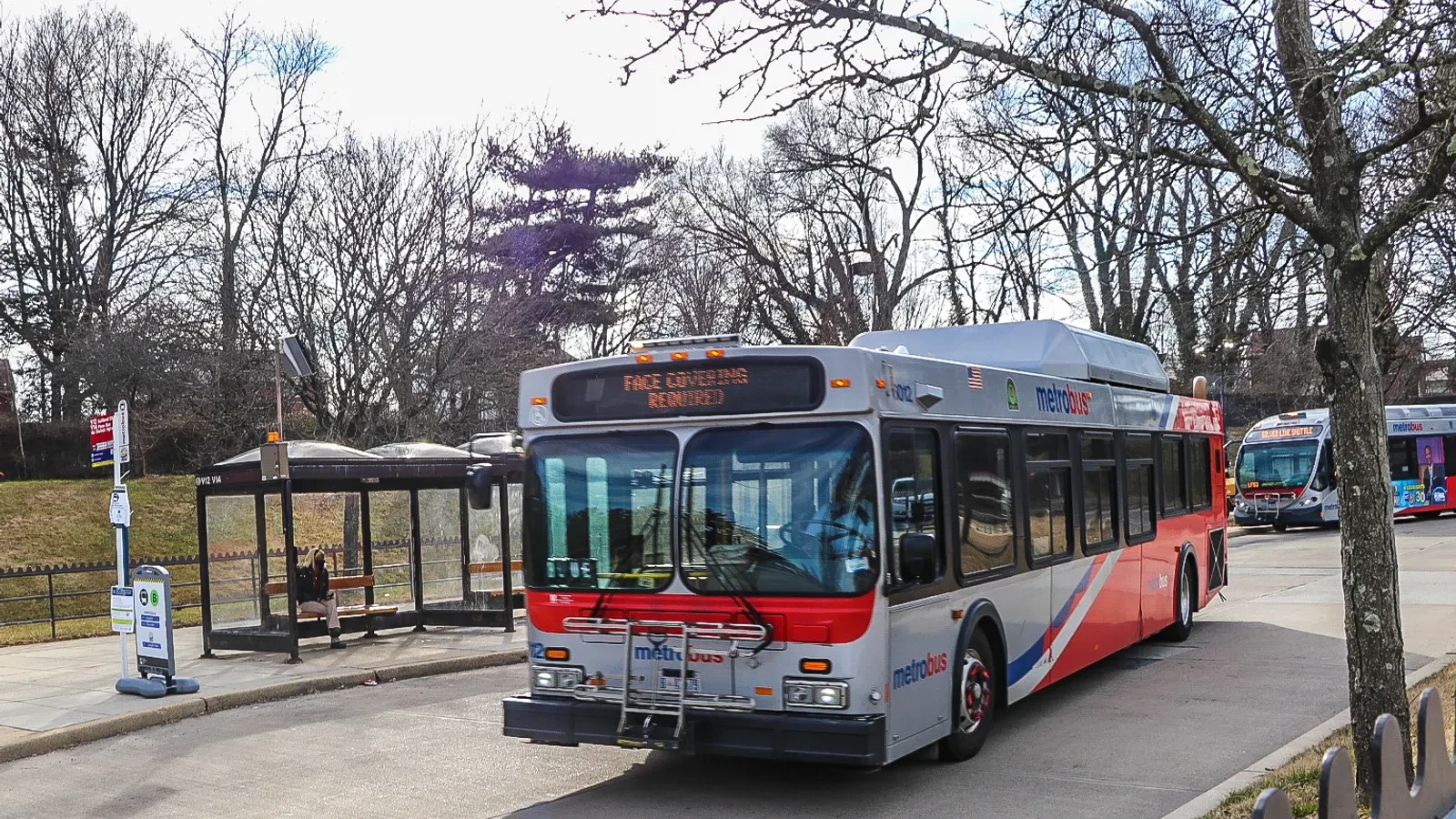
The economic impact of public transportation infrastructure stretches far beyond the urban streets where commuters board their daily rides, anchoring thousands of jobs across manufacturing, supply chains, and local communities nationwide. According to a comprehensive new report released by Oxford Economics, the United States transit bus sector serves as a vital engine of industrial activity, supporting tens of thousands of workers while navigating a shifting technological and operational landscape.
Published on September 18, 2026, the report underscores a fundamental truth about modern public mobility networks: “The industry’s economic footprint extends well beyond the firms that assemble transit buses.” While final assembly lines represent the most visible face of bus manufacturing, the broader ecosystem encompasses a vast network of component suppliers, raw material providers, and service networks that stretch across multiple states.
U.S. public transit agencies currently operate more than 65,000 heavy-duty transit buses, providing indispensable mobility services for millions of daily riders. Behind this massive fleet lies a specialized industrial sector that directly employed approximately 4,700 workers in 2025 across vehicle assembly plants. Furthermore, the extensive supply chain required to build these complex machines supported an additional 15,900 jobs, highlighting the interconnected nature of heavy-duty vehicle manufacturing.
Geographically, the economic benefits of this industrial footprint are concentrated in specific regions. States such as California, Alabama, Illinois, Indiana, Michigan, Minnesota, New York, Pennsylvania, and Texas have captured the lion’s share of economic activity generated by transit bus manufacturers and their Tier-1 and Tier-2 suppliers. These states host major production facilities, engineering centers, and specialized component fabricators that feed into the final assembly of modern urban transit fleets.
Beyond direct manufacturing and supply chain employment, Oxford Economics calculated the indirect and induced economic impacts of the sector. The report reveals that wage-funded household spending—driven by the earnings of workers in the manufacturing and supply chain sectors—generates an estimated 13,500 additional jobs throughout the broader economy. As transit manufacturing employees spend their wages on housing, retail, healthcare, and local services, they stimulate further economic growth in their respective communities.

The domestic transit bus market is anchored by a select group of prominent manufacturers. According to the report, the majority of transit buses delivered to U.S. buyers in 2025 were manufactured by Gillig and New Flyer. These established industry leaders have long supplied heavy-duty vehicles to major metropolitan areas and mid-sized transit agencies alike. Additional market share was supplied by companies such as ElDorado National, Solaris, and BYD, reflecting a competitive landscape that blends traditional domestic heavy-duty builders with international firms adapting to the North American market.
The technological makeup of the national fleet is also undergoing a deliberate, albeit complex, transition. While traditional internal combustion engines remain a significant part of current operations, alternative propulsion technologies have gained substantial ground. Battery-electric buses accounted for approximately 20% of total deliveries during the 2023-2024 period, reflecting aggressive sustainability targets set by transit agencies across the country. Meanwhile, diesel-powered vehicles continued to account for 55% of deliveries over the same timeframe, as agencies balance immediate budgetary and operational reliability needs with long-term zero-emission goals.
Despite steady demand and ongoing technological modernization, the transit bus sector continues to confront significant structural hurdles, particularly concerning fleet age and historical production bottlenecks. The report highlights that approximately 21% of the national transit bus fleet—amounting to roughly 13,700 vehicles—has exceeded 12 years of age. Under guidelines established by the Federal Transit Administration, 12 years represents the standard expected useful life for heavy-duty transit buses, meaning more than one-fifth of the nation’s operational fleet is currently running past its nominal retirement milestone.

The accumulation of aging buses is largely the result of constrained manufacturing output over the first half of the decade. Annual transit bus production ranged between 4,000 and 4,800 vehicles annually from 2020 through 2025. This production volume represents a noticeable decline from the pre-pandemic era, when annual output consistently exceeded 6,000 vehicles between 2017 and 2019.
The deceleration in manufacturing output was driven by a confluence of compounding crises. COVID-19-era supply chain disruptions, severe worker shortages across specialized industrial trades, and financial instability among certain municipal transit agencies heavily crimped bus production capabilities, creating a prolonged backlog that manufacturers and agencies have been working diligently to overcome.
Looking ahead, industry leadership remains optimistic about market fundamentals, pointing to the undeniable backlog of aging vehicles that urgently require replacement. John Sapp, CEO, president, and director of NFI Group—the parent company of major manufacturer New Flyer—addressed the market outlook during an earnings call on August 7. Sapp noted that New Flyer expects continued strength in the market, driven fundamentally by the pressing, structural need for transit agencies to replace their aging fleets and modernize their operations to meet evolving passenger demands and environmental mandates.