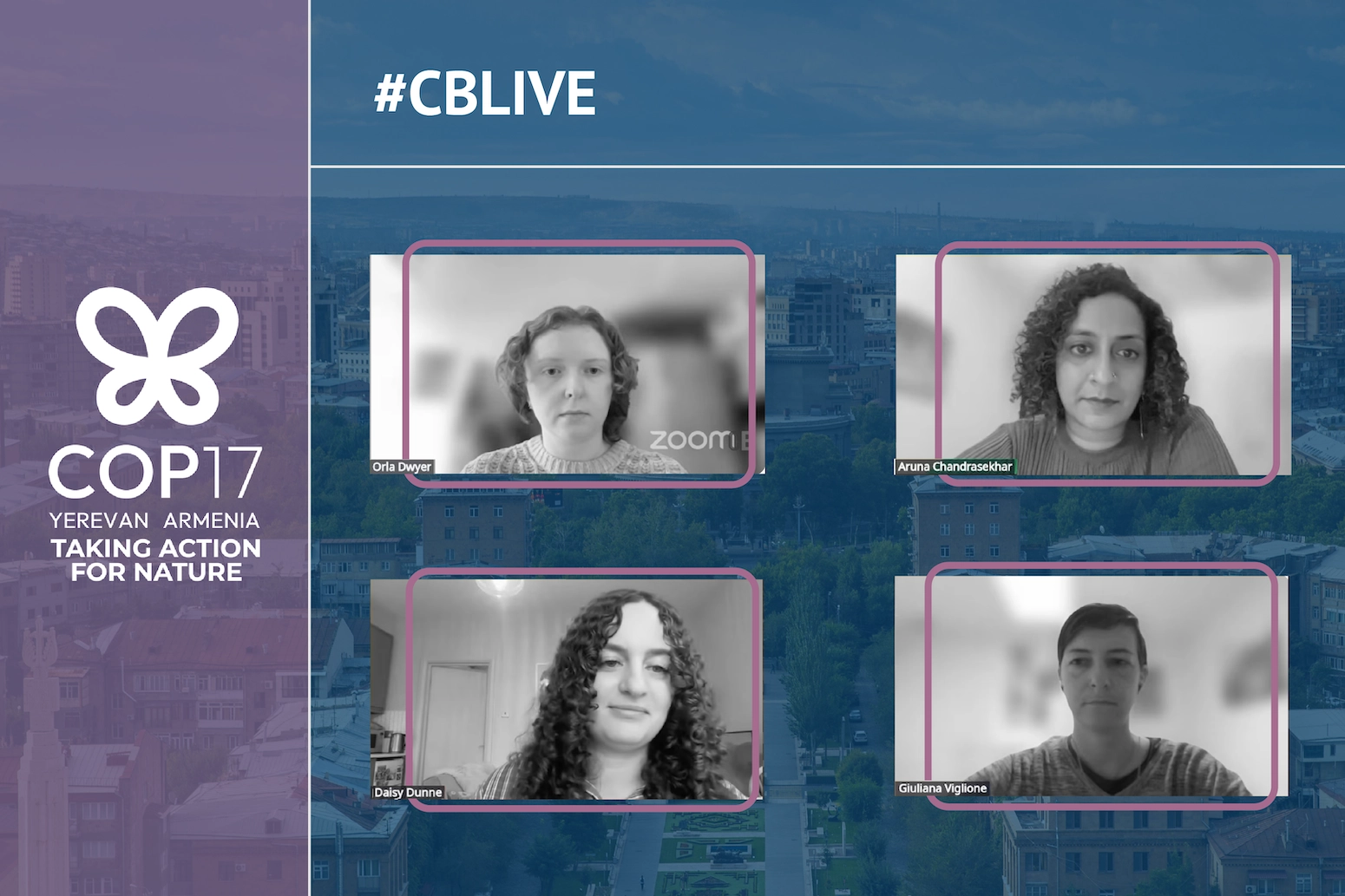
Following the conclusion of this year’s United Nations COP17 biodiversity conference in Yerevan, Armenia, Carbon Brief’s team of specialized journalists has hosted an in-depth livestream to unpack the major developments, diplomatic friction points, and critical takeaways from the two-week global summit.
The virtual event brought together reporters who were stationed on the ground in Yerevan alongside editorial staff tracking the negotiations remotely from major international hubs. The comprehensive discussion offered audiences a chance to review the monumental policy debates that shaped the conference and to engage directly with the journalists who spent the fortnight scrutinizing the text, tracking government pledges, and interviewing delegates.
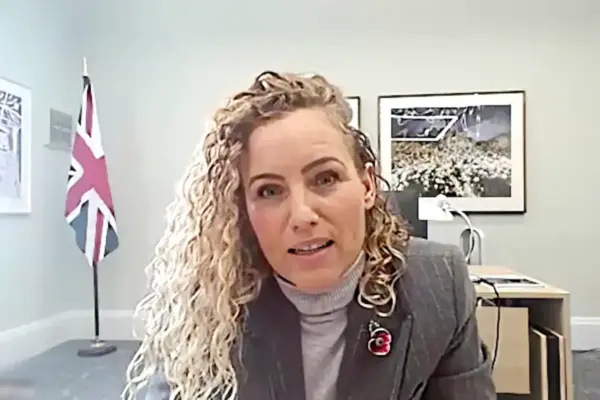
Carbon Brief’s Orla Dwyer and Aruna Chandrasekhar, who spent the duration of the summit reporting directly from the Armenian capital, led the broadcast. They were joined by associate editors Dr Giuliana Viglione and Daisy Dunne, who provided valuable perspective from Washington DC and London, respectively. Together, the panel synthesized a mountain of conference documentation, including Carbon Brief’s newly published 10,000-word comprehensive explainer detailing the outcomes of COP17.
Deconstructing the Major Issues of Yerevan
To open the livestream, Dwyer and Chandrasekhar provided a foundational overview of the overarching themes that dominated the COP17 negotiations. Among the most pressing subjects addressed was the ongoing controversy surrounding biodiversity finance. As nations grapple with the massive economic costs required to halt and reverse ecological decline, the summit served as a critical testing ground for whether wealthy nations would step up to meet their financial commitments to the developing world.
The journalists highlighted that developed countries have continued to fall far short of UN targets for nature finance, creating a deep rift between the Global North and Global South. This funding gap remains one of the greatest obstacles to achieving global biodiversity goals, as developing nations argue they cannot implement sweeping conservation mandates without substantial, predictable international financial support.
Another major milestone discussed during the opening remarks was the introduction of the first-ever "global review" of progress toward reversing nature loss. Designed to take stock of how far the international community has come since the adoption of previous landmark global biodiversity frameworks, this stocktake revealed stark realities about the slow pace of implementation worldwide.
Interactive Audience Q&A and Key Policy Debates
Following the initial briefing, the four journalists transitioned into an interactive "ask me anything" format, addressing a wide array of live questions submitted by the audience. The conversation ranged from technical policy hurdles to novel financial instruments designed to mobilize capital for ecosystem protection.
One prominent topic of audience inquiry was the status of nature-harming subsidies. Recent analysis by Carbon Brief revealed that an overwhelming 84 percent of nations missed critical self-imposed deadlines to identify and report on subsidies that actively incentivize environmental degradation. The panel discussed why governments have struggled to tackle these economically entrenched policies, which continue to funnel billions of dollars into industries like intensive agriculture, fossil fuels, and overfishing.
The discussion also ventured into marine biodiversity, exploring how international agreements are addressing the fragility of ocean ecosystems, deep-sea conservation, and the protection of international waters. Additionally, the panel addressed the operational status of the Cali fund, a newly established financial mechanism intended to harness private-sector contributions to support nature conservation. The fund recently received its first symbolic donation of one thousand dollars, prompting a broader discussion among the journalists about whether voluntary private-sector contributions can scale up rapidly enough to bridge the multi-billion-dollar nature funding deficit.

Comprehensive Coverage and Ongoing Tracking
The live webinar serves as the latest installment in Carbon Brief’s extensive multi-platform coverage of the COP17 summit. In addition to the livestream recording—which has been made publicly available to watch on YouTube—the publication has rolled out a series of analytical tools and investigative pieces designed to help policymakers, researchers, and the public monitor global commitments.
These complementary resources include an in-depth tracker analyzing which countries have released new pledges to tackle nature loss, a specialized interactive dashboard tracking progress toward the UN’s overarching 2030 nature targets, and detailed breakdowns of the financing shortfalls exhibited by developed economies.
As the international community digests the complex compromises reached in Yerevan, Carbon Brief’s ongoing reporting underscores the immense pressure facing governments as they attempt to translate diplomatic agreements into tangible action on the ground before the decade closes.