
New Federal Communications Commission (FCC) filings have brought fresh attention to the complex intersection of national security, supply chain resilience, and international technology regulation. Amid ongoing legal challenges from prominent Chinese drone manufacturers, Senator Rick Scott has intervened to defend the inclusion of DJI and Autel Robotics on the FCC’s restrictive Covered List, pointing to years of congressional oversight and sensitive military intelligence to justify the regulatory crackdown.
The unfolding administrative battle centers on attempts by both companies to reverse regulatory actions that have severely limited their ability to market and authorize new telecommunications and surveillance equipment in the United States. DJI has formally filed a petition for reconsideration with the agency, while Autel has submitted an application for review. Both manufacturers argue that the government’s initial determinations lacked sufficient procedural rigor and failed to substantiate claims of security vulnerabilities.
However, Senator Scott, who played a key legislative role in shaping Section 1709 of the Fiscal Year 2025 National Defense Authorization Act (NDAA), has forcefully pushed back against these assertions. In an October 14 letter addressed to FCC Chairman Brendan Carr, Scott maintained that government reviews have been thorough, rigorous, and entirely justified by the nature of the risks involved.
"I have read and agree with the analysis detailed in the classified report concluding that DJI and Autel present an unacceptable risk to U.S. national security and that their technology should be on the FCC’s Covered List," Scott wrote in his correspondence. Recognizing the significance of his perspective, the FCC officially added Scott’s letter to both administrative proceedings on October 15, integrating it into the formal public record as regulators weigh the companies’ pending challenges.
Supply Chain Security and the Original FCC Decision
The latest round of filings provides important context regarding the broader regulatory philosophy that guided the FCC’s December decision to restrict equipment authorizations for foreign-produced unmanned aircraft systems (UAS) and critical technological components. That landmark determination was the culmination of a multi-agency national security review process designed to identify and mitigate vulnerabilities tied to foreign-manufactured drone technology.
When the agency first moved to restrict these systems, the policy rationale extended far beyond the immediate software or hardware characteristics of individual drone models. The interagency determination emphasized a two-pronged necessity: protecting sensitive data environments from potential surveillance and establishing a reliable, secure domestic manufacturing base capable of meeting both commercial and defense requirements.
Federal officials warned that unchecked reliance on foreign manufacturers for critical infrastructure equipment could expose the United States to severe risks, including unauthorized data collection, network surveillance vulnerabilities, and sudden supply chain disruptions. In an era where drones are increasingly utilized across public safety, agriculture, infrastructure inspection, and private enterprise, policymakers argued that a heavy dependence on overseas adversaries left the nation vulnerable to geopolitical coercion. Consequently, fostering domestic production and strengthening the national industrial readiness base were framed as essential components of overarching national security strategy.
Scott Points to Classified Investigations
In his communication with the FCC, Senator Scott underscored that the regulatory measures directed at DJI and Autel did not materialize overnight. Instead, they represent the product of extensive, multi-year congressional scrutiny. Scott noted that lawmakers have spent years examining the business practices, ownership structures, and technological implications of foreign drone manufacturers through classified intelligence briefings, public legislative hearings, and direct consultations with industry stakeholders and national security experts.
Furthermore, Scott highlighted prior administrative actions taken against the two Chinese drone makers by multiple federal agencies, including the Departments of Commerce, Treasury, and Defense. These previous interventions spanned export controls, investment restrictions, and military supply chain blacklists. Scott’s letter repeatedly draws attention to lingering concerns regarding potential backdoor data harvesting, deep corporate ties to the Chinese military-industrial complex, and the distortive effects of heavy state subsidies on the global drone market, which critics argue have historically disadvantaged U.S. and allied manufacturers.
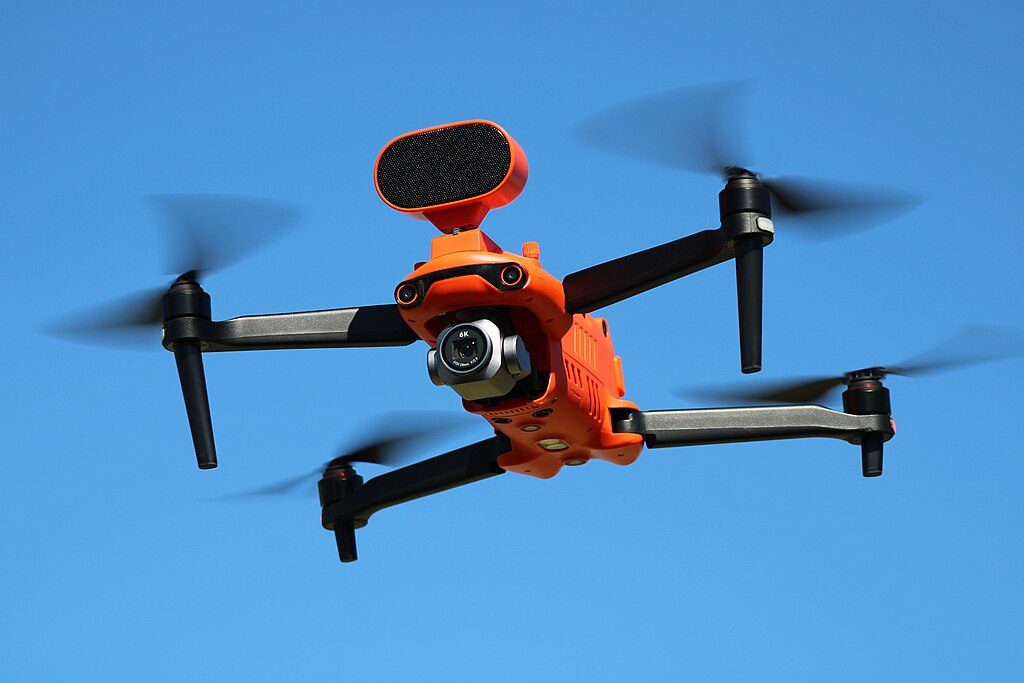
While Scott’s letter serves as a vigorous defense of the federal government’s restrictive posture, it operates within the bounds of classification constraints. The document references the existence of sensitive government findings and a classified Pentagon report, but it does not publicly disclose the underlying classified evidence. Nevertheless, the senator’s intervention directly challenges the narrative pushed by DJI and Autel that their products were designated as threats without adequate prior review.
Pentagon Documents Added to FCC Proceedings
The regulatory landscape shifted further on October 14, when the FCC formally announced the incorporation of official Department of War correspondence into the active DJI and Autel proceedings. This newly introduced material includes formal letters originally submitted to various congressional committees pursuant to Section 1709 of the FY2025 NDAA.
To maintain transparency while protecting sensitive national security information, the FCC placed redacted, unclassified cover pages into the public administrative record, while filing the underlying classified documentation securely under seal. Alongside these additions, the agency issued an important procedural clarification to delineate the scope of its previous rulings.
"However, we note that we did not rely upon these materials at the time of making any related additions to the Covered List," the FCC stated, drawing a clear legal distinction between the newly entered Pentagon documents and the specific evidentiary foundation used to justify the agency’s initial regulatory decisions.
While the newly public cover materials confirm that the Pentagon formally submitted classified national security findings to lawmakers, they do not open those intelligence files up for independent public examination or verification by the affected companies.
What the New Filings Mean
The October filings do not introduce immediate new regulatory restrictions, nor do they provide an ultimate resolution to the pending petitions and applications for review filed by DJI and Autel. The regulatory process before the FCC remains ongoing as agency officials weigh the arguments presented by the drone manufacturers against the national security positions articulated by lawmakers and executive branch agencies.
Even so, the integration of Senator Scott’s letter and the redacted Pentagon correspondence brings renewed visibility to the dual pillars of the government’s regulatory strategy: the acute security risks associated with foreign-controlled drone technology and the broader imperative to secure domestic high-tech supply chains.
While the FCC’s initial Covered List action addressed broad systemic risks tied to foreign drone imports, Scott’s intervention highlights the specific, targeted government investigations that have focused directly on DJI and Autel over several years. As the administrative proceedings continue, the core classified findings remain shielded from public view, leaving the FCC with the complex task of adjudicating the companies’ legal challenges while balancing the competing demands of international commerce and national defense.