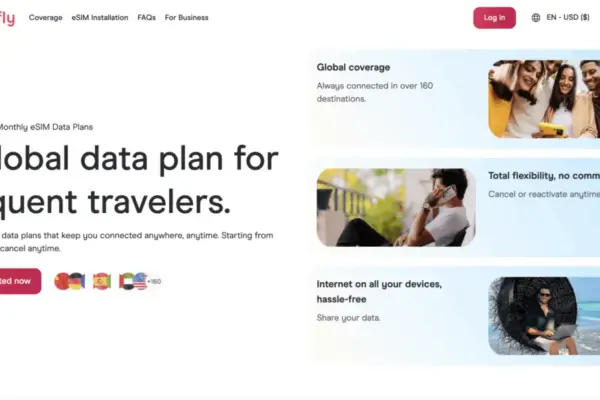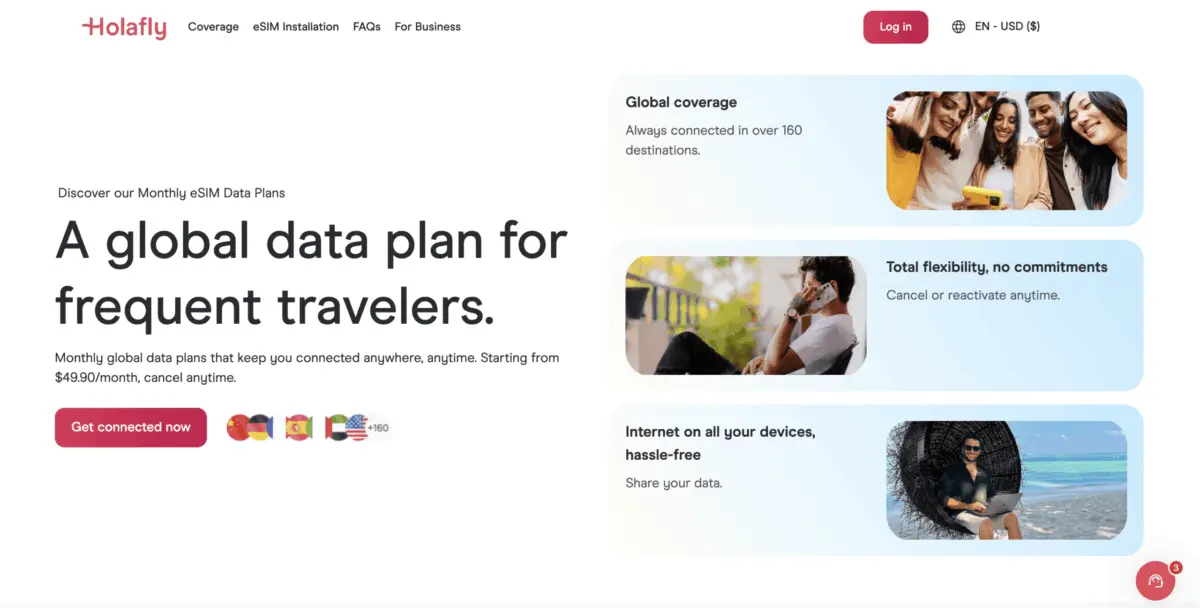
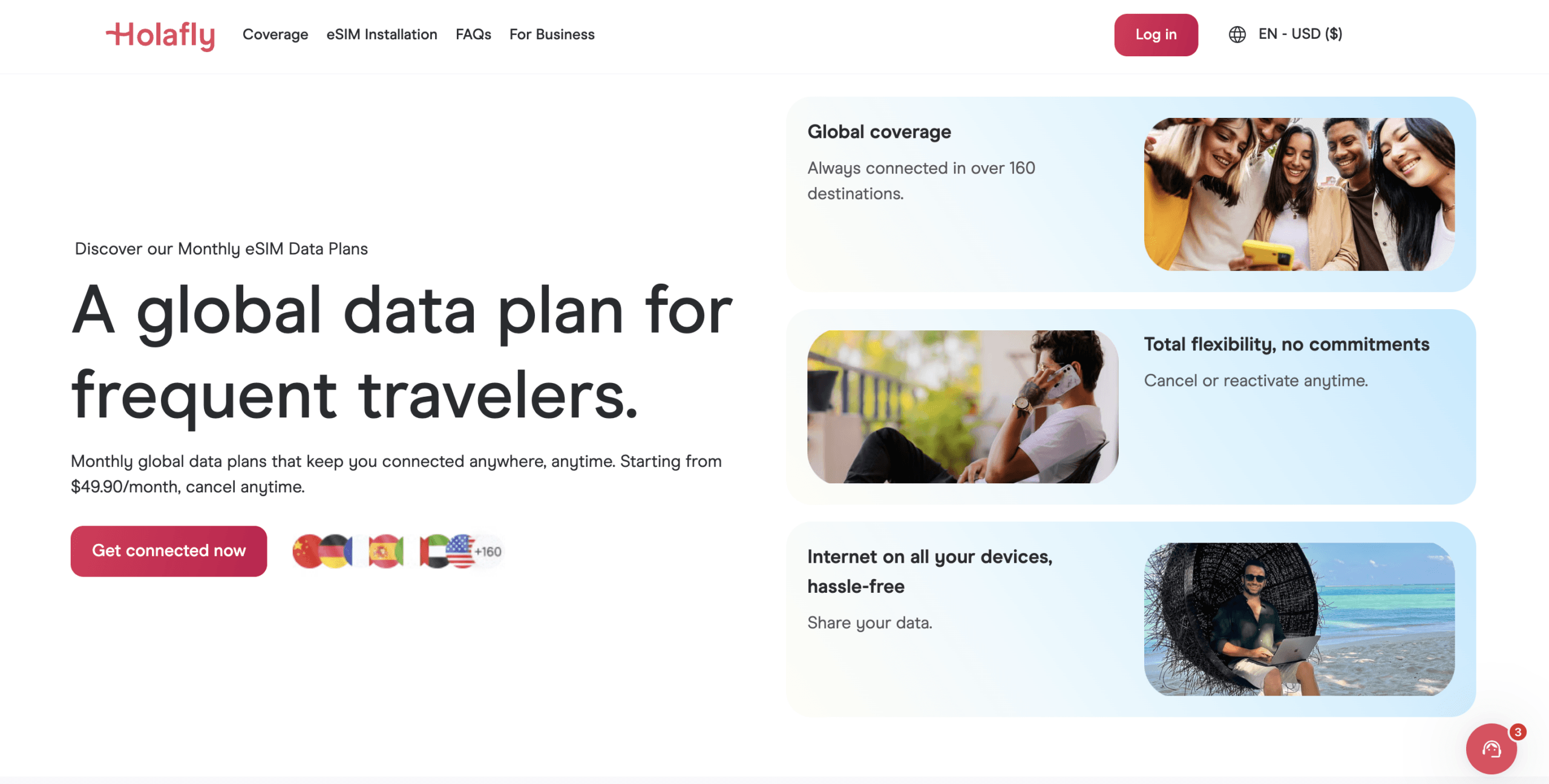
Travel technology company Holafly has rolled out a new product category designed to streamline mobile connectivity for frequent international travelers. The service, titled Holafly Plans, introduces a single global eSIM functioning as an ongoing subscription that spans more than 160 destinations worldwide. Rather than requiring users to purchase separate, destination-specific digital SIM cards or local physical alternatives for every border crossing, the new offering provides continuous coverage through a single software-based profile.
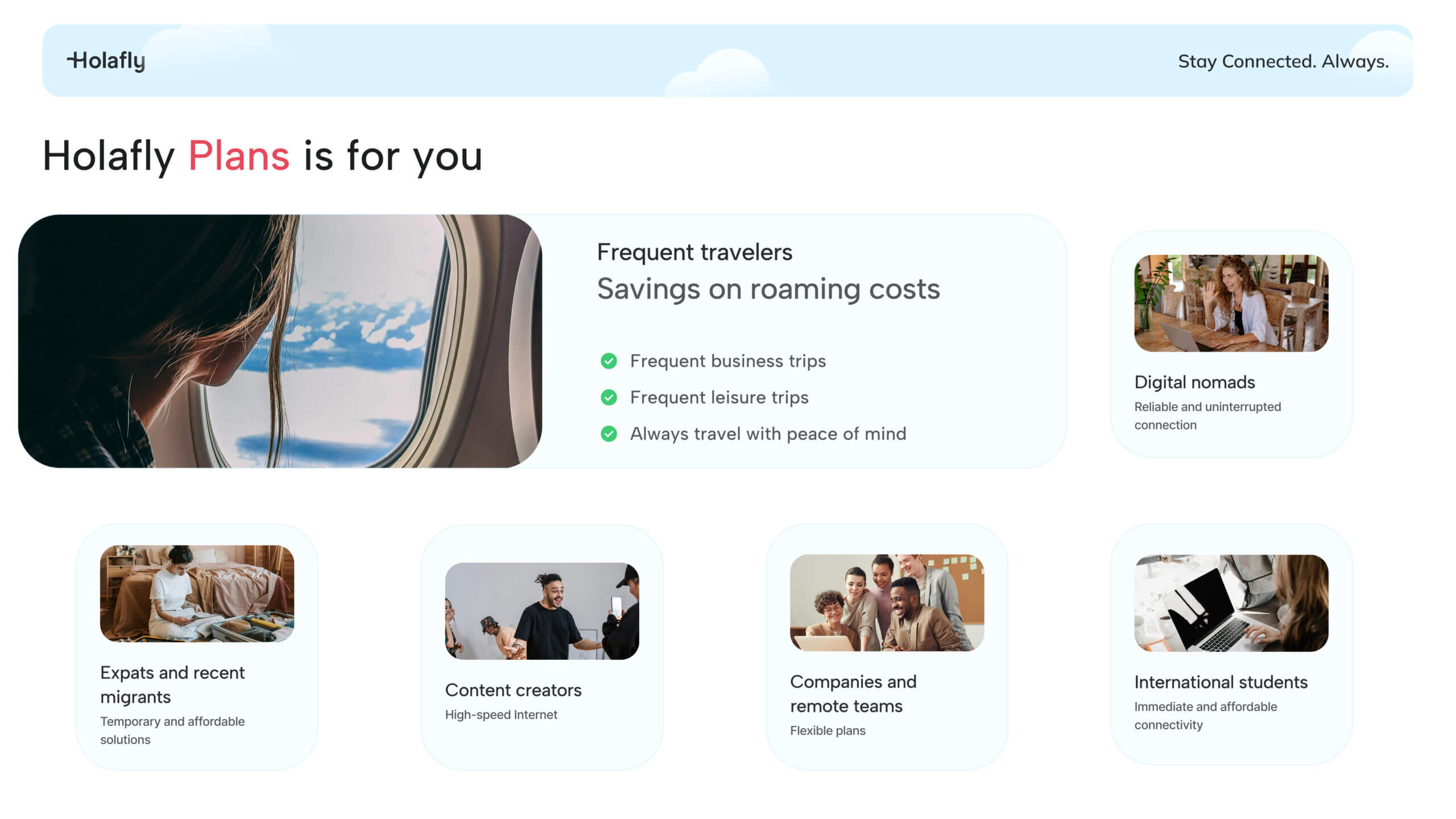
The introduction of the subscription model marks a shift from traditional single-trip eSIM packages toward a continuous-connectivity framework aimed at digital nomads and individuals who spend a significant portion of the year moving between countries. Industry observers note that while standard digital SIMs have become popular for short-term vacations, long-term travelers often face the friction of repeatedly managing new regional profiles, QR codes, and temporary local networks.
What Are Holafly Plans?
Holafly Plans operate as a single global eSIM that covers over 160 destinations on one continuous subscription. Users purchase the service once and install the profile onto their smartphone hardware. Once activated, the connection automatically reestablishes itself upon landing in a new country, eliminating the need to swap physical SIM cards, redownload software packages, or search for new QR codes upon arrival. The functionality mirrors that of a traditional home mobile network operator, but operates on an international scale at a lower cost point.
The service is available on monthly, quarterly, or annual billing cycles without long-term commitments, allowing subscribers to cancel at any time. Holafly has structured the offering into two primary tiers: a Light Plan and an Unlimited Plan.

The Unlimited Plan features unthrottled data allowances alongside an unrestricted hotspot capability, enabling users to tether laptops and other devices while on the move. This tier is tailored for digital nomads handling bandwidth-intensive tasks such as uploading video content, conducting high-definition video calls, or managing continuous remote operations. Additionally, the Unlimited tier includes a local phone number originating from the United States, the United Kingdom, or Canada, which supports incoming SMS messaging.
The Light Plan provides a monthly allotment of 25GB of data while retaining the same hotspot functionality and global coverage across more than 160 destinations. This option is designed for travelers whose primary mobile usage revolves around navigation tools, messaging applications, and casual browsing.
Both subscription tiers include a feature designated as "Always On," which provides subscribers with 1GB of backup data every month automatically. This backup feature persists for life, remaining active even if the user eventually cancels their paid subscription entirely.
Pricing structures vary depending on region, currency, and the chosen billing duration. Quarterly plans offer savings of approximately 10 percent, while annual plans reduce the overall cost by roughly 15 percent. For comparison, the unlimited tier is priced at approximately $55 USD per month when purchased on an annual subscription basis. This rate undercuts the international roaming base options offered by major domestic carriers in markets like the United States, which typically impose strict high-speed data caps or daily add-on fees.
Classic eSIMs Versus Ongoing Plans
Traditional Holafly eSIMs remain engineered for isolated, single-destination trips. Customers select a specific country or region from a catalog of more than 200 available locations and purchase a predetermined number of days of data coverage. For a discrete vacation—such as a two-week trip to Portugal—the classic model remains the simpler and more economical choice, serving as a straightforward, one-off transaction for travelers taking only a few trips per year.
Conversely, the newly introduced subscription plans target individuals who are away from their home countries for the majority of the year and transition frequently between international borders. Instead of purchasing a new digital profile each time an itinerary changes, subscribers maintain a single phone number, a singular connection, and a unified recurring bill that follows them across regions indefinitely.
Comparative cost analyses highlight the financial distinction between the subscription model and existing alternatives. Major carrier international roaming passes in markets like the United States often rely on daily add-on fees of approximately $10 per day, accumulating to monthly totals between $100 and $300 while frequently throttling speeds after a baseline data threshold is reached. By comparison, traditional local SIM cards or single-use regional eSIMs typically cost between $60 and $120 monthly depending on the region and require continuous re-buying and QR code management. Holafly Plans position themselves between these options by offering unlimited data allowances, multi-device hotspotting, and zero border-crossing friction at a predictable monthly rate ranging from $55 to $65 depending on the payment schedule.
Setup, Support, and Market Positioning
Activation of the global subscription requires downloading the provider’s application, selecting the desired tier, and installing the eSIM profile onto the user’s smartphone. Because eSIM technology is built directly into modern device hardware, phones can store multiple digital profiles simultaneously, allowing users to maintain a home carrier number alongside their travel subscription without physical hardware adjustments.
Customer support infrastructure for the subscription service operates on a 24/7 basis to assist users encountering technical issues during installation or transit. Furthermore, the company backs the subscription plans with a six-month refund policy, offering a longer evaluation window than is typical within the broader eSIM marketplace.
Industry analysts indicate that the service is not intended to replace traditional short-term tourist packages. For travelers taking a single vacation lasting a couple of weeks, destination-specific digital SIMs remain the most cost-effective approach. However, for frequent flyers crossing multiple international borders within a single billing cycle, or remote workers requiring stable, long-term connectivity without data anxiety, the ongoing subscription model provides an alternative to traditional domestic carrier roaming arrangements.