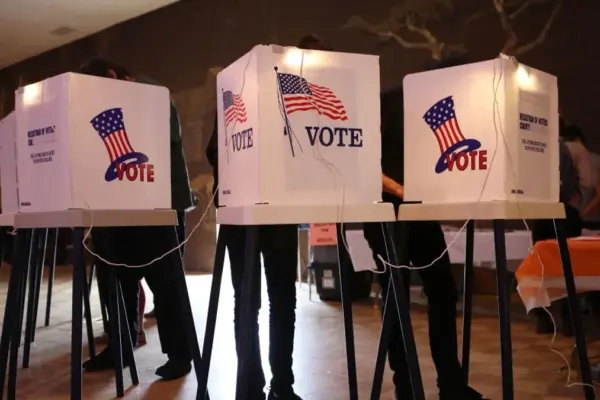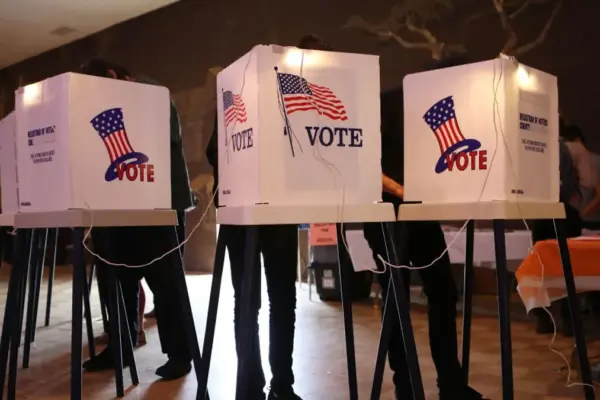
State and local policymakers across the United States currently face an unprecedented accumulation of governance hurdles. From looming threats to federal grant funding that support critical local initiatives to persistent city budget gaps driven by flat revenues and rising operational costs, the modern landscape of public administration offers no shortage of complex challenges. Yet, according to management experts and civic leaders, the most serious and damaging problem confronting policymakers today is not financial; rather, it is the gradual loss of sight regarding the very communities and constituents they have been elected to serve.
This disconnect is rarely born of malicious intent. The vast majority of elected officials step into public service after spending years as local residents, neighborhood advocates, and grassroots organizers. They typically enter the arena driven by a genuine, deeply felt desire to make a tangible difference in the lives of their neighbors. However, a critical failure often occurs once they take the oath of office: they abandon the practice of radical honesty. Once inside the halls of power, they frequently fail to level with their constituents about the genuine structural obstacles that stand in the way of meaningful reform, nor do they communicate transparently about the arduous work and political capital required to overcome those barriers.
Fresh from the campaign trail, newly elected officials often arrive with an abundance of energy and enthusiasm, having run on platforms promising substantive, real-world change. They make bold commitments to tackle systemic issues—such as the critical and escalating need for affordable housing—only to find themselves stonewalled once they become integrated into the complex machinery of government. Entrenched systems absorb them, and gradually, they begin turning their backs on the core values and progressive ideals that secured their election victories in the first place.
This systemic drift is largely driven by a pervasive professional reality: the job of governing comes with a profound, ever-present fear of unemployment at the ballot box. Consequently, elected officials routinely shy away from the high-stakes risks that genuine, structural change demands. This risk aversion manifests in various ways, such as an official refusing to confront a powerful local real estate developer over the construction of exclusive luxury housing, or deliberately ignoring a municipal zoning process that has become notoriously cumbersome and overly deferential to special interests. In many cases, an official becomes so completely consumed by the petty drama and maneuvering of local partisan politics that they lose sight of the substantive work waiting on their desk.
Even when policymakers harbor a sincere desire to honor their campaign promises, the prevailing political incentive and disincentive structures actively work against them. Well-intentioned reformers routinely find themselves outmatched by relentless pushback from powerful special interests. As a steady stream of complaints, lobbying pressure, and political friction piles up, potential changemakers are frequently forced to back down and compromise their original visions. The personal and professional toll of this hostility is well-documented. According to recent survey data compiled by researchers at Princeton University, over three-quarters of local elected officials now report that they are significantly less willing to engage directly with their local communities due to the rising tide of hostility, harassment, and polarization.
Compounding these internal pressures, local leaders must constantly navigate higher layers of state and federal politics that frequently remain entirely out of their control. Intricate, restrictive state laws can swiftly tie the hands of a dedicated local commissioner or city council member. Furthermore, elected officials live under the constant shadow of political punishment, running the acute risk of losing party backing, institutional funding, or endorsement if they dare to diverge from the established party line. Trapped in this political crossfire, officials can easily become completely disconnected from the everyday realities of their community, emerging from their isolation only when the next election cycle forces them back onto the campaign trail.
Community Over Party
Against this backdrop of institutional paralysis, public frustration has reached historic highs. Recent data indicates that nearly 70% of residents across the United States remain fundamentally dissatisfied with the current state and functioning of American democracy. Across the political spectrum, voters are expressing a profound hunger for authentic changemakers who can break through bureaucratic gridlock and deliver tangible results.
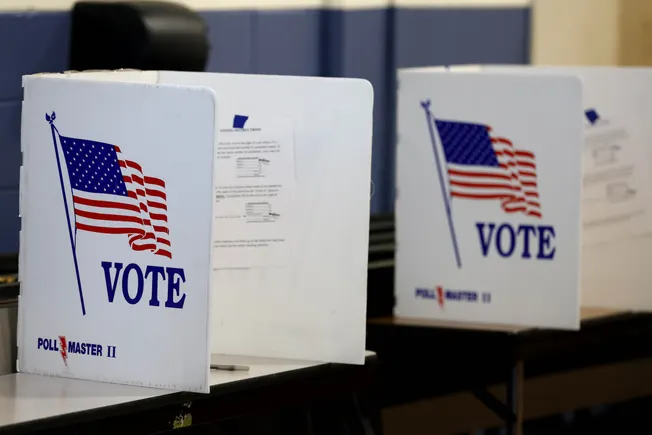
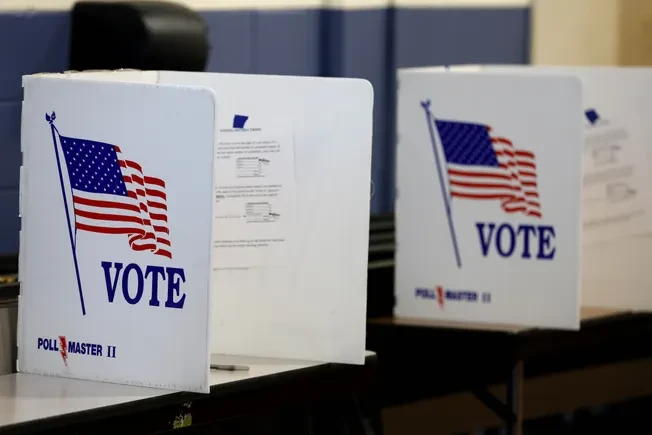
True reformers understand that effective governance requires a steadfast focus on the well-being of the populace above all else. These leaders adhere to a strict professional discipline that carefully balances the actual needs of the people they represent, the strict letter of the law, and their party affiliation—with the clear caveat that party loyalty only matters if it serves the broader public interest.
In the current era of volatile, anti-establishment politics, observers have witnessed both Democratic and Republican officials periodically buck intense party pressure to do what is ethically and practically right for their constituents. Party affiliation cannot and must not function as the primary driver of policy; the immediate and long-term needs of constituents must remain the central consideration in every administrative decision.
Adopting this constituent-first mindset invariably generates opposition, creating powerful political enemies among the entrenched interests that financially and politically benefit from stymieing meaningful reform. However, true reformers can successfully unearth a deep well of local allies with substantial community clout, provided they possess the political courage to seek them out. Local housing authorities, statewide policy coalitions, and forward-thinking neighborhood groups represent powerful, potentially valuable resources whose members have genuine skin in the game. Through skilled facilitation, dedicated changemakers can bridge the gap, finding strategic allies who successfully unite political principles with community-level impact.
To escape the current cycle of political stagnation, changemakers must proactively seek out local experts who possess a deep, nuanced understanding of the community’s fabric and operational history. Ebonni Chrispin, founder and managing director of the management firm We Are Ideas, regularly partners with local housing authorities and global health organizations to dismantle structural barriers. By thoroughly examining outdated municipal ordinances that systematically prop up the political and economic status quo, reform advocates can utilize rigorous research to rewrite restrictive laws, update policy language, and strip out flawed administrative components.
Efforts such as coordinating targeted lobbying visits to state capitols, educating an engaged electorate about complex policy language, and building constructive dialogues with local business owners who support zoning reform can effectively break down the barriers that historically stall progress.
To achieve lasting progress, true reformers must keep the community at the absolute center of their work, willing to cast aside political party loyalty whenever it acts as a barrier to advancement. They must bring the necessary, diverse voices to the table and maintain radical honesty regarding the obstacles that lie ahead. Identifying precisely where policy progress has stalled and actively fostering cross-sector collaboration to clear those administrative bottlenecks offers a superior path forward for local governance.
While pursuing reform can frequently feel like swimming against a powerful political tide, achieving tangible socioeconomic progress remains a universally winning issue for communities. By embracing radical honesty, local leaders can begin to heal the fractured trust between government and the public. Constituents and communities deserve nothing less.