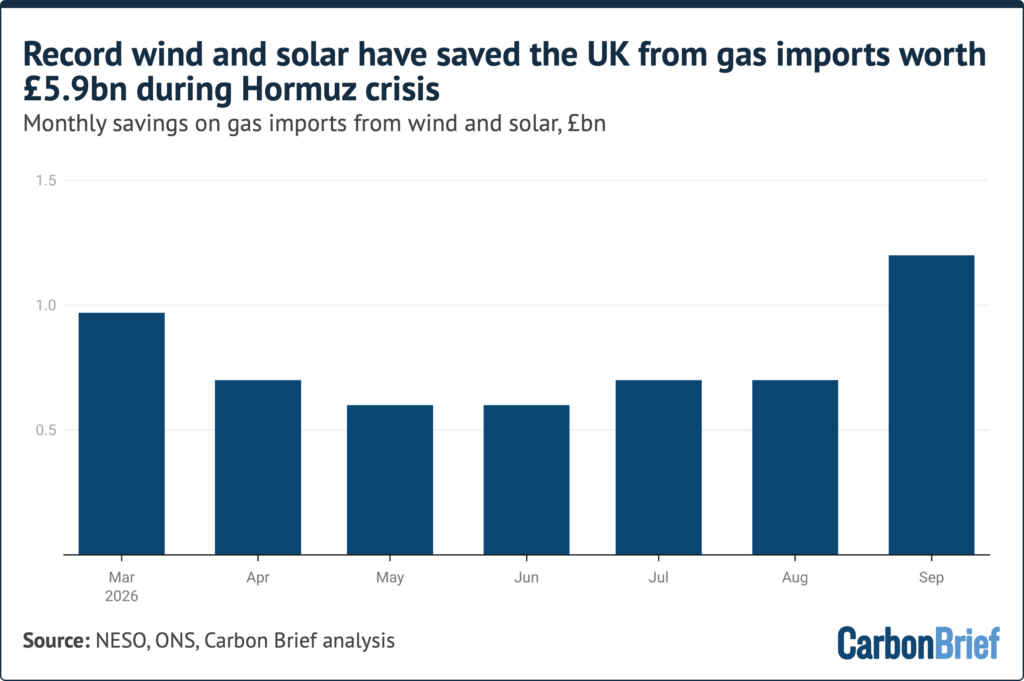
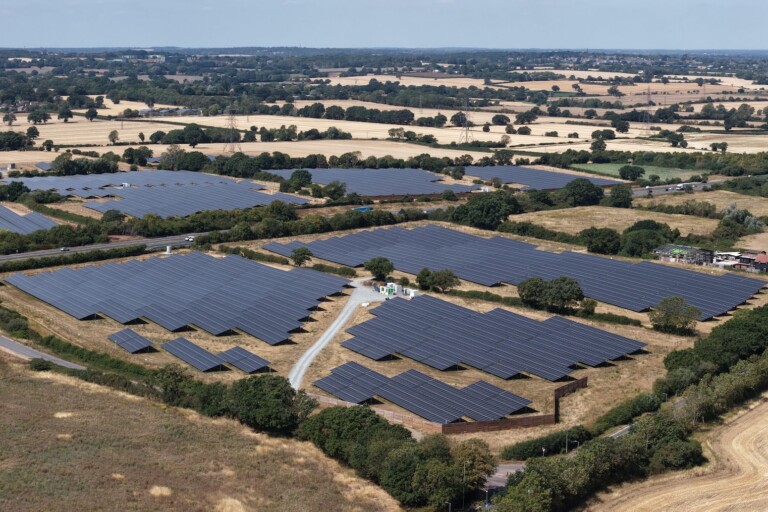
The United Kingdom has successfully bypassed the need for an estimated £5.9bn worth of gas imports since the onset of the geopolitical crisis in the Strait of Hormuz, figures from a new Carbon Brief analysis reveal. Driven by record-breaking electricity generation from wind and solar farms across the country, the milestone underscores how rapidly expanding domestic renewables are cushioning the British economy from intense shocks in international fossil-fuel markets.
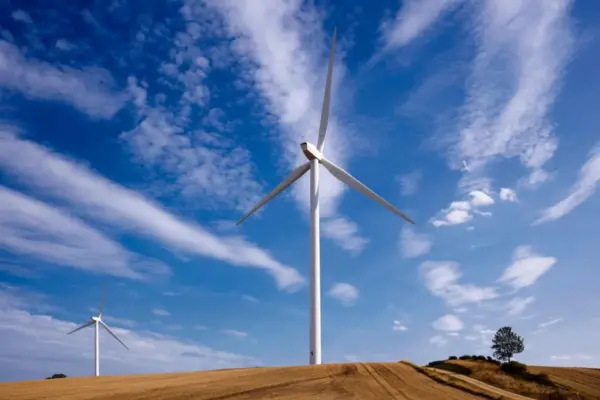
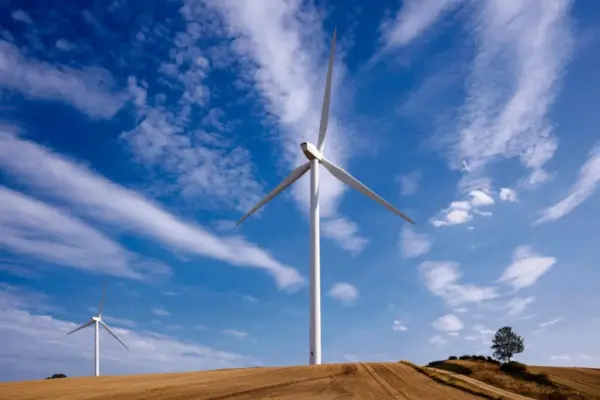
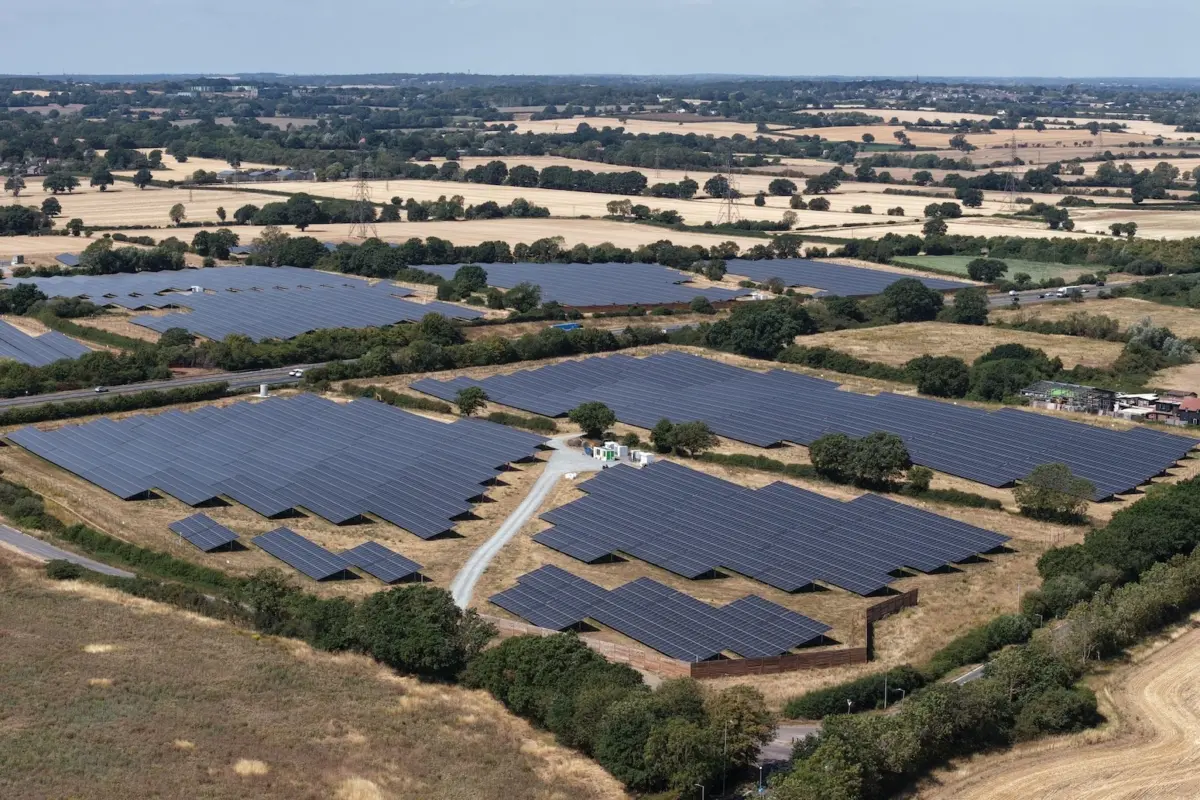
While wholesale gas prices have climbed to heights not witnessed since the height of the 2022 European energy crisis, the UK’s transition toward clean power has softened the blow. Wind and solar power output has surged by 14% year-on-year, directly displacing the demand for gas-fired electricity, which has dropped by nearly 10% during the same period in 2026.
According to Carbon Brief’s comprehensive energy analysis, wind and solar have accounted for an unprecedented 41% share of the UK’s total electricity needs so far in 2026. By comparison, gas-fired generation has accounted for just 25% of the national electricity mix.
The economic and logistical impact of this green surge is substantial. The £5.9bn in avoided gas imports—calculated since the outbreak of hostilities between the US and Iran in February 2026—represents a volume of natural gas that would have otherwise required the UK to secure more than 100 additional liquefied natural gas (LNG) tanker deliveries.
The savings have accelerated rapidly in recent weeks. In September 2026 alone, monthly import savings reached approximately £1.3bn. This massive financial buffer was forged by a combination of surging international gas prices and record-breaking monthly wind and solar output, which cleared nearly 10 terawatt hours (TWh). These latest findings build upon previous analyses published by Carbon Brief earlier in the spring, which tracked growing monetary savings as the geopolitical conflict in the Middle East first disrupted maritime energy routes.
Escalating Gas Prices and the Winter Crunch
The ongoing resilience of the UK power sector is being tested against a backdrop of persistently high global energy costs. Wholesale gas prices have remained structurally elevated ever since Russia cut off pipeline supplies to continental Europe following its invasion of Ukraine in 2022.
Between 2023 and the beginning of this year, UK gas prices averaged roughly 90p per therm—about triple the baseline prices seen in 2019 before the disruptions of the Covid-19 pandemic and the war in Ukraine. However, the outbreak of conflict in the Middle East this past March pushed prices higher still, with the average hovering around 134p per therm, or nearly four times pre-crisis levels.
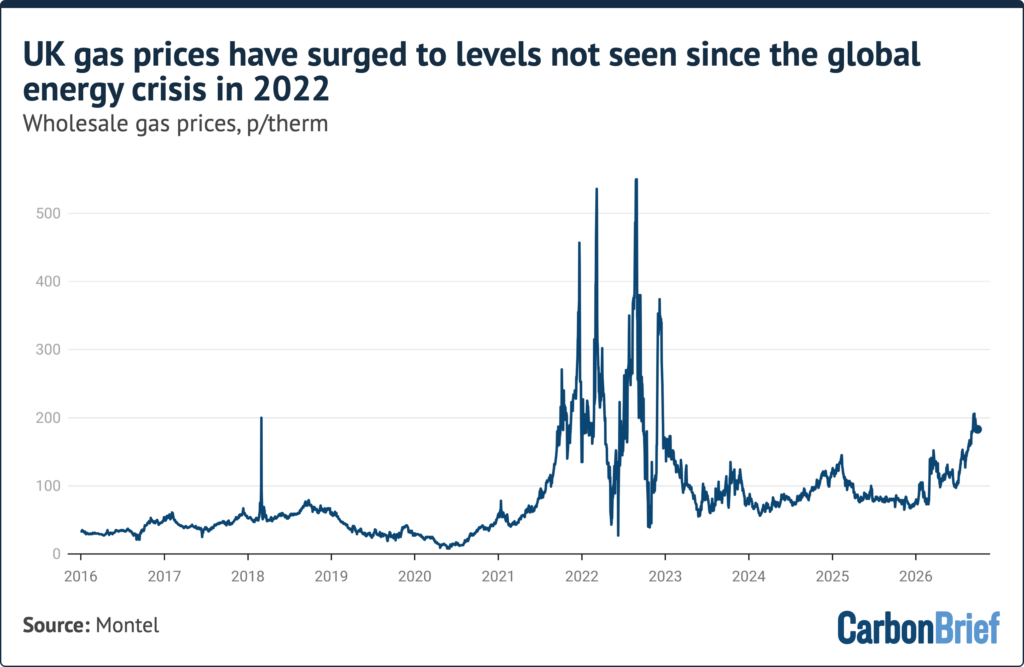
By September 2026, monthly average gas prices spiked to 189p per therm, marking the highest sustained levels since the peak of the 2022 global energy crunch. Market analysts note that prices are climbing once again as the Northern Hemisphere approaches winter, a seasonal shift that traditionally triggers higher residential and commercial demand for heating.
This seasonal pressure is compounded by critically low natural gas inventories across Europe. Consequently, European nations find themselves locked in a competitive international market, forced to vie with buyers in Asia to secure the limited cargoes of liquefied natural gas necessary to maintain regional heating reserves through the colder months.
The Divergence Between Gas and Electricity Bills
Within the UK, the divergence between soaring wholesale gas costs and expanding renewable energy generation is translating directly into household utility bills, albeit unevenly. Under the price cap established by energy regulator Ofgem, high wholesale gas prices are flowing through to consumer bills, creating a stark contrast between gas and electricity expenses.
Beginning this Thursday, October 1, typical household gas bills are slated to jump by 33% compared to April levels, adding roughly £200 per year to consumer costs, according to analysis by the energy think tank Nesta. In stark contrast, household electricity bills are projected to rise by a mere 4%, largely because growing volumes of home-grown, clean energy are shielding consumers from the worst of the wholesale gas market volatility.
Commenting on the shifting dynamics of the domestic energy market, Andrew Sissons, director for a sustainable future at Nesta, highlighted the evolving economic landscape on social media, noting that the traditional financial link between electricity and gas prices has officially begun to break.
The financial strain of the ongoing global energy crisis extends well beyond natural gas, heavily impacting oil, diesel, and other refined fuels. Reports indicate that the European Union has had to absorb an additional €100bn in fossil-fuel import expenses since the crisis began, with low- and middle-income importing countries bearing a disproportionate share of the economic burden.
Within the UK, diesel prices have climbed to record highs of approximately £2.00 per litre. Conversely, recent analyses show that driving electric vehicles remains significantly more economical, with running costs reported to be up to nine times cheaper than petrol or diesel equivalents.
Political Reactions and the Future of Energy Independence
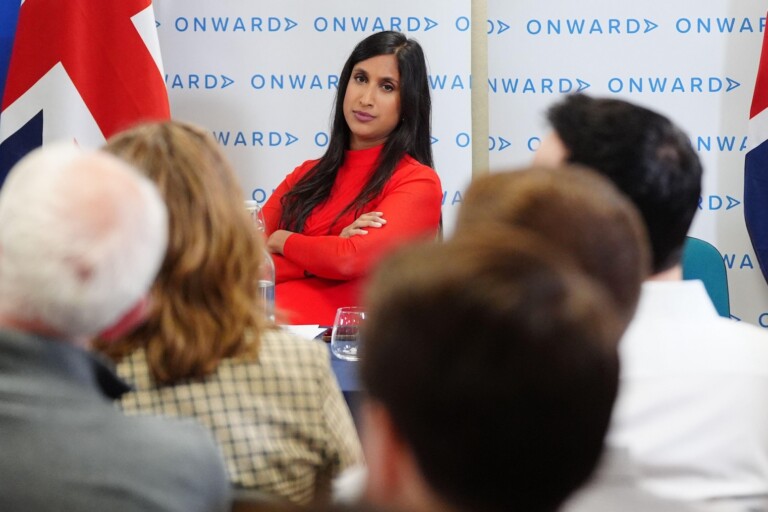
The vulnerability of domestic consumers to international market volatility has taken center stage in British politics. Addressing the recent Labour Party conference, Energy Secretary Miatta Fahnbulleh emphasized that high energy bills are a direct symptom of the UK remaining heavily exposed to global fossil-fuel markets.
Prime Minister Andy Burnham echoed these sentiments during his own conference address, pointing to the rapid expansion of renewable energy as a vital shield against international price spikes.
"We are already taking more control of our electricity prices with a massive expansion of home-grown renewables and nuclear," Prime Minister Burnham told delegates. "I have asked Miatta to speed up the breaking of the link between what we pay for power at home and the international gas market, to get bills down."