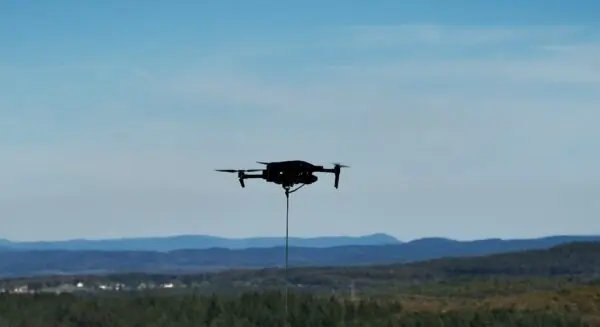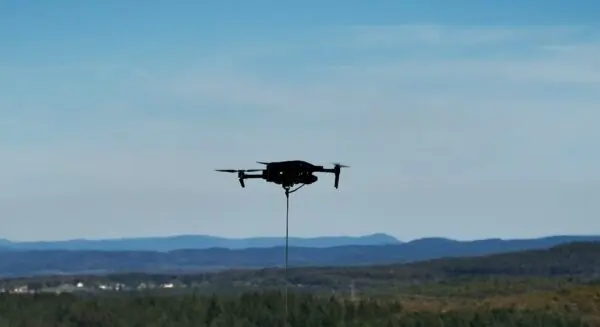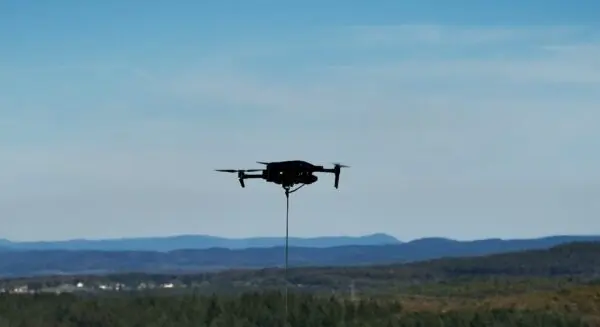
The Federal Aviation Administration (FAA) has announced a significant financial investment of $12 million directed toward 19 distinct drone research and testing projects. This funding initiative is explicitly designed to support the safe, efficient, and methodical expansion of unmanned aircraft system (UAS) operations within the National Airspace System (NAS). By channeling resources into targeted technological advancements, the federal agency aims to address some of the most persistent operational hurdles facing the commercial and industrial drone sectors today.
The financial awards are being distributed through the FAA’s established Unmanned Aircraft Systems Broad Agency Announcement Program. This collaborative program functions by pairing innovative private-sector companies and academic institutions with official, FAA-designated UAS Test Sites. These specialized test locations provide the necessary real-world environments, infrastructure, and technical expertise required to rigorously evaluate cutting-edge technologies that are vital for broader, more complex drone operations.
FAA Administrator Bryan Bedford emphasized the strategic importance of this collaborative testing framework during the funding announcement. He noted that the UAS Broad Agency Announcement Program provides the agency with a direct and effective mechanism to work hand-in-hand with industry leaders and test site partners on technologies that remain absolutely critical to safe drone integration. According to Bedford, the extensive research supported through this program will yield superior operational data, assist the agency in identifying and fully understanding emerging challenges, and ultimately inform the regulatory pathways used to safely integrate these advanced aircraft into the nation’s airspace.
Furthermore, the FAA noted that these latest awards directly support the policy objectives outlined in the Trump administration’s Unleashing American Drone Dominance Executive Order. Issued in June 2025, that directive explicitly calls for a heightened utilization of official FAA UAS Test Sites to accelerate the development, testing, and scaling of domestic drone technologies, ensuring that the United States maintains a leading role in global aviation innovation.
Research Targets Key Integration Challenges
The newly funded portfolio of 19 projects covers a broad spectrum of the technical hurdles involved in expanding modern drone operations. Among the primary focus areas are advanced detect-and-avoid systems, long-range communications capabilities, sophisticated traffic management frameworks, and reliable aircraft identification procedures. Each selected project tackles specific engineering and operational barriers that currently limit the widespread commercial deployment of drones.
Several companies have been tapped to work on critical collision-avoidance and large-aircraft frameworks. General Atomics, for instance, will focus on sophisticated ground-based systems designed to help drones autonomously and safely avoid other airborne traffic. Concurrently, NAVMAR and Skydweller will undertake comprehensive studies aimed at supporting the safe and reliable operations of much larger unmanned aircraft categories, which present unique aerodynamic and regulatory challenges compared to standard commercial quadcopters.
Communication and sensing technologies also represent a major pillar of the funding round. Censys Technologies is set to test advanced satellite communications to facilitate reliable long-range drone operations well beyond the operator’s physical line of sight. Meanwhile, OneRadio Corporation will evaluate innovative passive radar technology specifically tailored for detect-and-avoid applications, offering a potential new layer of safety for crowded or complex airspace environments.
ANRA Technologies emerged as a major participant in the initiative, receiving awards for four distinct projects. Their expansive scope of work includes connecting complex air taxi operations, vertiports, and specialized flight procedures into a cohesive operational picture. Additional projects managed by ANRA address common altitude references, seamless airport air traffic integration, and artificial intelligence-based drone identification systems designed to enhance security and accountability in flight.
Other industry players have taken on specialized niches within the broader integration puzzle. DroneUp will work on developing a secure, standardized method for verifying drone identity and confirming flight authorization in real time. Aerial Vantage is set to develop intuitive software tools for managing reserved drone airspace in densely populated urban environments. Lighthouse Avionics will concentrate on advanced surveillance technology designed to monitor long-range drone delivery routes safely, while ResilienX will focus on creating robust software capable of coordinating complex drone missions and shared airspace resources.
SPS Aerial Remote Sensing also secured multiple awards, receiving three separate grants to address critical operational factors. Their projects will investigate drone visibility enhancement, sensor performance optimization, and advanced sensing technology geared toward both drone traffic management and counter-drone security applications.
Rounding out the list of recipients are Devorto Corporation, Frequentis USA, and Oklahoma State University. The university’s contribution, titled the Aero Aware project, will concentrate heavily on innovative drone visibility technology, contributing vital academic research to the federal initiative.
Using the FAA Test Site Network
A cornerstone of this $12 million funding initiative is the direct utilization of the FAA’s established network of nine designated UAS Test Sites. These specialized facilities provide controlled yet realistic locations, as well as deep technical expertise, allowing researchers to evaluate emerging technologies and novel operating concepts under authentic, real-world conditions.
The current nationwide network encompasses strategically placed test sites across Alaska, North Dakota, New Mexico, Nevada, New York, Texas, Virginia, Oklahoma, and Indiana. Each location offers unique environmental and geographic conditions, ranging from harsh northern climates and sprawling desert expanses to congested coastal and urban-adjacent test corridors.
The latest round of awards directly spans the complex array of technologies required to enable advanced, highly complex drone operations. This includes pushing the envelope on routine flights beyond visual line of sight, a milestone widely considered essential for the commercial viability of large-scale drone delivery and infrastructure inspection. Furthermore, the funded research addresses the critical technical bridge linking emerging unmanned traffic management systems with the nation’s existing, highly regulated conventional air traffic control infrastructure.
For the broader drone industry, this influx of federal funding offers another vital pathway for private enterprises and academic institutions to test and refine their technologies alongside experienced FAA partners. The empirical data and operational insights generated through these 19 projects are expected to provide the federal agency with a clearer understanding of day-to-day operational hurdles, ultimately informing future regulatory approaches and policy decisions regarding the integration of uncrewed aircraft into the National Airspace System.