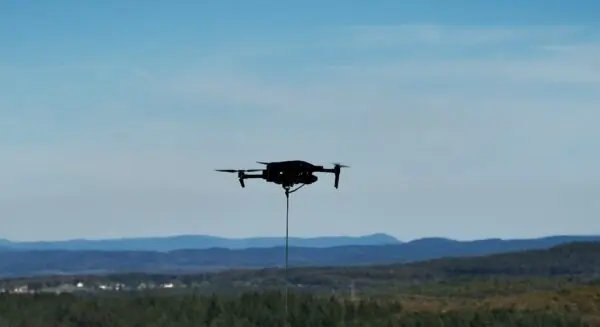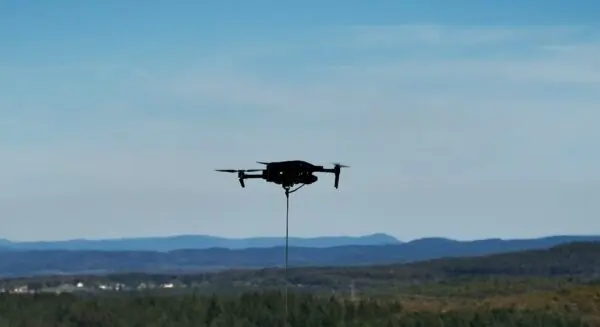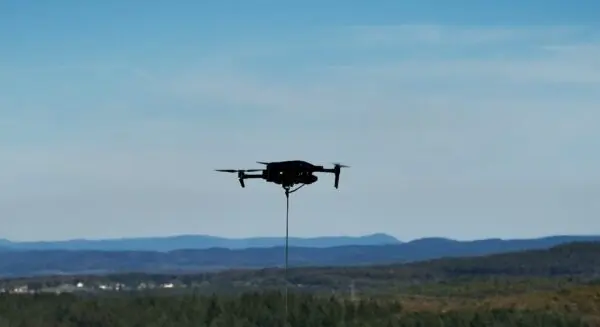
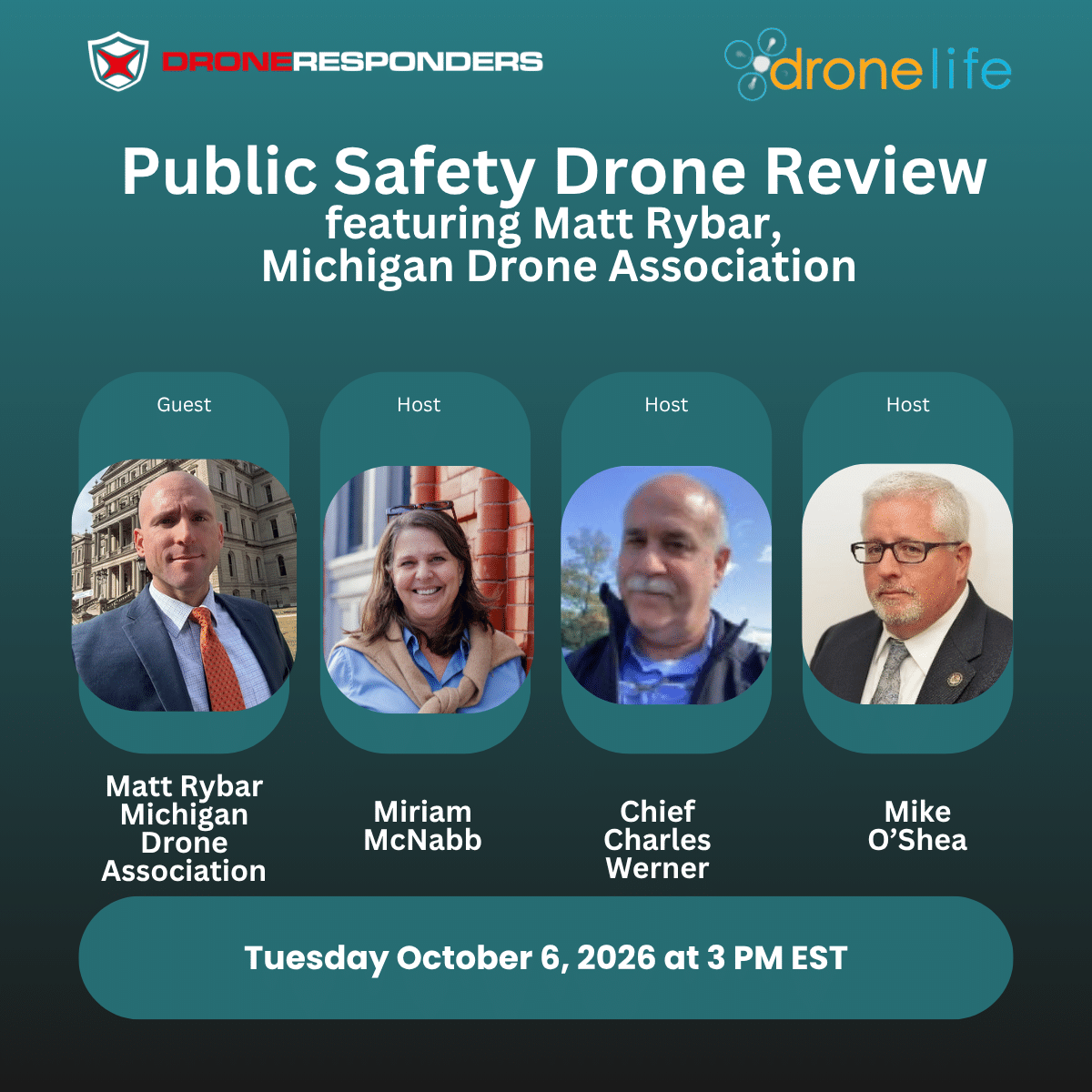
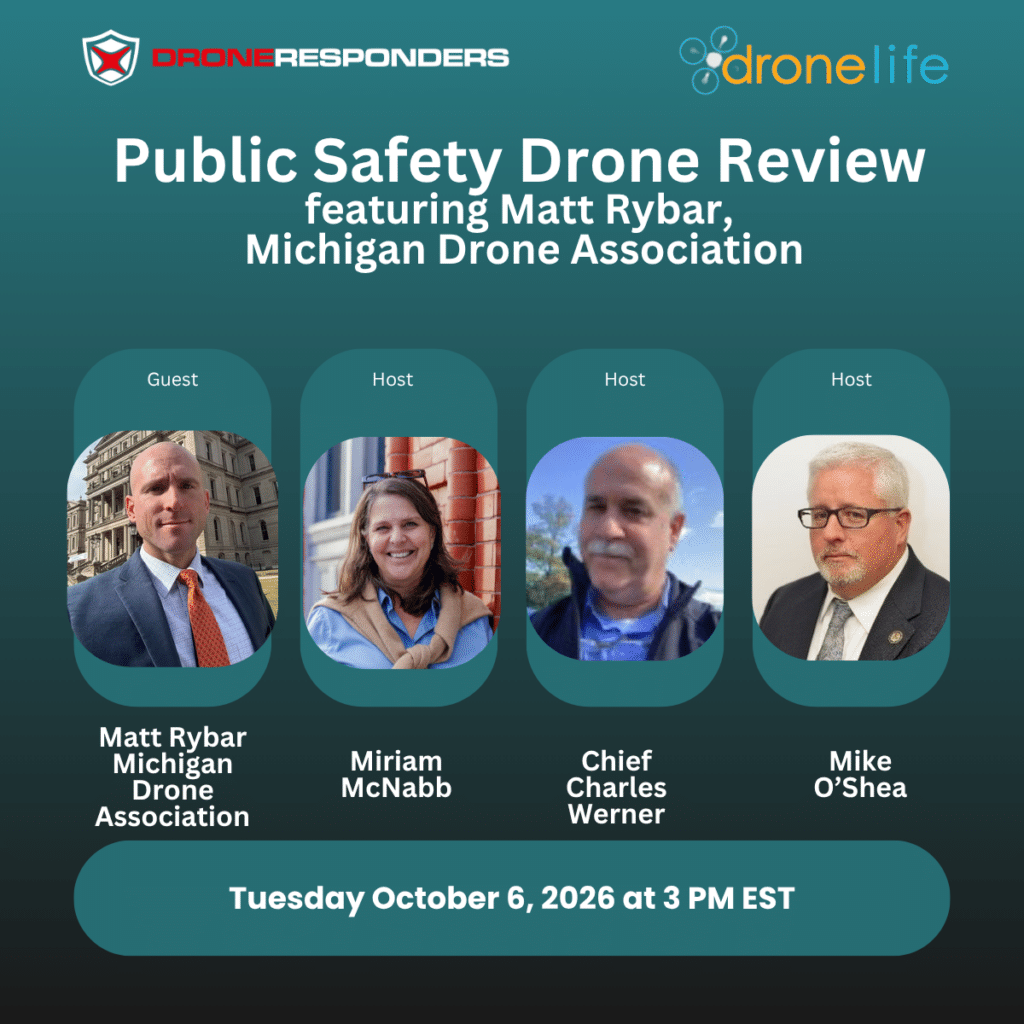
As uncrewed aerial systems (UAS) continue to revolutionize emergency response, law enforcement, and municipal safety, staying abreast of the latest operational strategies, policies, and technologies is more crucial than ever for public safety professionals. To address these evolving needs, the upcoming edition of the Public Safety Drone Review—a prominent monthly webcast presented jointly by DRONELIFE and DRONERESPONDERS—is set to feature a deep dive into the practical realities of deploying drones and counter-drone systems in the field. Scheduled for Tuesday, October 6, at 3 p.m. ET, the live broadcast will welcome Matt Rybar, Founder and President of the Michigan Drone Association, as its featured guest speaker to discuss cross-agency collaboration, early public safety UAS integration, and the rapidly growing field of counter-UAS (cUAS) operations.
The free monthly webcast has established itself as an essential virtual gathering place for leaders, practitioners, and innovators from across the public safety drone community. By bringing together diverse voices from law enforcement, fire rescue, emergency medical services, and municipal government, the platform fosters vital discussions regarding the technologies, regulatory frameworks, and tactical policies that shape how emergency responders utilize aerial robotics. As drones transition from experimental novelties to indispensable frontline tools, sessions like the Public Safety Drone Review provide a collaborative environment where agencies can share lessons learned, evaluate best practices, and navigate the complex legal and operational landscapes surrounding modern public safety aviation.
The featured guest for the October edition, Matt Rybar, brings a wealth of hands-on experience and organizational leadership to the discussion. As the head of the Michigan Drone Association, Rybar oversees a thriving network comprising more than 750 members drawn from public safety agencies, private industry, and educational institutions. Beyond his leadership within the association, Rybar is an established law enforcement professional who stands among the pioneers of Michigan’s earliest public safety drone teams. Over the course of his career, he has worked closely with numerous local, state, and regional agencies to seamlessly integrate UAS into day-to-day public safety operations, while also lending his expertise to the broader development of drone and remote operations programs on a national scale.
In addition to his extensive background in drone deployment, Rybar has played a central and influential role in the expansion of Michigan’s counter-UAS initiatives. With the proliferation of commercial and recreational drones in modern airspace, public safety and critical infrastructure operators face increasingly complex challenges regarding unauthorized or hazardous aerial activity. Addressing this emerging threat landscape, Rybar has been instrumental in helping establish Michigan’s multi-agency cUAS Task Force. His efforts have also extended to supporting critical legislative initiatives related to counter-drone operations, bridging the gap between lawmakers, industry stakeholders, and public safety organizations to create cohesive frameworks aimed at safeguarding communities and vital infrastructure assets.
The October 6 discussion is expected to touch on several critical pillars of modern emergency aviation. Attendees can look forward to exploring valuable lessons derived from established public safety drone programs, examining the technical and operational realities of the growing counter-UAS sector, and understanding the absolute necessity of fostering cooperation across diverse agencies and overlapping jurisdictions. Because modern incidents often require a multi-agency response, the ability to coordinate aerial assets, share real-time intelligence, and maintain seamless communication between different municipal, county, and state entities remains a defining challenge—and a primary focus—for modern public safety aviation teams.
The live webcast will be hosted by an expert panel of industry leaders, including DRONELIFE Editor-in-Chief Miriam McNabb, DRONERESPONDERS Director Charles Werner, and Mike O’Shea, Director of Training for DRONERESPONDERS and a respected public safety aviation expert. Together, the hosts bring decades of collective knowledge regarding the commercial drone market, emergency response tactics, and the regulatory environment governing public safety flight operations. Their moderation ensures that the conversation remains grounded in practical applications while addressing the high-level policy and technological shifts currently impacting the emergency services sector.
The Public Safety Drone Review is entirely free to attend and open to a wide-ranging audience, including public safety professionals, government officials, commercial drone operators, industry leaders, and anyone with a professional or civic interest in the intersection of drones and emergency response. Those interested in participating in the live discussion and engaging directly with the guest speaker and hosts can register online through the official Zoom webinar registration page. As public safety agencies continue to adapt to new technological horizons, sessions like these offer a vital forum for education, networking, and collaborative problem-solving.