My love affair with France began in 2010 during my very first trip to Bordeaux. Friends I had originally met while traveling in Thailand showed me around the region, introducing me to the intricacies of French culture. It was an eye-opening introduction, and I quickly fell in love with the food, the wine, and the people. But that burgeoning affection transformed into a full-fledged obsession the moment I stepped out of the Paris metro and onto the Champs-Élysées. The luminous lights, the vibrant energy, and the palpable mystique created a sense of magic in the air. In that instant, it felt as though I had known the city my entire life and was simply returning home.
Since that pivotal moment, Paris has held a firm grip on my heart. Over the intervening years, I have spent countless visits exploring France, with a particular focus on the capital. I have run guided tours through the city streets and even spent a few immersive months living there in 2019. Last August, following yet another extended sojourn in the country, a familiar question crossed my mind: what if I moved back?
At the time, multiple factors were converging in my life. I was growing increasingly weary of the New York City dating scene and the soaring cost of living, while feeling creatively stuck in a rut. Furthermore, with the rapid rise of artificial intelligence and sweeping changes across the creator economy, I found myself somewhat uncertain about what career trajectory should come next. In short, I desperately needed a change of scenery, and Paris consistently felt like the ideal destination.
The practical advantages were compelling. It is significantly more affordable than New York City, I already had an established network of friends there, I had always wanted to finally learn French fluently, and it would serve as an exceptional strategic base for exploring the rest of Europe. Above all, I hoped to begin writing my next book there, knowing well that nothing sparks the creative process quite like a drastic change in environment.
Yet, a monumental question remained: how does one actually manage to move to France?
The reality is that France does not offer a dedicated digital nomad visa, and travelers holding standard Schengen tourist visas are strictly limited to a three-month stay. However, navigating the bureaucratic landscape turns out to be far more manageable than many assume. While my experience speaks directly to American applicants, the general criteria and overarching processes are strikingly similar for citizens of Canada, Australia, New Zealand, and other developed nations.
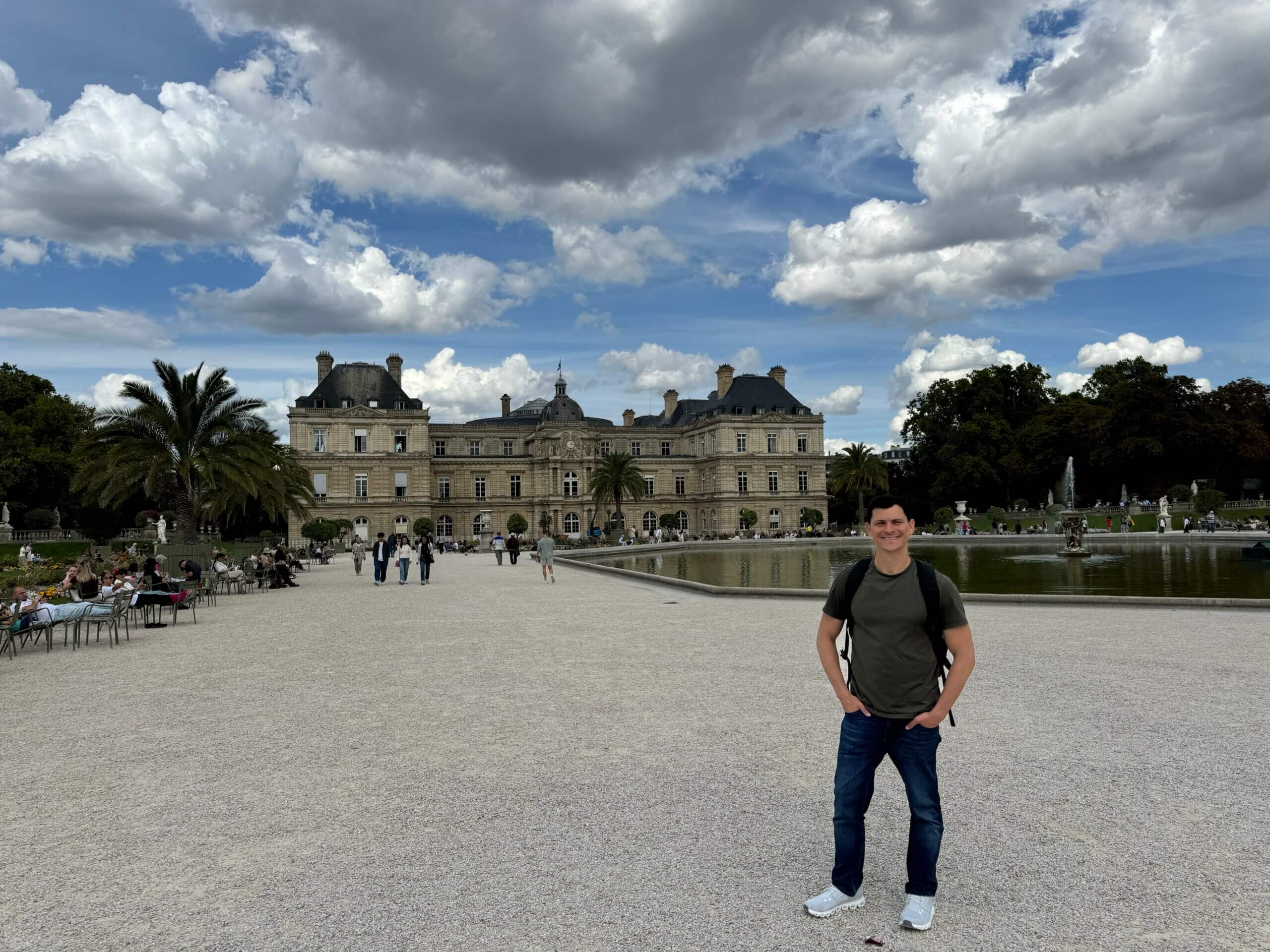
For those looking to make the leap, France essentially offers four primary pathways for residency, each tailored to different life stages and professional circumstances.
The student visa is arguably the most straightforward route. It requires applicants to enroll in a full-time university or accredited language program and demonstrate sufficient financial means to support themselves, typically around 600 Euros per month. A close friend recently utilized this path to complete a nine-month intensive French language program aimed at achieving fluency. While applicants must still formally apply for the visa, approval is highly probable if acceptance into an accredited school is secured. An added advantage of this route is the permission to work part-time while studying. However, this status remains strictly tied to academic enrollment; leaving or quitting the program immediately voids the visa. Once the studies conclude, participants have the option to transition to a job-seeker visa, extending their stay in France by another six months or longer depending on the initial program’s duration.
Another option is the entrepreneur visa, though the application process is considerably more complex and can span several months. Establishing a business inside France involves a substantial volume of bureaucratic paperwork. Applicants must prove that their enterprise is financially viable, commands an active client base including at least one French client, and generates enough income to meet or exceed the French minimum wage. Authorities closely scrutinize personal assets and financial records, and business owners must formally register their operations locally and pay French taxes.
Alternatively, France offers a talent passport visa tailored for recognized experts within their respective fields who possess verifiable accreditations and professional accolades. This pathway is particularly suited for individuals intending to establish long-term residency and engage in physical commercial activities within the country. Those working in the arts must specifically demonstrate how their creative endeavors will actively contribute to the broader culture of France. While I met the baseline requirements for both the entrepreneur and talent visas, the protracted approval timelines and rigorous administrative hurdles made them impractical, particularly since I was uncertain whether France would become my permanent home.
Consequently, I opted for the long-term visitor visa, officially designated as the VLS-TS visiteur. This credential permits a stay of up to twelve months in France and is renewable from within the country. It does, however, carry strict limitations: holders are prohibited from engaging in physical work within France and are excluded from the national social welfare system.
This visa is the standard route utilized by many Americans and retirees seeking an extended European lifestyle. Individuals who rely on passive income or retirement savings and simply wish to reside in France will find this option highly viable. It facilitates the opening of local bank accounts and can be renewed almost indefinitely, provided the applicant can continuously prove financial self-sufficiency to ensure they will not become a burden on the state.
A central concern for many contemporary creators and remote professionals centers on whether working is permissible under this specific visitor visa. Given the absence of a dedicated digital nomad visa, navigating the legal definitions of work presents a unique gray area. Last July, the French tax administration suggested that remote work could theoretically be subject to taxation, yet no formal legislation has been enacted to codify this stance. My visa was issued without even a local tax number, rendering taxation functionally impossible during my stay.
During the application interview, officials routinely inquire about how applicants intend to support themselves financially, explicitly accepting income derived from employment as a valid source. I was entirely transparent that my means of support would stem from income generated by my digital platforms and published books. Nevertheless, France’s administrative framework has not yet fully adapted to the modern realities of remote labor. The legal definition of work largely remains tied to physical employment that might otherwise occupy a position intended for a local worker. Running local walking tours or taking a job at a neighborhood café is strictly prohibited.
At the same time, drawing a definitive line around digital pursuits—such as publishing a free blog post, drafting a novel at a local café, or distributing a weekly newsletter containing affiliate links—remains exceptionally ambiguous. Because of these substantial gray areas, consulting qualified legal counsel is strongly recommended. Many prospective expats turn to specialists such as Daniel Tostado, a prominent American-French immigration lawyer based in Paris who frequently collaborates with government officials to clarify evolving regulatory interpretations.
The official application process for the long-term visitor visa is remarkably accessible. Applicants initiate the process on the official French government visa portal, complete the digital forms, and subsequently secure an appointment through TLScontact, an external service provider outsourced by the French government to manage appointment scheduling and forward documentation to the appropriate consulate for review.
The primary objectives of the application are to demonstrate secure accommodation for the initial ninety days and prove adequate financial resources to preclude any reliance on public assistance. While requirements vary based on individual circumstances, I elected to assemble an extensive portfolio of supporting documentation for my appointment. My submission included comprehensive bank statements, tax returns, W-2 forms, and proof of secondary assets, even though some of these items were not strictly mandated by the checklist. While administrative staff noted that additional proof is always welcomed, applicants who strictly adhere to the mandatory documentation list frequently experience equal success, provided their financial and residential proofs are unassailable.
During the scheduled appointment, personnel meticulously review the paperwork, capture biometric data, collect administrative processing fees, and dispatch the applicant’s passport to the embassy for final evaluation. Although official processing times are estimated at up to fifteen days, most applicants receive their documentation back within a single week.

The most agonizing aspect of the procedure is the period of uncertainty preceding the return of the passport. While tracking tools provide incremental updates, the final verdict remains concealed until the physical passport is unsealed. Community forums and peer experiences indicate that the vast majority of visa denials stem exclusively from insufficient proof of income or unresolved residential arrangements, underscoring the critical importance of perfecting these two components prior to submission.
Once the approved visa is secured, travelers are permitted to enter France on or after the designated start date. Upon arrival, newcomers have a ninety-day window to formally register their visa status online through the state’s digital portal utilizing a specialized QR code and instructions provided upon entry. Completing this final bureaucratic formality officially activates the long-term residency status.
With the administrative requirements successfully fulfilled, residents are free to live throughout France and the broader Schengen zone for the duration of their visa’s validity. While the journey involves careful planning and thorough documentation, the reward is an immersive experience living in one of the world’s most culturally rich and inspiring capitals.