Traditional travel has long been defined by a passive loop. Travelers arrive at a destination, photograph well-worn landmarks, dine at recommended establishments, and visit local bars. While guided tours offer a surface-level window into a region’s history, forging genuine connections with locals remains remarkably difficult for transient visitors. Most locals do not routinely interact with short-term tourists, leaving travelers to experience a destination from the outside looking in.
Even long-term travelers who reject the traditional tourist label often follow the same patterns, albeit at a slower pace and with a tighter budget. True immersion, however, requires more than just extended time; it requires integration. Transformative travel typically stems from building authentic relationships and actively contributing to a community rather than merely passing through.
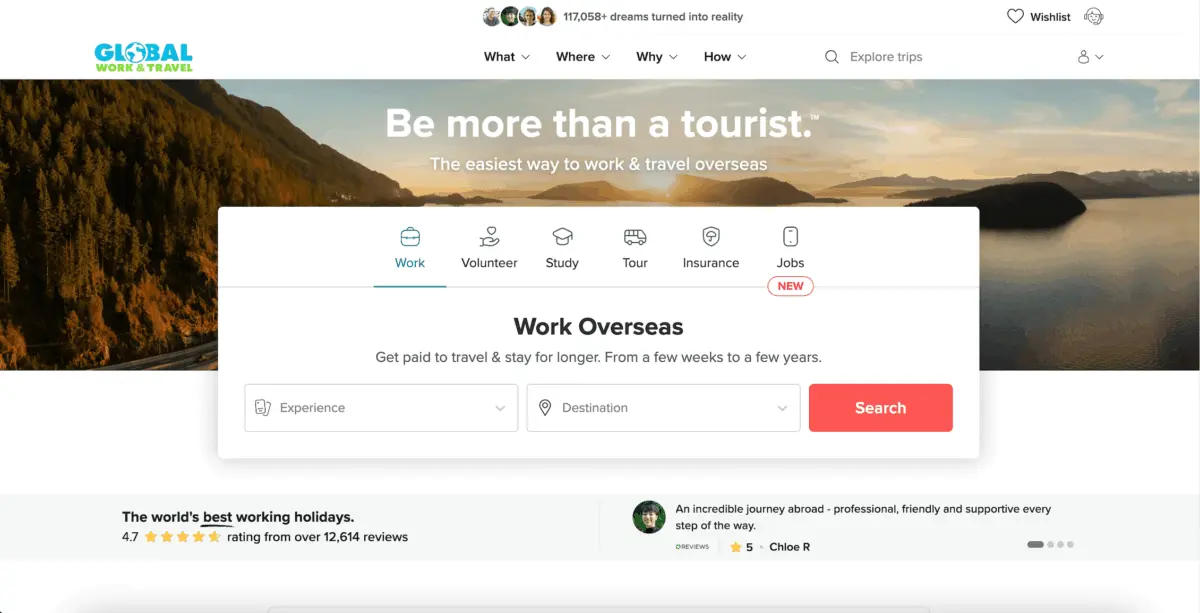
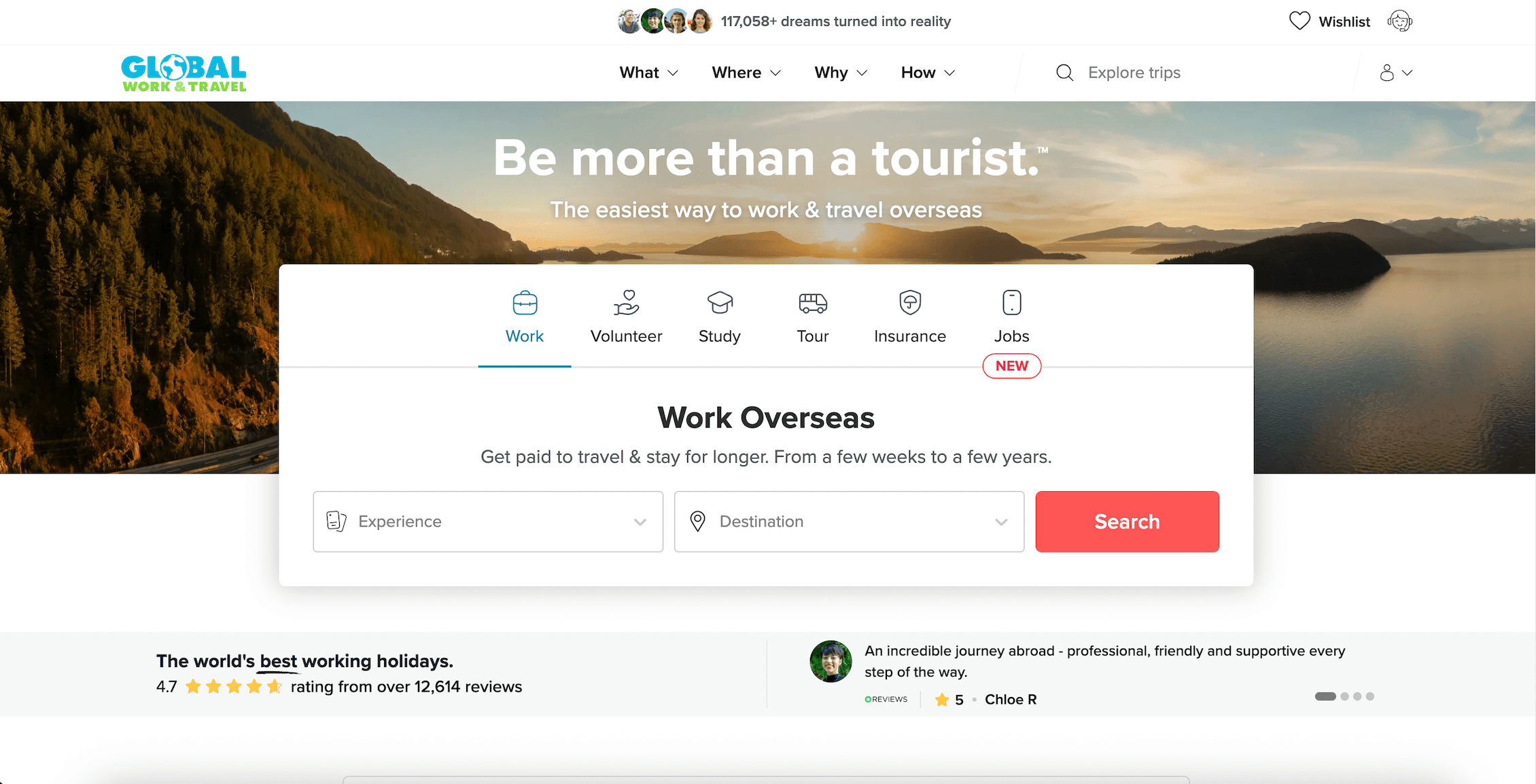
Historically, finding legitimate organizations and structured opportunities to give back or work abroad was a complex and opaque process. Today, an entire sector has emerged to bridge that gap, helping travelers secure meaningful volunteer placements, internships, and paid international employment. Among these organizations, Global Work & Travel has established itself as a prominent provider, facilitating working holidays, teaching positions, and community projects worldwide.
What Global Work & Travel Does
Operating as a major player in the gap year and international work sector, Global Work & Travel has facilitated international placements for over 116,000 participants across Europe, the Americas, Asia, Africa, and the Pacific over the course of nearly two decades.
Despite the romantic appeal of moving abroad, the logistical realities can overwhelm even seasoned travelers. Securing employment in a foreign market, navigating competitive local job interviews, managing transport expenses, and finding stable, long-term accommodation rather than month-to-month shared rooms present significant hurdles.
Companies in this sector function as a structural safety net for individuals who want to avoid navigating foreign bureaucracies independently. Services typically encompass job matching, visa guidance, pre-departure preparation, and ongoing coordination through centralized trip management platforms like the gWorld portal. For first-time international travelers, this administrative framework often serves as the deciding factor between abandoning an ambition and successfully making the leap abroad.
Why Working Holiday Makers Are the New Digital Nomads
For the past decade, the digital nomad lifestyle has dominated the aspirations of long-term travelers. The formula—working remotely, earning in a strong currency, and residing in a region with a lower cost of living—has appealed to many seeking location independence.
Yet that model remains accessible only to a narrow demographic. It requires a portable career, a stable income, and a level of professional establishment that younger travelers rarely possess.
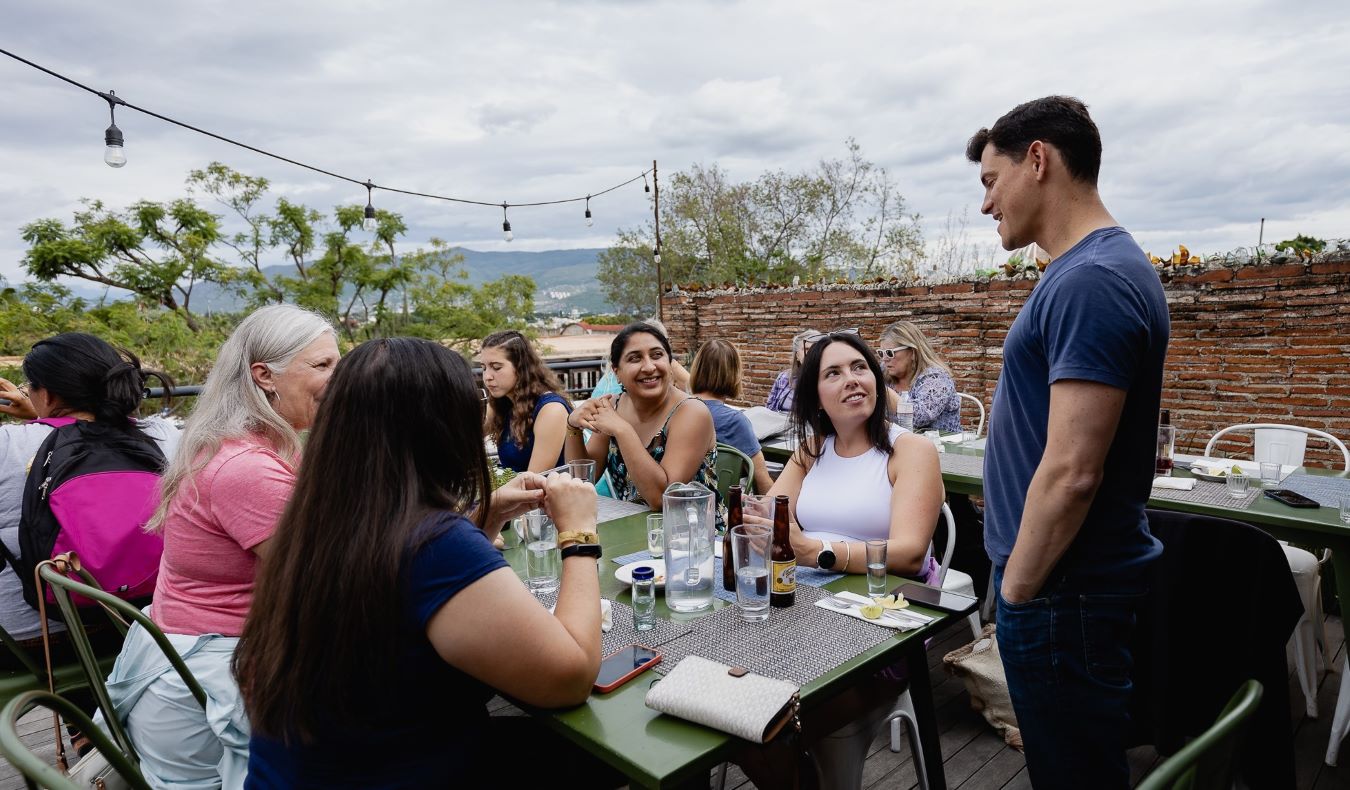
Working holidays reverse that equation entirely. Instead of carrying an existing job across borders, participants secure local employment upon arrival. This approach integrates the traveler directly into the local economy rather than placing them in a remote bubble. Social connections form naturally through daily work routines, local colleagues, and shared schedules rather than exclusively through coworking spaces or transient hostel common rooms.
This framework offers a more grounded and accessible version of long-term international living. Participants maintain a steady routine, build tangible ties to their host community, and enjoy opportunities to forge lasting relationships. Furthermore, it eliminates the necessity for an established remote business or years of professional seniority, requiring instead a willingness to relocate and the logistical backing to ensure a smooth transition.
Consequently, travel preferences are visibly shifting. Questions regarding remote employment logistics are increasingly superseded by inquiries into how to lawfully live and work abroad for an extended period. Structured programs ease these transitions by handling complex elements such as visa applications and job placement, transforming an abstract goal into a practical reality.
Why Ethical Volunteering Matters
The volunteer tourism sector has long faced scrutiny regarding its efficacy and ethics. Poorly regulated programs frequently prioritize profit over impact, leaving participants with the illusion of contribution while failing to address genuine local needs. Addressing these concerns requires rigorous vetting of projects focused on wildlife conservation, education, community development, and healthcare.
When structured correctly, however, volunteering yields profound outcomes. Collaborating with local communities in regions like Zanzibar on self-defined priorities, participating in conservation efforts in South Africa, or supporting elephant rehabilitation initiatives in Thailand reshapes a traveler’s global perspective. Such engagements expose participants to the genuine needs and systemic challenges facing local ecosystems and populations.
Furthermore, initiatives like the Global Animal Welfare Fund channel external resources directly into partner conservation sites, ensuring that the impact of these programs endures well beyond the tenure of individual participants.
The Value of Working Holidays
Working holidays redefine travel from a temporary break into an immersive lifestyle. By participating in the daily rhythm of a host country, travelers gain cultural literacy that conventional vacations cannot replicate. Earning a local income offsets living expenses, enabling extended stays that bypass the rushed itineraries typical of short-term tourism.
Beyond personal enrichment, these experiences foster international work histories that strengthen professional resumes. Participants acquire cross-cultural adaptability, practical problem-solving skills, and a nuanced understanding of foreign labor markets. Rather than functioning merely as an escape, working abroad establishes a sustainable foundation for global citizenship.
Logistical Support and Financial Security
Navigating international relocations involves overcoming numerous logistical hurdles, from securing visas to managing fluctuating exchange rates. Organizations in the work-travel sector assist participants by providing pre-departure support, vetted job placements, and ongoing local assistance.
For solo travelers—who make up a significant portion of program participants—structured community networks help mitigate isolation upon arrival. Financial protections, such as flexible deposit policies and consumer protection memberships, offer additional security against unforeseen disruptions, ensuring that long-term travel remains both accessible and resilient.