A federal court has invalidated the U.S. Environmental Protection Agency’s termination of the landmark $7 billion "Solar for All" grant initiative, delivering a major legal victory to a coalition of states, municipalities, and advocacy organizations. The sweeping judicial ruling is expected to immediately revive suspended funding that was originally designed to bring affordable solar energy, household savings, and workforce development to low-income communities nationwide.
The decision, handed down by U.S. District Judge Mary McElroy, directly addresses a bitter regulatory battle that began when the federal administration moved to dismantle the program. According to plaintiffs and legal experts involved in the litigation, the ruling restores critical momentum to clean energy projects across the country that had been frozen in regulatory limbo for over a year.
Dive Brief
The legal challenge centered on the abrupt cancellation of the multi-billion-dollar federal initiative, which was originally established to catalyze residential solar adoption in historically underserved neighborhoods. When the EPA initially awarded the $7 billion in competitive grants back in 2024, federal projections indicated the program would ultimately reach more than 900,000 households. Furthermore, economists and environmental planners estimated the initiative would slash household electricity bills by a combined $350 million annually while supporting approximately 200,000 jobs and specialized workforce training opportunities.
Those ambitious targets came to a sudden halt in July 2025 when the EPA formally moved to end the program under the umbrella of the One Big Beautiful Bill Act. At the time, EPA Administrator Lee Zeldin defended the decision publicly, arguing that the agency no longer possessed the legal backing or financial mechanisms to keep the initiative operational. In an August 7, 2025, post on the social media platform X, Zeldin asserted that the agency lacked the statutory authority to administer the program or the appropriated funds to keep what he termed a "boondoggle" alive.
Dive Insight
The administration’s defense, however, failed to withstand judicial scrutiny. In October 2025, a diverse coalition of plaintiffs rushed to federal court to challenge the cancellation. The legal challenges argued that the EPA’s unilateral dismantling of the program violated the Administrative Procedure Act (APA), as well as foundational constitutional principles outlined in the Presentment Clauses and the Spending Clause.

In her ruling, Judge McElroy agreed with the core argument of the plaintiffs, determining that the EPA’s termination of the program was fundamentally contrary to law and a direct violation of the APA.
Legal representatives for the plaintiffs welcomed the decision as a vindication of congressional authority and administrative law. Jillian Blanchard, senior vice president of climate change and environmental justice at Lawyers for Good Government—one of the key organizations representing the plaintiffs—emphasized the significance of the ruling in a public statement. She noted that the court’s decision confirms what advocates argued from the very beginning: that the EPA could not simply erase a $7 billion program specifically created and funded by Congress to lower energy burdens and expand access to clean power for communities across the United States.
The legal resistance to the EPA’s cancellation was swift and broad-based, drawing participation from municipal governments and state-level coalitions alike. Harris County, Texas, which had secured one of the largest individual Solar for All awards during the initial 2024 funding cycle, filed a direct lawsuit against the EPA in October 2025 to protect its allocation. Just days later, a coalition representing 22 states and the District of Columbia filed a separate, coordinated lawsuit challenging the administration’s actions.

The cascading legal pressure highlighted the deep regional reliance on the federal grants to meet local climate goals, reduce municipal energy costs, and stimulate local economies through clean energy investments. Proponents argued that abandoning the program midway through its implementation cycle created severe disruptions for state energy offices, local housing authorities, and nonprofit organizations that had already begun laying the groundwork for community solar installations.
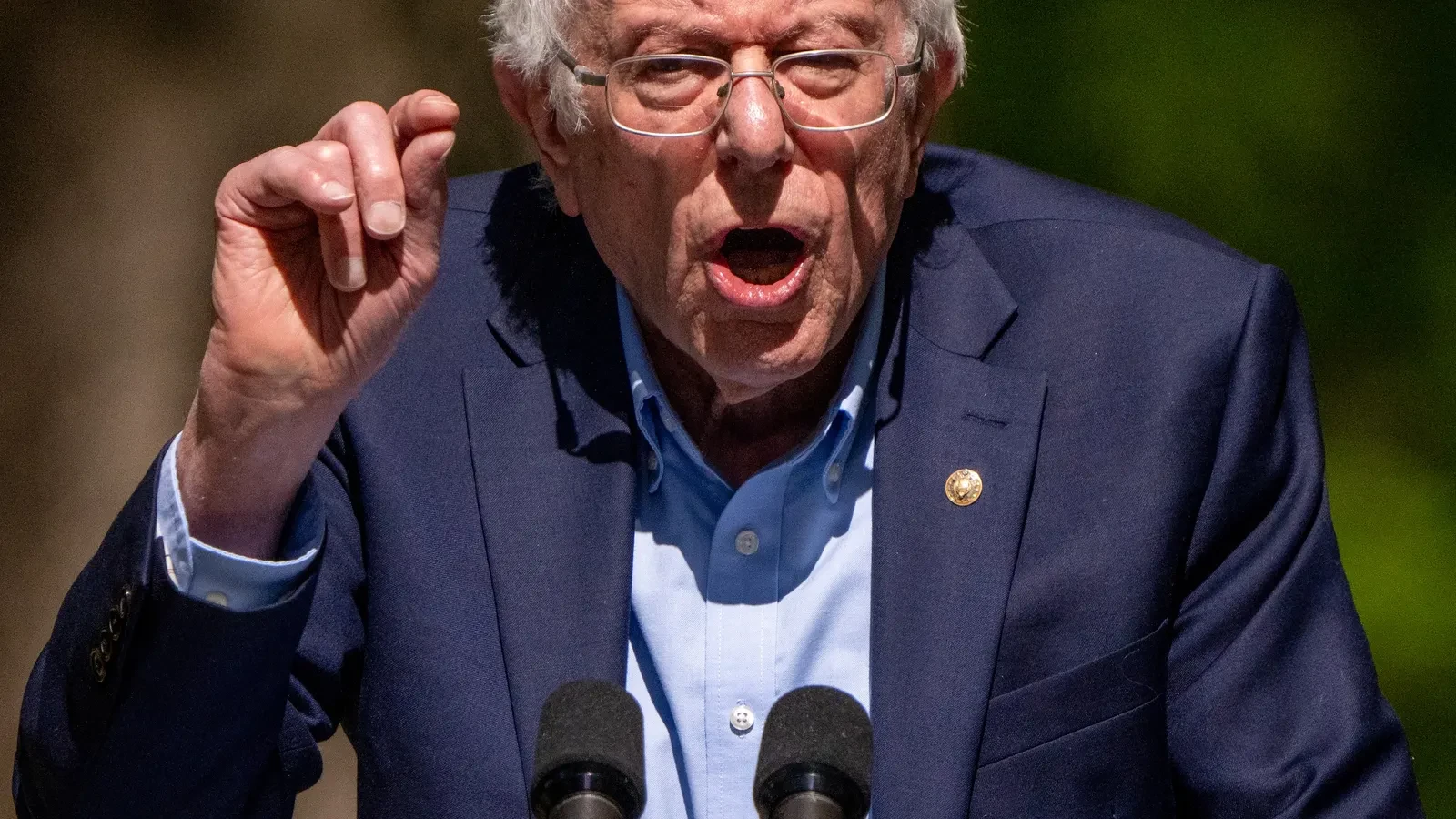
Among the most vocal champions of the original legislative funding was Senator Bernie Sanders, I-Vt., who originally introduced the Solar for All framework. Responding to the federal court’s decision, Sanders issued a strong statement praising the ruling and underscoring the multi-faceted benefits of the program. He described the judicial rejection of the EPA’s termination as a vital step toward preserving an enormously important initiative.
Sanders emphasized that the continuation of Solar for All translates directly into tangible benefits for everyday Americans, citing lower utility bills for working families, the creation of thousands of good-paying jobs, and necessary, proactive measures to confront the long-term threat of climate change. From the perspective of program architects and local implementers, the court’s intervention ensures that federal commitments made to vulnerable communities will be honored, clearing the path for states, cities, and nonprofits to resume the rollout of low-income solar projects previously brought to a sudden standstill.