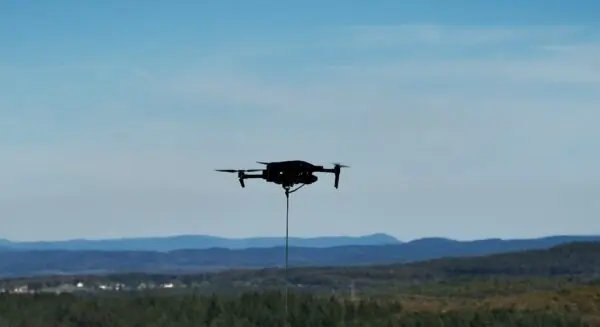
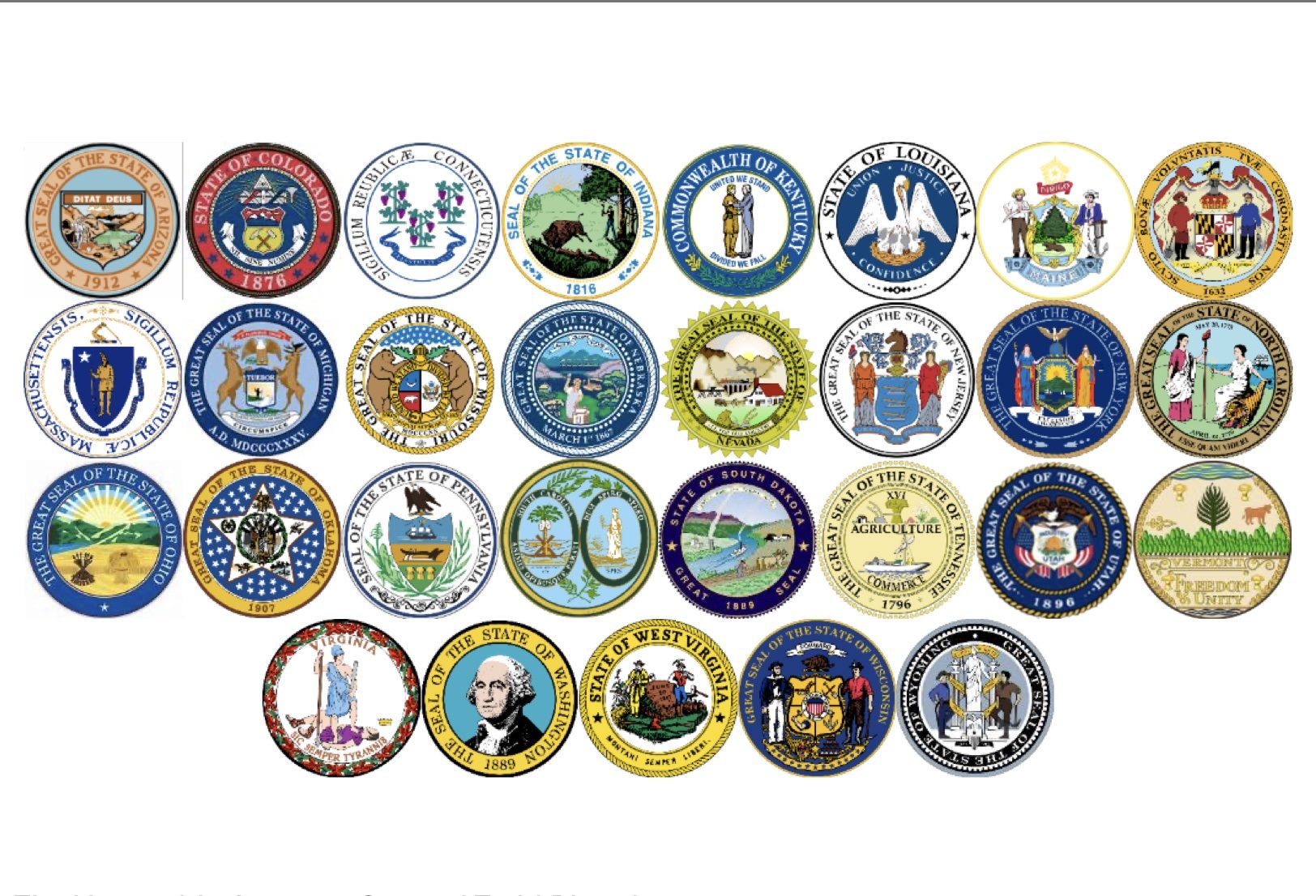
A bipartisan coalition of 29 U.S. governors is formally urging federal authorities to significantly scale up counter-drone training programs for state and local agencies. The coordinated push comes as public safety departments, correctional facilities, and National Guard units attempt to operationalize the sweeping new legal authorities granted under federal legislation enacted late last year.
In an October 6 joint letter addressed to Attorney General Todd Blanche, Secretary of War Pete Hegseth, and FBI Director Kash Patel, the state leaders emphasized that existing federal training capacity is falling drastically short of operational demands. The bipartisan effort was led by North Carolina Governor Josh Stein and South Carolina Governor Henry McMaster, reflecting widespread regional concerns over the rapid proliferation of unauthorized unmanned aerial systems (UAS) across the country.
The governors warned that without a swift and substantial expansion of federal training pipelines, the intent of Congress risks being undermined by administrative and logistical bottlenecks. "Without sufficient training capacity, many jurisdictions will be unable to responsibly exercise the authorities Congress has provided," the governors wrote in their communication to federal leadership.
The urgent request centers on the practical implementation of the SAFER SKIES Act, which was enacted by Congress in December 2025 as a critical component of the Fiscal Year 2026 National Defense Authorization Act. This landmark legislation fundamentally reshaped the legal landscape by expanding the circumstances under which authorized state, local, tribal, and territorial law enforcement and correctional agencies can actively detect, track, and respond to potentially threatening or illicit drones.
Following the passage of the act, the Department of Justice and the Department of Homeland Security published a joint interim final rule in July 2026 to establish a comprehensive implementation framework. This regulatory framework outlines strict dual pathways, creating separate, rigorous training and certification requirements depending on whether an agency is engaging in basic detection and warning operations or deploying more intrusive mitigation measures. Under the rules, agencies must meticulously satisfy all applicable federal prerequisites—ranging from certified personnel and approved technologies to stringent operational safeguards—before they can legally exercise their new counter-drone powers.
The current bipartisan appeal builds directly upon an earlier push from September 2025, when a cohort of 31 governors united to demand broader legal authority to combat mounting drone threats in their respective states. Now that the legislative and regulatory frameworks are officially in place, the latest gubernatorial letter pivots sharply from asking for authority to demanding the operational resources and institutional capacity required to put those laws into practice.
Three Priorities for Counter-Drone Training
To resolve the growing chasm between legal authorization and operational readiness, the governors’ letter outlines three specific areas where federal intervention and expanded support are urgently required.
First, the coalition is requesting a dramatic increase in training opportunities facilitated through the FBI’s National Counter-Unmanned Aircraft Systems Training Center (NCUTC). According to the text of the letter, current training availability is severely restricted, resulting in lengthy, prohibitive wait times for state and local public safety agencies desperate to secure official federal certification for their personnel. To alleviate these operational delays and cut down on excessive travel expenses for local governments, the governors have proposed expanding seat capacity at existing facilities or establishing decentralized regional training programs across the country.
Second, the letter calls for the urgent development and delivery of specialized training tailored specifically to the unique operational environment of corrections officers. The governors highlighted a surging, persistent threat from illicit drone operations targeting correctional institutions, where unauthorized aircraft are routinely exploited to smuggle contraband, weapons, illicit drugs, and unauthorized communication devices directly into secure prison yards. Because correctional facilities present distinct legal and tactical challenges compared to traditional open-air policing, the governors recommended specialized curricula addressing precise legal thresholds, proper evidence collection standards, seamless coordination with external law enforcement agencies, and safe, measured response procedures that avoid escalating institutional security risks.
Third, the state leaders are seeking expanded and formalized training access for National Guard personnel. The letter underscores the vital, multifaceted role that the National Guard plays in supporting large-scale public events, emergency disaster response operations, statewide homeland security initiatives, and the ongoing protection of critical infrastructure. Ensuring that Guard units are fully trained and certified in modern counter-UAS protocols is viewed by the governors as an essential pillar of comprehensive regional defense and domestic preparedness.
The joint request underscores a persistent, practical dilemma facing modern public safety administrators: the granting of new legal authorities by the federal government does not automatically furnish agencies with the trained personnel, specialized equipment, or fiscal resources required to implement them on the ground. As state and local entities grapple with the complexities of the post-SAFER SKIES Act environment, the 29 governors are pressing federal partners to close the gap between statutory permission and operational capability. While the federal agencies have not yet announced any new funding allocations or formalized training expansions in response to the October letter, the concerted bipartisan pressure keeps the issue front and center as states continue working to secure their skies.