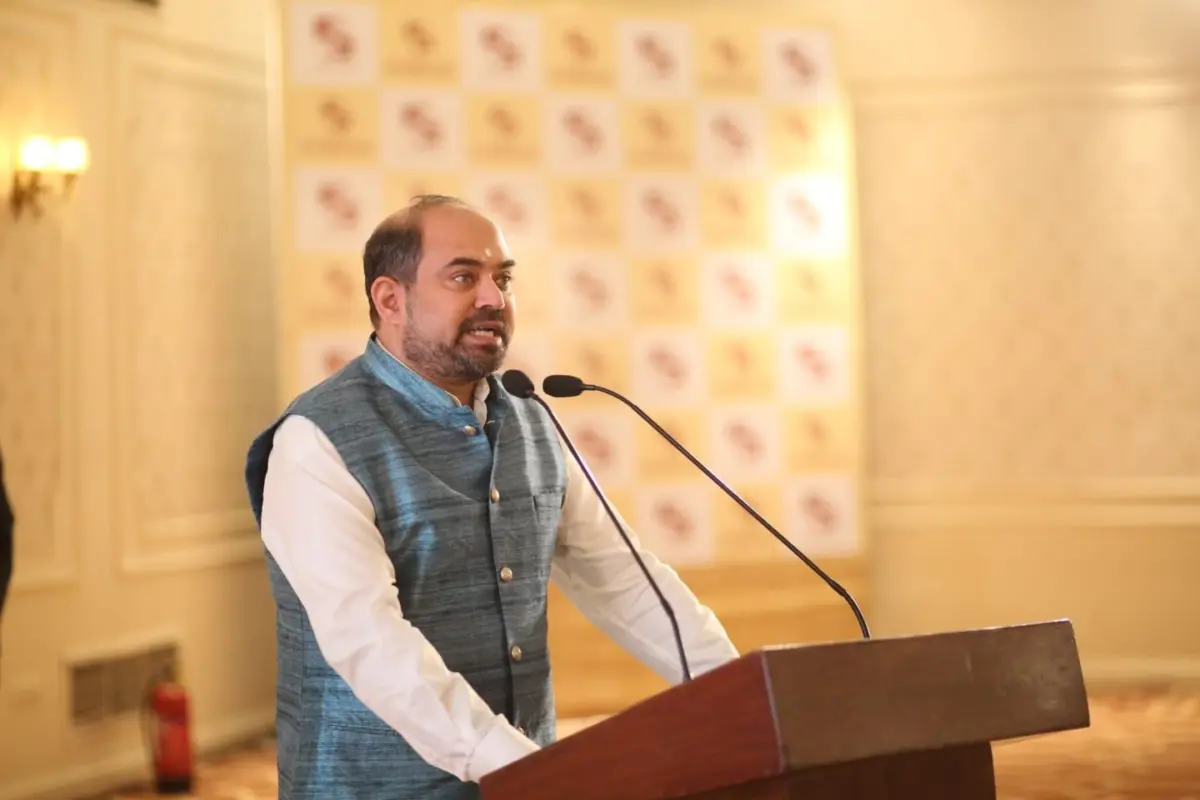
NEW DELHI — Addressing a gathering of diplomats, academics, and global leaders at the Symbiosis International Annual Dinner in New Delhi, Dr Ramakrishnan Raman, Vice Chancellor of Symbiosis International (Deemed University), underscored the evolving and critical role that modern institutions of higher education must play in shaping a generation of responsible, technology-ready, and globally minded graduates.
Against the backdrop of a rapidly shifting global landscape, Dr Raman’s remarks captured the urgent challenges and unprecedented opportunities facing the education sector today. Artificial intelligence and automation are fundamentally transforming global economies, reshaping workplaces, and redefining how knowledge is created, validated, and shared across borders. For universities worldwide, the traditional pedagogical challenge has fundamentally shifted. The mandate is no longer simply to train students for existing career tracks, but rather to equip them with the resilience and cognitive flexibility required for a world in which many of the most prominent future professional roles have yet to be invented.
Welcoming the international gathering to the capital, Dr Raman emphasized that diplomacy, mutual understanding, and cross-border cooperation remain enduring pillars of stability in an era defined by rapid technological disruption and economic volatility. He described the ongoing global transformation not as a threat, but as an extraordinary catalyst for universities to strengthen international connections, foster grassroots innovation, and prepare young people to navigate an increasingly interconnected and interdependent future.
Articulating the core philosophy guiding contemporary academic strategy, Dr Raman observed that education today is not merely about preparing students for jobs that currently exist, but rather about preparing them for careers that may not yet exist. This perspective places a premium on adaptable skills, continuous learning, and intellectual agility over rigid, narrow vocational training.
At Symbiosis International, this visionary approach translates into the deep integration of artificial intelligence and emerging technologies across teaching methodologies, academic research, and industry partnerships. However, Dr Raman was careful to stress that technological adoption must extend far beyond the superficial introduction of new digital tools into traditional classrooms. True technological integration requires that students learn how to think critically, solve complex problems, interpret vast arrays of data, and grapple deeply with the ethical implications of the technologies they utilize and build.
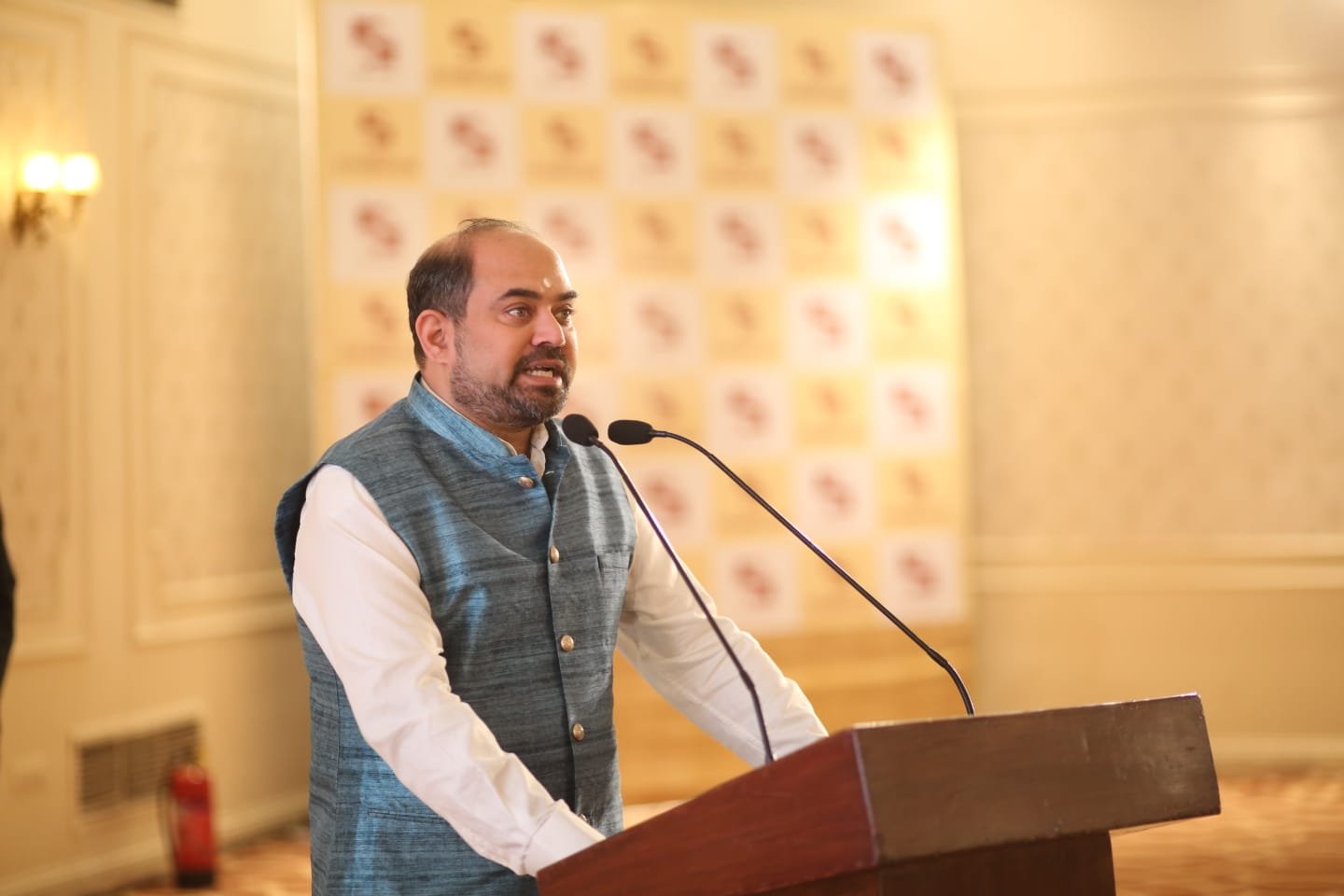
This ethical dimension is crucial as AI permeates deeper into the fabric of daily professional and personal life. Technology does not operate in a moral vacuum, and future leaders must be trained to evaluate the societal consequences of automated decision-making, algorithmic bias, and data privacy.
Equally important to this modern educational framework is the democratization of digital literacy across disciplines. Dr Raman highlighted that digital capabilities must be deliberately cultivated across a wide spectrum of fields, including management, law, healthcare, and the humanities. As artificial intelligence increasingly influences professional practice across all sectors, technological literacy must become a shared educational priority rather than remaining the exclusive preserve of specialized technical courses and engineering programs. A law student must understand the mechanics and limitations of legal tech and predictive analytics, just as a healthcare professional must navigate the complexities of AI-driven diagnostics and patient data management.
Beyond the classroom and the curriculum, Dr Raman placed strong emphasis on the indispensable value of international collaboration to address these global educational imperatives. Universities, governments, and private industry must forge robust partnerships through joint research initiatives, faculty exchange programs, student mobility frameworks, and comprehensive skills development schemes. By pooling resources and sharing best practices, institutions can draw upon each country’s distinct strengths, cultural insights, and technological expertise to build a more cohesive global academic ecosystem.
In his concluding remarks, Dr Raman issued a compelling call to action for the academic and diplomatic communities. He urged stakeholders to envision and work toward a future where rapid technological progress contributes not only to narrow economic productivity and corporate bottom lines, but also to the creation of more inclusive, resilient, and prosperous societies worldwide. The ultimate metric of educational success in the twenty-first century, he suggested, will be the extent to which universities empower graduates to leverage technology for the collective betterment of humanity.
The annual dinner served as a significant forum for dialogue among international representatives, reinforcing the commitment of Symbiosis International to fostering global citizenship, academic excellence, and forward-looking educational reforms in an era of profound digital transformation.