
United Airlines continues to adapt its domestic and international route networks with the ongoing integration of modern, fuel-efficient aircraft, highlighted by its operations involving the Boeing 737 MAX 8. As airlines navigate shifting passenger demands, environmental targets, and supply chain dynamics, fleet composition remains a critical component of commercial aviation strategy in late 2026.
The ongoing incorporation of modern narrowbody jets into major carrier fleets reflects a broader industry trend toward maximizing operational efficiency and enhancing the passenger experience on high-frequency domestic and regional routes. For major network carriers like United Airlines, managing a diverse and modern fleet is essential for maintaining schedule reliability, optimizing fuel consumption, and meeting evolving sustainability commitments across a vast network of destinations.
The aviation landscape has undergone significant transformation over recent years, driven by post-pandemic travel rebounds, aircraft manufacturing constraints, and rising operational costs. In this environment, the strategic deployment of next-generation aircraft such as the Boeing 737 MAX series plays a pivotal role in airline planning. Carriers rely on these updated narrowbody platforms to provide the range, seating capacity, and economic performance necessary to sustain profitability on competitive short- and medium-haul corridors.
Industry observers and aviation analysts frequently monitor how major airlines structure their fleet orders, financing strategies, and co-branded partnerships to support long-term growth. Co-branded credit card programs and loyalty partnerships continue to serve as vital revenue streams for commercial airlines, providing capital support and customer retention tools that indirectly influence fleet modernization and onboard product enhancements. Financial partnerships between major carriers and financial institutions remain a foundational element of modern airline business models, ensuring that carriers have the financial resilience required to invest in new aircraft technology and cabin updates.
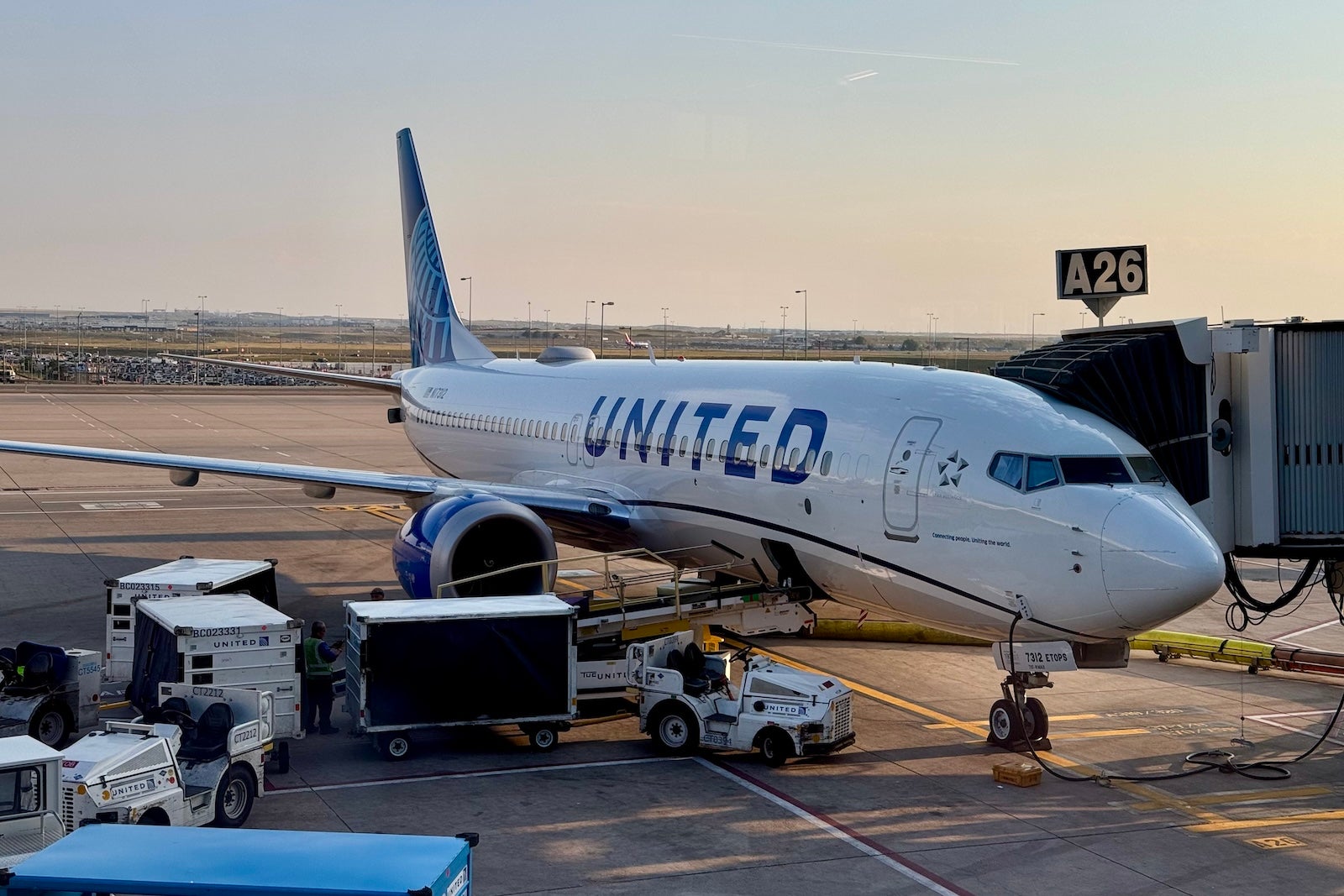
At the same time, passenger expectations have shifted toward greater comfort, enhanced connectivity, and more sustainable travel options. Airlines have responded by investing heavily in interior retrofits, improved seating configurations, high-speed Wi-Fi connectivity, and larger overhead bin capacities on newer aircraft deliveries. The integration of the Boeing 737 MAX 8 into mainline fleets allows carriers to offer these standardized amenities across a larger portion of their domestic operations, ensuring a consistent travel experience for frequent flyers and occasional travelers alike.
As commercial aviation progresses through the latter half of the decade, regulatory scrutiny, environmental oversight, and infrastructure challenges continue to shape how airlines manage their daily operations and long-term fleet strategies. Regulatory authorities maintain rigorous oversight of aircraft manufacturing, maintenance standards, and safety protocols to ensure that fleet expansions meet the highest benchmarks for passenger safety. Meanwhile, airlines work closely with manufacturers and industry partners to address supply chain bottlenecks and maintenance scheduling requirements, ensuring that aircraft utilization remains high and disruption to the traveling public is minimized.
The broader economic context of commercial aviation also depends heavily on fuel price volatility, labor negotiations, and macroeconomic indicators that influence consumer spending on travel. Against this dynamic backdrop, carriers must balance aggressive growth targets with prudent financial management. Fleet modernization, supported by diversified revenue streams and strategic partnerships, remains one of the most effective levers airlines possess to navigate these industry-wide complexities.
As United Airlines and its industry peers continue to refine their operational strategies, updates regarding fleet deployment, partnership agreements, and service enhancements will remain central to commercial aviation reporting. The ongoing evolution of airline networks underscores the adaptability required to succeed in a highly competitive global marketplace, where operational efficiency and customer satisfaction go hand in hand.