When multiple employees are making purchases for your business, choosing the right credit card can make your operations run more smoothly. The best card for your enterprise will largely depend on whether you prefer cash back or transferable miles, as well as the overall volume and nature of your business spending. Handing out employee cards also means giving others the ability to spend on your business’s account, bringing accountability and oversight to the forefront. That is where features like individual spending limits and real-time transaction tracking become vital for business owners looking to maintain tight financial controls without stifling daily productivity.
Capital One business cards offer these crucial controls alongside employee cards that come with no additional costs and earn rewards on purchases. Understanding what to look for in employee-enabled business cards, which specific products offer them, and how to manage them effectively can save growing companies both time and administrative headaches.
What to Look for in a Business Card for Employees
Choosing a business credit card gets significantly more complicated when you are not the only person using it. Beyond evaluating standard perks like rewards earning rates and annual fees, business owners and financial managers need to carefully consider how much control they have over employee spending and how easily they can track individual purchases.

Some of the most important features to look for when evaluating corporate or small-business cards include customizable spending caps, transaction alerts, detailed reporting metrics, and the ability to instantly lock or unlock a card if it is misplaced. Without these safeguards, managing company expenses can quickly devolve into a chaotic monthly auditing process, leading to lost receipts, unauthorized purchases, and unnecessary administrative burdens.
Which Capital One Business Cards Offer Employee Cards?
Employee cards are available at no additional cost across Capital One’s entire business card lineup. These cards offer individual spending limits and allow all employee purchases to earn rewards that seamlessly pool directly into the primary account.
Keep in mind, however, that adding an employee card does not automatically give that employee all of the primary cardholder’s perks. Some specialized benefits are available only for an added cost. For example, adding an employee card to the Capital One Venture X Business requires no extra fee, but airport lounge access is not automatically included for authorized users. Primary cardholders can choose to purchase lounge access for eligible additional cardholders for a designated annual fee per person.

The biggest differences between the various cards in the Capital One portfolio come down to their annual fees, earning structures, and travel or cash-back benefits. Whether a business opts for a Spark-branded cash-back card or a Venture-branded travel card, the underlying framework for managing authorized users remains remarkably consistent.
How Employee Cards Work with Capital One
When you add an employee to your Capital One business card account, they are officially added as an authorized user and receive their own personalized plastic or digital card. Crucially, their purchases are charged directly to your overarching business account rather than a separate, independently liable account in their individual name. This ensures that the business maintains complete financial oversight of all outgoing cash flows.
Capital One allows business administrators to assign customized spending limits to individual employee cards. This means an employee who regularly handles large inventory orders or frequent travel expenses can have a significantly higher limit than someone who only occasionally needs to purchase office supplies or team lunches. It is important to remember that an employee’s spending limit is not a separate credit line; rather, employee cards are tethered to the primary account, and their purchases count toward the business’s overall available credit line.
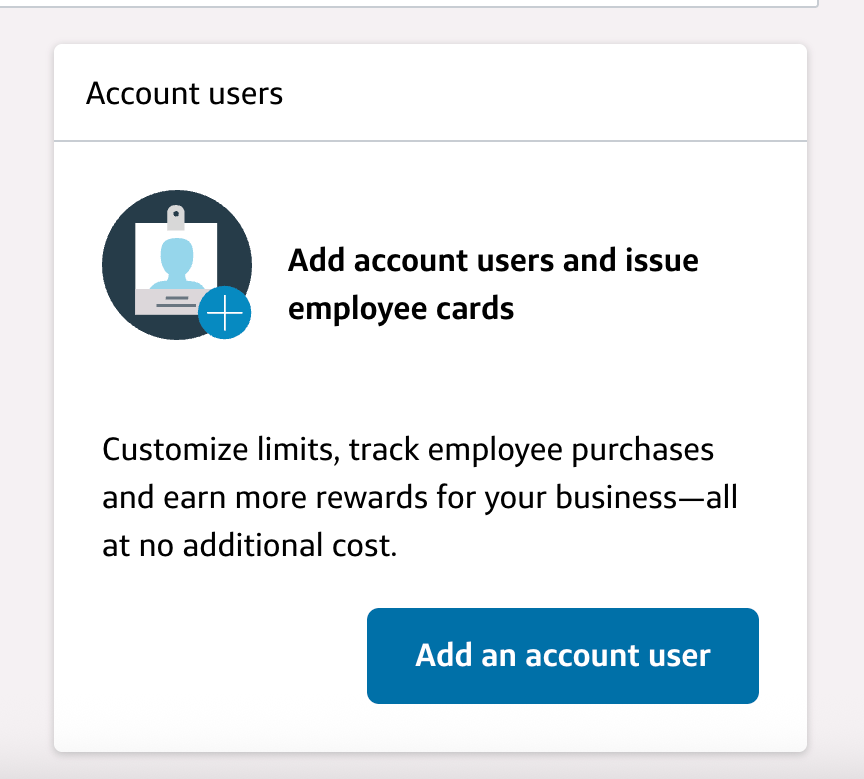
Furthermore, each employee’s purchases are explicitly identified by cardholder name in the account dashboard. This granular tracking makes it far easier to see who paid for what when reviewing monthly statements, reconciling expenses, or preparing for tax season. Business owners can also utilize real-time account notifications to stay on top of large or unusual purchases without needing to check the mobile app or web portal throughout the day.
Purchases made with employee cards earn rewards at the primary card’s standard rates. Those rewards are channeled directly into the primary account, meaning that spending across multiple employee cards helps the business accumulate cash back or Capital One miles much faster, all without requiring employees to manage separate rewards balances.
How to Add and Manage Capital One Employee Cards
Adding employee cards can be accomplished directly through the online Capital One Business account portal. After logging in, the primary account holder simply selects the specific business card they want to manage, navigates to the account options to add users, and initiates the process.
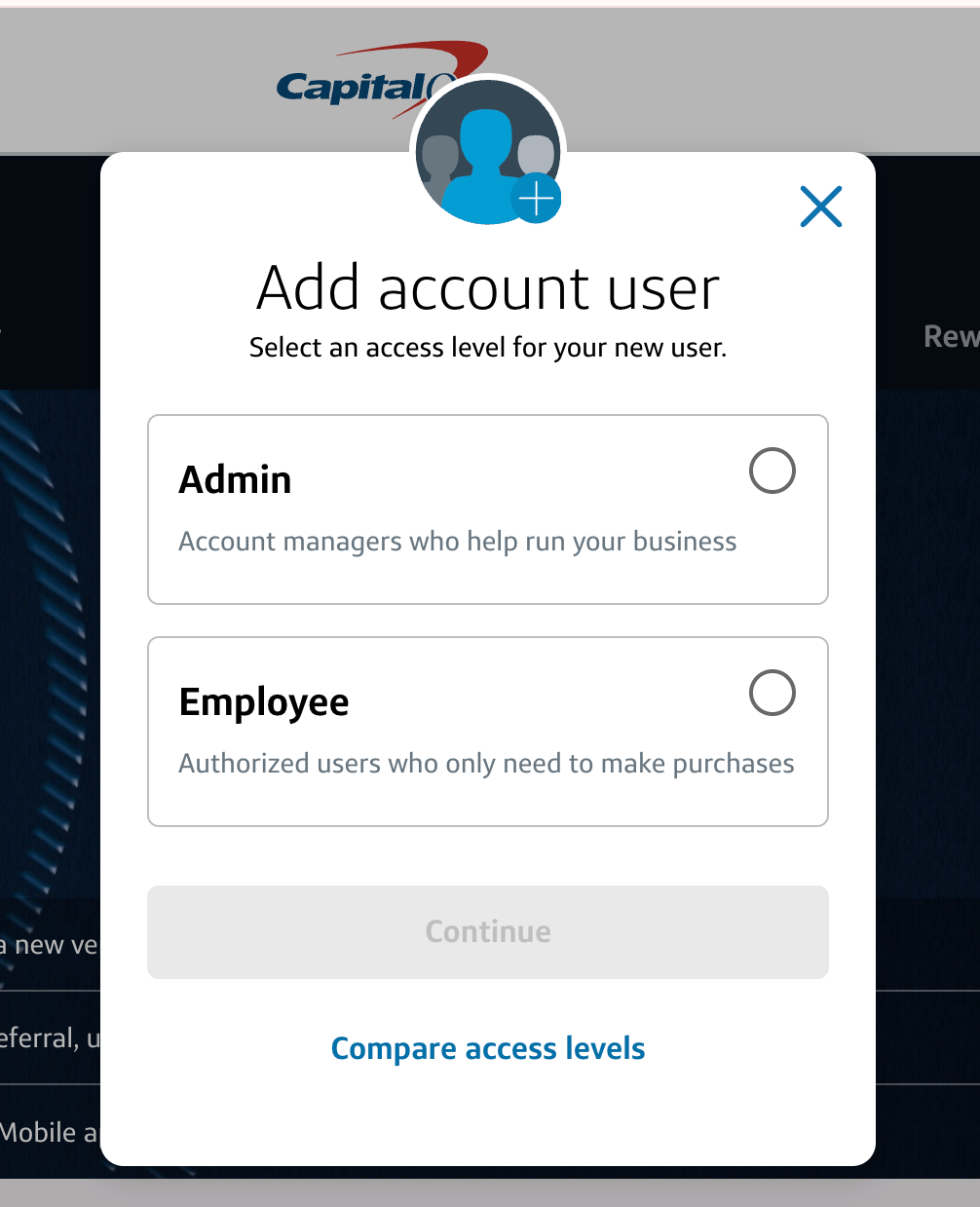
Capital One first prompts the administrator to choose an access level for the new user. Business owners can add a user as an administrator, which comes with broader account-management permissions and oversight capabilities, or as a standard employee, which functions as an authorized user with more limited access. If the goal is simply issuing a card for everyday business purchases, the standard employee option is typically the most appropriate selection.
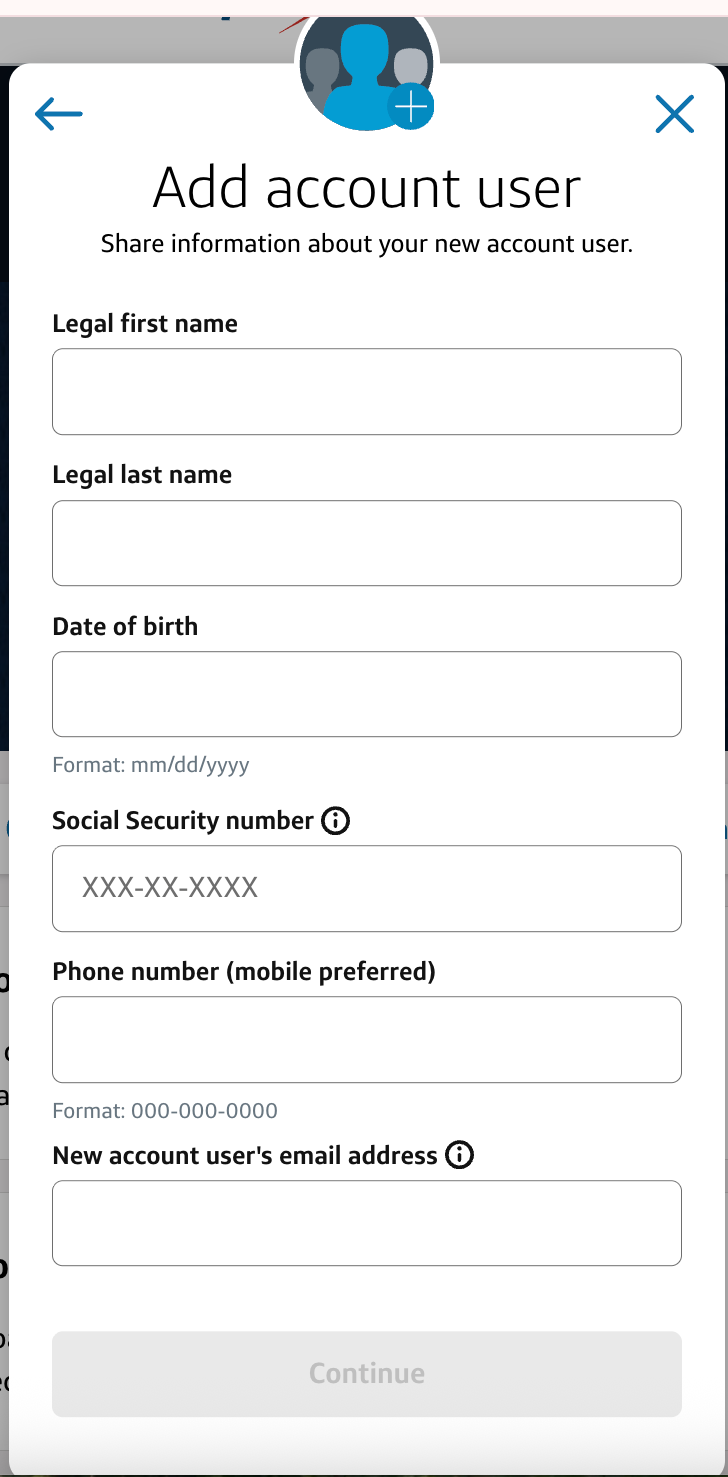
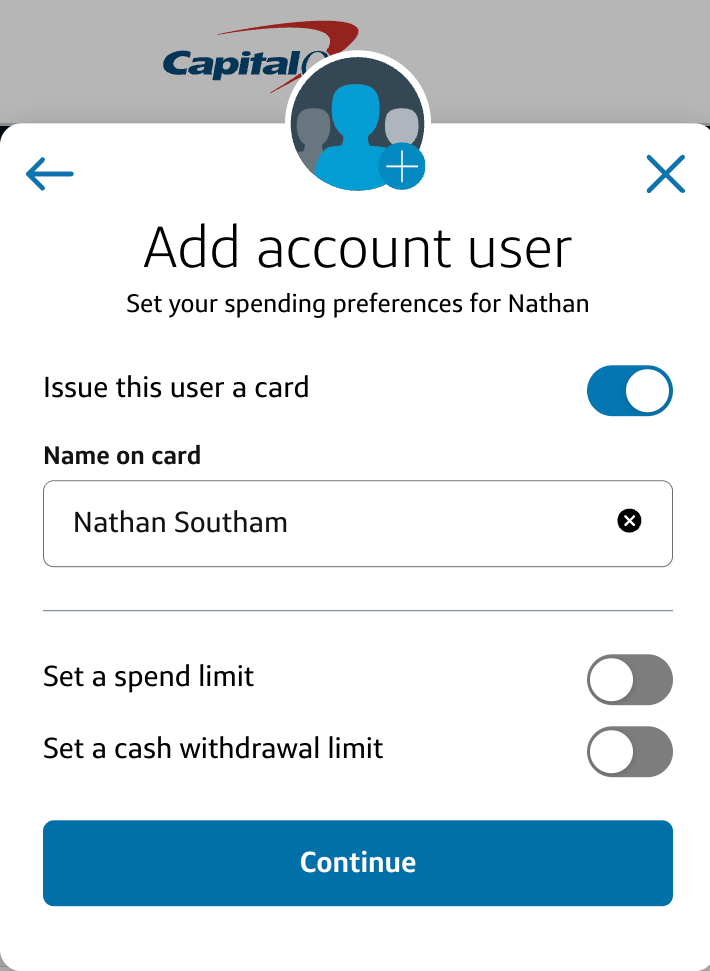
Following the selection of the access level, administrators enter the new user’s legal first and last name, date of birth, Social Security number, phone number, and email address. Next, the system allows the business owner to decide whether to issue a physical card and set individualized spending preferences, including separate caps for standard purchases and cash withdrawals if permitted.
Before finalizing the request, administrators must review the employee’s information, spending preferences, and acknowledge Capital One’s Authorized User Terms and Conditions. Once the addition is confirmed, Capital One sends confirmation communications to both the business owner and the employee. If a physical card was requested, it is mailed directly to the designated address on file.
Once employees begin using their cards, tracking transactions is straightforward. While all transactions appear on the main account page, administrators can narrow them down to a specific employee by utilizing the filtering tools on the transaction history page, selecting the card filter, and isolating that specific employee’s spending activity.
Capital One vs. Chase Ink Employee Cards
Capital One is far from the only major issuer that simplifies the process of distributing employee cards. Competitors like Chase offer many of the same employee card features across its popular Ink Business card lineup, including employee cards issued at no additional cost, individual spending limits, online card management, card-locking capabilities, and robust tools for monitoring employee purchases.
The deciding factor between these two major issuers often comes down to the specific spending habits and reward preferences of the business. For instance, the Ink Business Cash Credit Card rewards spending in specific categories such as office supply stores, internet, cable, and phone services up to an annual spending cap. Meanwhile, products like the Spark Cash Plus earn a flat, uncapped percentage back on all purchases, which can be far more advantageous for businesses whose employees incur expenses across a wide and unpredictable range of industries.
For companies prioritizing travel rewards, comparing Capital One miles with Chase Ultimate Rewards points remains an essential step in determining which ecosystem best aligns with corporate travel policies and redemption goals.
Capital One business cards remove traditional friction from corporate expense management by allowing businesses to issue employee cards without added fees while maintaining rigorous oversight through customized spending limits and granular purchase tracking. Because these fundamental administrative features are standardized across Capital One’s portfolio, the ideal choice ultimately rests on whether a company favors flexible travel miles or straightforward cash back to support its continued growth.