During a recent virtual public workshop hosted by Storytelling with Data, a thought-provoking question from a participant struck at the heart of corporate communication and data analysis. The participant posed a scenario that many professionals in the analytics and business intelligence sectors encounter far too often, albeit rarely articulated with such clarity. Paraphrased, the question went something like this: "I can completely see the value of what you’re teaching, but how do I tell a story that my audience doesn’t want to hear, or doesn’t want to focus on right now?"
At first glance, the initial reaction to such a dilemma is one of mild surprise or professional curiosity. After all, why would any analyst or communicator choose to share insights that their audience is fundamentally uninterested in receiving? In an ideal business environment, data flows seamlessly from discovery to decision-making, with stakeholders eagerly awaiting whatever conclusions the research yields. However, the corporate and organizational reality is rarely so streamlined.
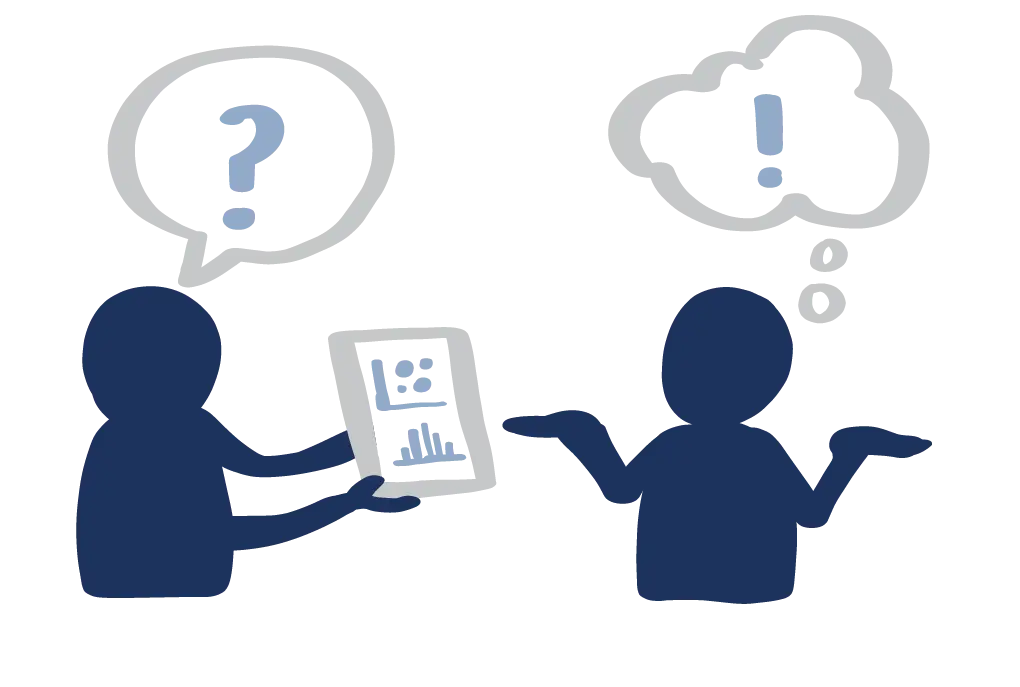
Following a series of clarifying follow-up questions during the workshop, the true nature of the participant’s predicament came into sharper focus. It became evident that the person or group they were communicating with was anticipating an update framed in a very particular, predetermined way. They had locked into a specific narrative, strategy, or hypothesis. Unfortunately, the exploratory analysis and the resulting empirical findings pointed in a starkly different direction. The data was telling one story, while the stakeholders were looking for another.
This realization reframed the entire challenge. The core issue was not necessarily that the audience was hostile to the truth or willfully ignorant of the facts. More likely, they were simply expecting a different narrative based on previous assumptions, older data sets, or existing strategic plans. When a stakeholder group is deeply invested in a particular outlook, encountering data that contradicts their worldview can trigger defensiveness or immediate resistance. Recognizing this psychological barrier is the first step toward bridging the gap. Acknowledging those pre-existing expectations before introducing new, conflicting findings can help guide your audience smoothly from what they thought they would hear to what the data is actually saying.
Navigating this terrain is undeniably a difficult situation for any professional communicator. Analysts find themselves caught in a delicate balancing act. On one hand, they must thoroughly understand why the audience holds those specific expectations in the first place, respecting the context and pressures those stakeholders are operating under. On the other hand, they have a professional obligation to surface what the analysis actually shows, ensuring that decision-makers are not operating under false pretenses. With those complex dynamics in mind, those were the foundational thoughts that shaped the initial reply during the workshop session.
The central question remains: how do you effectively tell a story that your audience fundamentally does not want to hear?
The answer lies in first making sure it is a story they understand, care about, and see as directly relevant to the critical decisions sitting in front of them. When content has been meticulously tailored to the specific audience and provides them with a clear, undeniable sense of why the message matters—whether framed in terms of missed opportunities, hidden risks, or tangible organizational impact—even a difficult or unwelcome message is far more likely to be received in the right spirit. Instead of feeling like an attack on their previous strategy or a contradiction of their authority, the data is reframed as vital intelligence necessary for navigating upcoming challenges.
If this scenario sounds intimately familiar to analysts, managers, and communication professionals, it is because it represents a universal hurdle in professional communication. Fellow data storytellers Alli and Ryan recently dug into a deeply related challenge on an episode of the Storytelling with Data podcast, exploring what to do when a leader explicitly asks you to find data to prove them right. For professionals facing the heavy pressure of confirmation bias and misaligned expectations in their own organizations, that episode serves as a useful and validating listen.
Ultimately, the overarching goal of data storytelling is not to avoid an uncomfortable truth in the interest of keeping the peace or maintaining short-term comfort. Rather, the true purpose is to make complex and sometimes unwelcome truths clear, relevant, and ultimately useful in service of the organization’s broader, long-term success. By respecting audience expectations while firmly anchoring the narrative in rigorous data, communicators can transform difficult conversations into turning points for better organizational decision-making.