A transformative high-speed and passenger rail initiative is moving forward along the East Coast, promising to reshape transit infrastructure between North Carolina and Virginia. The ambitious undertaking, centered on the historically significant S-Line corridor, is designed to relieve severe train congestion and pave the way for a dramatic increase in the frequency of passenger rail services connecting the two states.
According to announcements from transportation officials, the ongoing development marks a critical step forward in modernizing the region’s transportation network. By separating high-priority passenger services from heavily congested freight routes, the corridor aims to provide travelers with a faster, more reliable, and environmentally friendly alternative to highway driving.
Dive Brief:
The core objective of the S-Line project is to alleviate chronic bottlenecks on existing freight rail corridors while allowing transportation departments in North Carolina and Virginia to schedule significantly more frequent passenger train trips. The initiative is a cornerstone of broader regional efforts to expand intercity rail travel, offering residents and visitors expanded mobility options that cut down travel times and improve overall connectivity along the booming southeastern economic corridor.
Dive Insight:
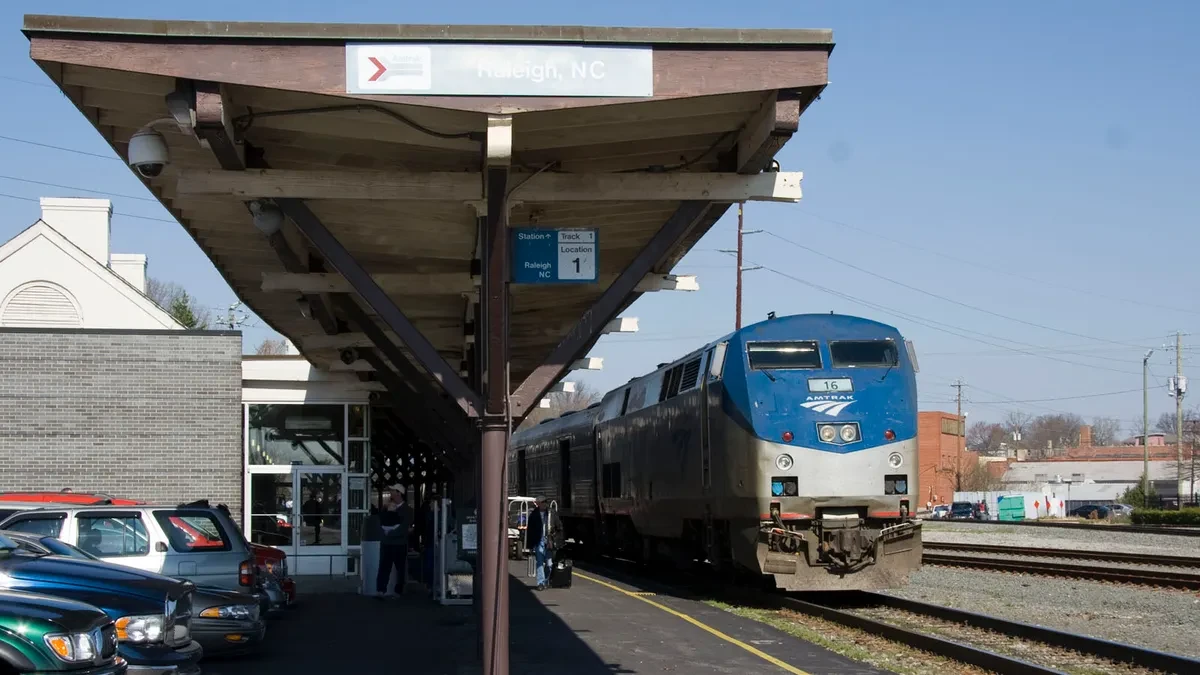
The S-Line traces its roots to a freight rail line originally owned and operated by CSX. Recognizing the strategic value of the corridor for future passenger expansion, the states of North Carolina and Virginia took the decisive step of purchasing the right-of-way for a vital portion of the line running between Petersburg, Virginia, and Raleigh, North Carolina. Momentum for the physical transformation of the route gathered pace when officials officially broke ground on the project in Raleigh.
The financial backing for the corridor received a crucial endorsement when the Federal Railroad Administration obligated the necessary funds. This federal action formalizes a project-specific agreement between the United States Department of Transportation and the North Carolina Department of Transportation, locking in the resources needed to drive the extensive construction and modernization efforts forward.
This latest funding milestone builds on a broader wave of federal investment in the region’s rail network. Earlier, the U.S. Department of Transportation awarded nearly $300 million to support the ongoing development of the Piedmont Corridor, which connects Raleigh and Charlotte. That substantial investment was earmarked to eliminate nine hazardous grade crossings, install critical double-track segments to boost capacity, and implement advanced safety measures focused on trespassing prevention.

Federal transportation leaders have praised the collaborative framework driving these projects. Commenting on the continuous progress along the route, Federal Railroad Administration Administrator David Fink emphasized the significance of the partnership behind the scenes.
"This milestone is a testament to the strong partnership between the Federal Railroad Administration, Amtrak, and NCDOT in advancing the S-Line and the earlier announced Piedmont Line corridors," Fink said in a statement. "Through close collaboration, we are delivering vital investments that will modernize passenger rail and create a new Golden Age of Rail for the people of North Carolina."
Beyond laying down tracks and upgrading signaling systems, the transportation department in North Carolina is taking a comprehensive approach to regional planning. The agency is actively leading planning efforts for transit-oriented development directly along a 95-mile-long section of the rail corridor. This planning footprint spans numerous communities, including Apex, Franklinton, Henderson, Norlina, Raleigh, Sanford, Wake Forest, and Youngsville.

To ensure that the revived rail service benefits local communities as seamlessly as possible, these municipal planning initiatives incorporate the design of community mobility hubs. Situated within the cities along the corridor, these hubs are intended to facilitate multimodal transportation options, streamline first- and last-mile connections for commuters, and provide vital infrastructure such as dedicated bike parking to encourage sustainable, everyday travel habits.