For nearly two decades, the landscape of travel insurance has operated at a remarkably sluggish pace. For years, the traditional pitch presented to consumers has remained stubbornly uniform: purchase a policy, hope against hope that disaster never strikes, and if an emergency does occur, brace yourself for a grueling bureaucratic paperwork marathon. The eventual payout often arrived on a timeline oscillating between the indefinite future and the point of complete resignation where the traveler had entirely forgotten they ever filed a claim in the first place.
Industry veterans and everyday globetrotters alike have long been intimately familiar with this frustrating runaround. Yet, despite the administrative headaches, conventional travel wisdom has always maintained an absolute rule: travelers should never, ever embark on a journey without proper coverage. The alternative—facing exorbitant medical bills or scrambling to fund a medical evacuation via crowdsourcing platforms like GoFundMe after an unexpected crisis—remains a risk far too significant to take in a world where the future is fundamentally unpredictable.
Within a crowded marketplace historically dominated by legacy providers that have spent decades anchoring the industry, newer digital-first competitors are attempting to rewrite the rules of engagement. Among the recent entrants making waves in the United States market is Faye Travel Insurance, a tech-driven provider that officially launched domestic coverage in 2022. While long-standing giants like World Nomads and Allianz have spent over twenty years defining the sector, newer platforms are attempting to disrupt the traditional model by reimagining how insurance functions during a trip.
The foundational premise behind these modern digital platforms is remarkably straightforward: travel insurance should not simply sit dormant, passively waiting for catastrophic events to unfold. Instead, advocates for this new wave of coverage argue that insurance should actively assist travelers in navigating the inevitable friction points of modern transit, transforming a defensive safety net into an active travel companion.
This shift involves comprehensive whole-trip protection that spans personal itinerary disruptions, emergency health needs, personal belongings, and even traveling pets. Rather than relying on traditional delayed communications, these modern services leverage mobile applications designed to be genuinely functional while on the road. This includes round-the-clock access to human customer support, claims processing that concludes in days rather than months, and digital wallet integrations capable of reimbursing travelers almost instantly, bypassing the antiquated paper checks still utilized by some legacy carriers. Services of this nature are increasingly becoming available nationwide, providing coverage options across all fifty states.
One Plan, Done Right
A common friction point for consumers shopping for travel insurance has been the labyrinth of policy tiers. Traditional insurers frequently offer multiple distinct plans, forcing travelers to squint at dense coverage tables and cross-reference fine print to determine which option will prevent them from being stranded abroad while meeting necessary minimum coverage thresholds.

In response to this complexity, newer industry entrants have streamlined the purchasing process by consolidating coverage into a single, comprehensive plan designed to accommodate both domestic and international itineraries. This unified approach aims to cover the core essentials that travelers actually require without forcing them to decode tiered policy structures. Standard coverage limits within these unified plans typically align with industry norms, particularly regarding emergency medical provisions.
To accommodate varying traveler priorities, providers have also introduced targeted optional add-ons. Among these, Cancel For Any Reason (CFAR) insurance stands out as a particularly notable feature. Traditionally, CFAR protections are either entirely absent or heavily baked into higher-tier policy costs at a mandatory premium. Offering it as a flexible, affordable add-on represents a significant shift in flexibility. Similarly, specialized pet care add-ons have emerged to address the growing demographic of travelers who choose to bring their domestic animals along on journeys, addressing a niche that traditional policies frequently overlook.
All About the App
The primary differentiator for modern travel insurance providers lies in their technological infrastructure, specifically mobile applications engineered to centralize various aspects of the travel experience. Rather than serving merely as a portal to view policy documents, these digital platforms incorporate a wide array of utility features designed to assist travelers before, during, and after their journeys.
Policy acquisition has been streamlined to the point where coverage can be secured in a matter of minutes. By inputting basic itinerary parameters directly into a smartphone interface, users can generate quotes and finalize policies almost instantaneously. Beyond the core insurance policy, these applications frequently integrate real-time flight tracking mechanisms that supply automated alerts regarding schedule delays, gate reassignments, and baggage carousel designations upon landing.
Medical accessibility has also seen a digital overhaul through the integration of telemedicine networks. When travelers fall ill in unfamiliar locations—such as experiencing severe food poisoning in a region where they do not speak the local language or feel hesitant about navigating local medical facilities—mobile applications can connect them with licensed physicians across multiple languages directly from their hotel rooms. This capability addresses a notoriously stressful hurdle for international travelers trying to access reliable healthcare abroad.
Furthermore, built-in geolocation tools within these apps assist users in locating nearby pharmacies, emergency rooms, doctors, or automated teller machines when they find themselves disoriented in a new city late at night. Additional logistical conveniences often include complimentary airport lounge access triggered automatically when a flight delay exceeds a specific threshold, such as three hours, providing travelers with a comfortable environment and refreshments during extended disruptions.
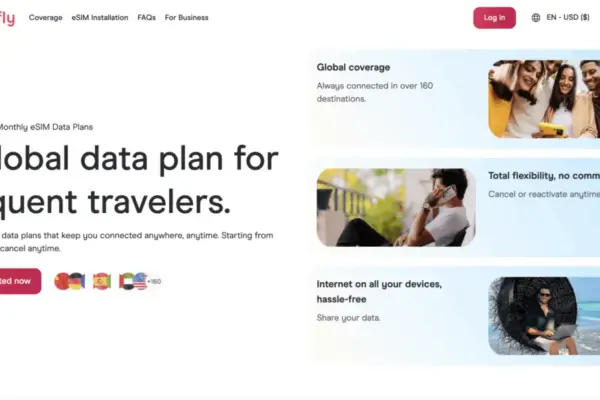
Digital document storage features allow users to securely upload and safeguard vital records, including passports, visas, insurance cards, and vaccination histories, ensuring digital redundancy in the event physical items are lost or stolen. Destination intelligence modules provide pre-trip insights regarding local visa mandates, electrical plug adapter types, emergency contact numbers, currency conversion rates, and weather forecasts. Combined with round-the-clock access to human customer experience specialists and integrated eSIM purchasing capabilities that eliminate the need for physical SIM card swaps upon arrival, these digital tools aim to consolidate the fragmented elements of international travel into a single interface.

Filing a Claim
The mechanics of claiming reimbursements have historically served as a primary source of friction between policyholders and insurers. Modern digital platforms have sought to overhaul this workflow by shifting the process entirely to mobile devices. When a qualifying disruption occurs—such as a significant baggage delay or a delayed flight—policyholders can initiate a claim within minutes by uploading digital photographs of their receipts directly through the application.
For qualifying minor claims, reimbursement can be issued almost instantaneously. Rather than waiting for a direct deposit or a mailed check, funds are routed directly into a digital payment card integrated within the app, which can be linked immediately to mobile wallet services like Apple Pay or Google Pay. This allows travelers to tap and pay for immediate necessities such as emergency clothing, toiletries, or meals right at the moment of need.
For more complex or high-value claims requiring manual review, digital-first providers generally target a resolution window within forty-eight hours of receiving all necessary documentation. For policyholders who prefer traditional banking methods over digital wallets, funds can still be transferred directly to a standard bank account or issued via traditional paper check upon request.
What It Costs
Pricing structures for travel insurance remain tethered to traditional risk assessment variables, including the total cost of the trip, the destination country, the duration of travel, the policyholder’s state of residence, and age. However, increased market competition has driven baseline rates down, with international coverage options starting at competitive daily rates, frequently hovering around modest figures that position them favorably against legacy providers.
Ultimately, the evolution of travel insurance reflects a broader consumer expectation for digital convenience. As travelers increasingly book complex itineraries, communicate, and manage their daily lives through smartphones, the insurance sector is facing mounting pressure to discard antiquated administrative hurdles in favor of responsive, technology-driven solutions.