In a recent policy report, the opposition Conservative Party argues that UK electricity prices are currently too high and suggests that it would be more beneficial for both consumers and the climate to prioritize cheap electricity, even if that strategy requires a greater reliance on natural gas. The central premise of the proposal is that artificially lowering power prices would encourage a faster consumer transition to electric vehicles and heat pumps, ultimately driving the electrification of the economy while reducing overall emissions.
This argument serves as the focal point of a broader Conservative campaign to abandon the UK’s legally binding net-zero by 2050 target, alongside various other climate policies that the party claims are economically crippling the country. To bolster this stance, the Conservatives have drawn heavily on a new report published by the centre-right thinktank Onward, which claims that the UK could save over £320bn by dismantling current climate frameworks.
In the foreword to the report, shadow energy secretary Claire Coutinho contends that this alternative approach would make electrification significantly more attractive, ensuring a balance of national prosperity and a better environment. However, a closer examination reveals that the report struggles to meet its own stated criteria. Its alternative scenario ultimately projects a slower rate of electrification for both heat and transport, alongside an additional 524 million tonnes of carbon dioxide emissions by 2050. Furthermore, the report relies on a series of questionable assumptions—most notably the premise that future gas and nuclear power will be cheaper than renewables, and that global gas prices will remain low and stable over the long term.

Energy experts speaking to analysts have pointed out that incorporating credible market assumptions entirely flips the report’s conclusions, demonstrating that renewable energy, rather than gas and nuclear power, offers the lowest total system costs. Iain Staffell, an associate professor of sustainable energy at Imperial College London, notes that while the report tells a compelling narrative, the underlying modeling has critical vulnerabilities. By speaking with various industry experts, analysts have identified systemic flaws that severely undermine the anti-net-zero rhetoric championed by the Conservative Party and its political supporters.
The Plan Would Increase UK Emissions
The Onward report is grounded in modeling produced by the advisory firm Transira Energy, which evaluates two distinct long-term pathways out to 2050. The first is a business-as-usual scenario reflecting current net-zero policies, though this framework only achieves a clean power system by 2045, falling well short of Labour’s target for 2030. The second is an alternative policy pathway developed by Onward, which assumes the UK abandons its economy-wide 2050 net-zero target following the next scheduled election in 2029.
This alternative pathway prioritizes lowering the immediate cost of electricity by reducing investments in renewables, discarding electrification mandates, and expanding the capacity for gas and nuclear generation. This mirrors the political platform advanced by Conservative leader Kemi Badenoch and her colleagues, who argue that climate goals artificially inflate energy bills and that environmental challenges can be addressed without rigid legislative targets. Coutinho asserts that making electricity cheap should be the primary mechanism for driving down emissions through consumer adoption of electric transport and heating.
Yet, this theoretical argument directly contradicts the outcomes projected within the report itself. The alternative pathway results in an additional 524 million tonnes of carbon dioxide being emitted between 2030 and 2050, an amount roughly equivalent to the annual greenhouse gas emissions of South Africa. Transira Energy analysts attribute this surge directly to an expanded reliance on unabated gas-fired power generation. Furthermore, climate scientists emphasize that the global net-zero target is rooted in the scientific reality that planetary warming will continue unabated until global emissions reach absolute zero, meaning that abandoning these frameworks will exacerbate climate change and its associated impacts.
The Plan Would Slow Electrification
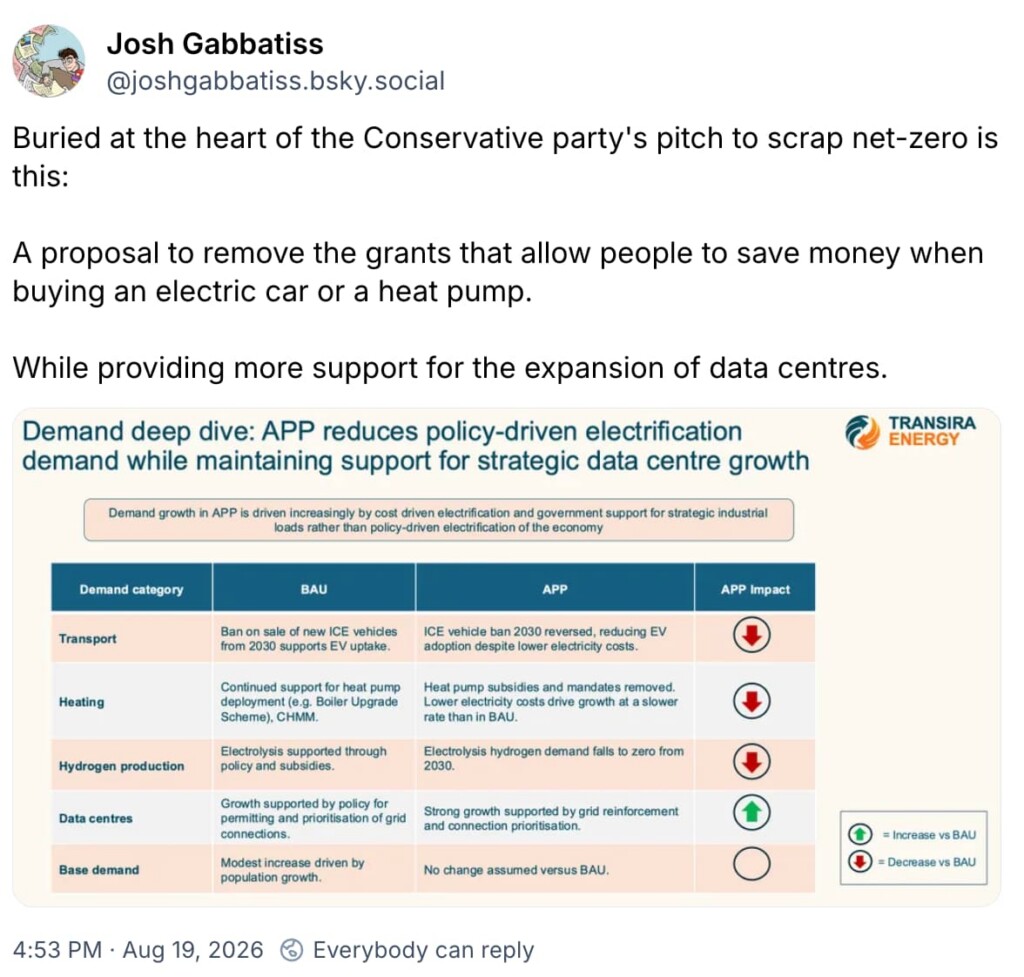
Contrary to claims made by the Conservative Party, the deployment of heat pumps and electric vehicles is projected to slow down under the alternative scenario, despite lower nominal electricity costs. This deceleration occurs because the pathway removes vital government support mechanisms, such as the boiler upgrade scheme and the 2030 ban on new petrol and diesel car sales. Overall electricity consumption is modeled to be 7% lower under the alternative framework compared to the current trajectory.
Industry analysts have questioned the logic of relying on suppressed electricity demand to achieve savings. Daniela Quiroga, a senior associate at Copenhagen Infrastructure Partners, notes that the scenario overlooks crucial feedback effects, pointing out that as electricity prices and the capital costs of green technologies fall, consumer uptake would naturally be expected to rise. Similarly, Tara Singh, chief executive of RenewableUK, has observed that the alternative pathway achieves a cheaper electricity system partly by electrifying Britain less, while conveniently leaving the replacement fossil fuel costs outside the scope of the model. Singh estimates that the additional expenditure on petrol and diesel required to replace missing electric vehicles over two decades could reach between £65bn and £95bn, costs that are entirely omitted from the Onward calculations.
The only sector experiencing increased power demand under the alternative plan is the data centre industry, driven by explicit policy support designed to prioritize new grid connections for artificial intelligence and computing facilities. Quiroga points out that the substantial infrastructure costs associated with accelerating these data centre connections are entirely unmentioned in the report. Ultimately, the proposed framework involves stripping away grants that help ordinary households transition to cleaner technologies while simultaneously directing greater policy backing toward industrial tech expansion.
Gas Prices Are Unlikely to Remain Low and Stable
The alternative policy pathway continues to rely heavily on fossil gas for both electricity generation and space heating. This includes the construction of numerous new gas-fired power plants intended to reduce short-term electricity prices, despite the fact that gas remains the primary driver of high electricity costs in the UK. In recent years, the most severe energy price shocks have been triggered by geopolitical conflicts in Ukraine and the Middle East, which severely disrupted fossil fuel supply chains and caused gas prices to skyrocket.
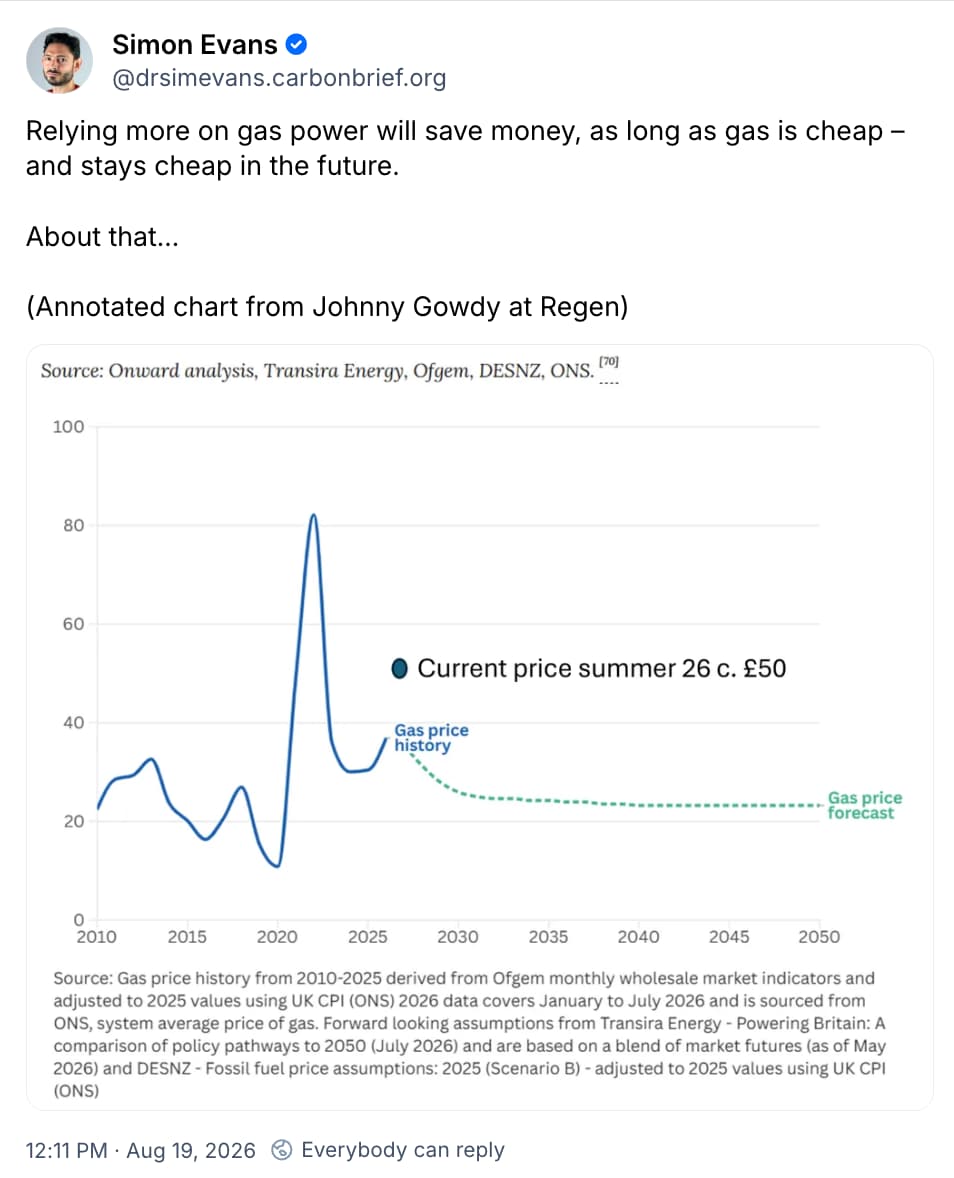
The Onward report was published on the same day national statistics revealed that inflation had climbed to a four-month high due to surging energy costs stemming from the impact of regional conflicts on global oil and gas markets. Despite this volatility, the report’s underlying scenario assumes that international gas prices will drop back to pre-conflict levels and remain stable for the next twenty years. Ashutosh Padelkar, research lead at Aurora Energy Research, describes these gas price assumptions as difficult to fathom and entirely misaligned with future projections from independent market analysts.
While the report acknowledges that its proposed scenario is more vulnerable to future gas price shocks than the net-zero pathway, it argues that the consumer impact would be mitigated by existing renewable contracts and future nuclear assets. However, political rhetoric focusing on expanding North Sea drilling ignores the geological reality that remaining reserves are relatively small, ensuring the UK will remain dependent on imported gas from the United States and the Middle East. Because global gas prices will continue to be set by international markets and geopolitical events, energy experts argue that the Conservative plan is effectively a call to remain dependent on imported fossil fuels at global market rates.
The Plan Assumes Gas Plants Are Cheap to Build
To meet growing electricity demand without expanding renewables, the Conservative plan involves building substantial new gas generation capacity. Onward asserts that the UK has lost firm generation capacity and replaced it with intermittent wind and solar assets. To address this perceived vulnerability, the alternative pathway proposes constructing an additional 21 gigawatts of gas power plants by 2050, representing roughly a 70% increase over current capacity.
However, the fine print in the Transira Energy modeling reveals an assumption that capital expenditure for these gas plants will be £650 per kilowatt. This figure is considerably lower than estimates cited in other recent industry analyses, which frequently place capital costs at more than double that amount. A 2025 study by GridLab noted that new US gas turbines scheduled for completion had cost ranges significantly higher, with modern projects routinely reporting expenses exceeding £1,400 per kilowatt due to a tight global supply of gas turbines. This supply bottleneck is driven by surging international demand for fossil generation to power data centres and assist countries transitioning away from coal.
Nuclear Faces High Costs and Delivery Challenges
The Onward report also champions a substantial expansion of nuclear power capacity, proposing that output more than triples from current levels to reach 20 gigawatts by mid-century, all backed by the government-supported regulated asset base funding model. The report acknowledges that this approach faces severe cost headwinds from expensive nuclear infrastructure, yet it projects that large-scale stations built in the 2040s will achieve levelised costs between £122 and £138 per megawatt-hour.
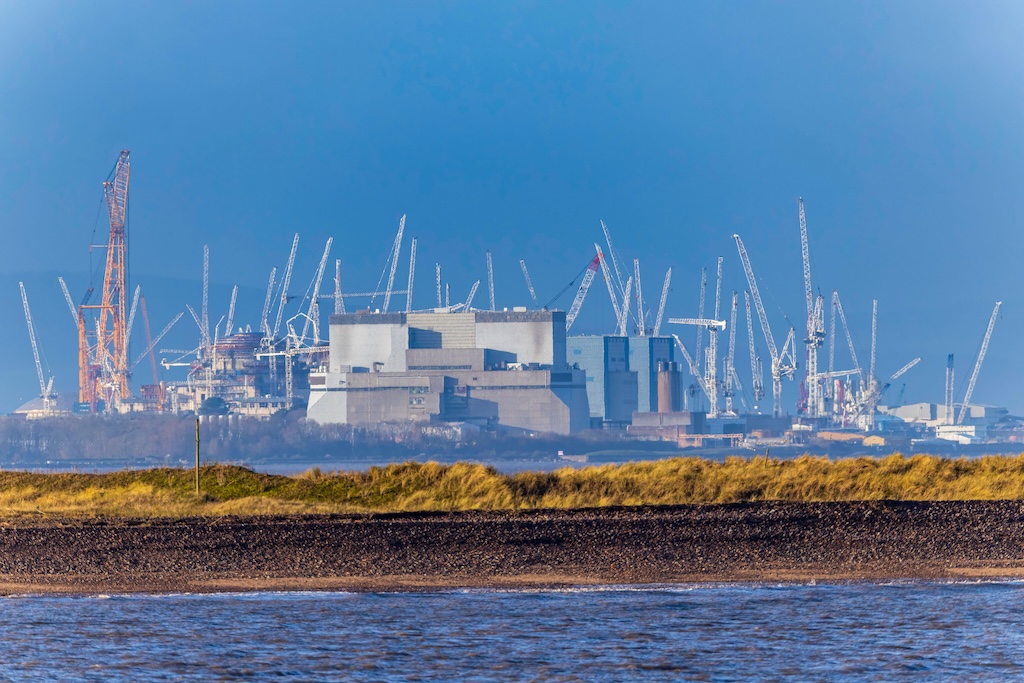
Energy analysts have criticized these nuclear cost assumptions as overly optimistic. Richard Howard of Aurora Energy Research notes that the projections assume nuclear costs will fall significantly below the original strike price of Hinkley Point C, even though historical data shows nuclear construction costs have escalated dramatically in the UK. Hinkley Point C, the first new nuclear plant begun in decades, has been beset by chronic delays and substantial cost increases, with recent developer estimates approaching massive figures per kilowatt. While the Onward report suggests these costs can be reduced by fully implementing recommendations from regulatory reviews to streamline bureaucracy, critics argue that the projected savings lack a realistic foundation.
Network and System Integration Costs
One of the largest components of the financial savings claimed by the Onward report stems from a drastic reduction in electricity network costs. The report suggests that by locating firm generation closer to demand centres in the south, the UK can avoid £137bn in transmission investments required to connect geographically dispersed wind farms in Scotland. However, energy experts have pointed out logical inconsistencies in this calculation.
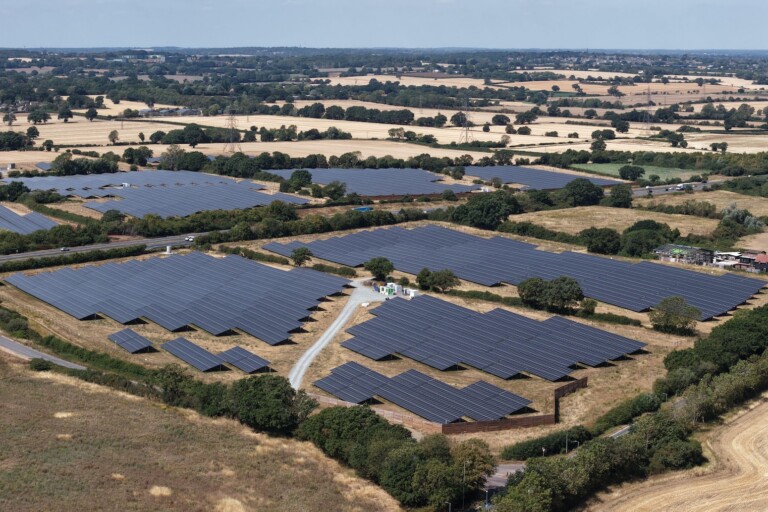
Critics argue that assuming an 86% drop in new transmission investment while simultaneously projecting millions of electric vehicles, additional heat pumps, and massive data centre demand is unrealistic. Furthermore, the report appears to double-count savings by predicting reductions in both network expansion costs and system balancing costs. Industry specialists emphasize that retaining the current transmission network without expansion would actually cause constraint costs to soar, meaning that attempting to claim savings from both avoiding network upgrades and reducing balancing inefficiencies represents flawed economic modeling.
Additionally, the report asserts that the marginal system integration costs of adding more wind and solar to the grid are £125 per megawatt-hour, a figure far higher than standard industry estimates published in academic literature. Researchers from the UK Energy Research Centre explain that this inflated figure is derived by apportioning all post-2030 network and balancing upgrades solely to new renewables while ignoring the broader systemic benefits of zero-fuel-cost generation, such as wholesale price suppression and protection against fossil fuel price shocks.
Impact on Investor Confidence and Carbon Markets
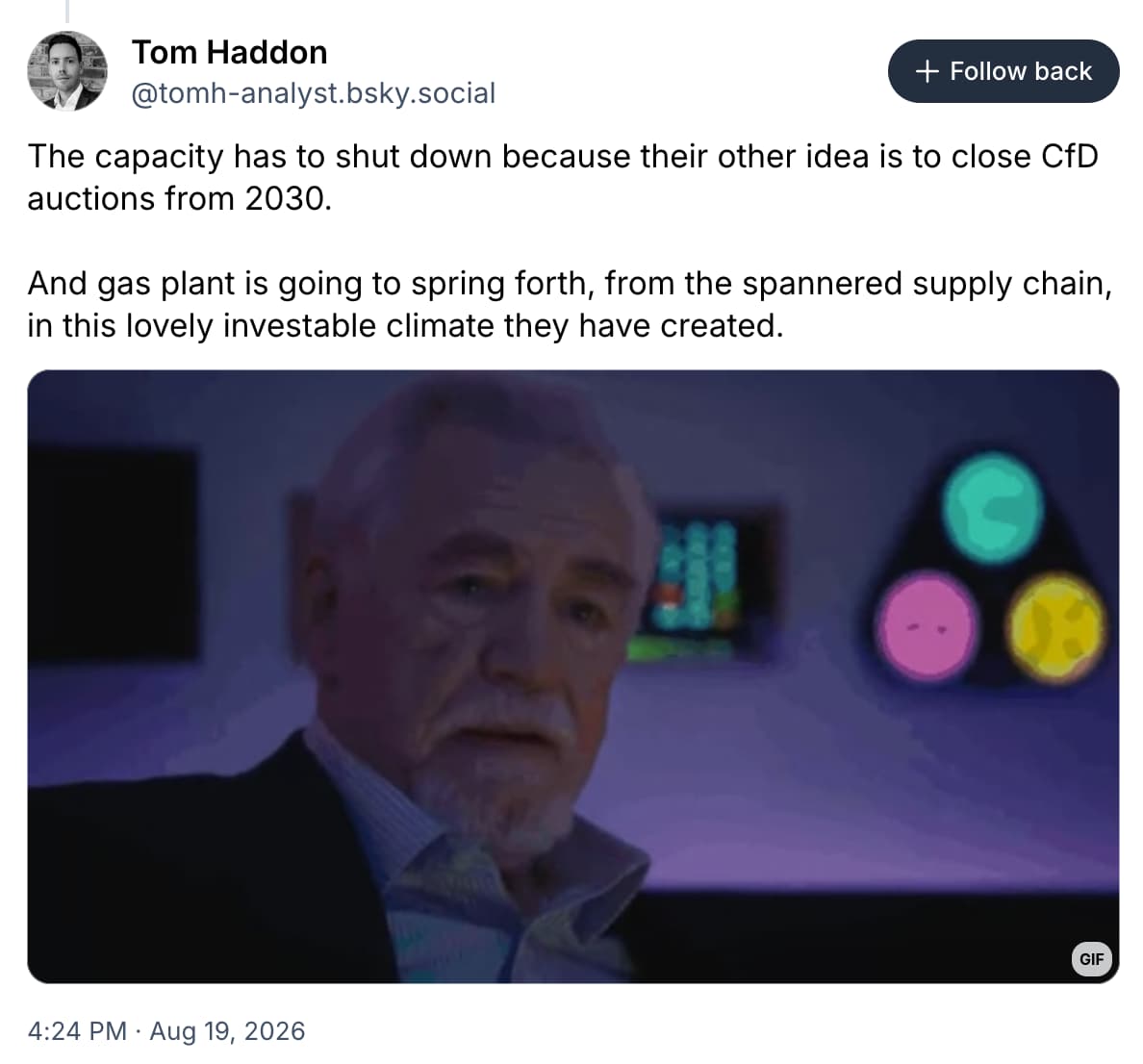
The alternative policy pathway also calls for the premature termination of key renewable support schemes, including ending Contracts for Difference auctions after 2030 and phasing out legacy Renewable Obligation payments by 2033. Energy analysts warn that abruptly dismantling these long-standing contracts would severely undermine investor confidence across the entire energy sector. Investors who witness government contracts being reneged upon prematurely are unlikely to commit capital to new, complex nuclear projects under government-backed frameworks.
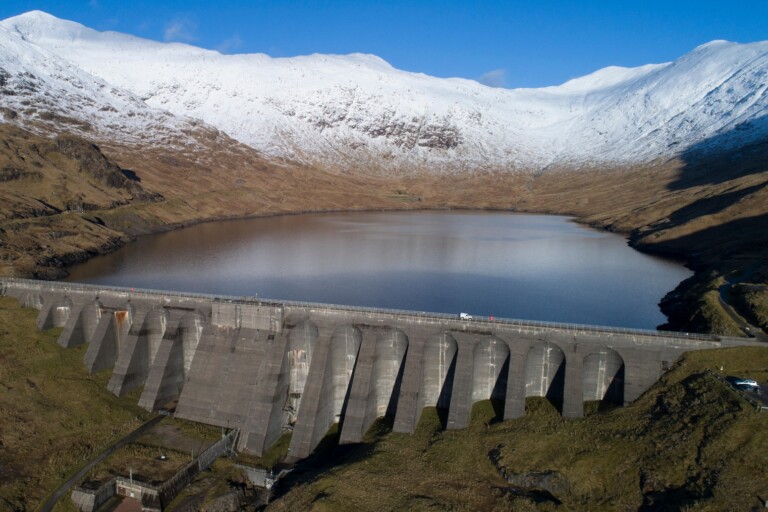
Finally, a significant portion of the projected savings relies on removing power plants from the UK Emissions Trading Scheme from 2031 onward. Experts note that eliminating carbon taxes does not save the country money in real terms; rather, it simply shifts the financial burden onto government revenue, potentially requiring higher taxation elsewhere, increased national debt, or cuts to public services. Furthermore, abandoning the domestic carbon price on electricity would directly conflict with international agreements negotiated with the European Union, complicating cross-border trade arrangements and threatening the stability of the UK’s energy interconnectors.