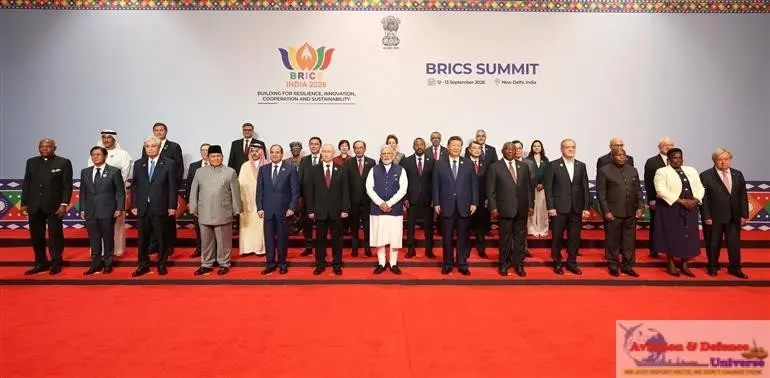
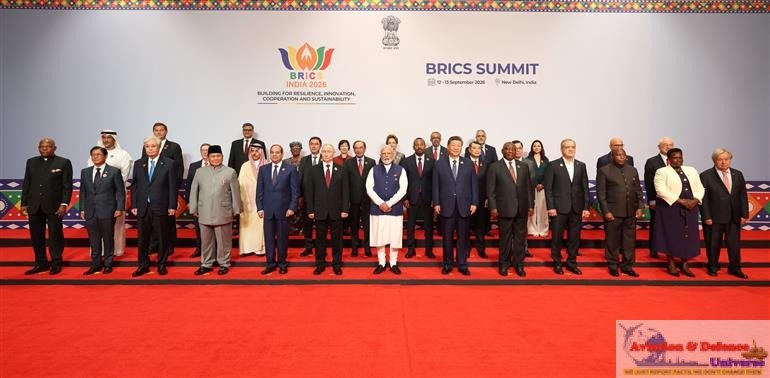
The states of the Global South may frequently find themselves at odds over regional policies, trade priorities, and diplomatic alliances, yet they continue to demonstrate a fundamental capacity to respect each other’s distinct national interests. This complex dynamic was prominently on display at the 18th BRICS Summit, hosted in New Delhi. The joint declaration emerging from the capital sent a clear, broader message to the international community: profound bilateral frictions and deep-seated differences can be successfully compartmentalized when larger, common socioeconomic and geopolitical issues demand collective prioritization.
Bringing together historic and active rivals amidst a turbulent and increasingly fractured global order, the New Delhi summit underscored that BRICS is not functioning as a rigid anti-Western coalition. Instead, it operates as a flexible, pragmatic platform designed for strategic autonomy, necessary institutional reform, and enhanced collective bargaining on the world stage. As developing economies navigate a shifting international landscape marked by economic uncertainty and institutional fatigue, the ability of BRICS nations to forge consensus in the Indian capital stands as a testament to the evolving architecture of multilateral diplomacy.
The Paradox at the Heart of BRICS
BRICS is by no means an ordinary or homogenous geopolitical bloc. Its member states encompass vastly differing political systems, divergent economic priorities, distinct linguistic traditions, and unique cultural histories. Within its expanding membership lie significant and enduring rivalries. For instance, India and China maintain persistent tensions and opposing stances along their contested border regions. Meanwhile, countries like Brazil and South Africa have consistently expressed reluctance to transform BRICS into an overtly anti-Western alliance, preferring a balanced approach to global engagement.
At the same time, Russia and China often view BRICS through the strategic lens of transitioning away from Western predominance in global financial and political systems. Added to these dynamics are nuanced regional differences over the complex situation in West Asia, particularly involving diplomatic stances concerning Iran and the United Arab Emirates. Given this intricate web of competing interests and internal contradictions, achieving a unified consensus during the New Delhi summit was far from a minor achievement. It required careful diplomatic navigation, a commitment to mutual accommodation, and a shared recognition that fragmented developing nations hold little leverage in contemporary global governance.
Why Does the Global South Need to Unite?
To understand the underlying imperatives driving cooperation within BRICS, it is essential to examine the historical and structural inequalities that have long defined relations between developed and developing nations. The term "Global South" was originally coined by Carl Oglesby in 1969. Oglesby utilized the phrase to describe those nations that had been politically, socially, and economically exploited by the industrialized colonial and post-colonial powers of the Global North. Decades later, remnants of that historical exploitation and an enduring paternalistic mindset remain visible across multiple contemporary international forums.
This systemic imbalance is not merely limited to bilateral or multilateral trade agreements signed between developed and developing countries. It is also visibly embedded in the very mechanisms through which the so-called "rules-based international system" is designed, interpreted, and implemented. Developing economies frequently find themselves subject to global financial architectures, debt frameworks, and climate governance models that disproportionately benefit industrialized nations while constraining the policy space and growth potential of the Global South. This structural exclusion creates an urgent, persistent need for developing nations to pool their diplomatic capital, amplify their collective voice, and demand equitable structural reforms across international institutions.
How the 18th BRICS Summit Addressed Global South Priorities
Measured against the pressing systemic challenges facing developing economies today, the New Delhi declaration proved to be strikingly on point. By addressing key vulnerabilities related to international financial stability, debt distress, sustainable development, and trade equity, the summit offered a cohesive response to long-standing grievances. The discussions and subsequent declarations reflected a concerted effort to move beyond rhetoric, offering concrete pathways for mutual support among member states.
The enabling language adopted in New Delhi successfully allowed countries carrying heavy internal baggage and geopolitical contradictions to coexist within the framework of a single, unified declaration. Yet, as leaders acknowledged throughout the proceedings, the true test and ultimate success of the summit will not be measured solely by the eloquence of its text. Rather, it will materialize when these commitments translate into tangible, real-world results for the populations of the Global South—a point heavily emphasized by the Prime Minister of India during the deliberations.
Conclusion
The 18th BRICS Summit in New Delhi stands as a remarkable milestone in contemporary international relations. The ability of member states to discover common ground amidst profound geopolitical crosscurrents highlights the enduring value of mutual respect and institutional inclusivity. Without adherence to these core principles, such a unified stance would have remained unattainable. As the bloc moves forward, the New Delhi summit will continue to serve as a significant point of reference for how diverse nations can successfully manage their differences while pursuing a shared vision of global equity and strategic autonomy.