
Nineteen years after spending a formative month living the quintessential backpacker lifestyle on the remote Thai island of Ko Lipe, a veteran traveler has returned to find a destination drastically altered by rapid, unsustainable development. The island, once hailed as an idyllic tropical paradise accessible only to the most intrepid visitors, now serves as a cautionary tale of overtourism, mirroring the heavy toll previously exacted on other famous Thai destinations like Ko Phi Phi.
In 2006, Ko Lipe was a true off-the-beaten-path sanctuary. Electricity was limited to just a few hours each day, basic bamboo-and-thatch bungalows right on the sand cost around $2 USD, and catching the literal last boat of the season meant total isolation from the outside world. There was little to do by modern resort standards, which was precisely the appeal. Visitors spent their days reading, snorkeling, socializing at the island’s single beach bar, rotating meals among a handful of local restaurants, and turning in early. Days routinely stretched into weeks as travelers found themselves effortlessly marooned in what felt like a pristine, untouched hideaway.
For many who journeyed there during that era, the experience defined the pinnacle of independent travel. Long-lasting friendships were forged, meaningful connections with local residents were established, and travelers immersed themselves in a slower, simpler pace of life. For years, however, the temptation to revisit Ko Lipe was deliberately resisted. Strong, nostalgic memories created a fear of facing the inevitable passage of time—the worry that trying to recapture a vanished magic would mean chasing ghosts, and that witnessing the inevitable commercial development of a sleepy paradise would bring profound disappointment.
Throughout Thailand, the trajectory of island tourism has frequently leaned toward the unsustainable. Driven by a relentless cycle of construction, natural habitats and quiet ecosystems are routinely overtaken by concrete infrastructure.
When a recent journey through Southeast Asia aligned with a route down the Indian Ocean coast of Thailand toward Malaysia, circumstances finally brought a return to Ko Lipe. Seeking a lively destination for New Year’s Eve that offered convenient ferry connections to the next stop in Langkawi, the decision was made to face the changes head-on.
The reality upon arrival proved stark. Ko Lipe has firmly adopted the tourism model pioneered by Ko Phi Phi, resulting in an environment that is heavily and unsustainably overdeveloped.
The physical landscape of the island has been transformed. Most of the terrain is now paved over, with historic dirt footpaths converted into concrete roads designed to accommodate cars and heavy construction trucks. Dense swaths of native palm trees have been cleared to make way for high-end luxury resorts complete with swimming pools—a troubling addition on an island that lacks a natural freshwater supply. Meanwhile, construction projects continue at a relentless pace across the territory.
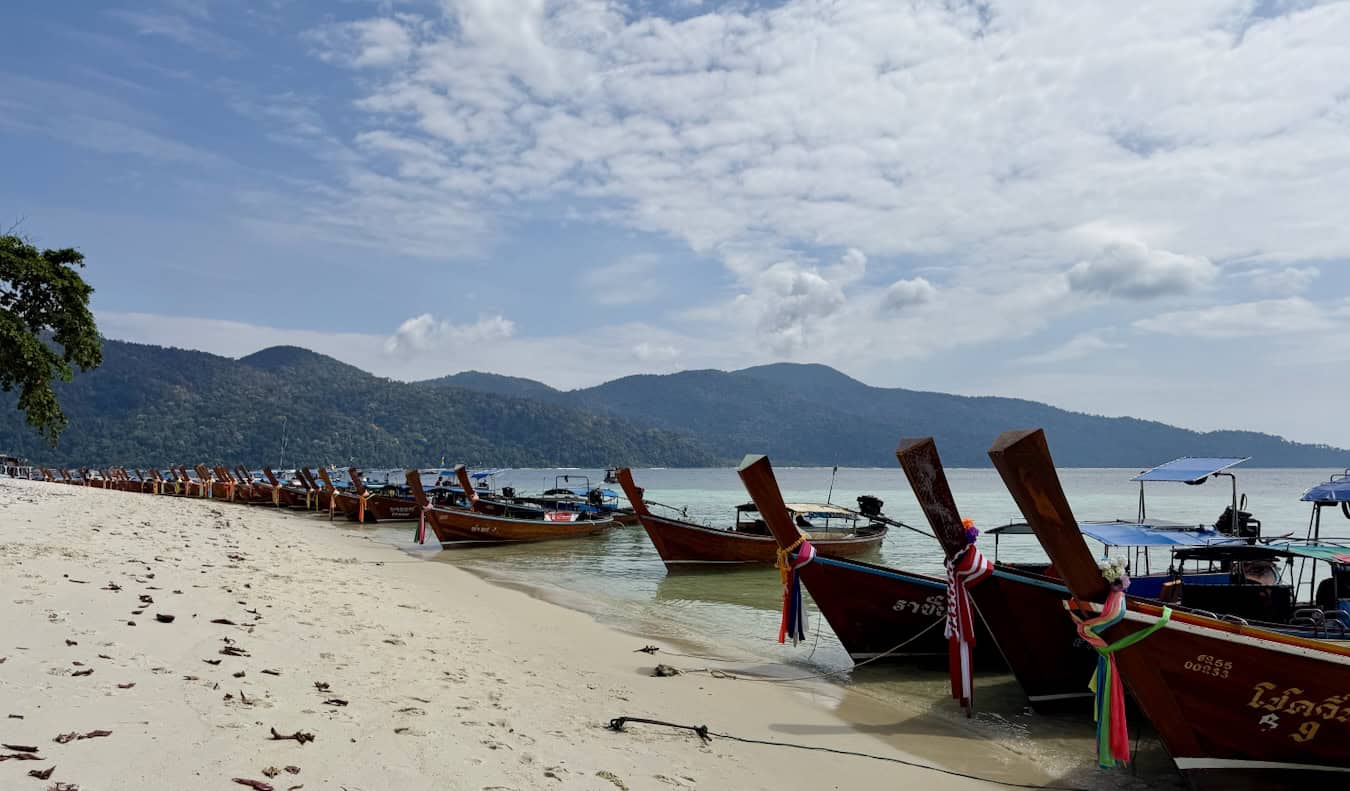
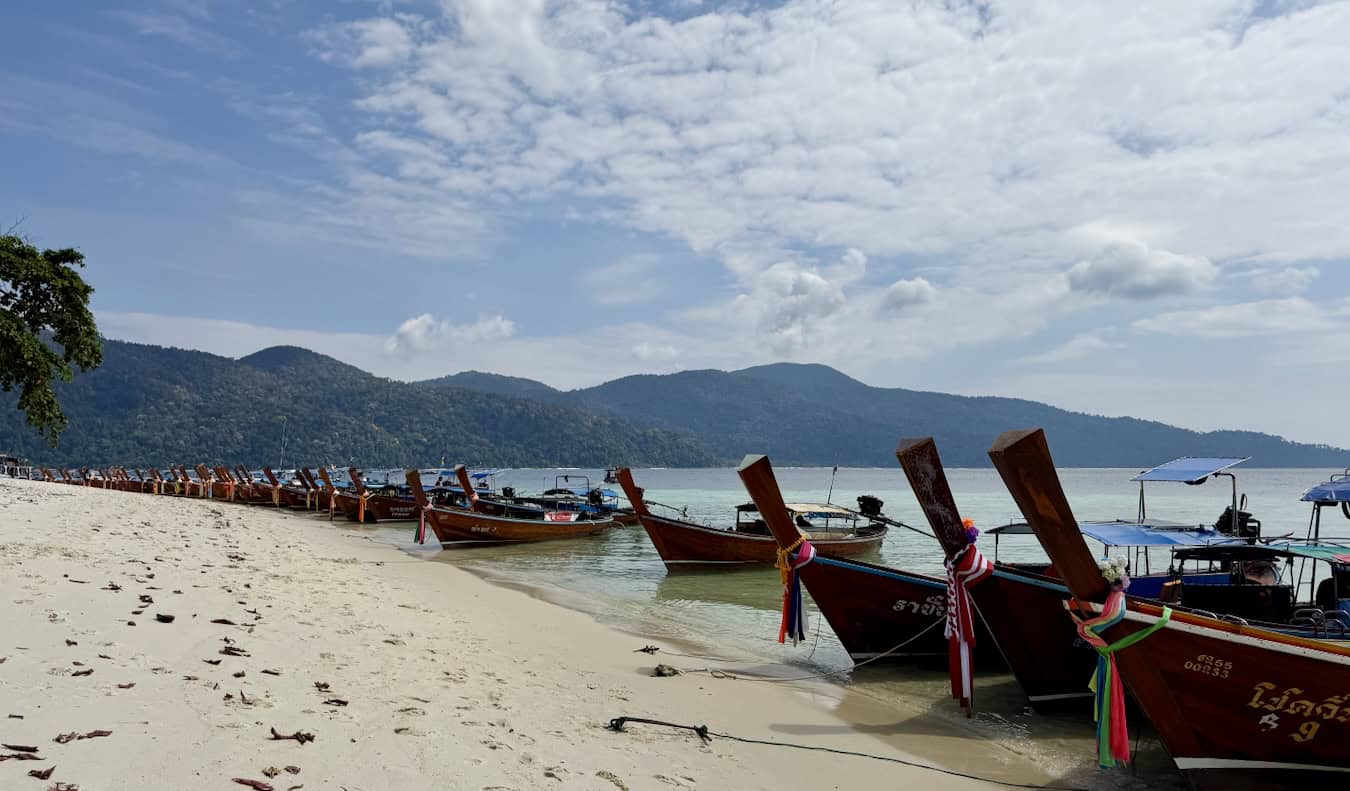
The marine ecosystem has borne a severe brunt of this rapid expansion. The surrounding coral reefs are steadily dying, victims of relentless boat traffic, dropped anchors, pollution, and overfishing. Beaches are crowded with longtail boats, their engines spilling exhaust into the coastal waters and leaving a noticeable shimmering film visible to anyone entering the sea for a swim. Additionally, the island’s culinary landscape has shifted away from authentic regional cuisine to cater to tourists seeking Western food options.
Socioeconomic impacts have accompanied the environmental degradation. The tourism boom has displaced numerous local residents, many of whom were compelled to sell their land to mainland developers. Consequently, a significant portion of the island’s workforce now commutes from the mainland, reaping few tangible benefits from the lucrative tourism economy. Ko Lipe now stands as yet another casualty of Thailand’s widespread overdevelopment and the aggressive exploitation of limited natural resources.
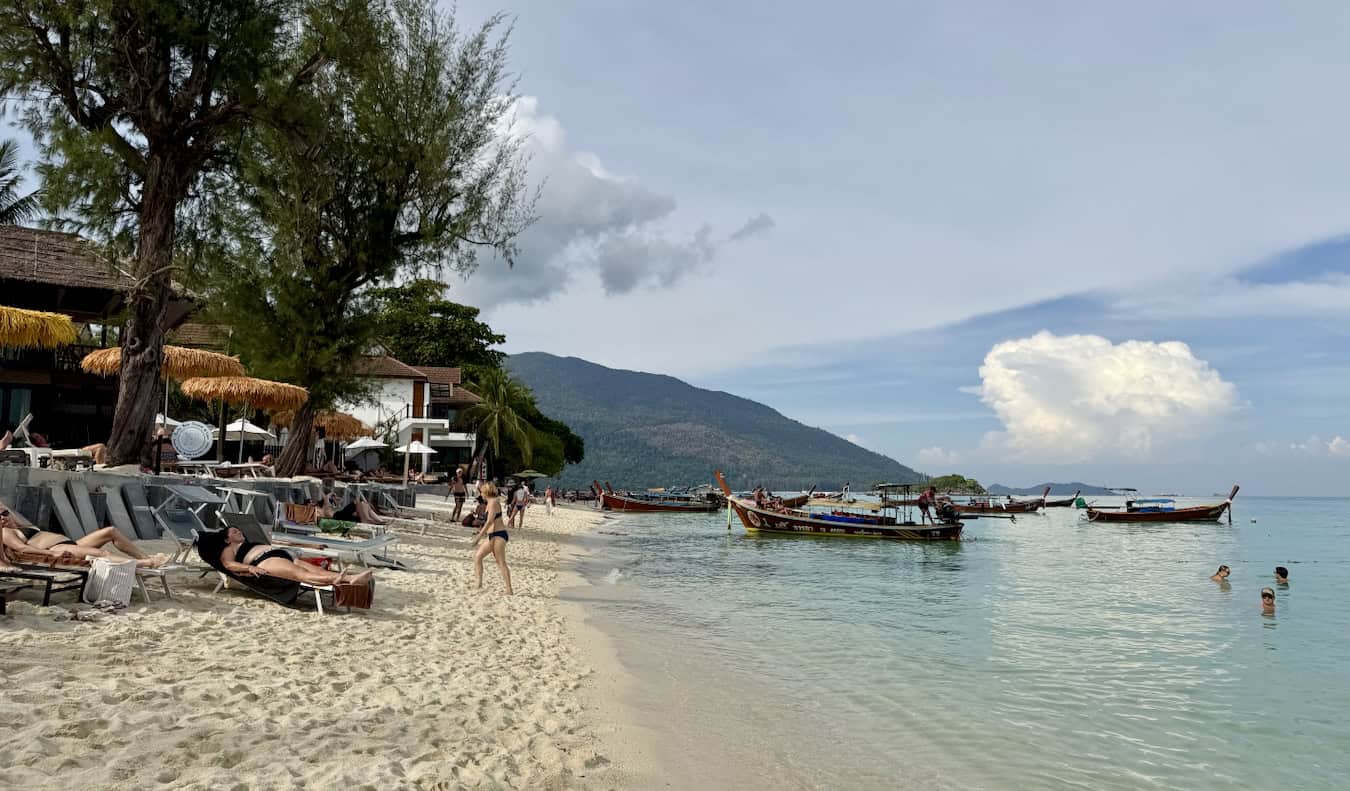
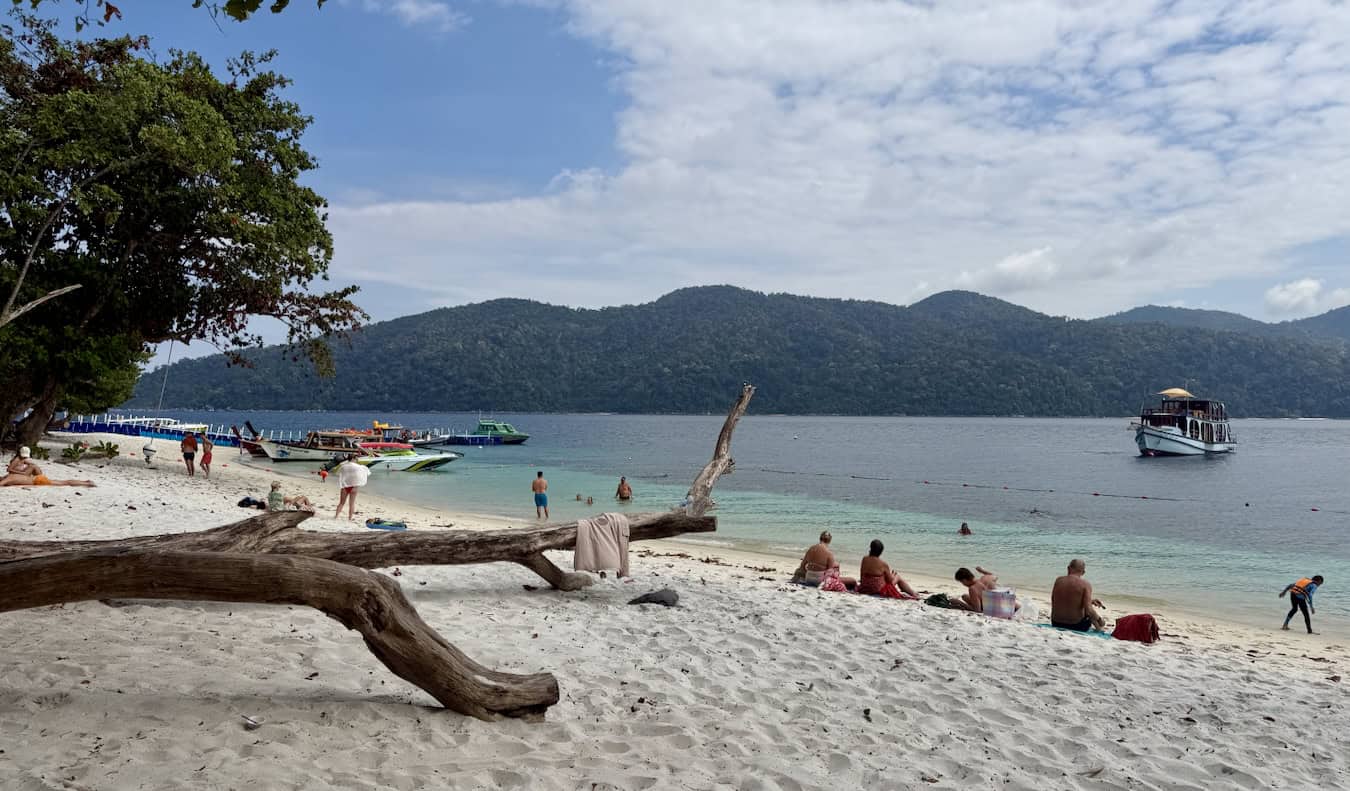
Despite these grim transformations, the island retains surface-level appeal. First-time visitors frequently express awe at the destination, and it is easy to understand why. The surrounding region remains postcard-perfect, characterized by brilliant azure waters, powdery white sand, and proximity to a protected national park that offers boat excursions to secluded neighboring islands. When measured against heavily touristed hubs like Ko Phi Phi, Krabi, or Phuket, Ko Lipe can still feel relatively restrained to an uninitiated traveler taking their first steps onto the sand.
Yet prolonged reflection on the island’s trajectory yields a sobering conclusion: the destination has crossed a threshold where responsible travelers should reconsider visiting altogether.
While economic growth and development are not inherently negative, the unmanaged, extractive model currently dominating Ko Lipe places an unbearable burden on fragile local resources. The momentum of mass development cannot easily be reversed, and local residents cannot be expected to forgo economic advancement simply to preserve an outsider’s romanticized ideal of the world. However, the path currently being pursued is fundamentally unsustainable.
For travelers seeking alternatives, Thailand offers numerous islands that are managed with greater care and ecological mindfulness, such as Ko Lanta, Ko Jum, and Ko Mook. Choosing to bypass Ko Lipe in favor of better-managed destinations is framed as an ethical imperative for conscious travelers.
The realization carries personal weight given the profound impact of the original visit decades ago. Yet when tourism pressures reach a critical tipping point, responsible stewardship requires acknowledging when a destination has been pushed past its limits.
Consumer awareness has historically driven meaningful shifts within the travel industry, from the decline of elephant-riding excursions to the explosive growth of eco-lodges, while overtourism remains a central topic of discussion among both locals and international visitors. While individual choices may not instantly reverse decades of concrete development on Ko Lipe, opting out ensures that travelers stop contributing to the ongoing strain on the island’s fragile ecosystem.