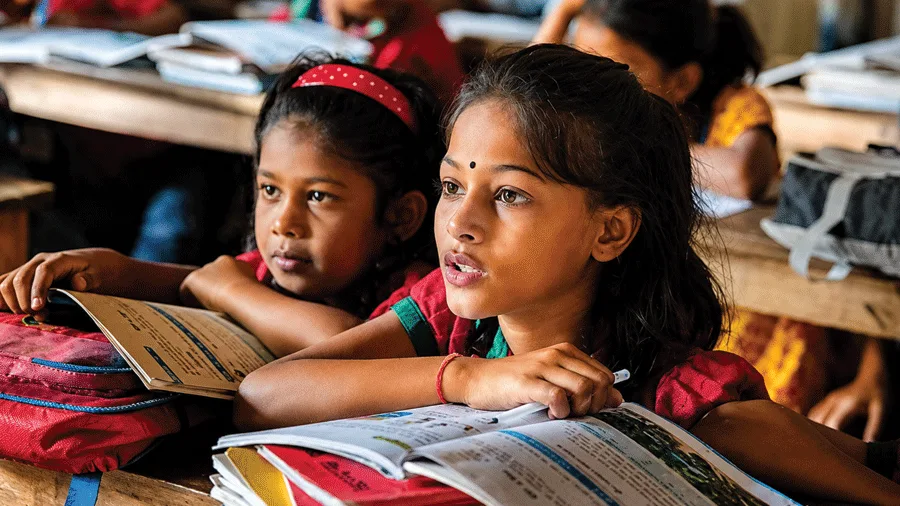
The global pursuit of educational equity stands at a critical juncture as international bodies, governments, and educators grapple with systemic barriers that continue to lock millions of children out of classrooms. At the heart of this worldwide movement are the twin pillars of "Education for All" (EFA) and the "Leave No One Behind" (LNOB) initiative, alongside the specific inclusion principle of ensuring that no child is left behind. Driven primarily by the United Nations Educational, Scientific, and Cultural Organization (UNESCO) and the United Nations Sustainable Development Goals (UNSDG)—specifically SDG 4—these ambitious frameworks aim to eradicate deep-seated global disparities. The overarching objective is to guarantee that every child and adult, regardless of gender, geographic location, ethnicity, physical ability, or socioeconomic background, receives an inclusive, high-quality education.
The historical roots of this modern educational crusade trace back through several landmark international agreements. These foundational moments began with the World Declaration on Education for All in 1990, launched in Jomtien, Thailand, followed by the Dakar Framework for Action in 2000, and culminated in the adoption of SDG 4 in 2015. While these frameworks establish a universally shared vision, achieving their goals heavily depends on addressing complex, unique, and often entrenched regional and country-specific challenges.
According to guidelines from UNESCO’s Bangkok office and regional bureaus, "Education for All" entails ensuring equitable, accessible, and high-quality learning for every individual. The global agenda concentrates on three core areas: universal accessibility, equity and inclusion, and the delivery of quality learning. Conceptually, this requires an inclusive transformation of all physical and operational aspects of schooling. This transformation spans the entire educational ecosystem, including curriculum design, learning outcomes, continuous assessment frameworks, teacher training, and modern pedagogy.
When successfully implemented, these measures create a dynamic education system capable of responding directly to the diverse needs of all children within a common, safe, and conducive learning environment. Everyone possesses the fundamental right to receive an equitable and high-quality education, free from discrimination based on background, ability, or gender. Similarly, the mandate to leave no child and no one behind presupposes an educational landscape that guarantees access and opportunities for children, adolescents, youth, and adults alike. This is achieved by systematically reducing and eliminating disparities and discriminations that stem from an individual’s social or economic standing. Inclusivity and equity form the bedrock of quality education, directly fostering positive learning outcomes for all students, particularly those most severely affected by the global learning crisis. This includes disadvantaged and marginalized communities, vulnerable groups, and children who have either never set foot in a school or have dropped out prematurely.
Despite decades of global advocacy and policy commitments, stark regional realities highlight the immense distance still remaining between policy goals and ground-level execution. In some parts of the world, communities ravaged by violent conflict, war, and terrorism—notably regions within Nigeria and Afghanistan—present terrifying environments where girls and women bear the brunt of the instability. In these volatile areas, students and teachers face grave dangers, leading to mass abductions, targeted acts of sexual violence, and the outright closure of schools, effectively halting generations of learning.
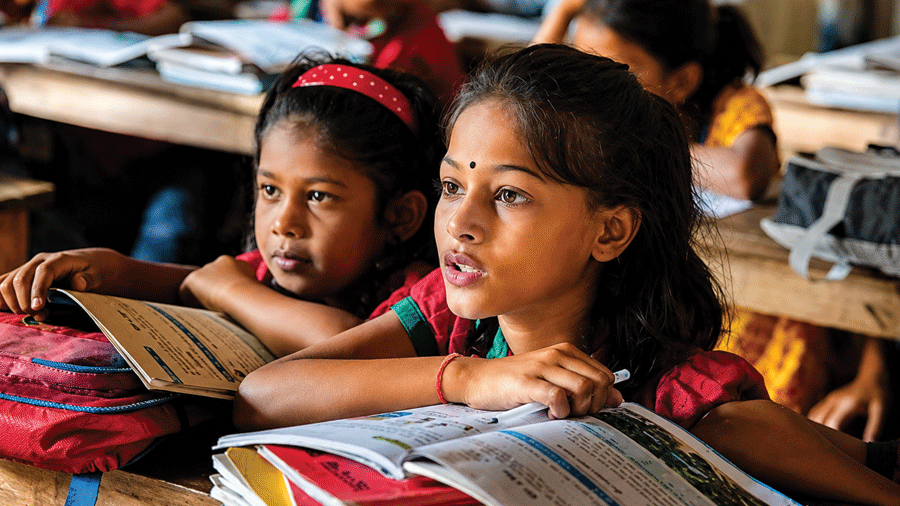
Meanwhile, in other regions, ancient social stratifications continue to exert a powerful, restrictive influence on modern development. In India, for instance, elements of the traditional caste system still restrict educational access and positive academic outcomes for girls and women, even well into the 21st century. In deeply worrisome cases, lower-caste girls face disproportionately high rates of early marriage and overwhelming domestic responsibilities that preclude formal schooling. Moreover, persistent fears of caste-based violence, harassment along the long routes to school, or the perceived threat of a ruined family reputation frequently compel families to pull their young daughters out of the educational system altogether. This ongoing reality persists despite India’s remarkable technological advancement and growing global influence, raising pressing questions about why such cultural and social practices have not yet been fully dismantled.
To combat these broad systemic failures and bridge the gap in foundational schooling, the governments of various nations have adopted comprehensive policy models such as Universal Basic Education (UBE). UBE is designed to ensure free, compulsory, and continuous access to foundational schooling for all children. However, while heavily emphasized on the global stage, the practical implementation of UBE varies significantly from country to country.
Nations such as Nigeria, Finland, and Kenya have formally adopted the UBE model as a strategic tool to eradicate generational poverty and dramatically boost national literacy rates. In a similar vein of expanding access, several other African nations—including Kenya, Malawi, and Uganda—have taken the bold step of abolishing primary school tuition fees entirely. By removing direct financial barriers, these governments have successfully encouraged massive surges in primary school enrollment.
Yet, this rapid expansion has exposed severe structural vulnerabilities. Across many developing regions, critical shortages in basic infrastructure, overcrowded classrooms, and acute deficits in qualified teaching staff continue to challenge the overall quality of universal delivery. It is increasingly obvious that significantly more work must be done by national governments, particularly in the developing world, to provide the necessary physical infrastructure and adequate teaching staff required to meet the high standards of quality education envisioned by UNESCO. Furthermore, wealthy and elite citizens carry a crucial social responsibility to step forward, establishing philanthropic and community-focused schools not merely for private, for-profit motives, but to guarantee free, quality education within the communities where they operate.
As the international community reflects on the trajectory of these initiatives, the core message remains unchanged. Education for all, ensuring that no child and no one is left behind, is a universal global initiative rooted in the recognition that education is an undeniable fundamental human right. Without unwavering commitments to equity, quality, and genuine inclusion, hundreds of millions of people will remain trapped in unending cycles of poverty and illiteracy. To mitigate this looming crisis, the United Nations Sustainable Development Goals explicitly prioritize inclusive, equitable, and quality education as Goal 4. Whether these ambitious targets can be fully achieved within the remaining timeline of the decade remains a matter of serious international concern, but the overarching reality dictates that every nation will need to continue pursuing these vital educational goals far beyond 2030.