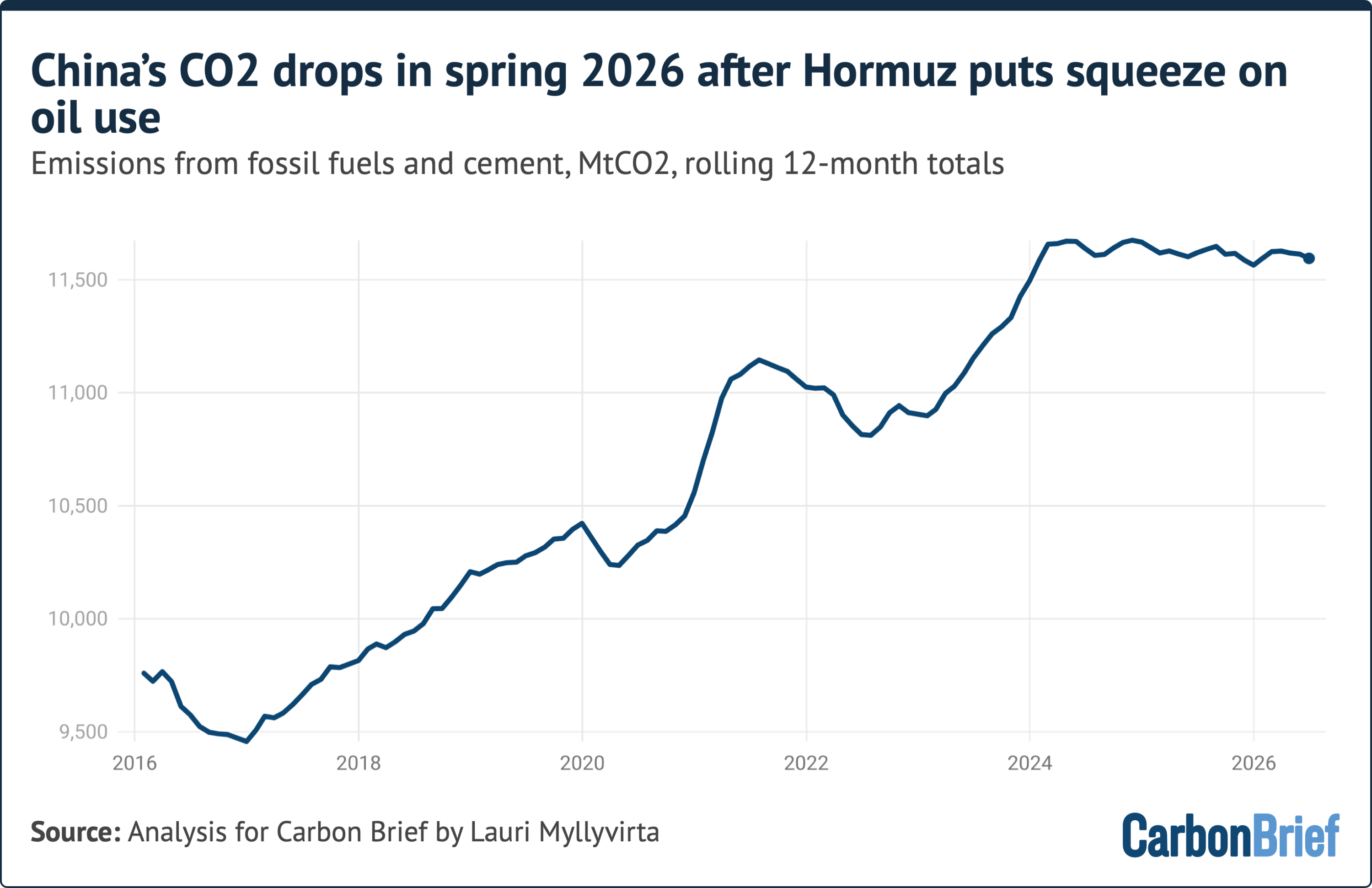
China’s carbon dioxide (CO2) emissions fell by 1% in the second quarter of 2026, driven primarily by a sharp drop in oil consumption amid the ongoing geopolitical disruptions stemming from the Strait of Hormuz crisis. The contraction marks a notable shift in the country’s modern emissions profile, representing the first time that reductions in oil consumption have directly triggered a nationwide drop in overall carbon output. In previous economic and industrial cycles, any downward movement in Chinese emissions had almost exclusively been tied to fluctuations or declines in coal consumption.
According to an analysis by Lauri Myllyvirta, lead analyst at the Centre for Research on Energy and Clean Air (CREA), the country’s overall oil usage plummeted by 9% during the quarter. The transportation sector bore the brunt of this shock, experiencing a staggering 16% collapse in oil use following severe supply chain disruptions originating from the Persian Gulf and passing through the strategic strait.
This drop in liquid fuels occurred despite a simultaneous rebound in coal-fired power generation. Following a 2% year-on-year increase in emissions during the first quarter of 2026 driven by wasted renewable energy, the second-quarter decline has left emissions marginally higher across the first half of the year as a whole. Nevertheless, total emissions remain below their historic peak levels recorded in 2023 and 2024, maintaining a broad multi-year plateau that has now stretched for more than two years.
Emissions Still Flat Following 2024 Peak
The latest figures highlight a persistent structural trend in China’s economic metabolism: a prolonged plateau in fossil fuel and cement emissions following a definitive peak in March 2024. While early 2026 saw a brief uptick caused by grid integration inefficiencies that wasted significant amounts of wind and solar generation, the second quarter’s 1% contraction proves that the underlying drivers of decarbonization remain potent.
This plateau has challenged long-held assumptions regarding inevitable, linear emissions growth in the world’s second-largest economy. However, analysts emphasize that China’s emissions trajectory remains locked in a high-stakes race between slowing energy demand growth and accelerating clean-energy deployment. Because structural pressures on oil demand, a prolonged real-estate construction slump, and moderating growth in coal-chemicals are all acting in concert, emissions could still record a net decline over the course of the full year.
Oil Use Plummets While Coal Generation Grows
A granular examination of the second quarter reveals stark divergences across different fuels and economic sectors. The most significant downward pressure on emissions stemmed from reduced consumption of petrol, diesel, and jet fuel, alongside falling industrial oil demand.
Crude oil processing volumes dropped by 11% during the quarter. Refiners and industrial operators partially absorbed the shock by drawing down existing product inventories, with major state refiner Sinopec reporting a 9% decline in sales. Overall, China slashed its crude oil imports by an enormous 32% during the three-month period. Energy mix statistics reported by the National Bureau of Statistics indicate that actual oil consumption fell by about 3% in the first half of the year and roughly 9% in the second quarter. This confirms that reduced domestic consumption played a substantial role in easing import pressures, while drawing down the country’s vast strategic and commercial oil stockpiles covered the remainder of the gap.
In contrast, the power sector moved in the opposite direction. Emissions from electricity generation rose due to a 2.4% increase in coal use, while gas-fired generation slipped by 1.2%. This growth in thermal power occurred despite rapid capacity additions in wind and solar over the preceding year, a significant 9% rebound in hydropower generation, a modest increase in nuclear output, and a general slowdown in electricity demand growth.
The primary culprit behind the rise in coal-fired power was the curtailment of variable renewables. Due to power market designs and grid infrastructure that have not kept pace with the explosive growth of wind and solar installations, substantial amounts of clean electricity were wasted because they could not be transmitted or absorbed by the grid.
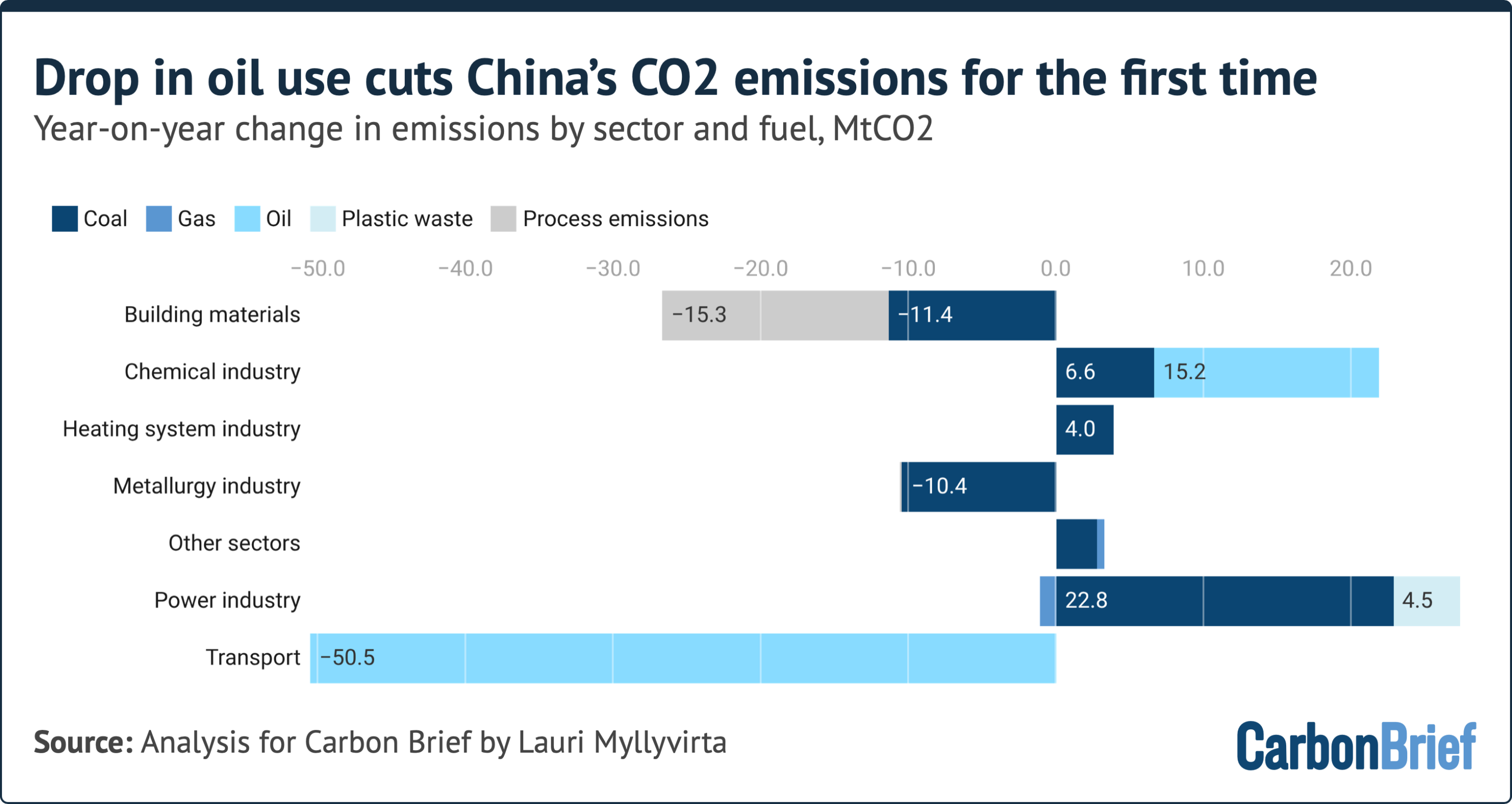
Outside the power sector, heavy industry showed continued signs of structural contraction. Cement production dropped by 9% in the second quarter, accelerating from an 8% fall in the first quarter as real-estate construction volumes continued to slide. Crude steel output fell by 1% and pig-iron production declined by 3%. Meanwhile, the growth rate of coal use for chemical production slowed considerably compared to previous quarters, constrained by high utilization rates that left little headroom for expansion despite shifting profitability margins driven by higher oil prices.
What Drove the Fall in Oil Consumption?
The dramatic collapse in China’s demand for crude oil imports during the Strait of Hormuz crisis has been widely recognized as a major stabilizing factor for global energy markets. To understand the long-term implications for domestic emissions, analysts have closely examined the structural factors that enabled such a massive reduction in liquid fuel use.
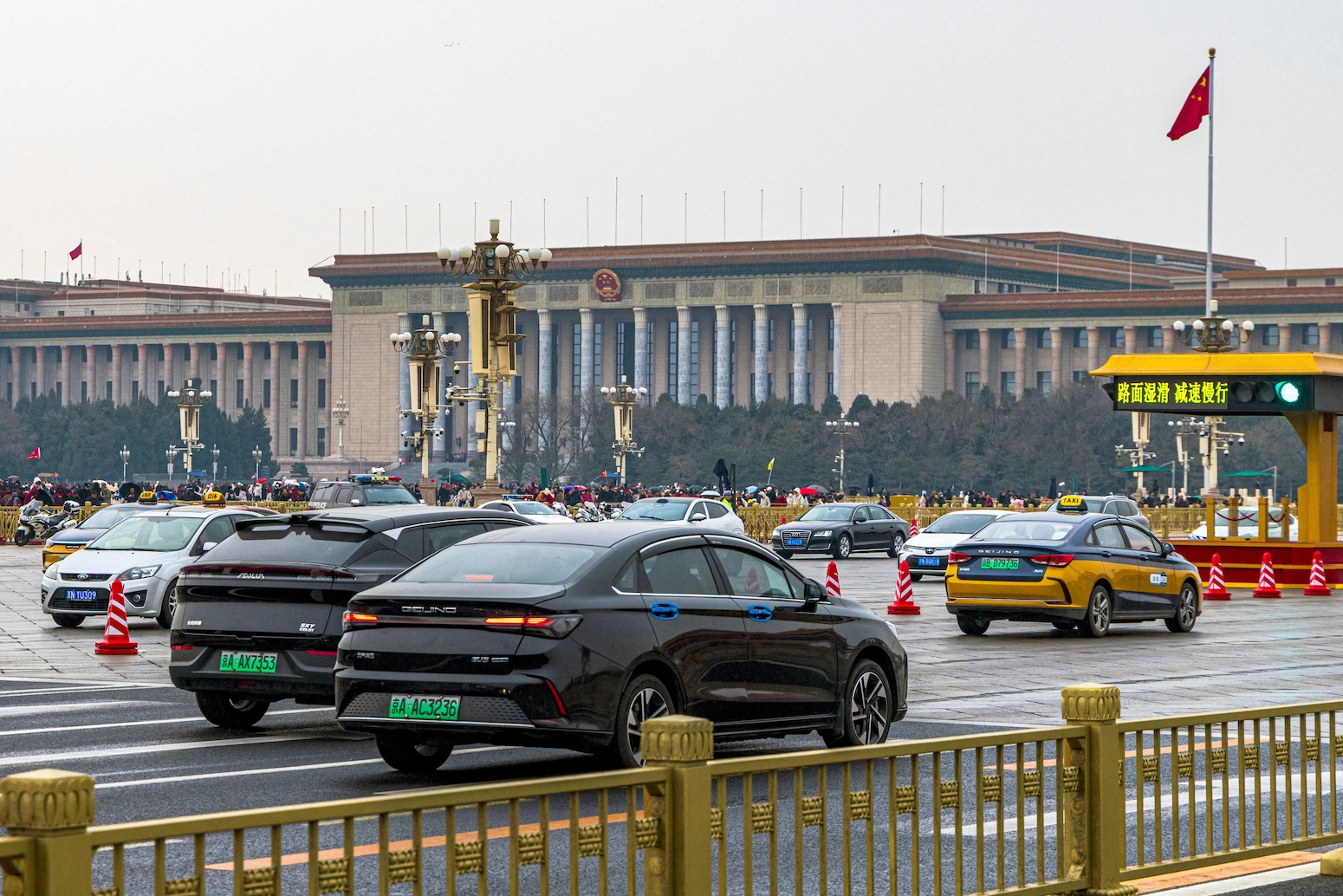
A significant portion of the decline is rooted in the rapid, structural electrification of the transportation sector. Major refiners like Sinopec had already forecast drops in diesel and petrol consumption for 2026 prior to the outbreak of conflict, driven by the massive market penetration of new-energy vehicles. Actual sales data confirmed this trend, with transport fuel sales sliding sharply during the first half of the year.
Broader transportation indicators show that mobility itself did not collapse. Cross-regional passenger trips rose 0.1% year-on-year in the second quarter, urban passenger trips increased by 2.9%, and commercial freight tonnage grew by 2.4%. The notable exception was air travel, where passenger numbers fell 7% in May and June. The stability of general passenger and freight levels proves that the drop in oil consumption was primarily the result of structural shifts toward electric vehicles, electrified rail, and public transit rather than an overall reduction in economic activity.
The shock of higher fuel prices resulting from the geopolitical crisis simply accelerated these pre-existing trends. Sales of electric heavy-duty trucks surged by roughly 77% year-on-year in the second quarter, with June sales more than doubling and electric trucks capturing over 45% of new commercial sales. The total number of electric vehicles on Chinese roads expanded by 33% year-on-year, reaching 12.1 million units, of which 8.1 million were pure battery-electric vehicles.
Furthermore, the utilization rates of existing electric vehicles climbed dramatically. Charging volumes jumped by 60% in the second quarter, indicating that commercial operators and private owners relied much more heavily on electric options over traditional internal-combustion vehicles. The expanded adoption of electric taxis—spurred by intense market competition that lowered urban transit costs while private petrol vehicles became increasingly expensive to operate—played a major role in this shift.
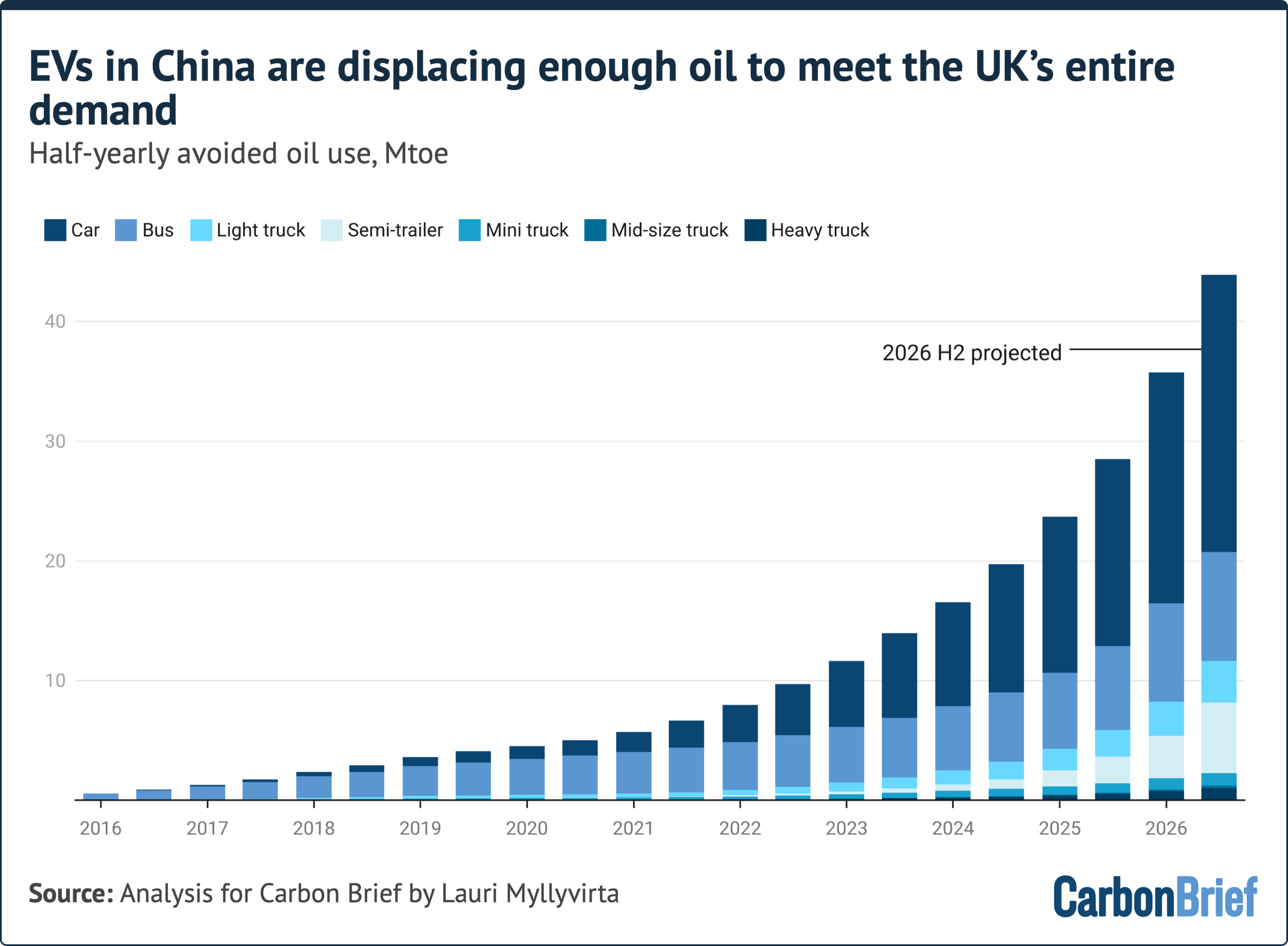
Calculations based on charging data indicate that electric vehicles helped displace an estimated 19 million tonnes of oil equivalent (Mtoe) in the second quarter alone, marking a 50% increase compared to the same period in the previous year. For the first half of 2026, total avoided oil consumption reached 36 Mtoe, an amount exceeding the total six-month oil consumption of the United Kingdom. Trucks emerged as the fastest-growing source of displacement, with avoided fuel use up 90% year-on-year. If current trends hold through the remainder of the year, avoided oil consumption will approach 80 million tonnes, equivalent to the annual consumption of Mexico.
Coal Power Continues to Rise Despite Clean Capacity Growth
Despite the impressive expansion of non-fossil generation capacity, power-sector emissions climbed during the first half of 2026. This paradox is primarily explained by the escalating curtailment of wind and solar output, compounded by unfavorable wind conditions.
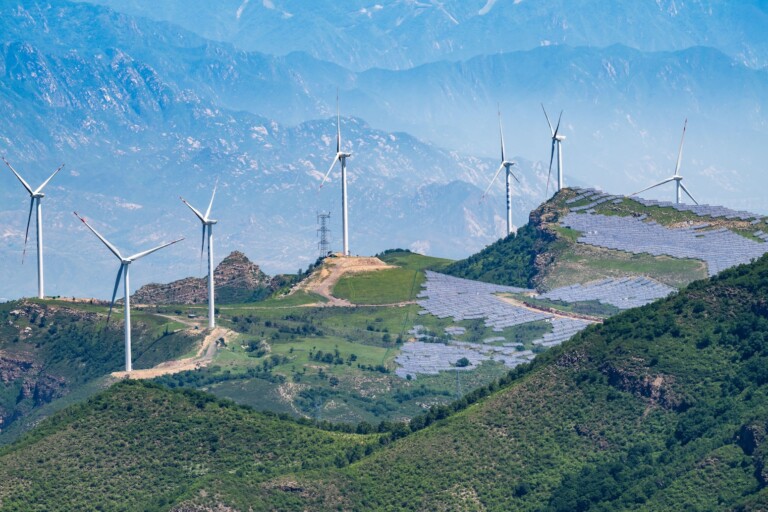
Wind power capacity continued its rapid ascent, with additions in the first half of the year easily outpacing any historical period outside of the record-breaking installations seen in 2025. Solar additions experienced a sharper deceleration from their previous frenetic pace, falling behind 2024 installation levels but remaining broadly aligned with the high-water mark of 2023. Meanwhile, nuclear energy development pressed forward steadily, with authorities approving eight new reactors in July and scheduling five units totaling 4.5 gigawatts of capacity to enter commercial operation before the end of the year.
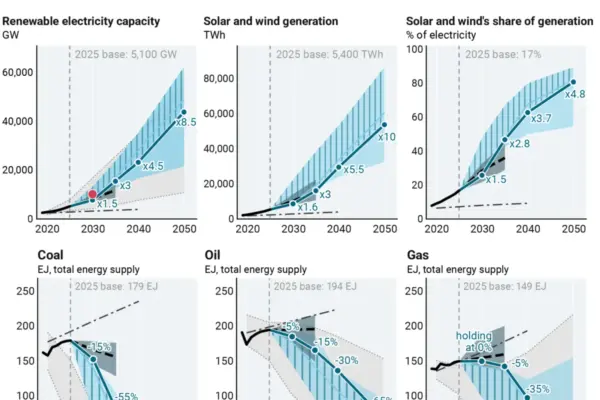
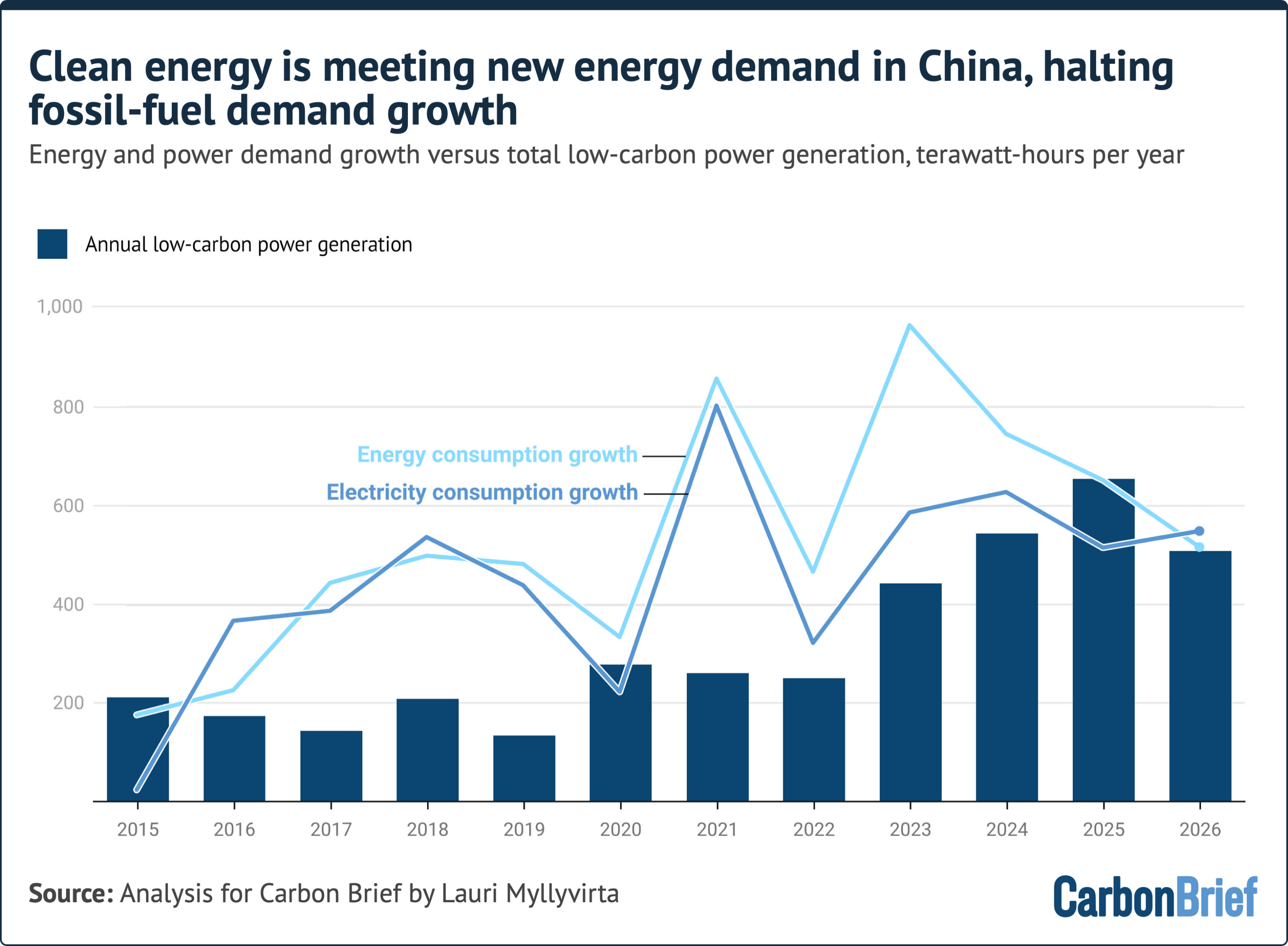
Taken together, this influx of clean energy puts China comfortably on track to add enough non-fossil generating capacity in 2026 to cover electricity demand growth of up to 5%. Because overall energy demand growth has decelerated much more sharply than electricity demand, clean-power generation is increasingly well-positioned to outpace incremental demand and drive down total fossil fuel consumption.
The persistent bottleneck of renewable curtailment stems from power-market and grid operating models that do not incentivize the flexible operation of coal-fired power plants, hydropower facilities, or inter-provincial transmission lines. This structural challenge has been exacerbated by a fresh wave of coal-fired power plant construction and commissioning. Newly added coal capacity reached 30 gigawatts in the first half of 2026—the highest level in a decade—while another 25 gigawatts broke ground and less than 3 gigawatts were retired.
Because electricity prices and long-distance transmission volumes are fixed months in advance, coal plants have minimal commercial incentive to ramp down generation when variable wind and solar output surges. Moreover, coal units are guaranteed capacity payments designed to keep them available for backup, rewarding sheer availability rather than operational flexibility. Although battery storage capacity continued to expand with the addition of 17 gigawatts in the first half of the year to reach 153 gigawatts total, the pace of storage deployments experienced a modest slowdown compared to the previous year.
Outlook for China’s CO2 Emissions
The broader outlook for China’s carbon emissions will be shaped by the lasting economic ripples of the Hormuz crisis, the implementation of newly released sectoral five-year plans, and the ongoing moderation of energy demand growth.
The oil price shock has permanently altered the calculations of the nation’s transportation sector, accelerating EV adoption far beyond official projections and validating electrification as a core pillar of national energy security. Government planners have responded by raising long-term targets, aiming for electricity to account for 35% of final energy consumption by 2030, up from 30% in 2025. Electric vehicles are projected to capture 30% of the total national vehicle fleet and 25% of commercial vehicle sales by the end of the decade.
At the same time, the wave of sectoral five-year plans published by Beijing in mid-2026 signals a concerted effort to tackle renewable curtailment and establish firmer controls over coal consumption. The updated energy and power sector blueprints outline measures to expand long-distance transmission infrastructure, promote local clean-energy consumption through smart microgrids and zero-carbon industrial parks, and integrate renewable resources with data infrastructure.

Crucially, the new planning documents broaden the definition of grid reliability. Rather than relying exclusively on coal-fired power plants for system stability, policymakers are increasingly turning toward energy storage, demand response, virtual power plants, and advanced grid management. The overarching policy goal for coal during the 2026–2030 period has shifted from a gradual reduction to entering a definitive plateau, accompanied by stricter approval criteria for new coal projects and a rhetorical emphasis on controlling actual power generation rather than mere capacity growth.
With total energy demand growth moderating significantly from the industrial surges seen in the wake of the pandemic, China’s clean energy additions are increasingly capable of absorbing all new demand. If these structural trends persist, the country’s total CO2 emissions are poised to resume a downward trajectory, cementing a lasting turning point in global climate mitigation efforts.