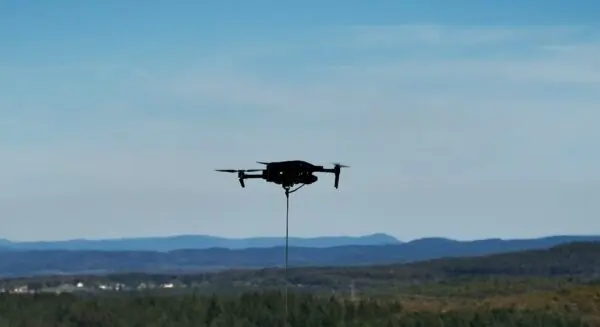
The Pentagon’s aggressive push to scale domestic uncrewed systems manufacturing has entered a critical new cycle. Under the umbrella of its expanding Drone Dominance Program, the Department of Defense is preparing for a massive procurement initiative valued at approximately $450 million. This upcoming Phase III push aims to flood the military inventory with tens of thousands of one-way attack drones while tightening technical specifications and ramping up expectations for domestic industrial capacity.
At the same time, program leadership has implemented a schedule adjustment for a separate track of the initiative. Gauntlet 2.5, a closely watched competition focused on reusable bomber drones designed to carry payloads and return safely to base, has been postponed from its original October window to early November.
Both developments underscore the complex balancing act facing military planners as they attempt to transition innovative uncrewed aerial systems from experimental prototypes to mass-produced frontline assets. By pairing high-volume procurement targets with rigorous testing environments, the Pentagon hopes to establish a reliable, secure industrial base capable of meeting modern tactical demands at scale.
Phase III Targets 60,000 Low-Cost Attack Drones
The centerpiece of the latest defense initiative is the Phase III Request for Solutions, which outlines a sweeping procurement plan for roughly 60,000 one-way attack drones. To safeguard against supply chain bottlenecks and encourage robust industrial participation, the solicitation includes an option for up to 40,000 additional units, bringing the potential total procurement volume to 100,000 aircraft.
This initial tranche of 60,000 drones will be divided evenly across two distinct mission categories: Deep Strike and Close-Quarters Battle. To maintain strict cost control and ensure fiscal responsibility, defense officials have established rigid fixed pricing structures for the program. The government has set a hard ceiling of $5,000 per unit for Deep Strike drones, while Close-Quarters Battle platforms are capped at $3,000 each. These figures explicitly exclude munitions and supporting ground equipment, focusing the financial constraints purely on the aircraft airframes themselves.
The formal solicitation window for Phase III closed on October 12, 2026, setting the stage for subsequent evaluations. Following the review and vetting of submissions, officials anticipate that Gauntlet III testing will commence in March 2027 to put candidate systems through their paces.
Unlike earlier rounds of the Drone Dominance Program, Phase III places a much heavier emphasis on immediate, scalable manufacturing capacity. Applicants are no longer evaluated solely on the technical prowess of their prototypes. Instead, they must empirically demonstrate that they possess the supply chain resilience and factory floor throughput required to produce at least 8,000 drones within a tight five-month window. Furthermore, vendors must prove they possess the long-term viability to scale operations beyond 100,000 units annually if called upon by military leadership.
This heightened standard has resulted in a more selective competition. Ten companies that emerged victorious from the earlier Gauntlet II rounds will qualify for an expedited evaluation process. Meanwhile, new applicants must clear an initial administrative and technical review followed by a rigorous flight demonstration.
Defense officials expect to invite no more than 14 companies into the core production stage of the competition. Ultimately, up to four vendors in each of the two mission categories may receive prototype delivery orders, ensuring a competitive multi-source supplier base for the military.
Higher Technical Expectations and Operational Demands
Alongside aggressive production metrics, Phase III introduces significantly more demanding operational requirements designed to reflect modern electronic warfare realities and tactical feedback from the field.
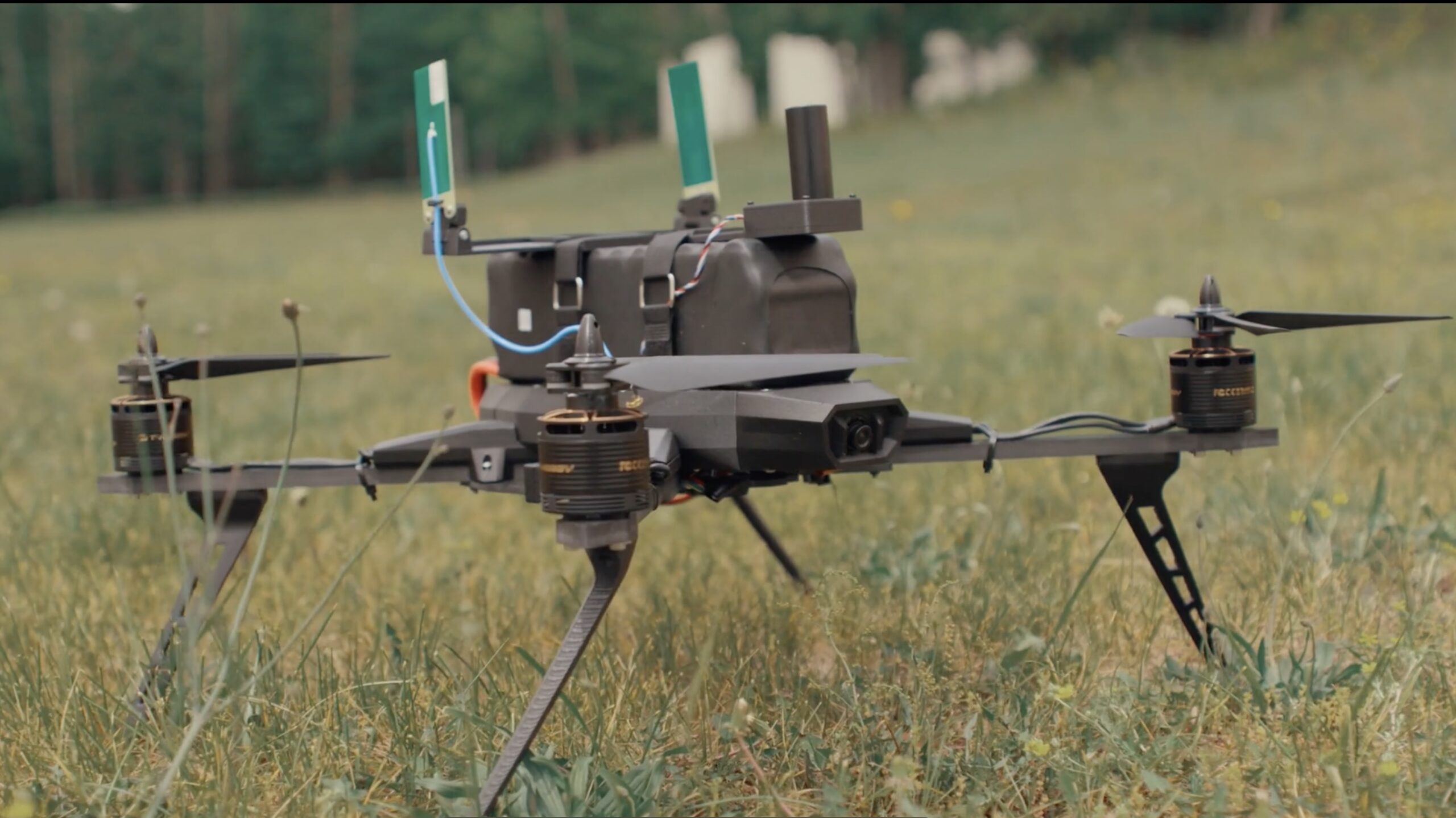
For Deep Strike missions, the Pentagon is searching for robust systems capable of operating reliably at extended ranges of 15 to 20 kilometers. Crucially, these platforms must maintain functionality even in contested electromagnetic environments where traditional satellite navigation and standard military communications are heavily jammed or entirely disrupted. Desired advanced capabilities include automated target recognition, advanced optical or inertial navigation systems that operate independently of GPS, and intuitive control architectures that allow a single operator to manage multiple aircraft simultaneously.
Conversely, Close-Quarters Battle systems are being engineered for rapid deployment and high-tempo operations within confined, cluttered environments such as urban terrain or dense structures. The solicitation explicitly favors compact, highly portable drones that enable operators to unpack, launch, and rapidly switch between multiple aircraft with minimal friction.
The program is also nudging the defense industrial base toward greater technological standardization. While universal interoperability remains a preferred guideline rather than a strictly mandatory mandate for every component, Phase III demands significantly higher compatibility between the aircraft themselves and their associated munitions.
Manufacturers entering the competition are evaluated through a multi-faceted lens that weighs raw performance metrics, candid feedback from military operators, payload effectiveness, true production capability, and strict supply chain compliance. In alignment with broader national security directives, the solicitation states a clear and unambiguous preference for systems that are sourced, engineered, and manufactured primarily within the United States.
Gauntlet 2.5 Postponed Until November
While the one-way attack drone competition moves forward, the Drone Dominance Program has adjusted the timeline for its reusable aircraft track. Gauntlet 2.5, which is dedicated to evaluating reusable bomber drones, has been pushed back from its initially planned October slot.
The evaluations, which are set to take place at Camp Grayling in Michigan, are now expected to get underway in early November. According to an official update published on October 9 on the program’s announcements page, the schedule adjustment is intended to provide participating vendors and government evaluators with an improved testing environment. The brief announcement did not elaborate on any specific operational or logistical causes for the short delay.
Gauntlet 2.5 represents a vital expansion of the broader Drone Dominance initiative, shifting focus away from expendable, single-use munitions and toward more sophisticated aircraft designed to deliver payloads and successfully return to base for multiple flights. The Pentagon previously signaled strong interest in this capability by inviting 17 different companies to participate, backed by approximately $32 million anticipated for initial prototype orders.
From Testing to Procurement
The evolution of the Drone Dominance Program highlights a maturing relationship between the defense establishment and commercial uncrewed systems developers. Gauntlet II officially concluded in September, successfully identifying top-performing systems across both Deep Strike and Close-Quarters Battle categories and providing the technical baseline needed to inform the current Phase III parameters.
The program itself is executed as a collaborative enterprise, jointly managed by the Defense Innovation Unit and the Test Resource Management Center. Meanwhile, Naval Surface Warfare Center Crane acts as the primary contracting authority, streamlining the administrative pathways required to move innovative technology from concept to contract.
Ultimately, the Phase III solicitation marks a decisive shift away from exploratory prototyping and toward large-scale operational procurement. As the program enters its next testing phases in the months ahead, the central question will not merely be whether developers can design sophisticated aerial systems, but whether they can successfully scale production to meet the unprecedented pace and volume demanded by the Pentagon.