The global eSIM market is expanding rapidly, offering travelers an increasingly digital alternative to traditional physical SIM cards. Travelers typically download an application, select a data package, install the digital SIM directly into their hardware, and activate service without needing to visit a local shop or swap plastic cards. While numerous providers populate this space, travel industry analyst and digital nomad advocate Matthew Kepnes—widely known as Nomadic Matt—has highlighted a shift in how long-term travelers manage connectivity abroad.
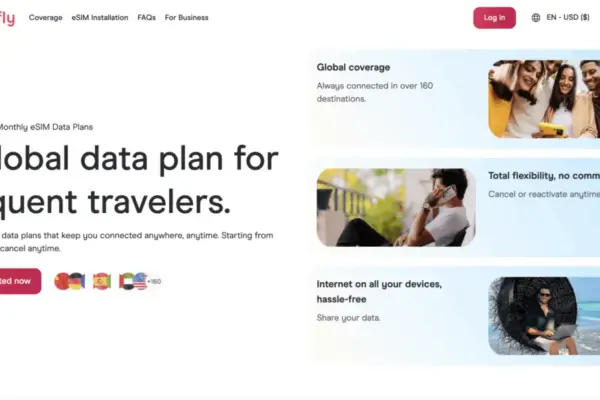
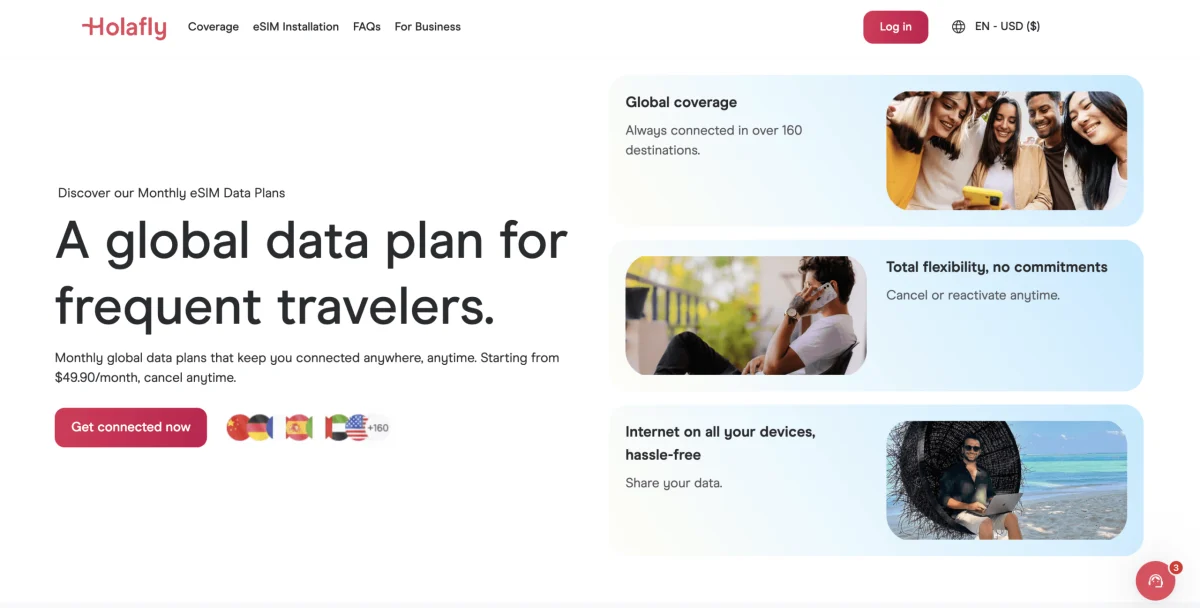
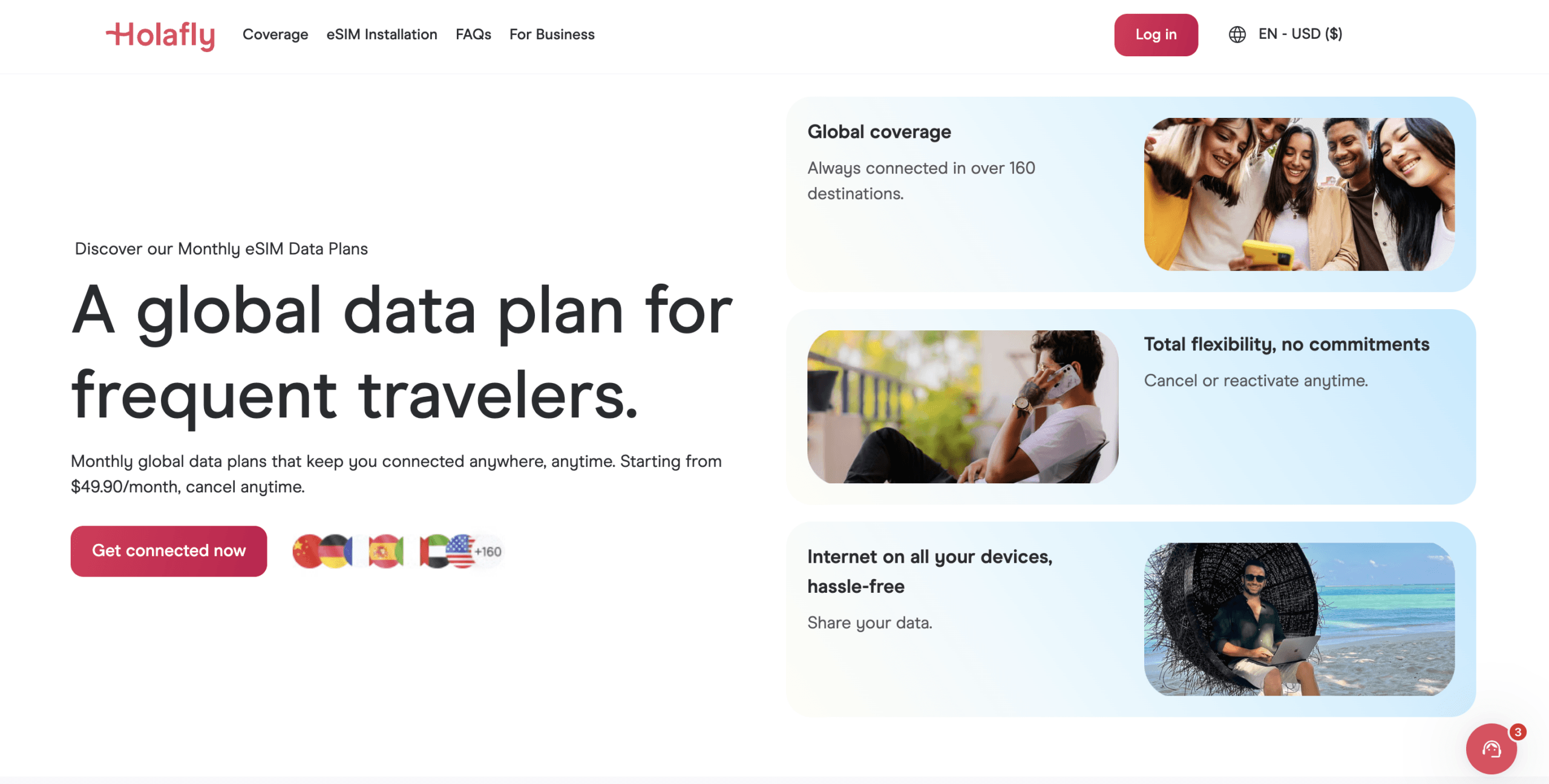
Kepnes has reported on the launch of Holafly Plans, a new ongoing subscription service designed to function across more than 160 destinations through a single, persistent global eSIM. Unlike traditional short-term data packages tied to specific borders or limited durations, this subscription model is engineered to operate continuously as users transition between countries, eliminating the need to repeatedly purchase new packages or scan new activation codes upon landing.
Understanding Holafly Plans and Global Coverage
The newly introduced global subscription service operates similarly to a traditional mobile carrier network, but at a reduced cost and without the rigid long-term domestic commitments typically required by major telecommunications companies. Available on either a monthly or annual billing cycle, the service is structured around two distinct tiers: a Light Plan and an Unlimited Plan. Both options provide coverage across more than 160 countries, automatically reconnecting the device to a local partner network whenever the user crosses an international border.

The Unlimited Plan caters heavily to digital nomads, remote professionals, and heavy data consumers who require continuous high-speed access without monitoring data caps. It includes unrestricted data usage alongside an active hotspot feature, allowing users to tether laptops and secondary devices while on the move. Furthermore, subscribers to the unlimited tier receive a local phone number originating from the United States, the United Kingdom, or Canada, facilitating the receipt of SMS verification codes and text messages from home.
For lighter users whose primary connectivity needs involve navigation apps, messaging services, and occasional web browsing, the Light Plan provides a monthly allocation of 25GB of data. Like its unlimited counterpart, the Light tier includes hotspot capabilities and maintains identical geographic coverage across more than 160 destinations.
Additionally, both subscription tiers incorporate Holafly’s "Always On" feature. This inclusion provides subscribers with 1GB of backup data every month automatically, a provision that persists even if the user eventually decides to cancel their main subscription entirely. Pricing structures vary depending on the chosen billing duration and currency, with quarterly payments offering approximately a 10% savings and annual commitments reducing costs by about 15%. As an example, the unlimited tier is priced at approximately $55 USD per month when purchased as a one-year commitment, positioning it significantly below the typical international roaming rates charged by major domestic carriers in the United States.
Classic eSIMs Versus Ongoing Subscriptions
To understand the market positioning of Holafly Plans, industry observers distinguish them from classic destination-specific eSIMs. Traditional eSIM products remain tailored for single, short-term vacations. A traveler flying to a specific country for a two-week holiday typically benefits from purchasing a conventional single-destination eSIM, which requires a one-time payment and covers only that specific trip. For individuals who travel only a couple of times per year, the traditional model remains the simpler and more economical choice.
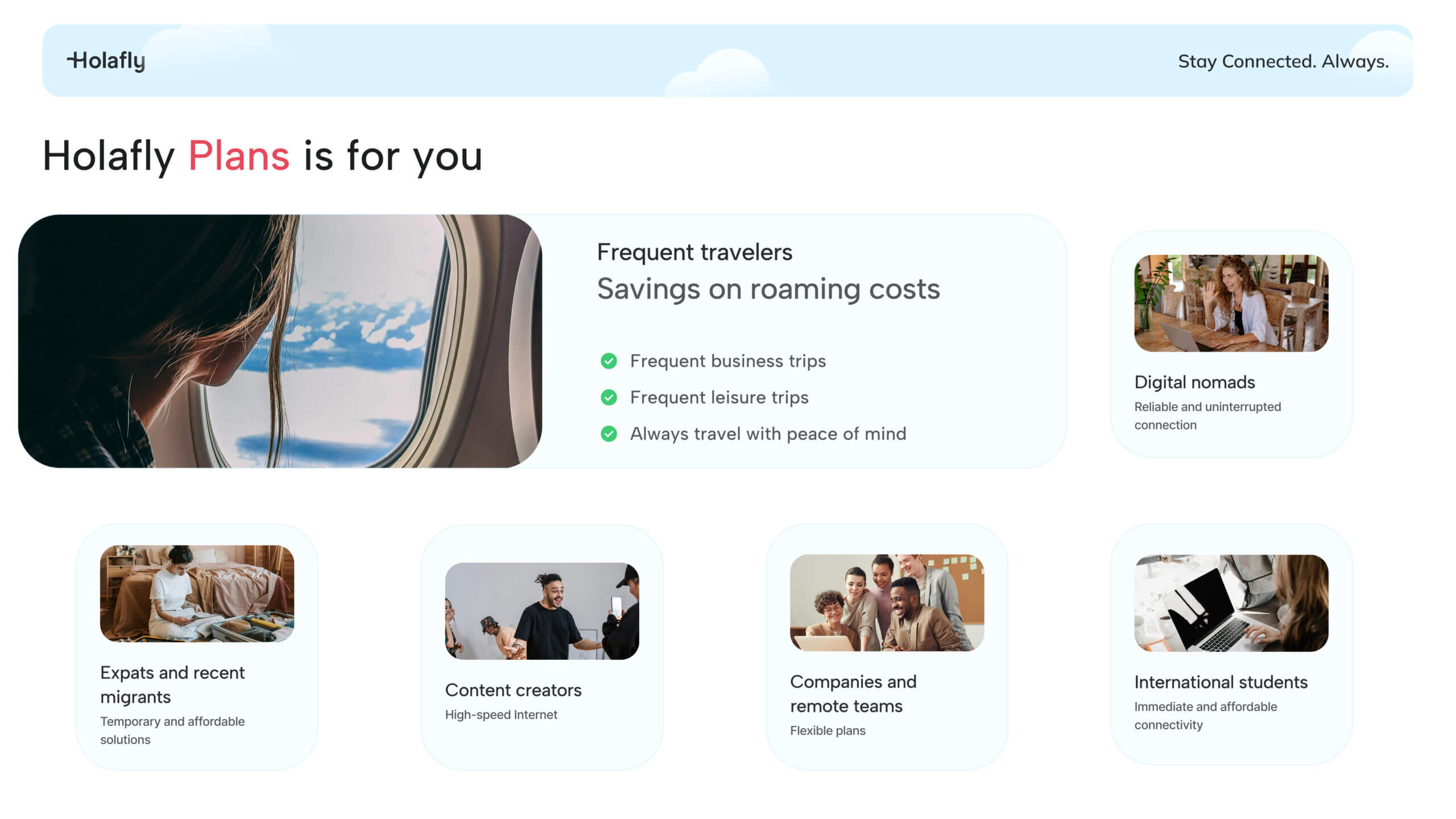
Conversely, the subscription model is tailored specifically for digital nomads, perpetual travelers, and business professionals who spend the majority of the year outside their home countries and frequently jump between multiple international jurisdictions within a single month. Instead of managing a succession of temporary regional eSIMs, subscribers maintain a single ongoing connection, a unified billing cycle, and a consistent digital footprint that follows them globally.
Comparing the subscription model to major carrier roaming passes highlights notable financial and operational differences. Major domestic carriers in the United States often charge daily add-on fees that can accumulate to hundreds of dollars per month, frequently throttling high-speed data after a low threshold is reached. Regional local SIM cards or standard single-destination eSIMs also introduce friction, requiring travelers to repeatedly purchase new packages, scan new QR codes, and risk losing connectivity during border crossings. The subscription model addresses these pain points by offering continuous connectivity with zero administrative hassle upon arrival in a new country.
Market Reception and Target Audience
The introduction of subscription-based global connectivity addresses a longstanding logistical challenge for the remote work community. While casual vacationers taking standard annual trips may find traditional short-term eSIMs more cost-effective, long-term travelers require reliable, ongoing infrastructure to sustain employment and communication abroad. Industry analysts note that products like Holafly Plans represent an evolutionary step toward closing the gap between traditional domestic mobile plans and flexible international travel tools.
Consumer response to the service has emphasized the convenience of avoiding physical SIM swaps and the financial relief compared to legacy roaming fees. While the subscription requires users to commit to ongoing billing rather than isolated one-off purchases, the flexibility to cancel at any time—backed by customer support operations functioning around the clock—provides a safety net for travelers whose itineraries are subject to sudden changes. As remote work continues to redefine modern mobility, flexible global data subscriptions are expected to play an increasingly central role in international travel logistics.