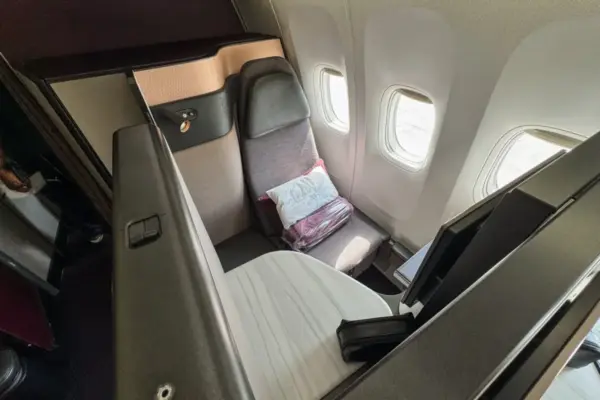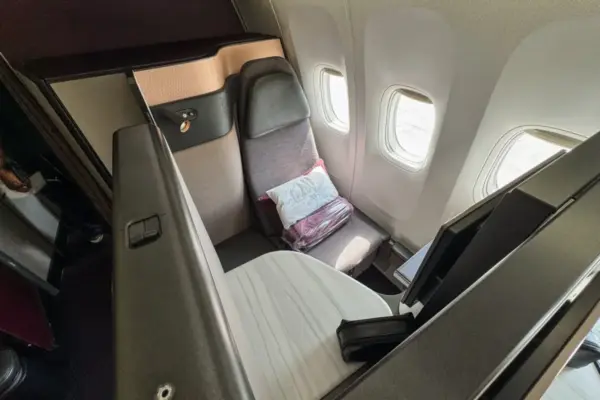
The gloves are officially off in the high-stakes battle for frequent flyer loyalty. United Airlines has rolled out a provocative new status match offer directly targeting elite customers of its primary domestic rivals, Delta Air Lines and American Airlines, leveraging an escalating industry dispute over inflight connectivity.
While status match programs are a long-standing fixture of airline commercial strategy—and United already maintains a standard, ongoing offer allowing elite members of competing carriers to request matched status—its latest campaign has captured widespread attention. Dubbed the "Switch To Better Wi-Fi" offer, United’s newest initiative is drawing heavy notice across mainstream media outlets and aviation blogs alike due to its pointed, unapologetic messaging aimed directly at Delta.
The airline industry dust-up centers primarily on the rapidly evolving landscape of inflight internet connectivity. United is currently in the process of equipping its mainline and regional fleet with Starlink Wi-Fi, a service widely acknowledged across the tech and aviation sectors as the fastest and most reliable inflight internet provider available today.
In contrast, Delta Air Lines is taking a different technological track. The Atlanta-based carrier has chosen to deploy Amazon’s Leo service—a constellation that remains largely unproven for widespread commercial inflight capabilities—as part of a rollout timeline that will ultimately lag behind United’s aggressive installation schedule. Meanwhile, American Airlines, which also announced plans to begin installing Starlink on its fleet starting next year, initially entered the fray simply to promote its own traditional status match opportunities.
However, it was a series of leaked internal comments that truly ignited the firestorm. The controversy began after remarks reportedly made by Delta CEO Ed Bastian to employees regarding the airline’s decision to bypass Starlink surfaced publicly. Bastian’s commentary included references to perceived difficulties and friction in working with Starlink founder Elon Musk, sparking a wave of online chatter and industry debate.
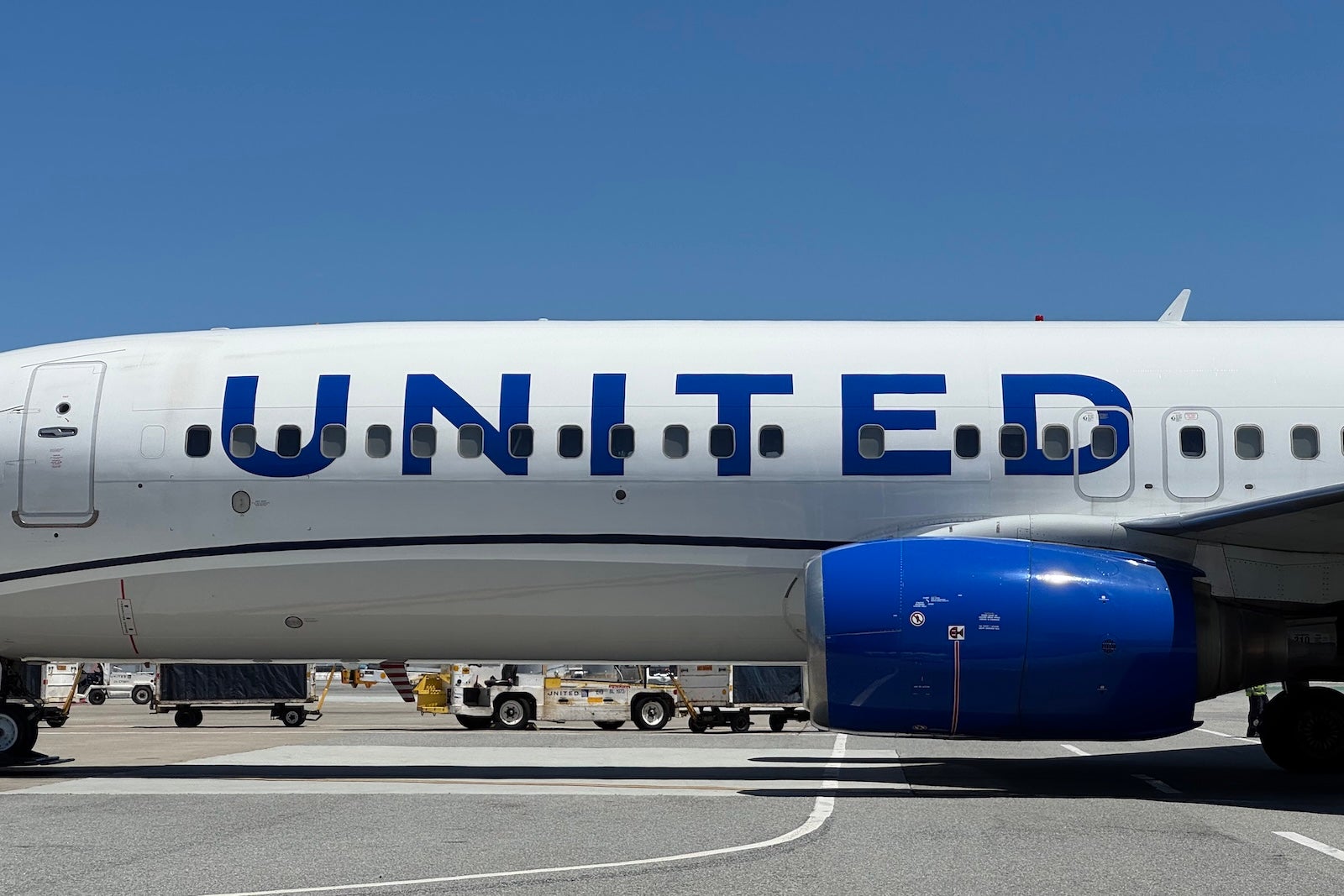
The leaked remarks generated significant public discussion, with various frequent flyers expressing frustration that Delta was opting for a slower rollout of an internet product they perceived to be inferior to Starlink. Sensing an opening in the market, both United and American opportunistically seized on the kerfuffle to promote their existing status match frameworks to disgruntled travelers.
United, however, decided to escalate the competitive pressure significantly further by launching a separate, dedicated status match offer explicitly aimed at Delta customers, while also extending the opportunity to loyalists flying with American. Capitalizing on the connectivity debate, United’s marketing materials boldly asked passengers not to keep buffering and invited them to switch to United to experience the fastest Wi-Fi in the sky.
Industry analysts have noted the unusual directness of the campaign. Henry Harteveldt, a prominent airline analyst, described the maneuver to CNBC as a form of airline-style warfare, noting that it is exceptionally rare for a major U.S. carrier to be as blatant as United is currently being in its public pitch against its main domestic competitors.
Regardless of where individual travelers might stand in the broader debate concerning satellite providers, corporate leadership, and inflight technology, the corporate clash has opened a clear and lucrative window for frequent flyers. Travelers now have a distinct opportunity to test out the premium elite benefits associated with United’s MileagePlus program under unique promotional terms.
United’s "Switch To Better Wi-Fi" status match program is open to U.S. residents who currently hold elite status with either Delta Air Lines or American Airlines. Typically, United enforces a strict policy that allows a customer to request a formal status match only once every rolling three-year period. For this specific promotion, however, the carrier is waiving that traditional restriction, making it significantly easier for eligible flyers to apply.
Under the terms of the Wi-Fi status match offer, approved applicants will initially be granted a United Premier status tier that directly corresponds to the current elite level they have earned on either Delta or American. This matched status remains active for an initial trial period of 90 days. To extend that elite status through January 2028, participants must meet specific spending thresholds on qualifying flight purchases made directly with United during the trial window, with the required spending amounts varying according to the specific status tier.
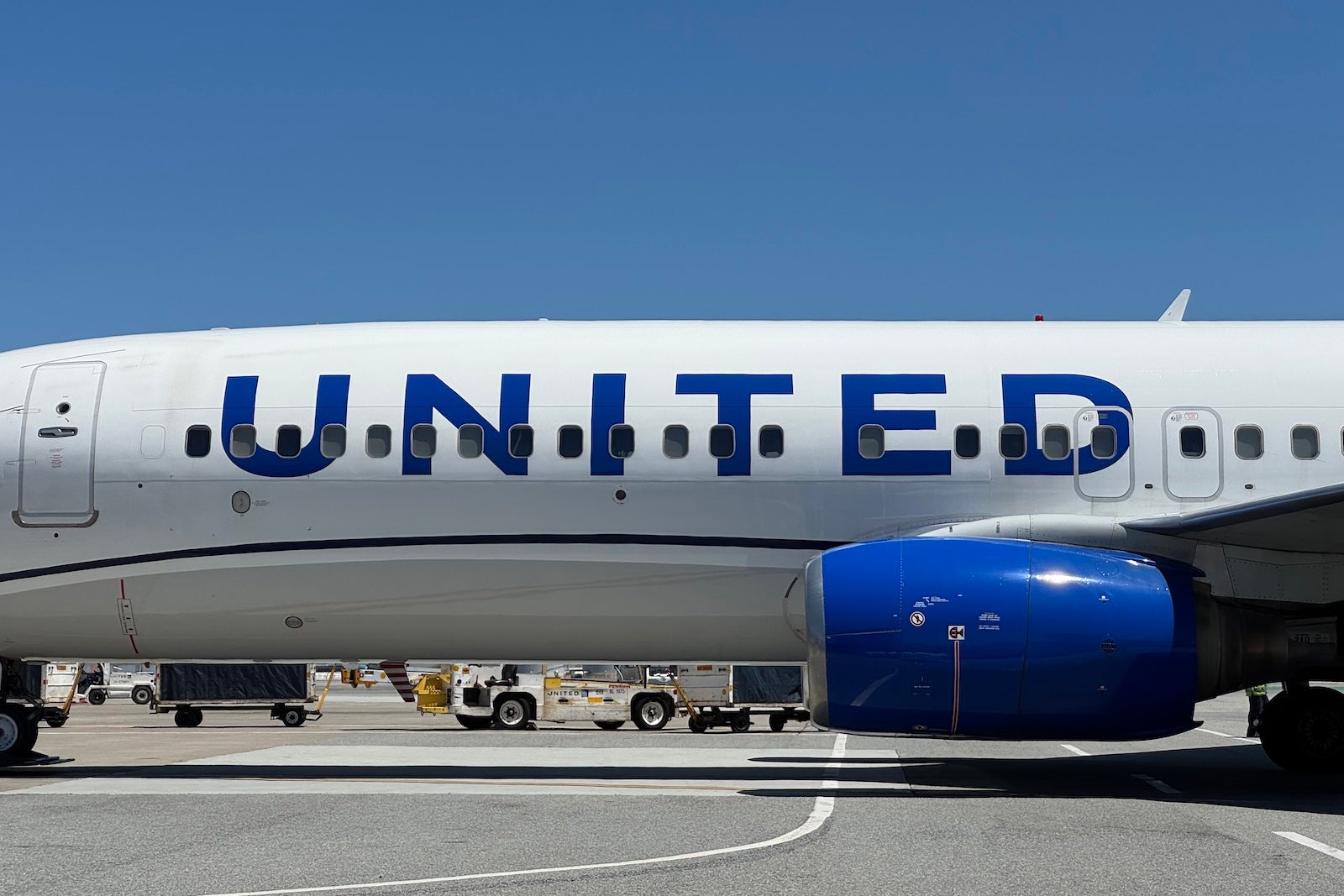
For those qualifying at the entry-level tier, United Premier Silver status can be secured for the full duration by achieving $1,500 in qualifying flight spending. This tier corresponds directly to Delta’s Silver Medallion and American’s AAdvantage Gold levels.
Travelers aiming for United Premier Gold status—equivalent to Delta Gold Medallion and American AAdvantage Platinum—must reach $3,000 in qualifying flight spending during the promotional period.
For higher-tier flyers, matching to United Premier Platinum status, which aligns with Delta Platinum Medallion and American AAdvantage Platinum Pro, requires $4,500 in spending. Finally, the carrier’s top-tier Premier 1K status, matching Delta Diamond Medallion and American AAdvantage Executive Platinum, requires a qualifying spend of $7,000. Additionally, specialized match pathways have been made available for invitation-only tier members, including Delta 360 and American Concierge Key holders.
This promotional pathway differs significantly from United’s traditional, standard status match program. The standard offer remains open to loyalists representing a much wider variety of global airlines. Under the standard program, customers are given a 120-day window to complete a formal challenge consisting of a combination of Premier Qualifying Dollars and Premier Qualifying Flights, which are the metrics United routinely uses to evaluate ongoing loyalty program performance.
For the standard match, earning Premier Silver requires completing 5 Premier Qualifying Flights alongside 1,700 Premier Qualifying Dollars. Premier Gold under the standard path calls for 10 Premier Qualifying Flights and 3,400 Premier Qualifying Dollars. Premier Platinum requires 15 Premier Qualifying Flights and 5,000 Premier Qualifying Dollars, while the premier 1K tier demands 20 Premier Qualifying Flights and 7,500 Premier Qualifying Dollars. Similar to the Wi-Fi-specific offer, equivalent paths are maintained for invitation-only status holders from competing carriers.
While United’s specialized Wi-Fi match provides a simpler path requiring lower overall spending to secure full-year status, it operates on a significantly compressed calendar to complete the necessary qualifying activity compared to the standard four-month challenge.
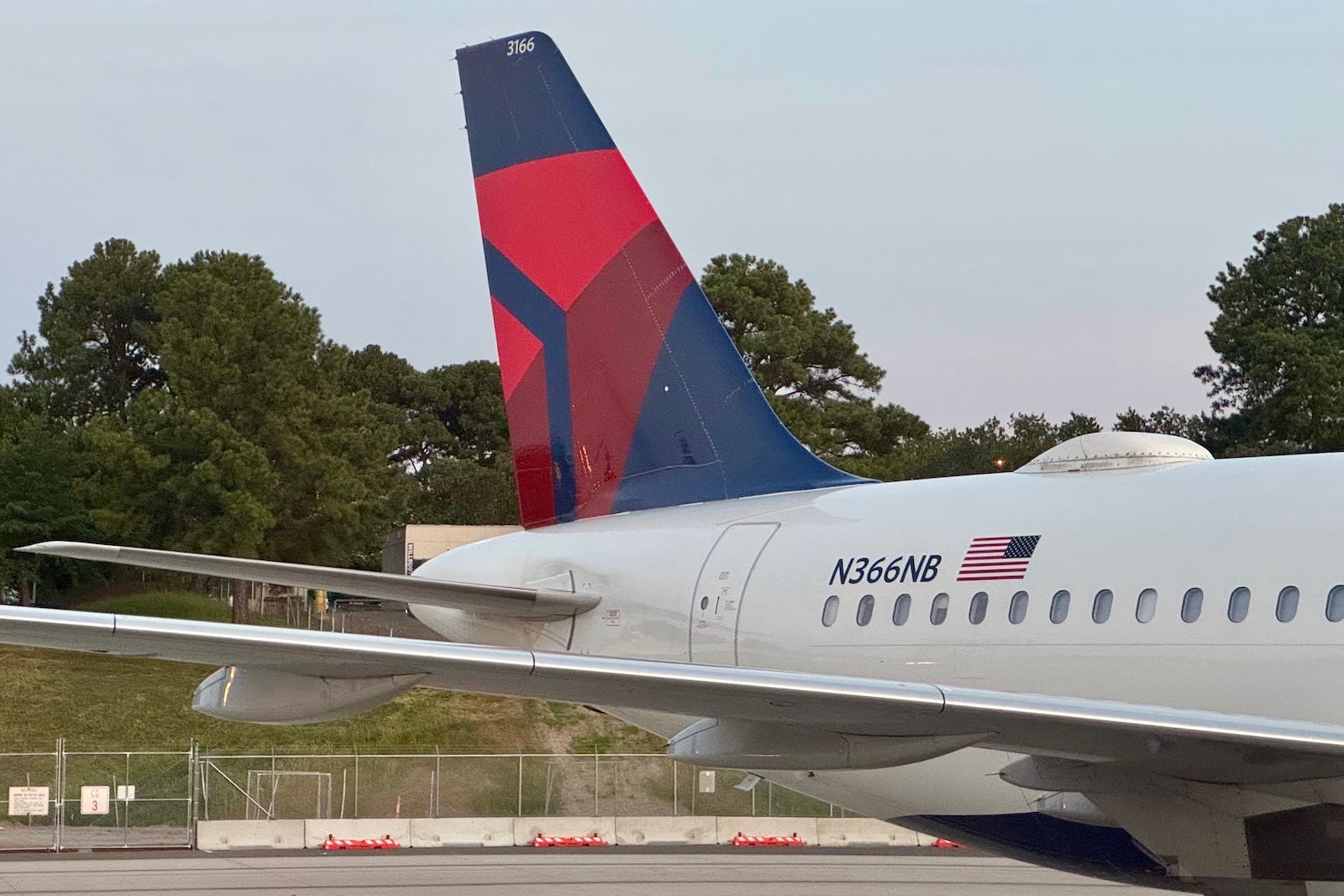
This intense back-and-forth maneuvering over inflight connectivity and elite status arrives as major airlines increasingly rely on complimentary Wi-Fi as a primary differentiator to attract and retain high-value frequent flyers. Delta Air Lines has successfully rolled out free internet connectivity to SkyMiles members across the vast majority of its mainline fleet, though the performance of the service continues to draw mixed reviews compared to upcoming high-throughput satellite networks.
To address performance concerns, Delta’s current primary inflight internet provider, Viasat, recently activated a new orbital satellite that company executives claim will significantly enhance available bandwidth. This upgrade is intended to bolster connectivity performance while the airline gradually prepares for the broader implementation of Amazon Leo installations over the coming years.
Meanwhile, American Airlines is proceeding with its own modernization efforts, holding firm on plans to introduce Starlink technology across approximately 500 of its narrowbody aircraft. However, the Fort Worth-based carrier has not yet detailed broader plans to expand the high-speed satellite service across its entire regional and mainline fleet, leaving ample room for competitors to vie for disgruntled passengers in the ongoing battle for the skies.