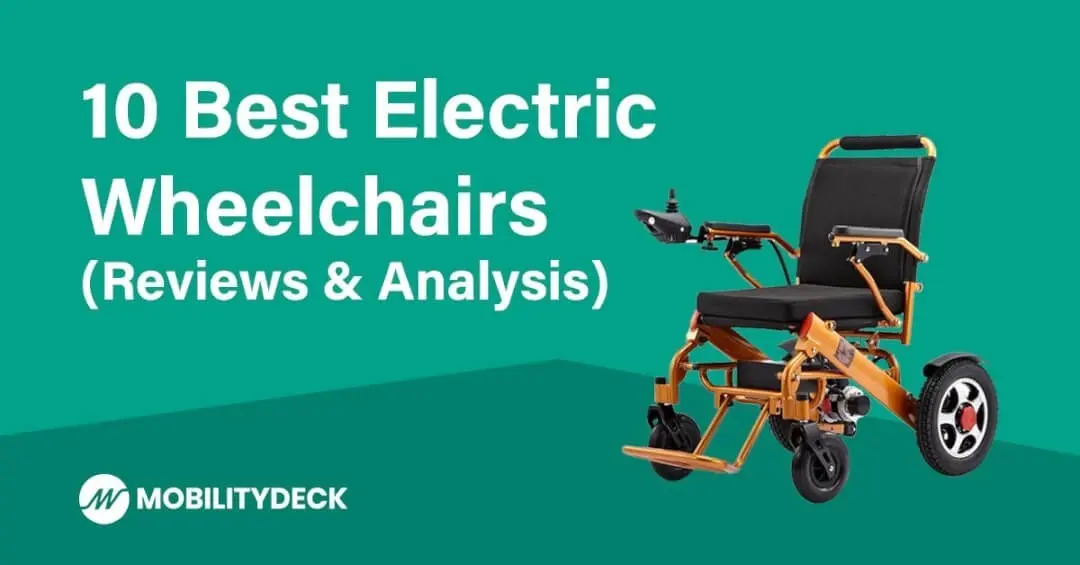
Choosing an electric wheelchair represents a significant turning point for individuals seeking to enhance their personal mobility, independence, and daily quality of life. Whether the goal is to navigate indoor living spaces with ease or to rediscover the freedom of outdoor travel, finding the right motorized mobility device requires careful consideration of individual physical circumstances, lifestyle needs, and budget constraints.
In recent years, the market for electric wheelchairs has experienced substantial growth, expanding into a vast landscape featuring hundreds of distinct models across a wide spectrum of prices. While this abundance ensures that a well-suited power chair exists for virtually every user, it simultaneously complicates the selection process. To help consumers navigate this crowded marketplace, mobility experts and reviewers have evaluated dozens of options, synthesizing their findings into a detailed overview of the best electric wheelchairs currently available. From lightweight and travel-friendly folding power chairs to heavy-duty models designed for rugged terrain and daily support, experts have compared key attributes to identify standout performers in various categories.
Understanding Who Benefits Most from Electric Mobility
Generally speaking, electric wheelchairs are primarily designed for individuals who lack the necessary upper body strength required to independently propel a manual wheelchair. However, mobility needs are rarely black and white, and many power wheelchair users maintain enough strength to use a manual chair indoors while preferring motorized assistance for outdoor excursions and longer journeys.
For those contemplating the transition to an electric wheelchair, visiting a specialized medical supply store to test-drive various models is widely recommended. Motorized options are not universally ideal for every user, and some individuals find a greater sense of traditional independence using manual equipment. Conversely, for those eager to explore the outdoors, visit parks, or take vacations, investing in an electric wheelchair can be transformative. Modern power chairs feature batteries capable of sustaining hours of continuous operation, allowing users to explore new cities and environments without experiencing physical exhaustion.
Despite these clear benefits, reaping the full advantages of an electric wheelchair requires careful pre-purchase evaluation. Because these devices represent a major investment and vary significantly in design, prospective buyers must weigh several crucial factors before committing to a specific model.
Key Features and Technical Considerations
Purchasing an electric wheelchair is a major financial and lifestyle decision, making it essential to evaluate technical specifications against personal living environments and physical requirements.
Indoor mobility is often the primary concern for home users. Assessing the turning radius of a chair is critical, and while manufacturers typically publish these figures, consulting independent user reviews can help verify real-world accuracy. Seat height and width are equally important; most users prefer a seat height comparable to their bed to facilitate transfers, alongside dimensions that allow the chair to navigate household hallways and doorways smoothly.
For individuals with limited mobility who require assistance getting in and out of the chair, design features such as swiveling legs, rotating armrests, and compatibility with household patient hoists must be thoroughly investigated. Meanwhile, outdoor mobility depends heavily on terrain compatibility. While some power chairs handle diverse surfaces effortlessly, others struggle on grass, gravel, or uneven pathways. Travel enthusiasts must also prioritize lightweight, compact frames that fold and unfold easily for transport in vehicles or public transit.
Cushioning and comfort dictate long-term usability, given the extended periods users spend seated. Manufacturers offer various seating configurations, including captain’s seats, solid pan designs, and rehab-style seating, utilizing materials ranging from contoured foam to air foam depending on user preference and medical necessity.
Battery power and motor specifications further define a chair’s performance. Batteries can range from standard single units to dual-battery systems like those found on heavy-duty models, offering extended ranges that can last for days on a single charge, though additional batteries inevitably add weight to the frame. Motor power determines how effectively a chair handles inclines and rough terrain; while stronger motors provide superior performance over bumps and ramps, they typically drain batteries faster, whereas weaker motors prioritize efficiency and smoothness over off-road capability.
Weight capacity is another vital metric. Most standard electric wheelchairs support at least 240 pounds, but users exceeding this threshold must seek out heavy-duty alternatives engineered to handle higher loads safely. Finally, modular design and aesthetic style play supporting roles, allowing users to customize their chairs with accessories and select designs they will feel comfortable living with for years to come.
Evaluating the Financial and Practical Aspects of Motorized Mobility
Navigating the financial landscape of motorized wheelchairs often involves interacting with health insurance providers. Generally, insurance and Medicare policies cover electric wheelchairs when they are deemed medically necessary, though coverage depends entirely on individual policy guidelines and provider specifications. Consumers are encouraged to contact their insurance companies directly to determine eligibility and approved equipment lists.
When purchasing out-of-pocket, standard unmodified electric wheelchairs typically cost between $2,000 and $3,000, though entry-level models can be found for around $1,000. Specialized units tailored to exact medical requirements can command prices up to $12,000. This high cost reflects the extensive research, design, and manufacturing standards required to produce safe, reliable medical equipment capable of supporting daily human mobility.
In terms of performance, standard batteries provide a range of at least 12 miles on a full charge lasting roughly eight hours, though actual performance varies based on model specifications, battery health, and user weight. Standard seat widths generally measure between 16 and 20 inches, with wider options available for specific body types.
Overview of Top-Rated Electric Wheelchairs
Market research highlights several standout electric wheelchairs across different categories. The EZ Lite Cruiser Deluxe DX12 has emerged as the leading overall choice, praised for balancing mid-range pricing with tight indoor mobility, strong battery life, and a lightweight, foldable aluminum frame. Weighing between 58 and 64 pounds depending on the battery, it supports up to 305 pounds and features durable rubber wheels and suspension suitable for diverse terrains.
As a close runner-up, the Porto Mobility Ranger D09 offers similar folding capabilities, dual-battery longevity, and robust US-based customer support. While its joystick controls and cushion design present minor learning curves, its five-star performance across multiple reviews cements its reputation as a reliable portable power chair.
For frequent travelers, the Forcemech Voyager R2 stands out as an ultra-portable solution weighing just 43 pounds without its battery. Optimized for air travel and public transit, it features a quick-folding frame and rotating armrests, though its lighter motor power limits its performance on rough outdoor terrain like grass.
Users requiring robust support often turn to the Sentire Med Forza D09 Deluxe, the premier heavy-duty choice. Engineered to safely support up to 396 pounds, it combines dual motors and long-lasting batteries with a reinforced suspension system, offering exceptional durability and off-road capability despite slightly firmer solid tires.
For budget-conscious consumers, the Drive Medical Cirrus Plus offers a sturdy, comfortable folding alternative priced around $1,500. While heavier than ultra-portable competitors, it delivers strong hill-climbing capabilities and top speeds of up to 5.5 miles per hour, making it a practical, cost-effective daily driver.
Alternative models such as the Horizon Mobility Electric Wheelchair, the travel-friendly Innuovo Model N5513A, the heavy-duty Forcemech Navigator XL, the compact Golden Technologies GP162, and the six-wheeled Pride Mobility Jazzy 600 ES offer additional specialized features for specific consumer needs, ensuring that individuals can find a mobility device aligned with their unique lifestyle requirements.