VILNIUS — Across Lithuania, more than 4,000 public procuring entities command a massive financial footprint, channeling close to €10 billion annually through the state’s public procurement system. Representing roughly 12% of the national economy, this immense purchasing power has traditionally been viewed strictly through the lens of fiscal efficiency and administrative compliance. However, a sweeping policy shift is fundamentally redefining how public money is spent, turning government contracts into a powerful engine for social inclusion, workplace diversity, and economic opportunity for marginalized communities.
At the heart of this transformation is a concerted effort to support Lithuania’s working-age population with disabilities. Approximately 151,600 individuals of working age in the country live with a disability, yet more than two-thirds remain outside the formal workforce. Despite including highly qualified software developers, skilled tradespeople, and academics ready to contribute meaningfully to the economy, disabled job seekers face persistent barriers. Employers have historically shown reluctance to hire them, driven by entrenched misconceptions regarding their capabilities and incentive structures that remain insufficient to shift hiring practices.
Recognizing that the state operates as one of the largest indirect employers in the country, the Lithuanian Public Procurement Office (PPO) spearheaded an initiative to leverage public buying power to address these disparities. In late 2023, the government introduced eight distinct criteria for socially responsible procurement. These voluntary requirements and supporting guidelines were designed to help create stable employment opportunities for people with disabilities, improve gender equality and staff well-being, and encourage businesses to commit to more responsible, sustainable production practices.
Public buyers can apply these social criteria across various stages of the procurement process, embedding them directly into technical specifications, bid evaluation criteria, contract performance terms, and supplier qualification requirements.

Greta Ambrutytė, Head of the Socially Responsible Public Procurement Department at the PPO, emphasized the transformative potential of the strategy. "We will first ensure that all public buyers in Lithuania are aware of the power they have through public procurement and boost how they use these criteria and promote inclusion through their public contracts," she noted.
Operationalizing Social Criteria Through Collaborative Design
To ensure the new guidelines were practical and market-ready, the PPO co-created the framework alongside a dedicated working group comprising 12 institutions deeply active in disability rights. Key collaborators included the Ministry of Labor and Social Affairs, the Lithuanian Public Employment Service, the Agency for the Protection of People with Disabilities Rights, and the Data Protection Agency.
Furthermore, through the Lift impact accelerator program supported by Open Contracting Partnership (OCP), the PPO undertook a people-centered policy redesign. The Diversity Charter, a prominent NGO working to advance workplace inclusion and diversity in Lithuania, provided critical expert recommendations to refine the social criteria and shape comprehensive training programs tailored for both public buyers and suppliers.
Rygilė Trumpytė, Chief Executive of the Diversity Charter, underscored the necessity of early community involvement. "When we talk about immigrants and people with disabilities, they are the most vulnerable groups in the labor market. This is where public procurement can help. We need to include those communities in the decision-making process from the very beginning," she said.
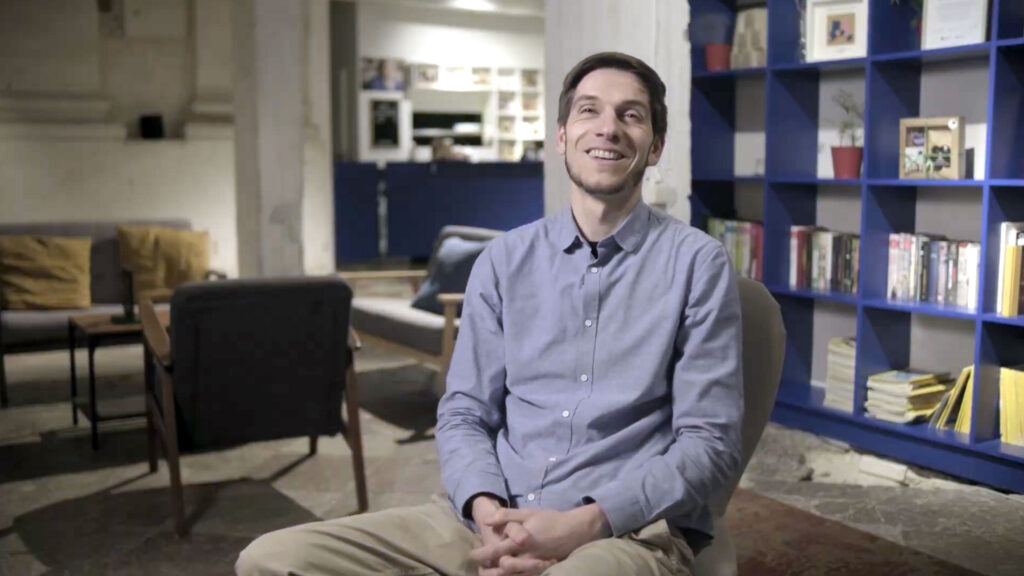
The PPO also engaged directly with major institutional buyers, such as the Ignitis Group and Lithuanian Airports, to assist them in integrating social procurement targets into their annual planning. Livija Šepetytė, Sustainability Partner at the Ignitis Group, highlighted the importance of market dialogue during the process. "Blindly including a social tender requirement without consulting the market is a straight way to failure," she observed.
To foster institutional accountability and encourage healthy competition among public agencies, the PPO collaborated with OCP’s Lift program to set an ambitious benchmark: ensuring that at least 7% of total procurement value incorporated socially responsible criteria within the first 18 months. To monitor compliance transparently, the e-procurement system’s contract reporting sub-system was upgraded with mandatory data fields. These fields track whether social criteria were utilized, which specific criteria were applied, and at what stage of the procurement lifecycle they were integrated. A public-facing reporting dashboard was subsequently launched in mid-2024 to track uptake in real time.
This structured approach mirrors Lithuania’s earlier success in greening its public procurement framework, which successfully integrated environmental criteria into 100% of applicable public procedures.
Measurable Impact on Businesses and Communities
The results of the social procurement reform have outpaced initial expectations. According to metrics published on the PPO’s official dashboard, the share of total public procurement value utilizing social criteria rose from 4.3%, representing roughly €467 million in 2024, to 10.9%, or €1.2 billion, by the end of 2025. This performance far exceeded the initial 7% target set for the reform’s opening phase. Growth has continued into 2026, with the share reaching 12.6%, equivalent to €955 million, as of September.
Similarly, the proportion of individual public contracts incorporating social requirements increased from 1.1%, representing 1,657 contracts in 2024, to 2.1%, or 3,336 contracts in 2025. By September 2026, that figure climbed to 2.5%, encompassing 2,587 contracts. In 2025 alone, 376 public buyers—accounting for approximately 15% of all active procuring entities in Lithuania—awarded at least one contract featuring social criteria. Certain institutions embraced the framework extensively; for instance, the Jasiuliškiai Social Care Home awarded all 83 of its contracts using social criteria in 2025, totaling more than €2.5 million.
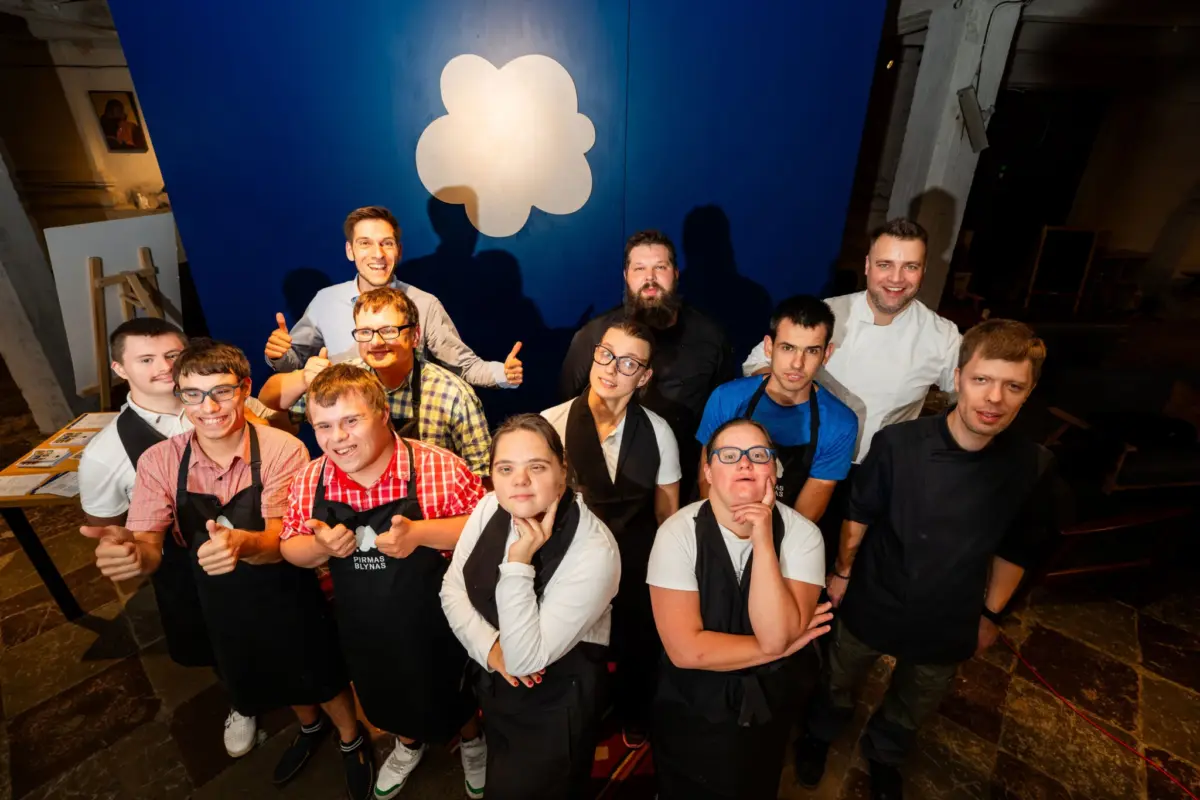
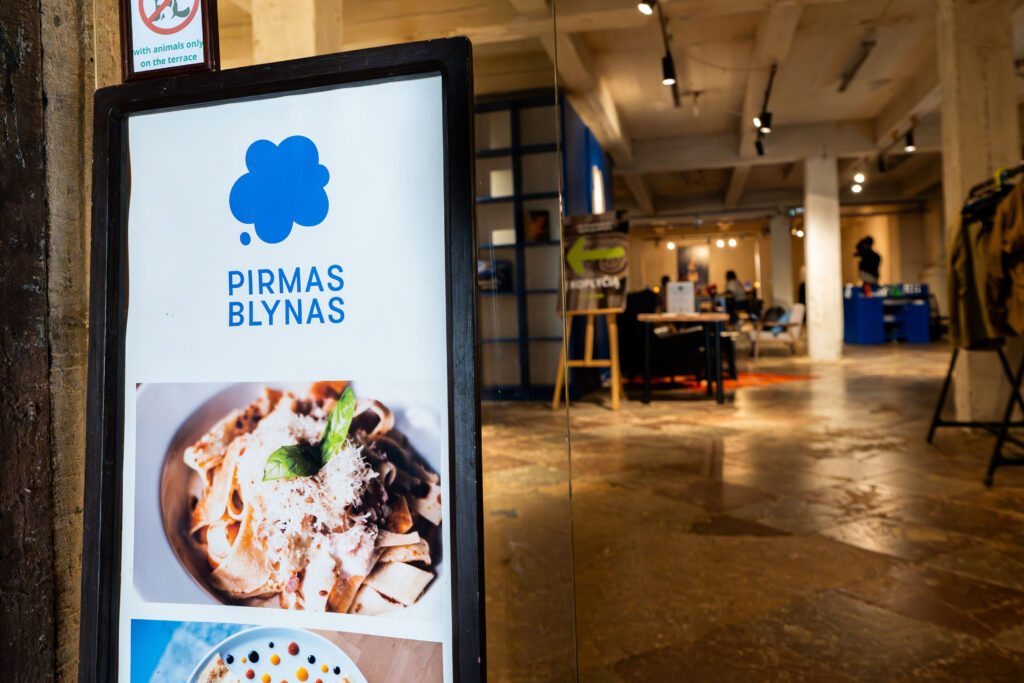
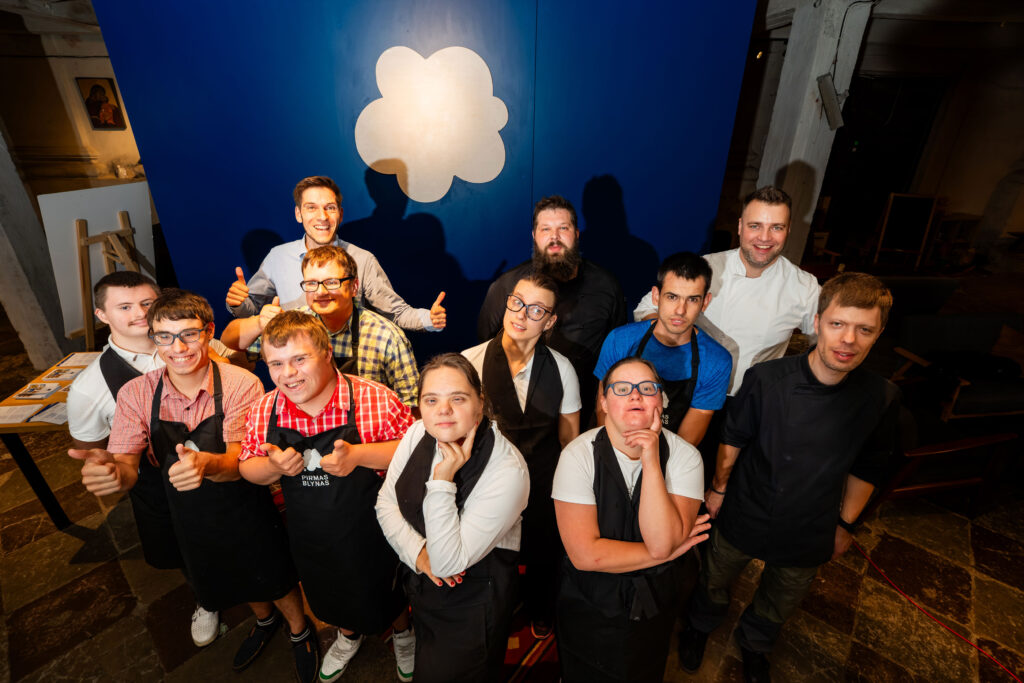
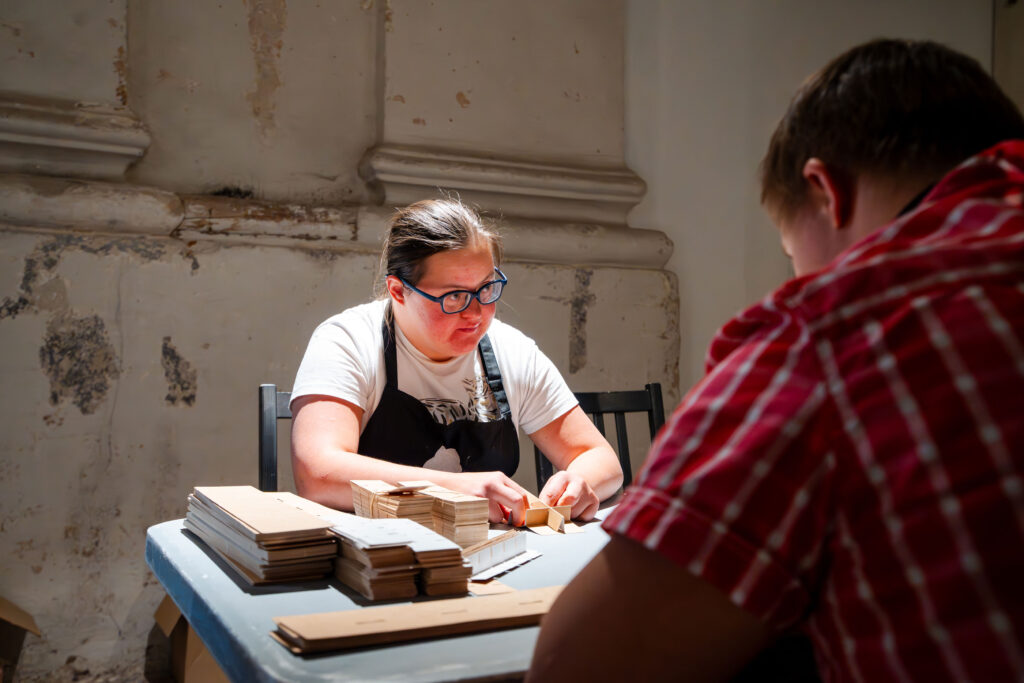
The real-world impacts of these policy shifts are readily visible among social enterprises. Pirmas Blynas, a catering business and coffee shop located in Vilnius that employs individuals with disabilities, has benefited directly from the reform. Winning government catering contracts has allowed the enterprise to diversify its revenue streams, reducing its reliance on traditional state subsidies that many social enterprises depend upon for survival.
"Social procurement gives our company a lot of opportunities," said Tim Van Wijk, founder of Pirmas Blynas. "We can make more products, we have more income, and with that, we have more impact on society." Van Wijk noted that securing public sector work last year allowed his employees to gain valuable experience across multiple institutional functions. "They do something new, they learn new skills or use their skills in a new environment," he added.
A Cultural Shift in Public Administration
Reflecting on the philosophy behind his enterprise, which opened in 2018 as the first of its kind in Lithuania, Van Wijk noted that the business’s name translates to "First Pancake" in English—a reference to the idiom that an initial attempt at anything new rarely turns out perfect, but serves as a vital learning experience.
Van Wijk maintains a measured perspective on how social criteria should function within the market. "The social criteria should be a plus. The selection should be on the basis of what the companies offer. It shouldn’t be just because of the social criteria alone," he cautioned.
Currently, social criteria are applied most frequently within the performance terms of public contracts. Because performance terms can be challenging to police and the public dashboard records the application of a criterion rather than its qualitative implementation, the PPO continues to refine its guidance. Officials are actively working to clarify what social procurement entails in concrete terms, addressing issues such as building accessibility, universal design principles, and wage transparency.
Beyond technical adjustments, stakeholders emphasize that the initiative represents a profound cultural evolution in public governance. The framework demonstrates that public procurement can successfully serve as a broader policy instrument rather than a purely administrative function.
Speaking at a recent social procurement conference in Vilnius, Darius Vedrickas, Director of the Lithuanian Public Procurement Office, highlighted the organic nature of the transformation. "Change in public procurement is happening. And it is happening not because someone requires it of us, not because it is somewhere prescribed and mandated—but because we ourselves are beginning to understand that public procurement can deliver on other policy areas too."
As Lithuania looks ahead, authorities are exploring methodologies to measure the broader socio-economic ripples of the reform, aiming to solidify social procurement not merely as an administrative preference, but as a permanent catalyst for sustainable, inclusive national growth.